
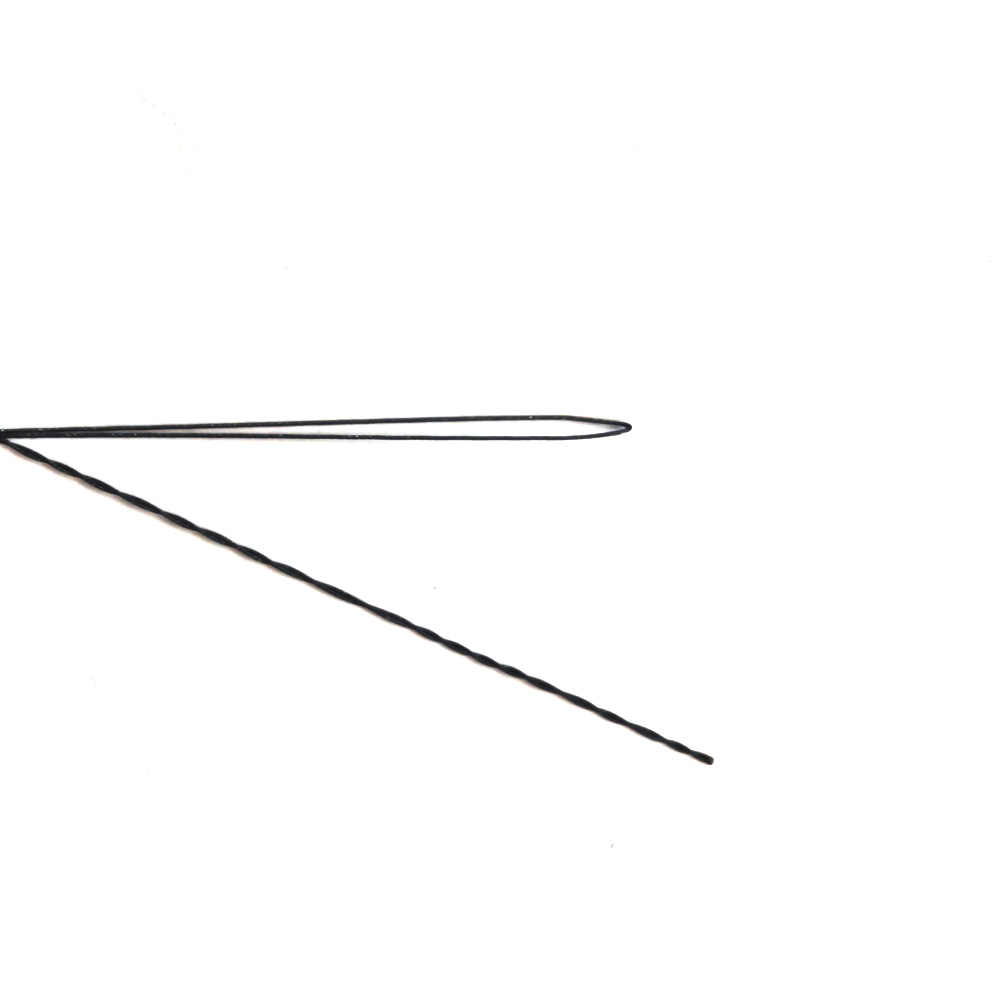
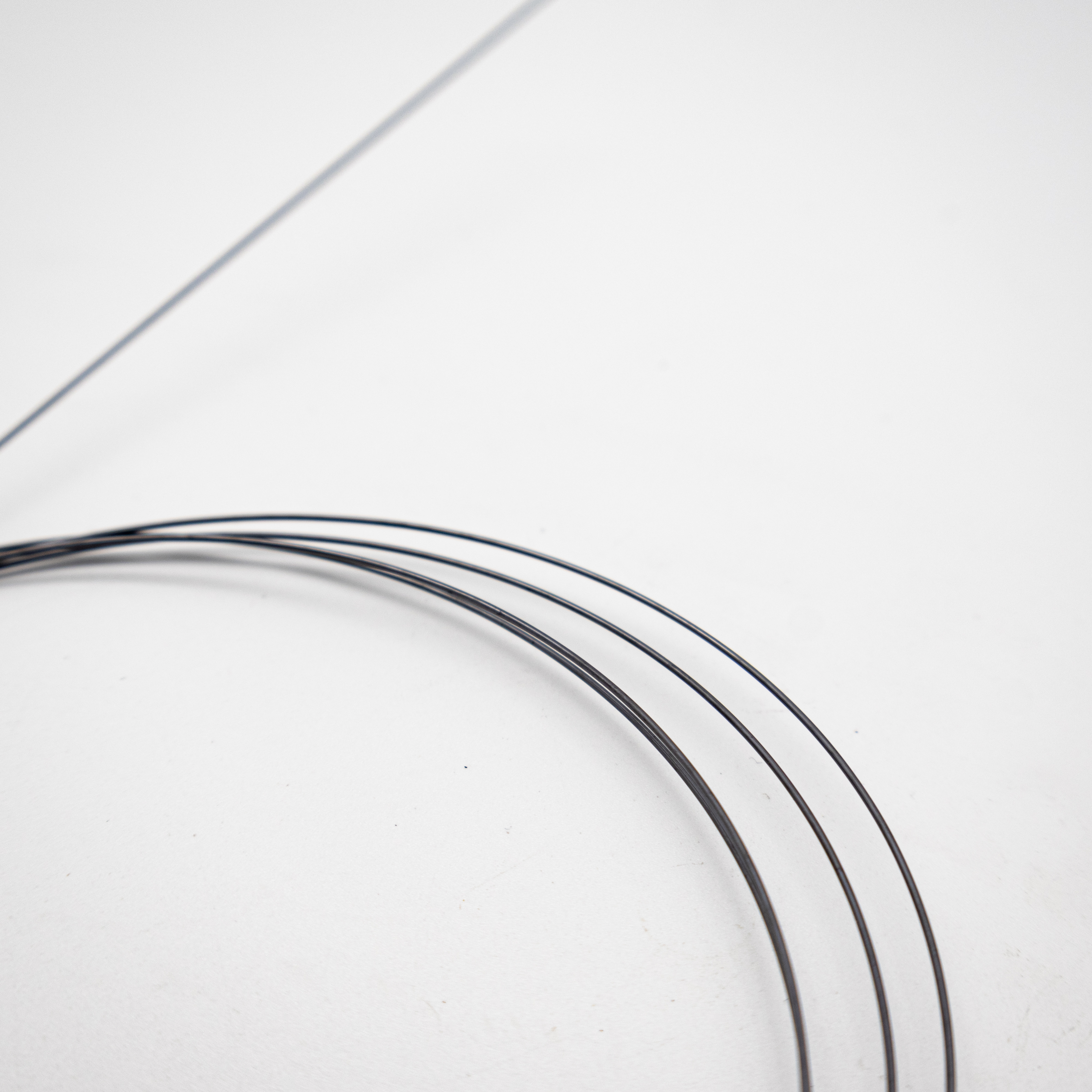
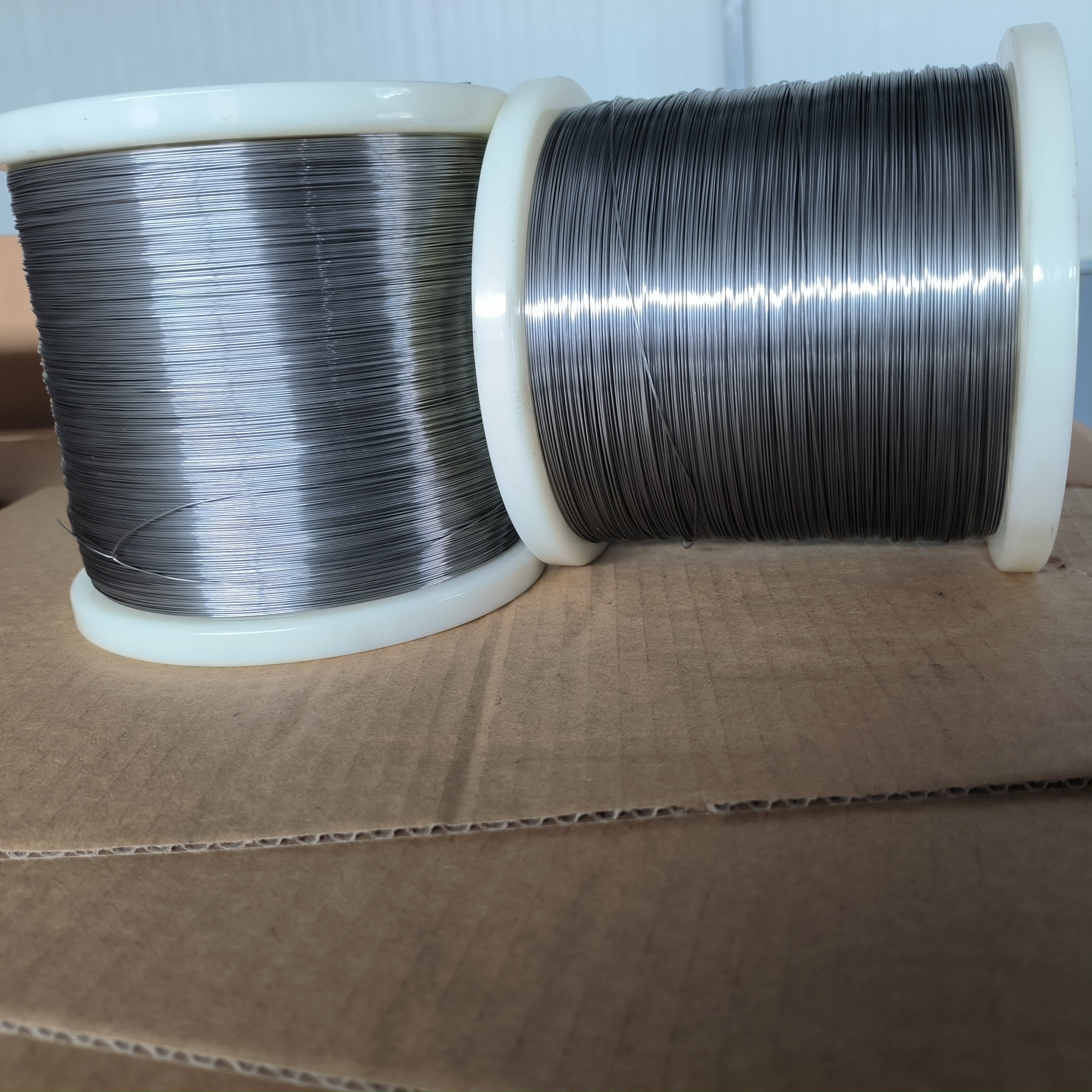
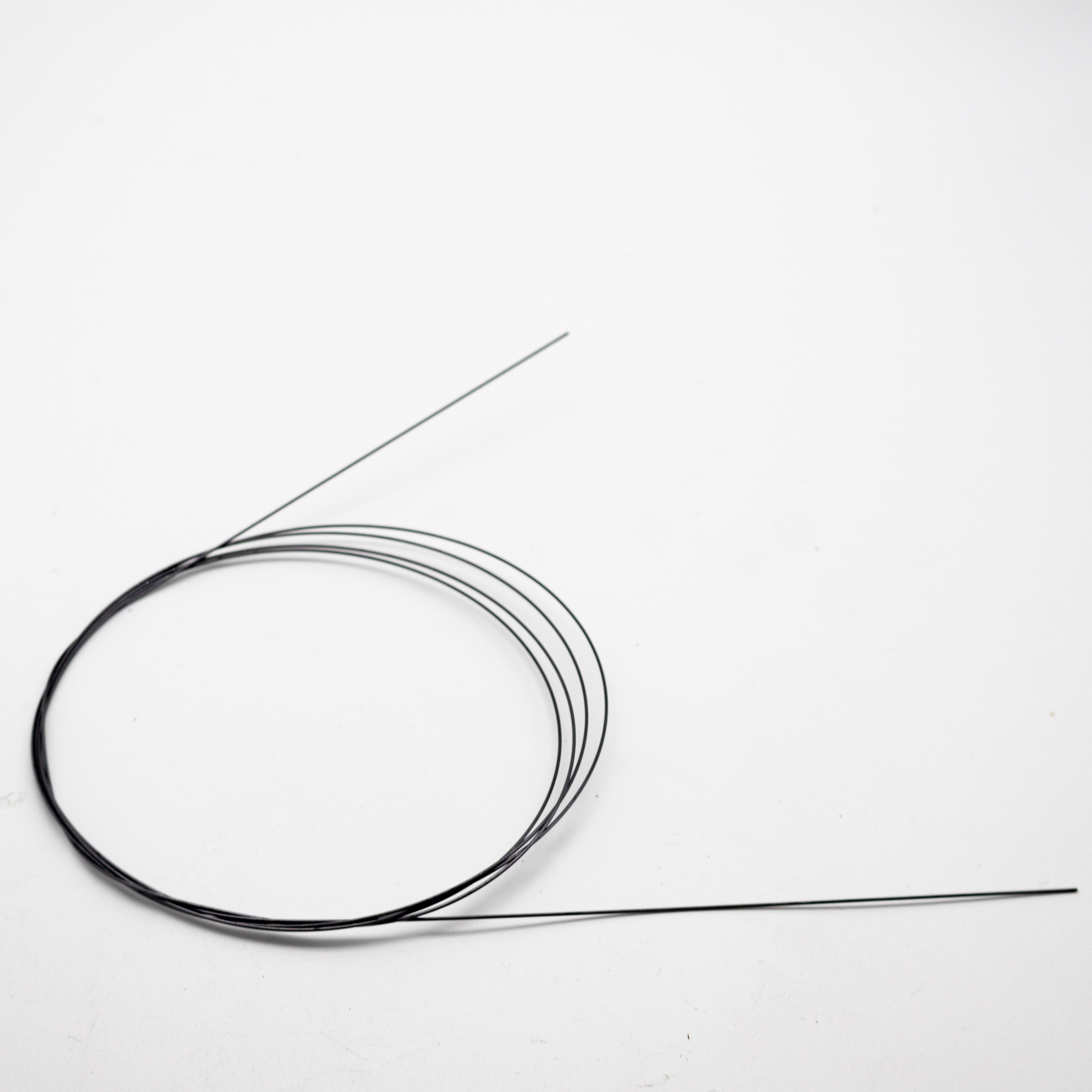
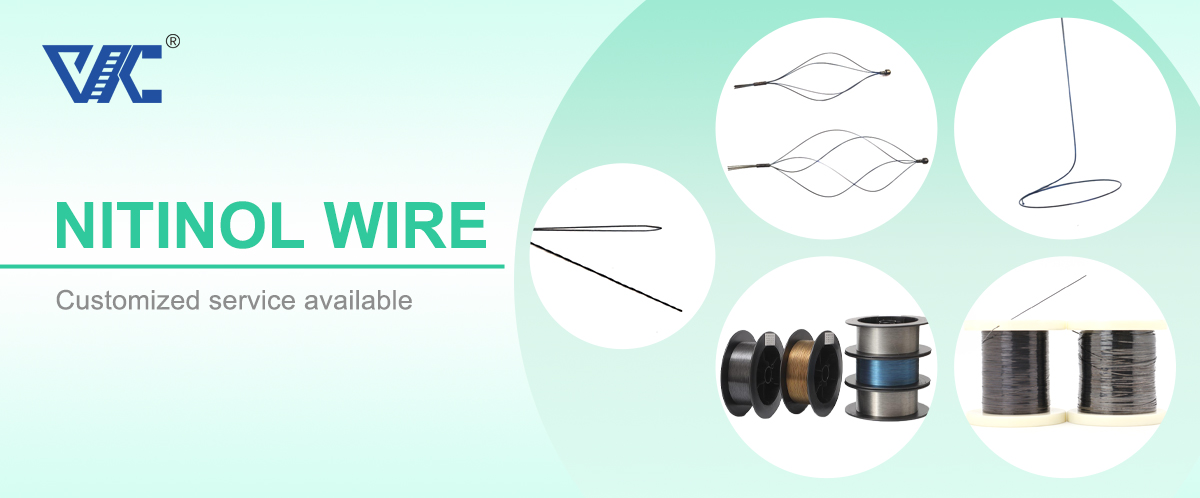
What is Nitinol Wire?
When it comes to developing custom medical applications, the choice of materials is critical. Nitinol wire, known for its unique shape memory and superelasticity, is one of the most important materials used in medical devices. From stents to guidewires, Nitinol wire offers incredible benefits that enhance the performance and reliability of healthcare products. However, balancing quality and cost is crucial, especially when sourcing Nitinol wire for your specific applications.
In this article, we’ll explore how you can get the best Nitinol wire price for your custom medical applications, without compromising on quality and performance.
Wire Shape | Titanium alloy round wire, flat wire, square wire, D-shaped wire, triangular wire, bidirectional drive wire |
Wire Surface Condition | Black oxide state, light oxide state (from golden yellow to brown), clean state, bright state, polished state |
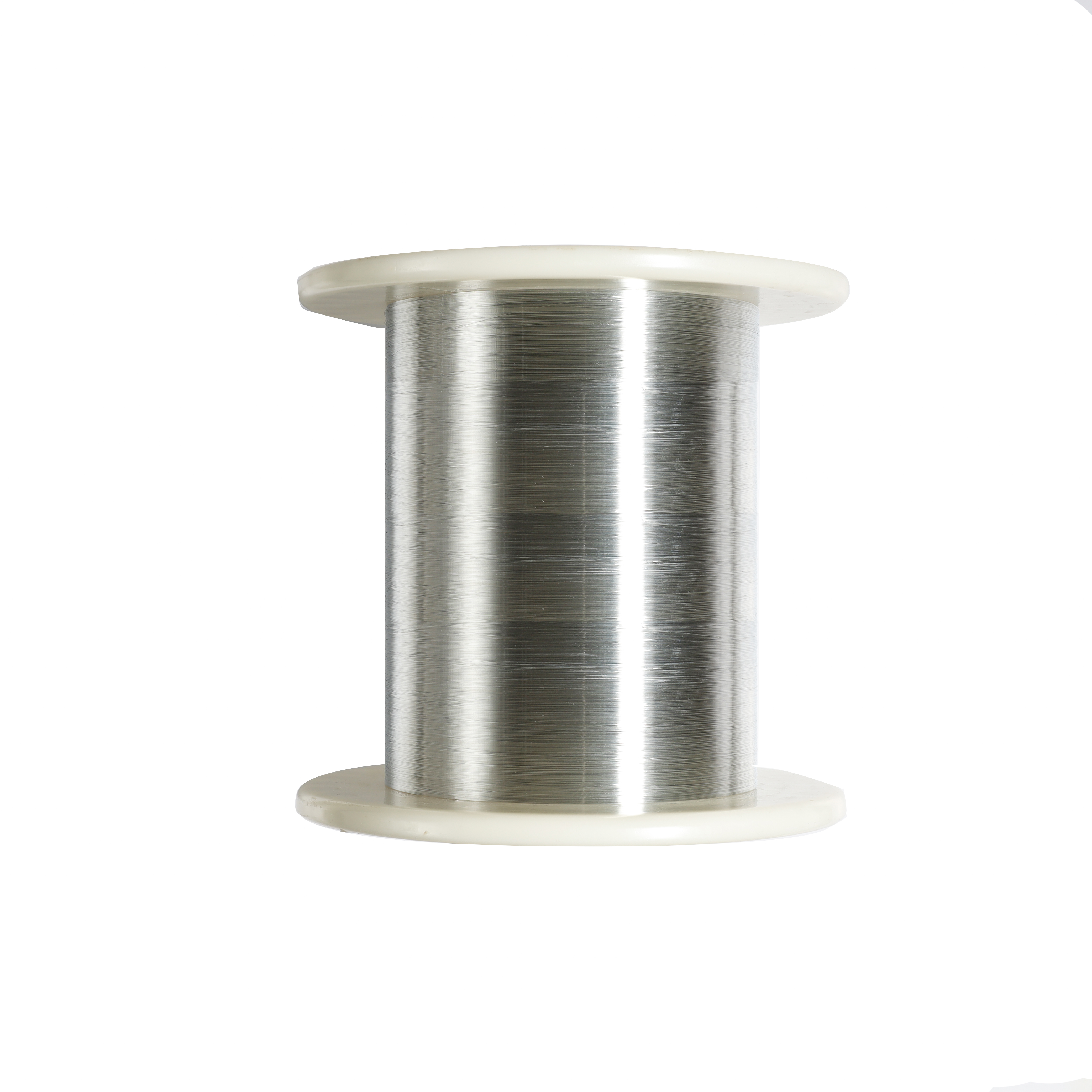
Wire Packaging | I-beam reels: To ensure that the nickel-titanium wire is evenly distributed on the packaging reel, without breakage or tangled threads Fixed length: Can be cut to fixed length according to customer requirements |
Features of Nitinol Alloy Wire
Nitinol is an alloy of nickel and titanium, known for its remarkable shape memory effect and superelasticity. It is widely used in medical devices due to its biocompatibility, flexibility, and resistance to corrosion. Medical applications such as stents, guidewires, and orthodontic devices all benefit from the unique properties of Nitinol wire. Here’s why it’s invaluable in healthcare technology:
Shape Memory Effect: Nitinol wire “remembers” its original shape and returns to it when heated, making it ideal for stents and other implantable devices.
Superelasticity: This allows Nitinol wire to undergo large deformations and return to its original form without damage, which is perfect for flexible surgical tools.
Biocompatibility: Nitinol wire is safe for long-term implantation in the human body, which makes it essential in medical implants and devices.
Corrosion Resistance: Nitinol is highly resistant to corrosion, ensuring longevity and reliability in the body’s environment.
Wire Diameter and Tolerance
Wire Diameter (mm) | Tolerance (mm) | Wire Diameter (mm) | Tolerance (mm) | Wire Diameter (mm) | Tolerance (mm) |
4.000-2.000mm | ±0.025mm | 0.350-0.260mm | ±0.010mm | 0.080-0.050mm | ±0.005mm |
2.000-1.000mm | ±0.020mm | 0.260-0.150mm | ±0.007mm | 0.050-0.025mm | ±0.005mm |
1.000-0.350mm | ±0.010mm | 0.150-0.080mm | ±0.005mm | 0.025-0.018mm | ±0.003mm |
*Can be adjusted according to customer requirements
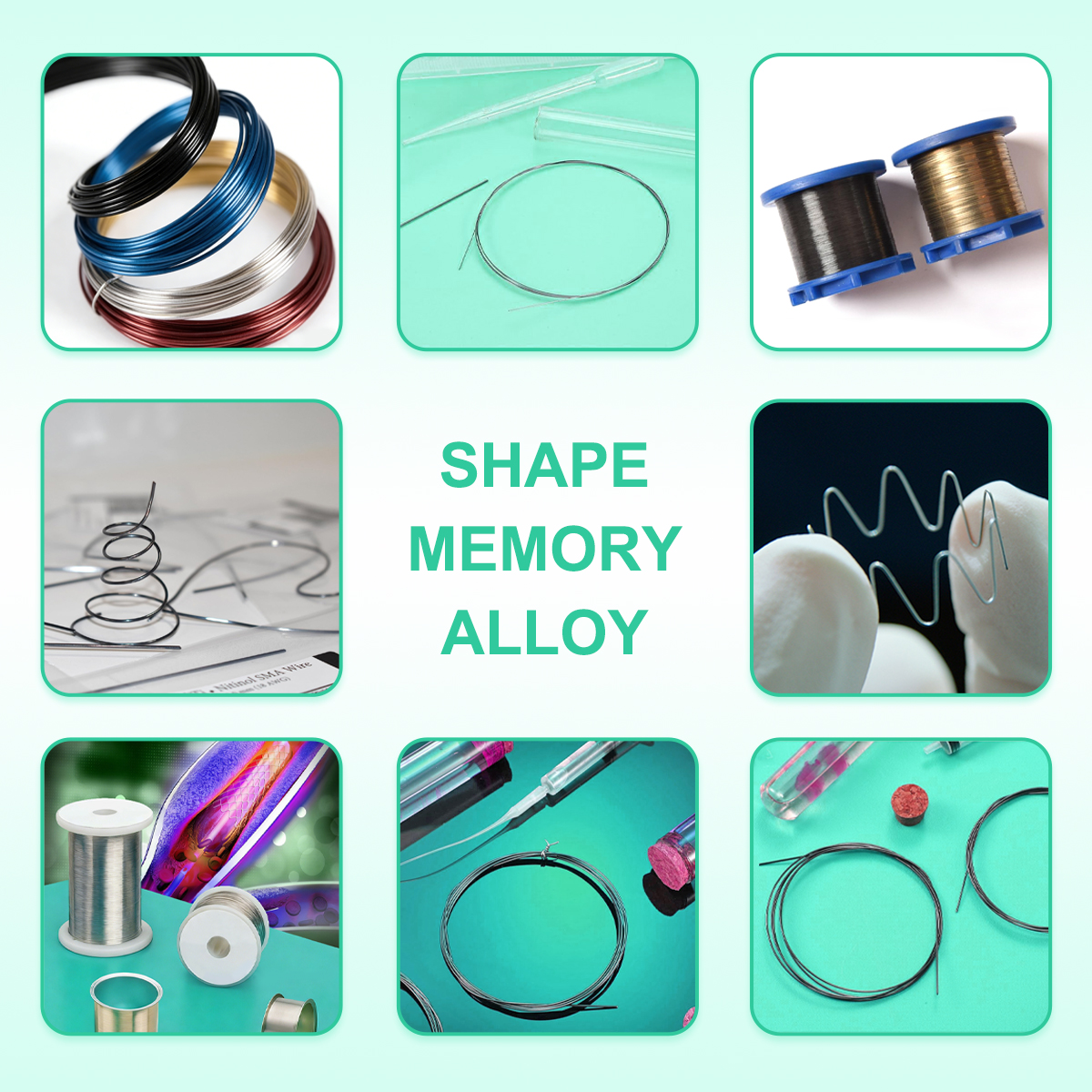
Advantages of Nitinol Alloy Wire
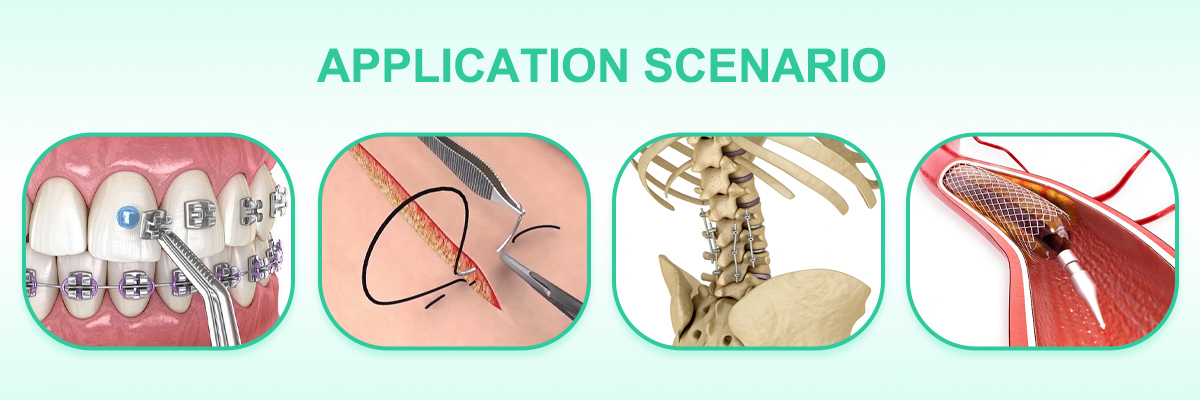
Stents and Vascular Implants
Nitinol wire is widely used in the creation of self-expanding stents that hold blood vessels open. Its shape memory properties allow it to conform precisely to the vessel’s shape, ensuring effective long-term support.Guidewires and Catheters
Nitinol wire is used to create flexible and durable guidewires and catheters that are essential for minimally invasive procedures. The wire's ability to bend without kinking makes it perfect for delicate procedures, such as angioplasty.Orthodontic Appliances
Nitinol wire’s ability to apply gentle, consistent pressure makes it ideal for orthodontic devices like braces. It moves teeth gradually and efficiently, reducing treatment time and discomfort for patients.Bone Fixation Devices
Nitinol’s superelasticity makes it ideal for orthopedic implants, such as bone screws and plates. These devices support bone healing and adapt to the body’s natural movements, providing stable and flexible support.
Mechanical Properties of Nitinol Alloy Wire
| Straightening Hyperelastic State | |||||
| Maximum Force (N) | Tensive Strength (MPa) | Elongation (%) | Upper Plateau Stress (MPa) | Residual Strain (WT%) | Actual Operating Temperature (af) |
| Diameter Depends | ≥1000(1350) | ≥10(15) | ≥400(460) | <0.555.96 | (10±10) |
| Diameter Depends | ≥1000(1350) | ≥10(15) | ≥400(460) | <0.556.1 | (-30±10) |
| Diameter Depends | ≥1000(1350) | ≥10(15) | ≥400(460) | <0.550.0 | (60±10) |
Typical medical applications include: guidewires, braided frameworks, stone retrieval baskets, snares, root canal files, intrauterine devices, sutures, and mandrels.
Applications of Nitinol Alloy Wire
Nitinol wire offers numerous advantages in the medical sector due to its unique properties. These benefits include improved device performance, patient safety, and more effective healthcare solutions:
1. Enhanced Device Precision and Performance
Nitinol wire is highly precise and can be custom-engineered to meet the specific performance requirements of medical devices. For example, in guidewires, the ability of Nitinol to retain its shape and be flexible allows for better navigation through the human body, improving the precision of minimally invasive procedures. This precision also contributes to higher success rates and better patient outcomes.
2. Superelasticity for Improved Flexibility
One of the standout features of Nitinol is its superelasticity. This property allows Nitinol wire to stretch significantly without breaking or deforming permanently. In medical applications, this is especially useful for tools like guidewires and catheters that need to flex and adapt to the shape of the human body without losing their integrity. This reduces the likelihood of damage during procedures and improves the maneuverability of medical devices.
3. Shape Memory for Better Medical Implants
The shape memory effect of Nitinol wire is a game-changer for medical implants. Once heated, Nitinol wire returns to its predefined shape, which is crucial for devices such as stents that must expand and fit accurately inside blood vessels. This ability ensures that devices can perform their intended function with high reliability and stability over time, reducing complications and improving patient safety.
4. Durability and Longevity
Nitinol wire is resistant to corrosion and fatigue, which makes it ideal for long-term implantation in the body. It maintains its performance and structural integrity for extended periods, even in harsh biological environments. This durability is essential for medical implants, ensuring they continue to function effectively throughout the patient’s treatment without needing replacement.
5. Minimally Invasive Procedure Support
The flexibility and adaptability of Nitinol wire make it ideal for minimally invasive surgeries. Nitinol guidewires, for example, are designed to navigate through tight, complex body pathways with minimal patient trauma. This minimizes the need for large incisions, accelerates recovery times, and reduces the risk of complications, leading to better patient experiences and outcomes.
6. Biocompatibility and Patient Safety
The biocompatibility of Nitinol ensures that it can remain in the human body for long periods without causing adverse reactions. This is vital for implants like stents, pacemakers, and bone fixation devices, where the wire needs to stay inside the body for extended periods. Nitinol’s biocompatibility reduces the risk of infections, allergic reactions, and other complications, making it a reliable and safe choice for medical applications.
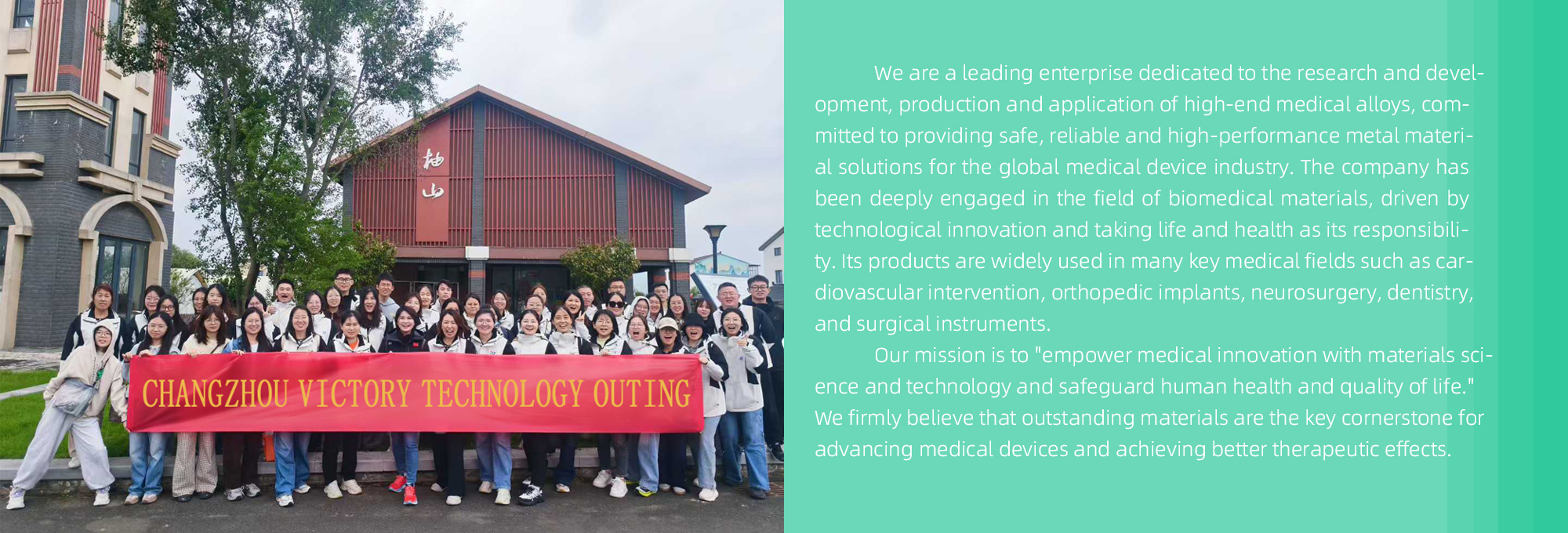
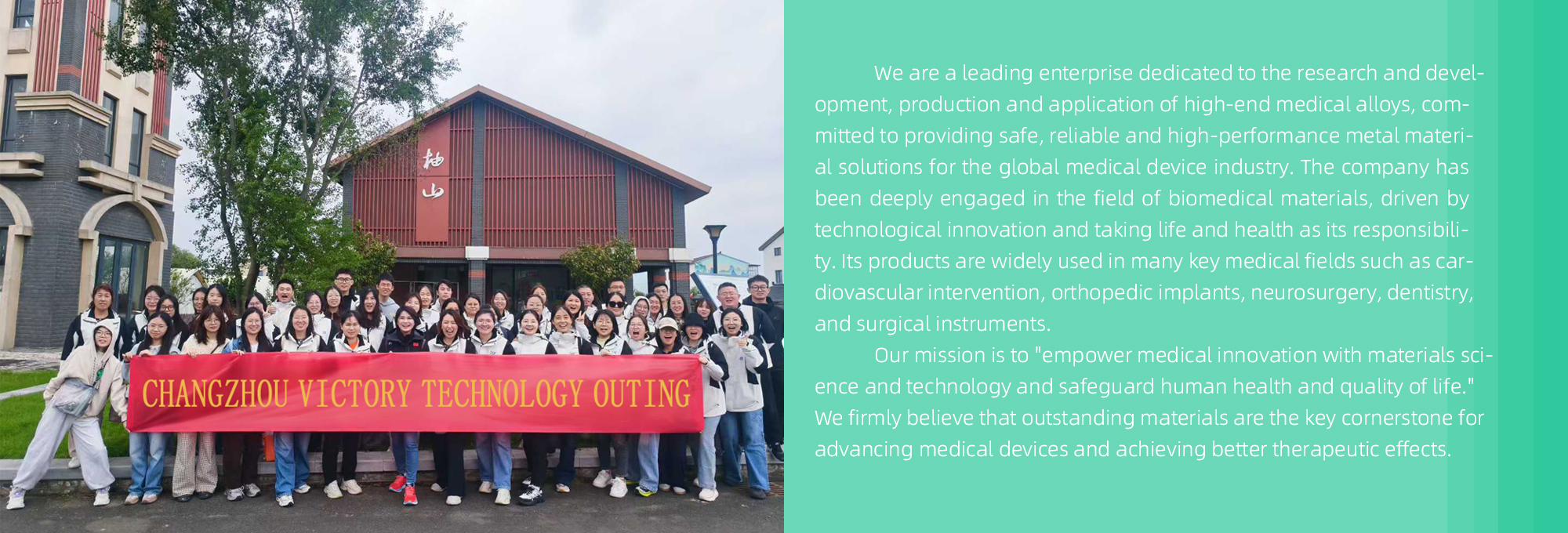
ABOUT US
Victory Alloy Co., Ltd. is a professional manufacturer specializing in medical alloy materials, with a dedicated focus on the research, development and production of high-performance biomedical alloys.
Our primary product range includes medical-grade titanium alloys, Nitinol (nickel-titanium alloy), cobalt-chromium (CoCr) alloys, platinum-iridium (Pt-Ir) alloys, and medical stainless steel. These high-quality alloys are widely applied in a broad spectrum of medical fields, such as cardiovascular stents, orthopedic implants, interventional guidewires, dental implants, surgical instruments, and disposable medical auxiliary devices. Boasting outstanding biocompatibility, strong corrosion resistance and excellent mechanical properties, our products have won consistent praise from customers across the board.
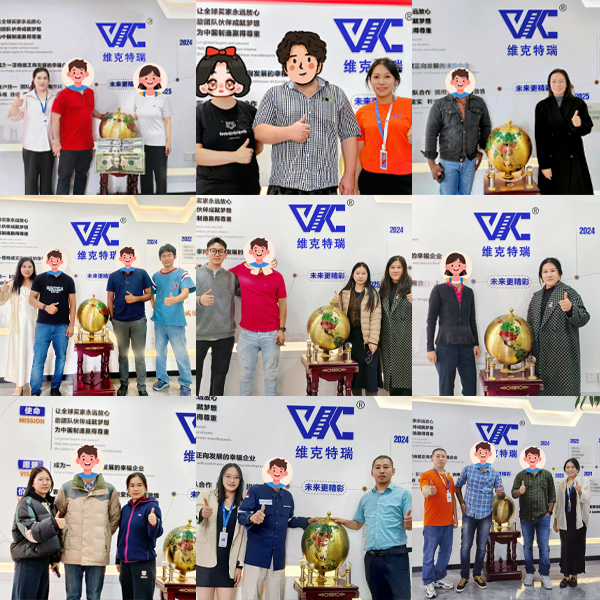
Client Visits
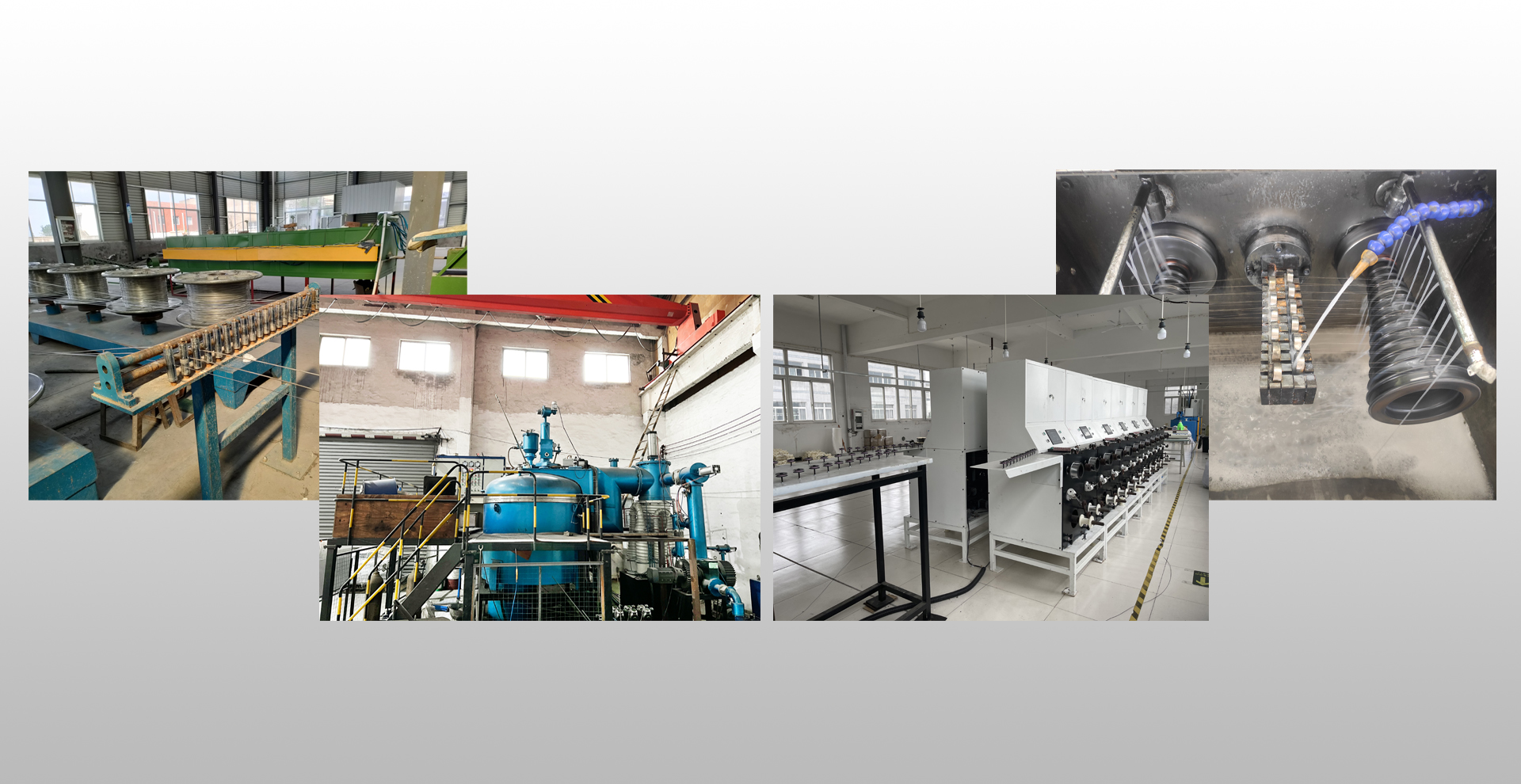
We welcome client visits to showcase our manufacturing and testing processes. Clients can explore our facility, discuss specific needs, and learn about our quality control methods. Our team ensures a personalized experience to meet your exact requirements for medical applications.
 Our Factory
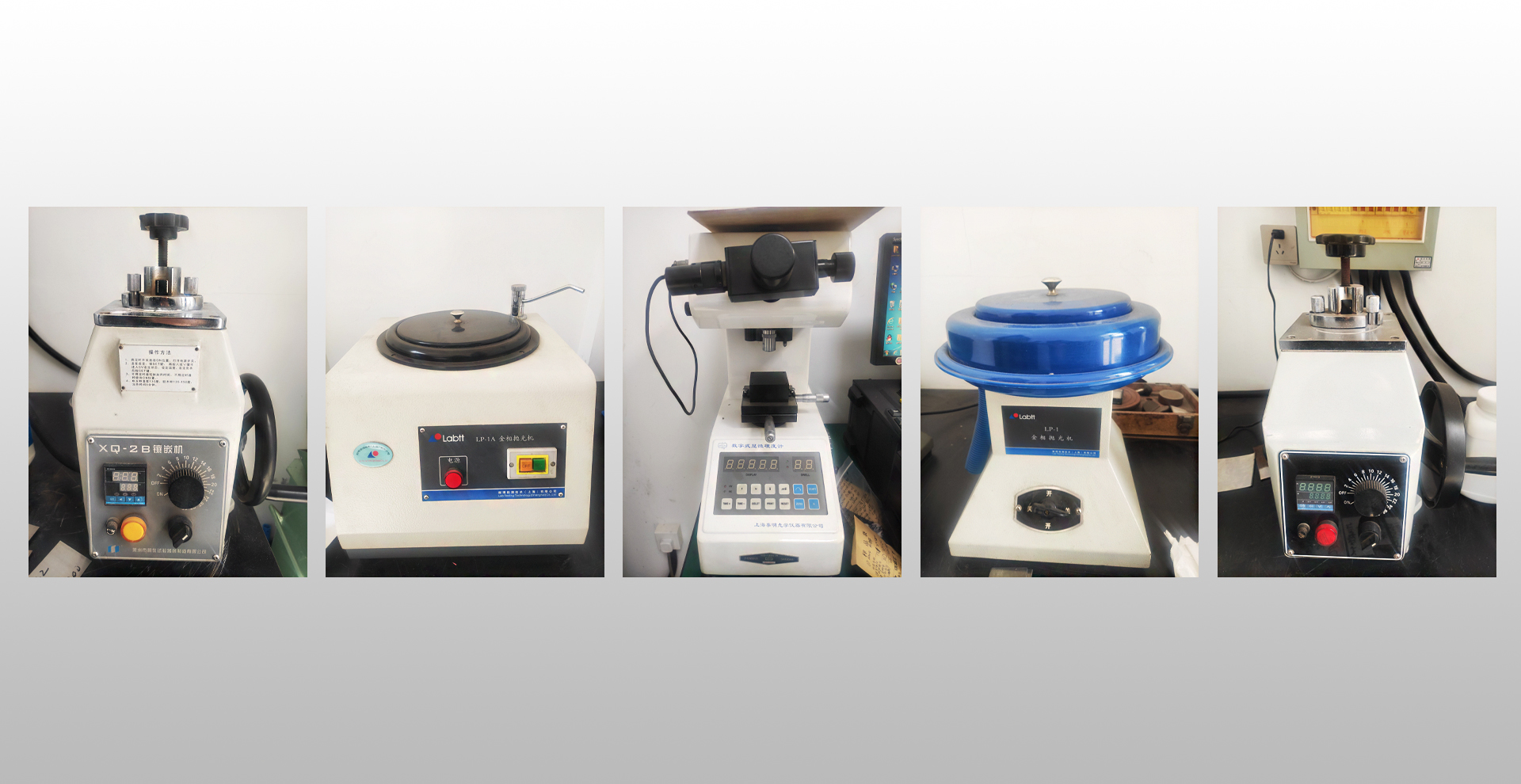
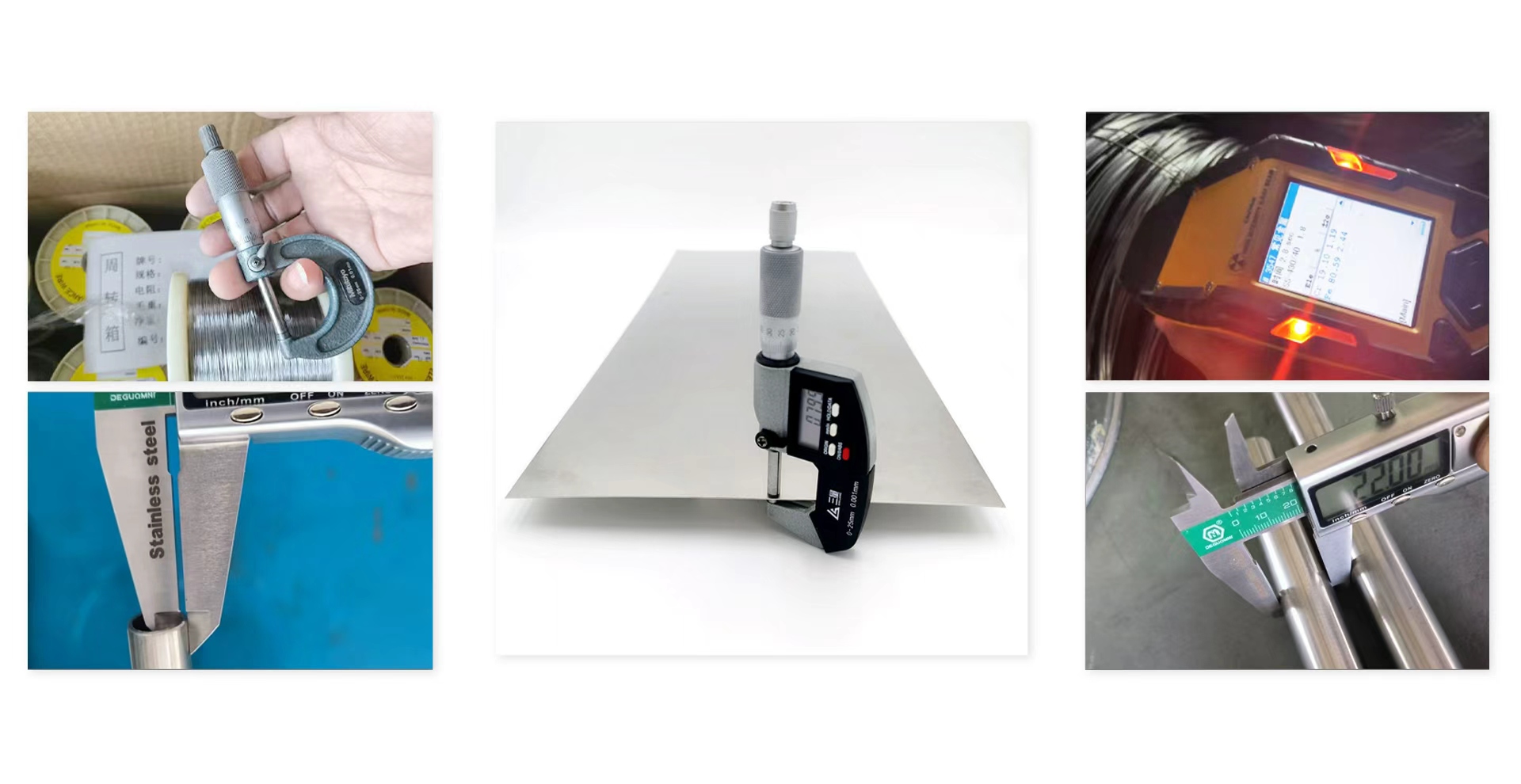
Quality Testing of the Product
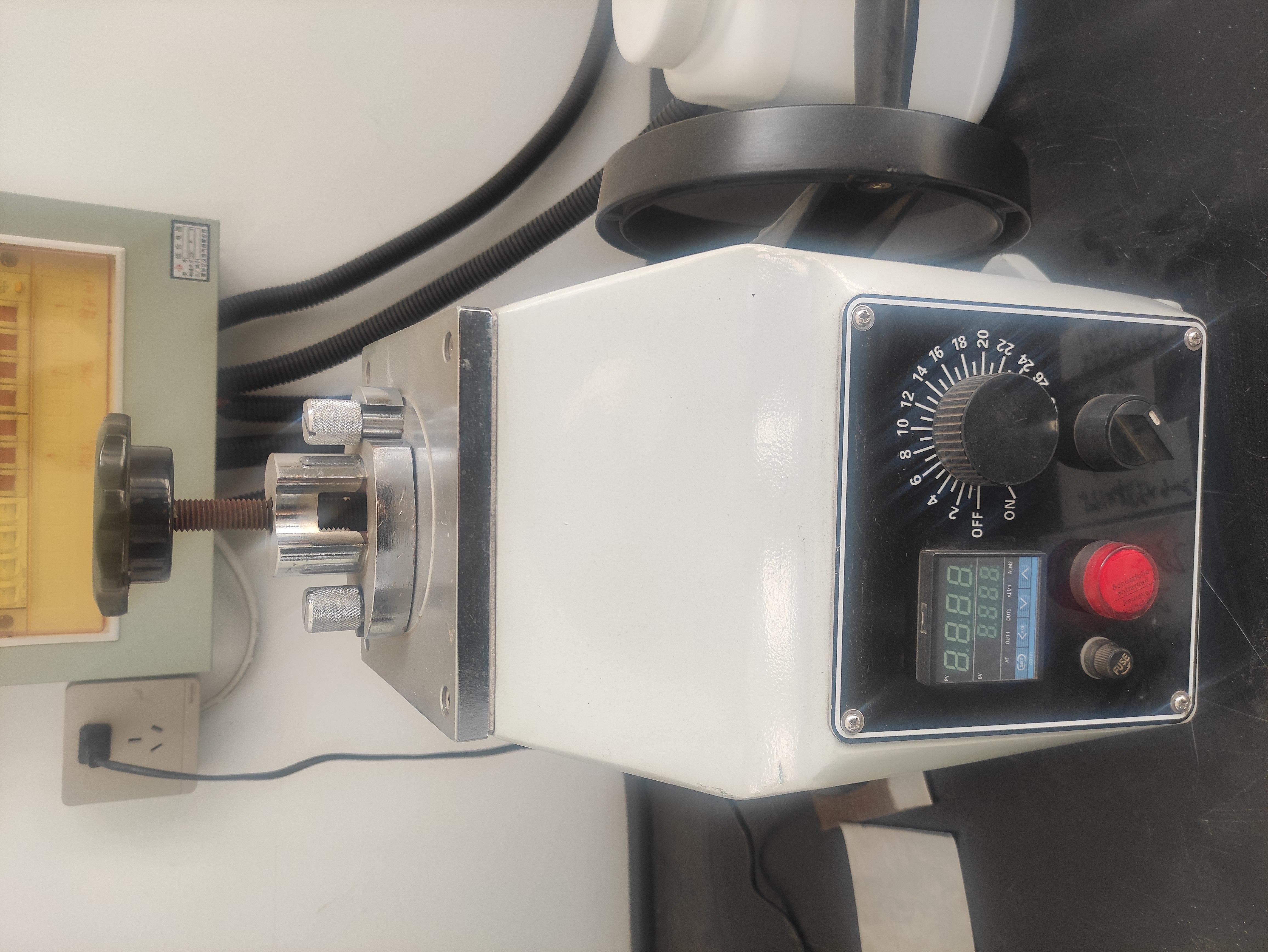
Our product undergoes strict testing for tensile strength, corrosion resistance, and biocompatibility to ensure reliable performance in joint implants. We use advanced methods to verify its safety and durability, and all products meet international medical standards for consistent, long-term use in the body.
FAQ
Who is your company?
We are a leading supplier of high-quality Nitinol alloy wire, specializing in providing durable, biocompatible materials for orthopedic joint replacements and other medical applications.How can I contact your company?
Phone: +86 132 1868 0935
Whatsapp: +86 13218680935
Email: victory@dlx-alloy.com
How much does custom Nitinol wire cost for medical applications?
The cost of custom Nitinol wire depends on factors such as the grade, customization, order volume, and the complexity of manufacturing. For accurate pricing, it’s best to reach out to suppliers for quotes based on your specific requirements.Can Nitinol wire be customized for specific medical device needs?
Yes, Nitinol wire can be customized in terms of diameter, length, mechanical properties, and temperature transition points to suit the specific needs of medical devices. Customization ensures optimal performance in your application.How do I ensure I am getting the best quality Nitinol wire?
Look for suppliers who offer certified medical-grade Nitinol wire that complies with industry standards. Also, inquire about the supplier’s manufacturing processes and quality control procedures to ensure reliability.What is the advantage of bulk purchasing Nitinol wire?
Bulk purchasing can significantly reduce the per-unit cost of Nitinol wire, making it more affordable for large-scale projects or long-term production. Suppliers often offer discounts for high-volume orders.