
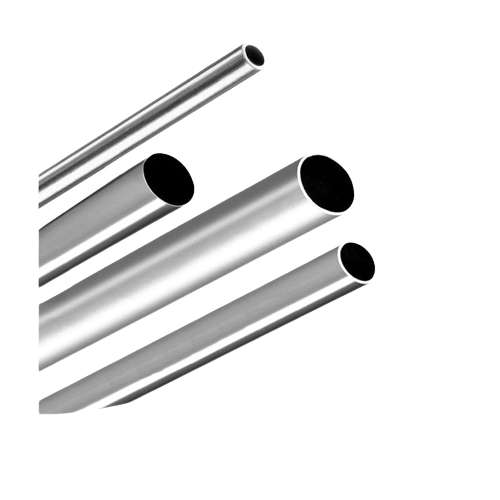
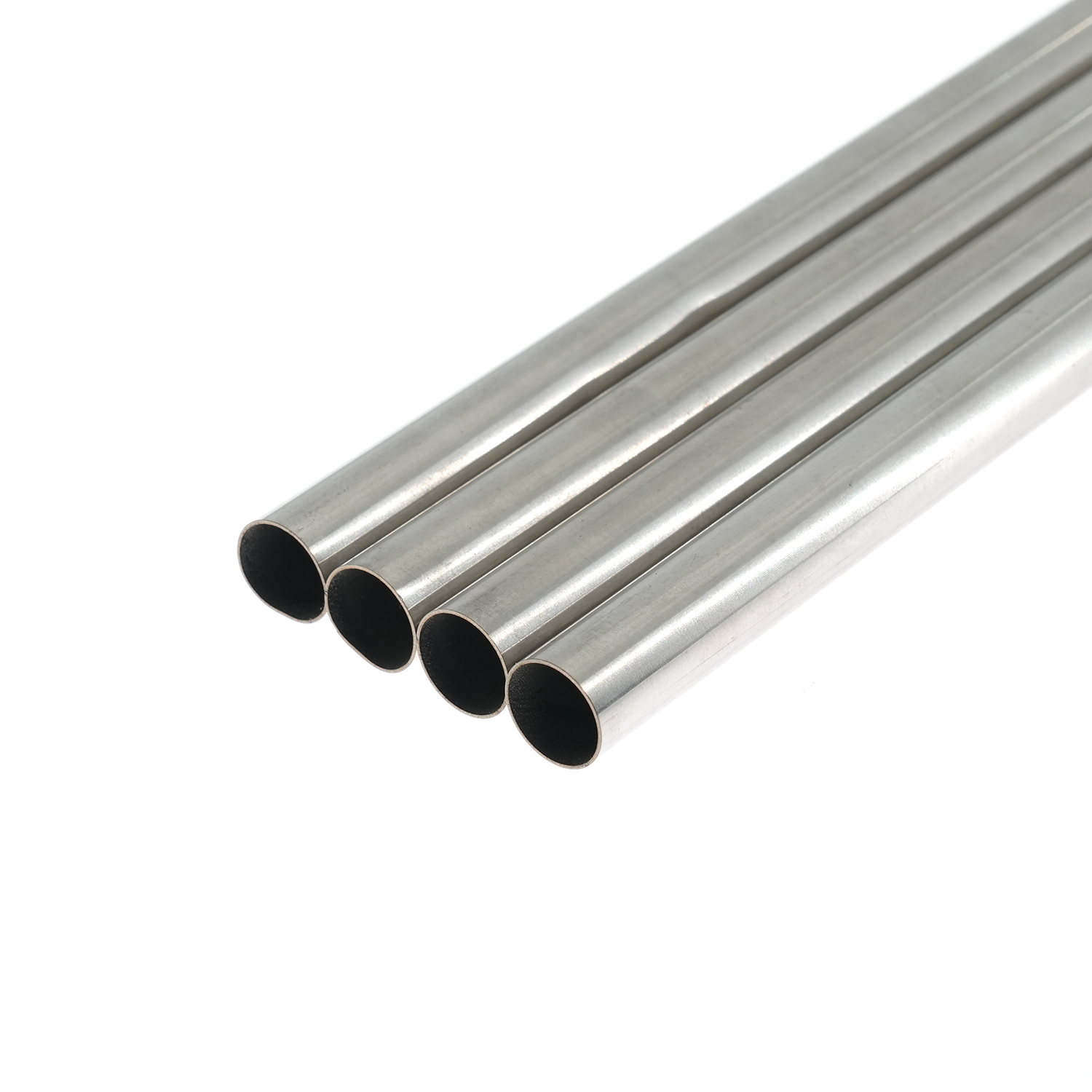
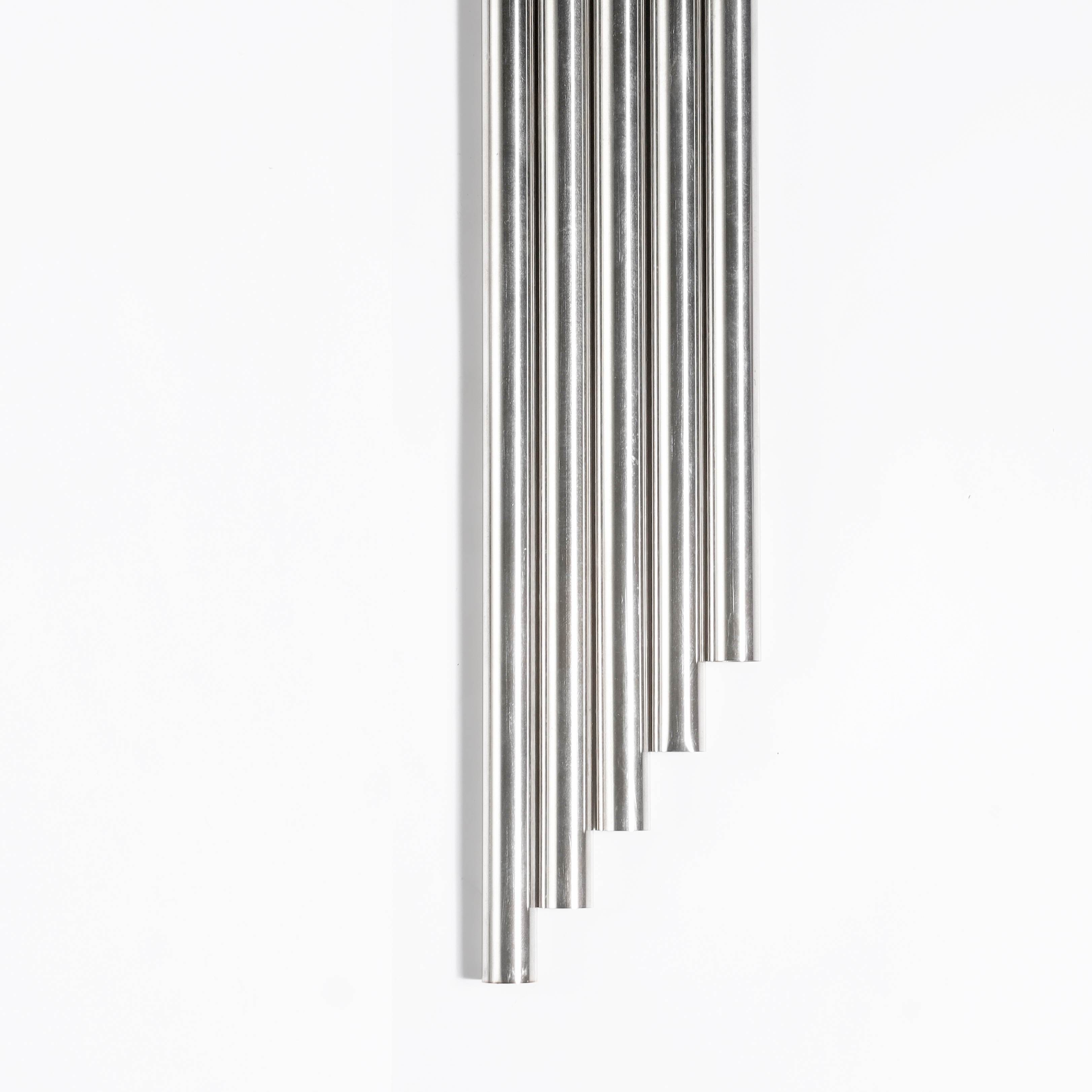
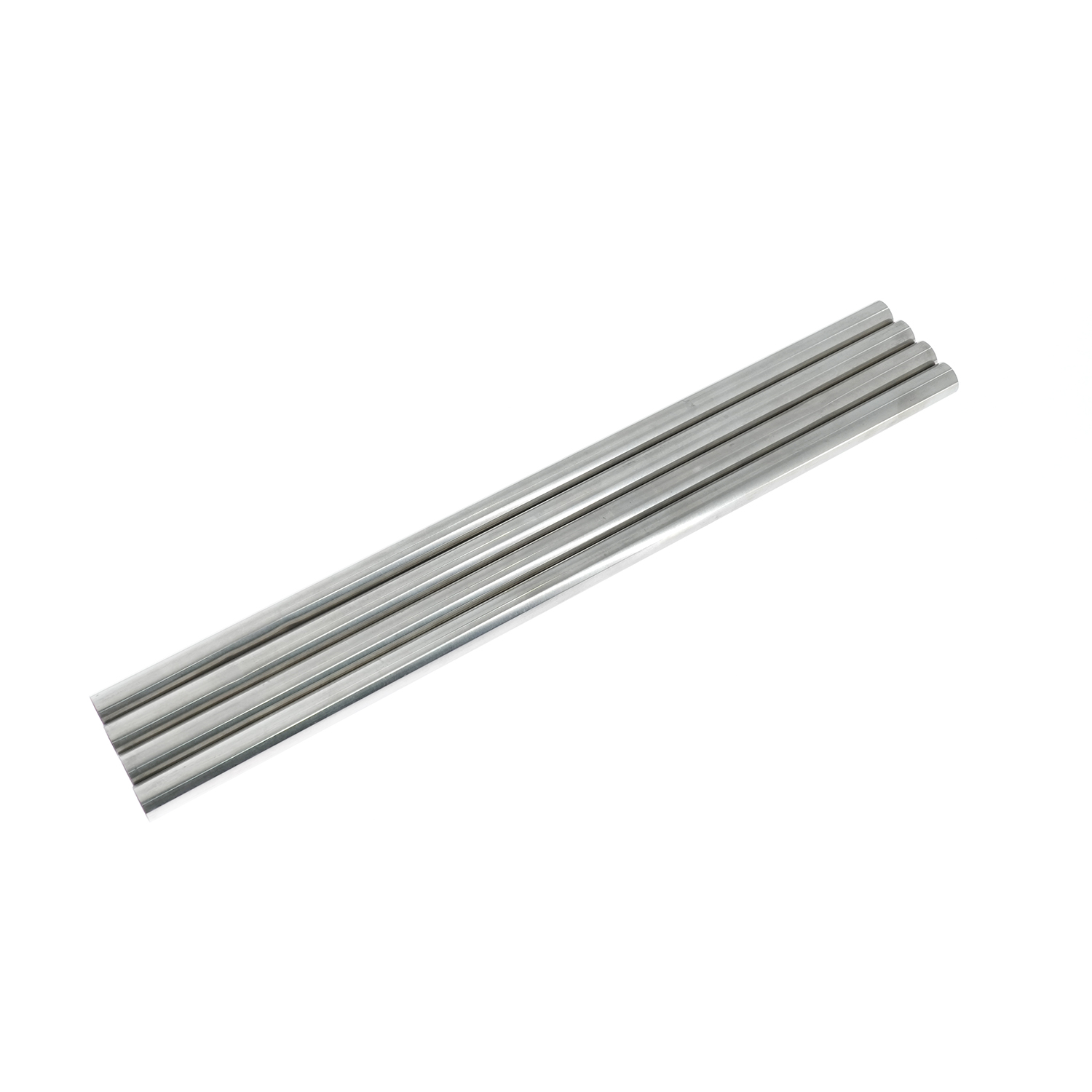
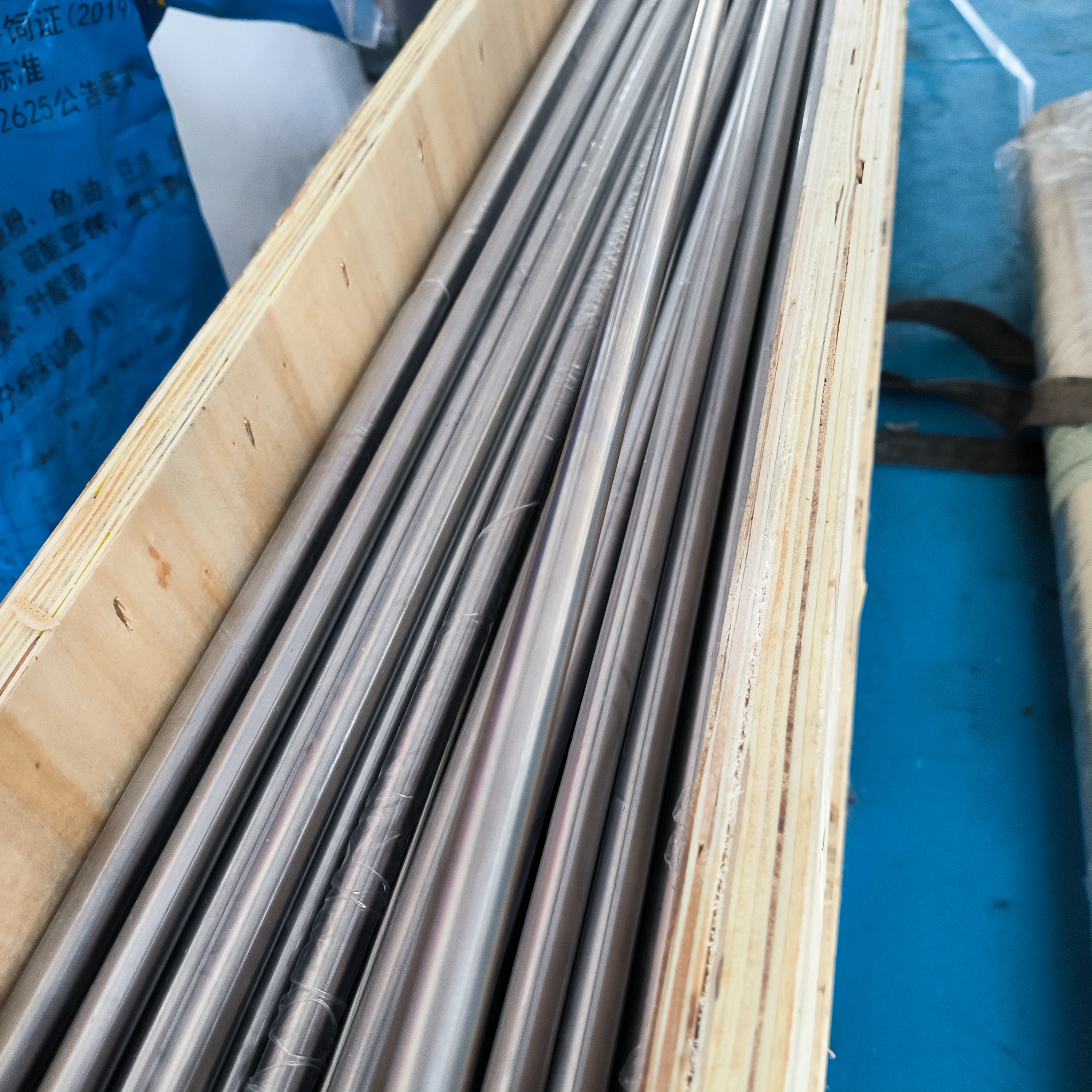
What is Nitinol Tube?
Nitinol alloy tubes, made from a combination of nickel and titanium, are highly regarded in the medical field for their remarkable shape-memory and superelastic properties. These characteristics make Nitinol an ideal material for guidewires used in minimally invasive procedures, such as catheter placements, angioplasty, and diagnostic imaging.
Minimally invasive procedures have revolutionized modern medicine by enabling doctors to perform complex surgeries with smaller incisions, reducing trauma, recovery time, and risk to patients. Nitinol alloy tubes provide essential flexibility, strength, and biocompatibility for medical devices, especially guidewires, that must navigate through delicate and narrow anatomical structures.
Tubing Actual Performance Af Temperature | For finished tubes with an outer diameter of 0.25-9.0mm, after cutting a section of the tube, the actual recovery temperature can be tested using the bending recovery method specified in ASTM F2082/F2082M-16. |
| Surface Condition | Outer Surface: Oxidized state, ground state Inner Surface: Clean state |
| Tubing Length | Length can be precisely specified or arbitrarily specified; for arbitrary lengths, the maximum and minimum lengths can be negotiated with sales or technical personnel. |
| Straightness | The requirements and test methods for straightness can be agreed upon with sales or technical personnel. |
| Internal and External Surface Defects | The requirements for surface defects can be agreed upon with sales or technical personnel. |
| Typical Applications | Medical: Hypo tubes, camera tubes, stents, baskets, catheters |
Features of Nitinol Tube
Shape-Memory Effect
The most unique property of Nitinol is its shape-memory effect. When subjected to a specific temperature, Nitinol alloy returns to its pre-programmed shape, which allows guidewires to navigate through the body’s complex structures and conform to the shape of arteries or veins, ensuring optimal positioning and precision during deployment.Superelasticity
Nitinol also boasts superelasticity, meaning it can be bent and deformed significantly without losing its structural integrity. This makes it perfect for guidewires that must be flexible enough to navigate tortuous pathways while retaining strength and function when subjected to external forces.High Fatigue Resistance
Nitinol alloy tubes are highly resistant to fatigue, which ensures that the guidewires perform reliably over repeated use without breaking or losing their functional properties. This durability is essential in long or complex procedures, where the guidewires undergo constant manipulation.Biocompatibility
Nitinol’s exceptional biocompatibility means that it is well-tolerated by the human body and is unlikely to cause any adverse immune reactions. This makes it a safe material for use in medical implants or devices that remain inside the body for extended periods.
Pipe specifications
| Tubing Inner Diameter (mm) | Wall Thickness (mm) | Tolerance Range (mm) | Length (mm) |
| 9-4 | 4-0.5 | ±0.035 | 500 |
| 4-2 | 0.5-0.2 | ±0.030 | 500 |
| 2-1 | 0.3-0.15 | ±0.020 | Above 1000 |
| 1-0.5 | 0.2-0.1 | ±0.010 | 1000-2000 |
| 0.5-0.25 | 0.1-0.05 | ±0.005 | 1000-2000 |
*Can be adjusted according to customer requirements
Advantages of Nitinol Tube
Superior Flexibility and Control: The flexibility of Nitinol alloy tubes provides superior control during guidewire navigation, allowing them to move smoothly through blood vessels or other tight spaces without causing damage to surrounding tissues.
Minimal Invasive Trauma: Nitinol’s adaptability allows for smoother, more controlled insertion, which minimizes the trauma caused during procedures. This leads to faster recovery times and reduced risk of complications, making it ideal for minimally invasive surgeries.
Enhanced Durability: Nitinol’s resistance to fatigue and wear means that guidewires retain their strength and functionality even after being subjected to multiple uses, providing long-lasting reliability for healthcare providers.
Improved Safety and Precision: The shape-memory and superelasticity of Nitinol alloy ensure precise placement and accurate navigation of guidewires, which enhances patient safety and the overall success of minimally invasive procedures.
Applications of Nitinol Tube
Nitinol alloy tubes are used in a wide variety of applications, particularly for guidewires in minimally invasive procedures. Some of the most notable applications include:
Cardiovascular Procedures
Nitinol guidewires are commonly used in coronary angioplasty and stent placement. The flexibility of Nitinol allows the guidewire to easily navigate through arteries, ensuring precise stent placement and optimal outcomes for patients with cardiovascular conditions.Neurovascular Procedures
Nitinol guidewires play a vital role in neurovascular surgeries, such as the treatment of aneurysms or stroke. The flexibility and precision of Nitinol allow the guidewires to be maneuvered through delicate brain arteries, minimizing the risk of damaging vital tissues.Peripheral Vascular Procedures
Nitinol guidewires are also used in procedures involving peripheral arteries, including angioplasty and catheter placement. Nitinol’s ability to bend and adapt to different vessel shapes makes it ideal for treating diseases in the peripheral vascular system.Endovascular Surgery
In endovascular surgery, Nitinol guidewires are used to deliver stents or other devices to treat aneurysms, blockages, or other vascular issues. Their excellent flexibility and resistance to deformation ensure precise delivery even through tortuous blood vessels.Biliary Procedures
Nitinol guidewires are also employed in biliary procedures to navigate the bile ducts and help with the insertion of stents or other devices for the treatment of blockages or stones. The material’s ability to bend without kinking ensures a smooth and safe procedure.
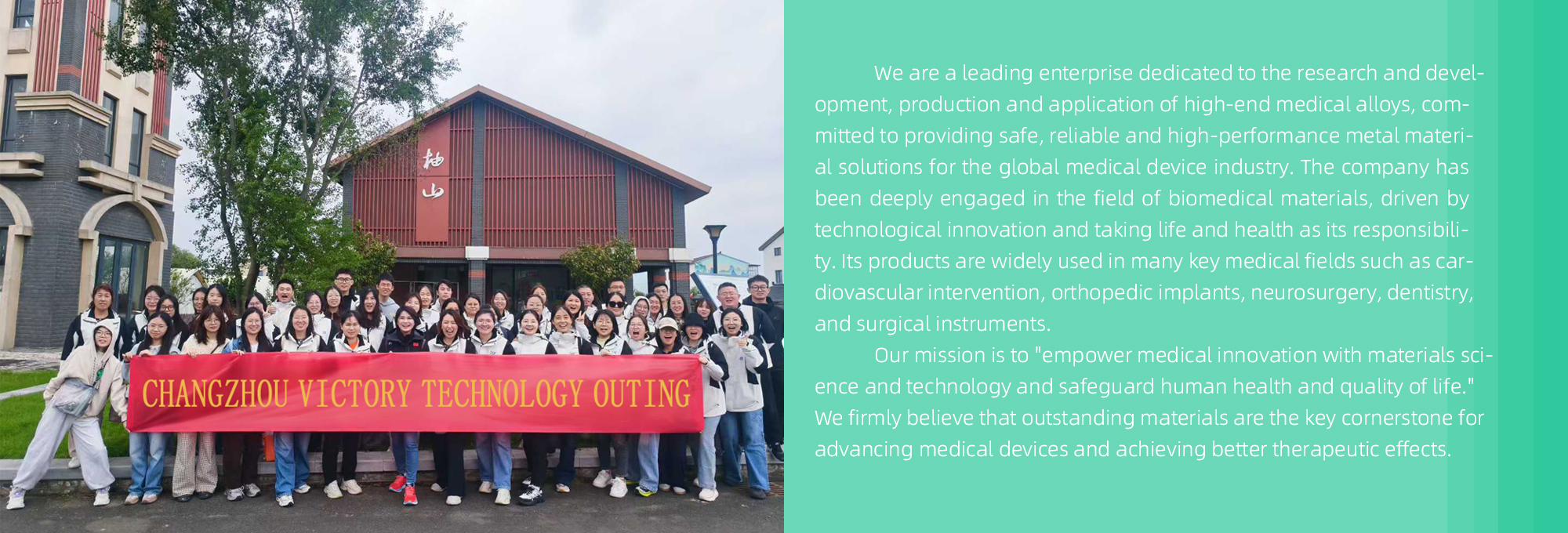
ABOUT US
Victory Alloy Co., Ltd. is a professional manufacturer specializing in medical alloy materials, with a dedicated focus on the research, development and production of high-performance biomedical alloys.
Our primary product range includes medical-grade titanium alloys, Nitinol (nickel-titanium alloy), cobalt-chromium (CoCr) alloys, platinum-iridium (Pt-Ir) alloys, and medical stainless steel. These high-quality alloys are widely applied in a broad spectrum of medical fields, such as cardiovascular stents, orthopedic implants, interventional guidewires, dental implants, surgical instruments, and disposable medical auxiliary devices. Boasting outstanding biocompatibility, strong corrosion resistance and excellent mechanical properties, our products have won consistent praise from customers across the board.
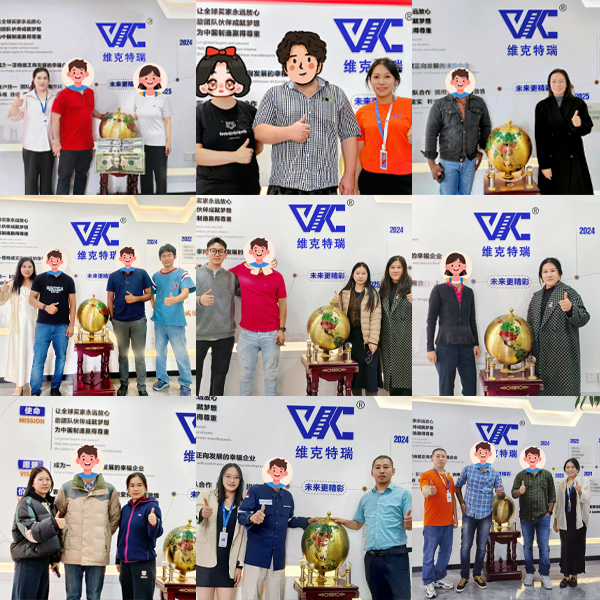
Client Visits
We welcome client visits to showcase our manufacturing and testing processes. Clients can explore our facility, discuss specific needs, and learn about our quality control methods. Our team ensures a personalized experience to meet your exact requirements for medical applications.
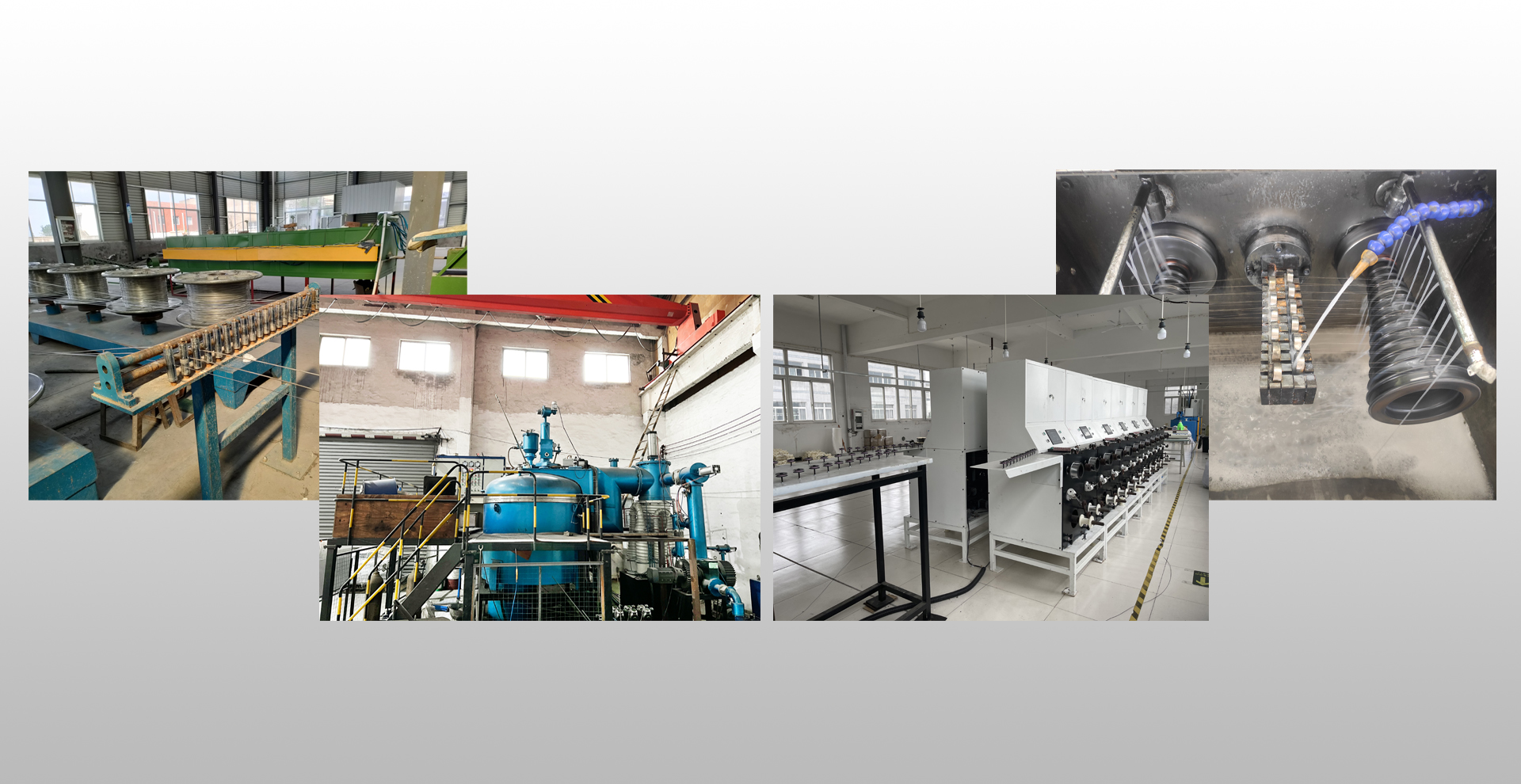
 Our Factory
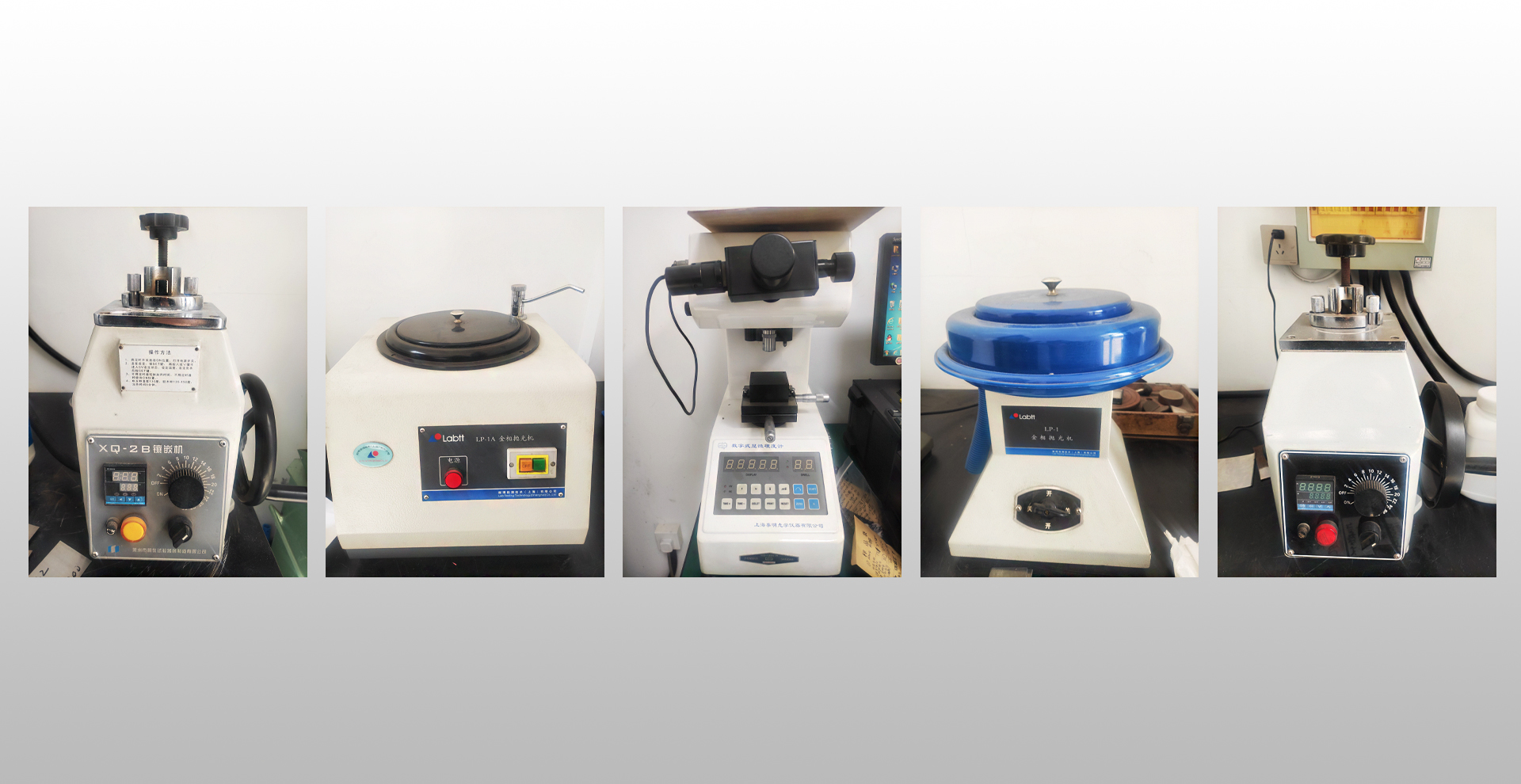
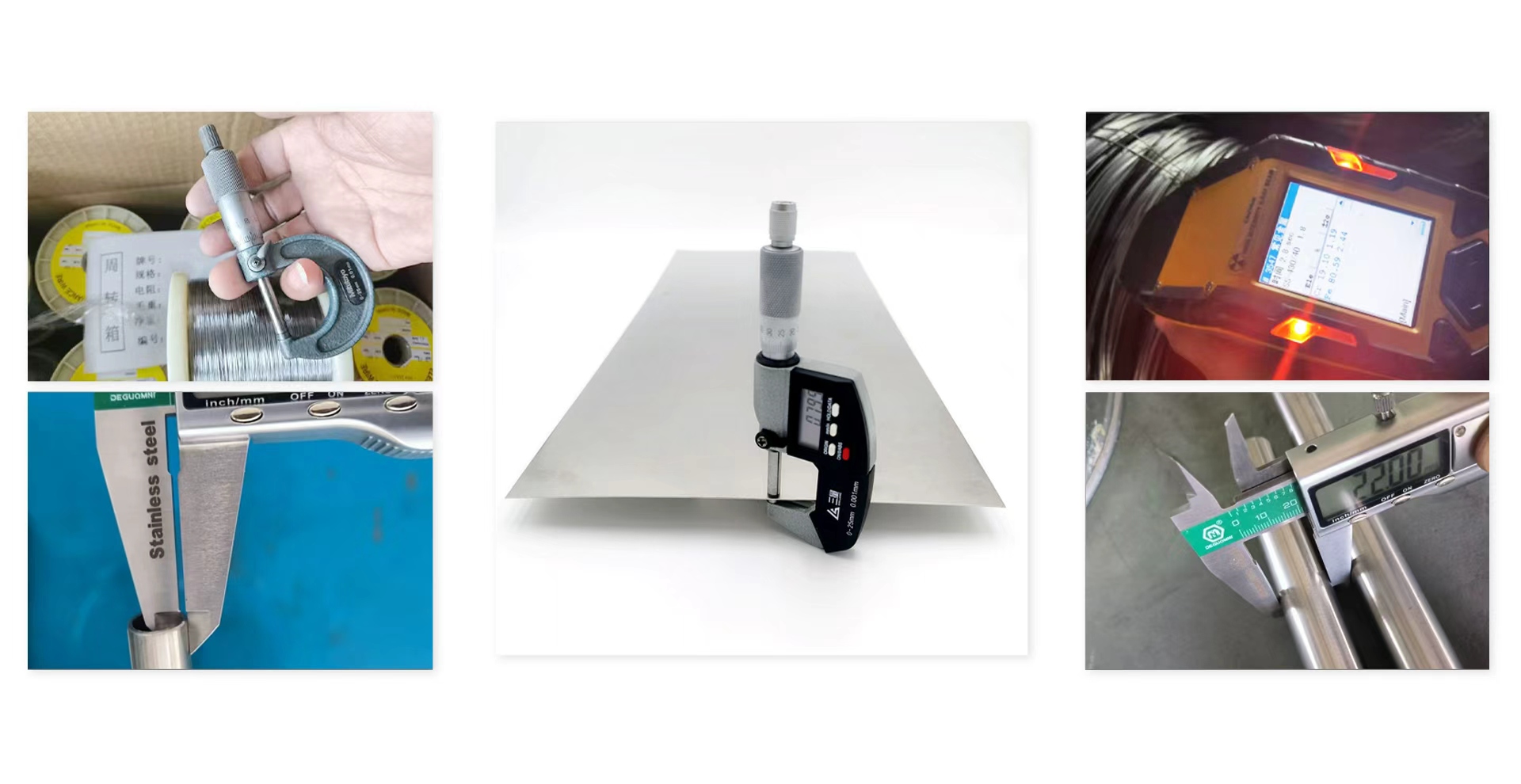
Quality Testing of the Product
Our product undergoes strict testing for tensile strength, corrosion resistance, and biocompatibility to ensure reliable performance in joint implants. We use advanced methods to verify its safety and durability, and all products meet international medical standards for consistent, long-term use in the body.
FAQ
Who is your company?
We are a leading supplier of high-quality Nitinol alloy wire, specializing in providing durable, biocompatible materials for orthopedic joint replacements and other medical applications.How can I contact your company?
Phone: +86 132 1868 0935
Whatsapp: +86 13218680935
Email: victory@dlx-alloy.com
Why is Nitinol used in guidewires for minimally invasive procedures?
Nitinol’s unique properties, such as shape-memory and superelasticity, allow guidewires to conform to anatomical shapes and navigate through tight spaces with precision, making them ideal for complex, minimally invasive procedures.What are the benefits of Nitinol’s superelasticity in medical devices?
Nitinol’s superelasticity ensures that guidewires remain flexible yet strong, allowing them to navigate complex anatomical structures without losing their functionality or causing injury to surrounding tissues.How does Nitinol’s shape-memory effect enhance guidewire performance?
The shape-memory effect enables guidewires to return to their pre-programmed shape when heated, ensuring accurate and reliable deployment during procedures. This contributes to better patient outcomes by ensuring proper positioning and minimal trauma.How durable are Nitinol guidewires?
Nitinol guidewires are highly durable due to their resistance to fatigue. They maintain their strength and flexibility even after multiple uses, making them reliable in complex and long medical procedures.Can Nitinol tubing be customized for different medical procedures?
Yes, Nitinol tubing can be customized to meet the specific needs of various medical applications. Customization options include diameter, length, flexibility, and surface treatments to optimize performance for specific procedures.