
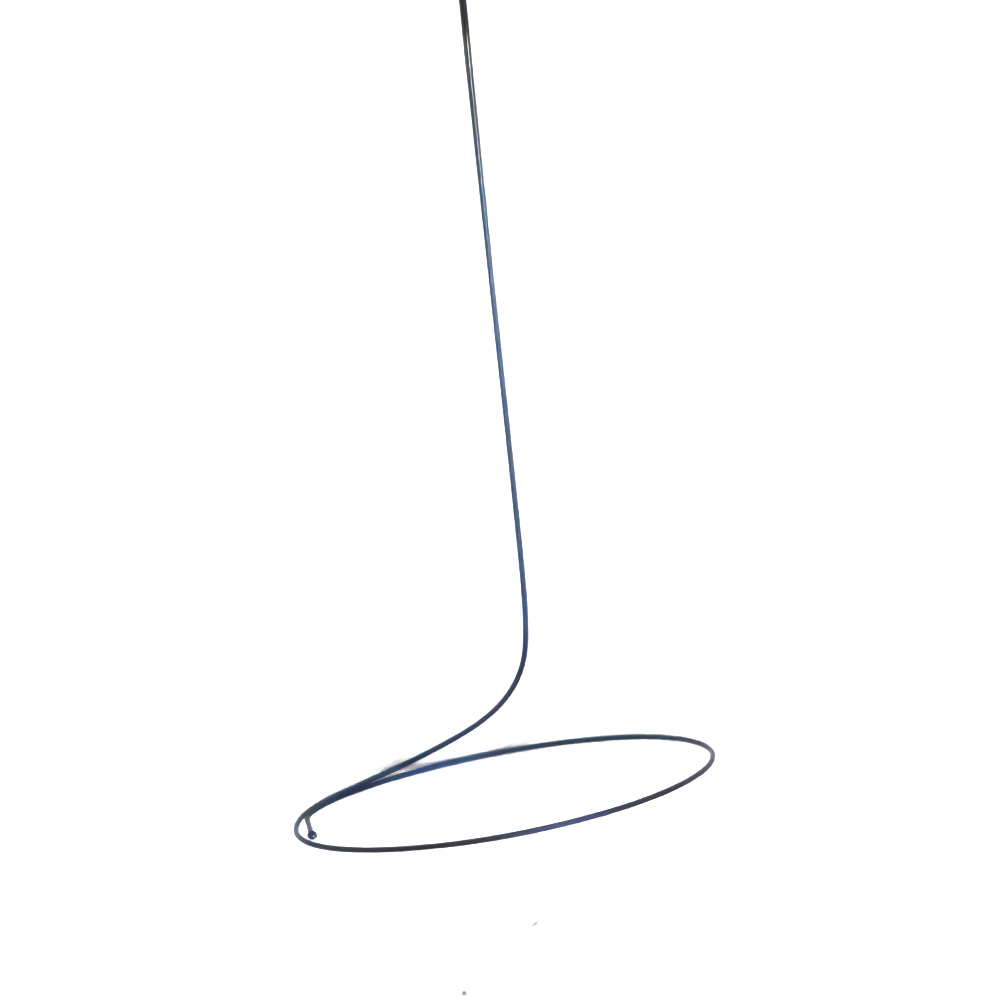
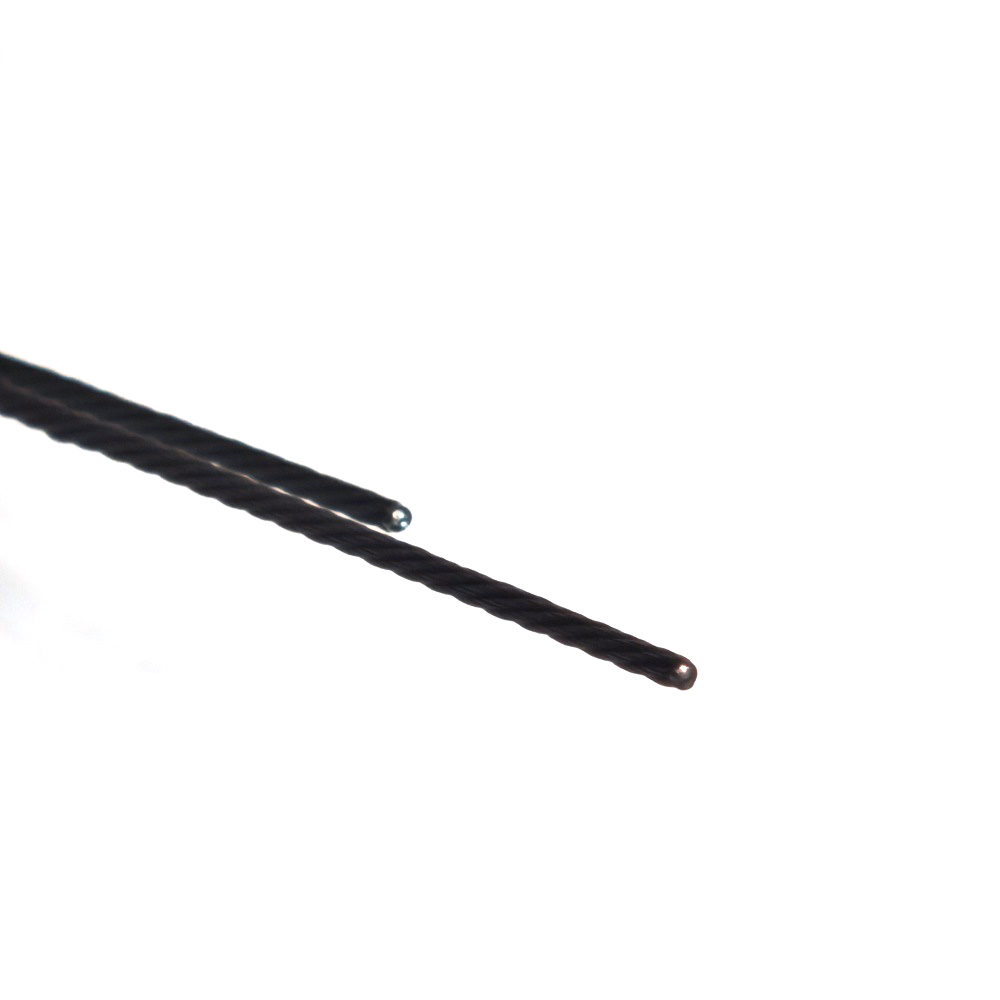
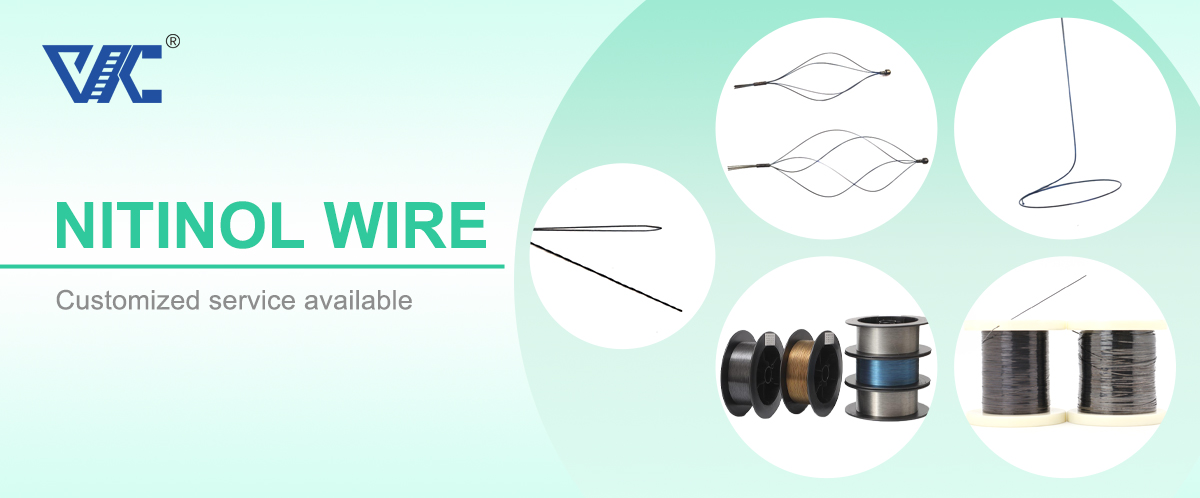
What is Nitinol Wire?
Nitinol memory wire, made from a nickel-titanium alloy, is widely used in the medical field, particularly for cardiac devices and minimally invasive procedures. This unique material is renowned for its shape memory effect and superelasticity, enabling it to perform in applications where flexibility, resilience, and precision are paramount.
In cardiac devices like stents, guidewires, and pacemakers, Nitinol wire provides outstanding performance by returning to its pre-deformed shape when heated, making it an essential material for devices that require both strength and adaptability. Additionally, Nitinol’s ability to endure deformation without permanent damage and its biocompatibility make it an ideal choice for use within the human body.
At Victory Supplier, we offer a range of Nitinol memory wire products tailored to meet the specific needs of medical professionals and device manufacturers. Whether you need a solution for cardiovascular stents, guidewires, or minimally invasive surgical tools, our Nitinol wire provides the flexibility, reliability, and performance required for high-quality medical devices.
Wire Shape | Titanium alloy round wire, flat wire, square wire, D-shaped wire, triangular wire, bidirectional drive wire |
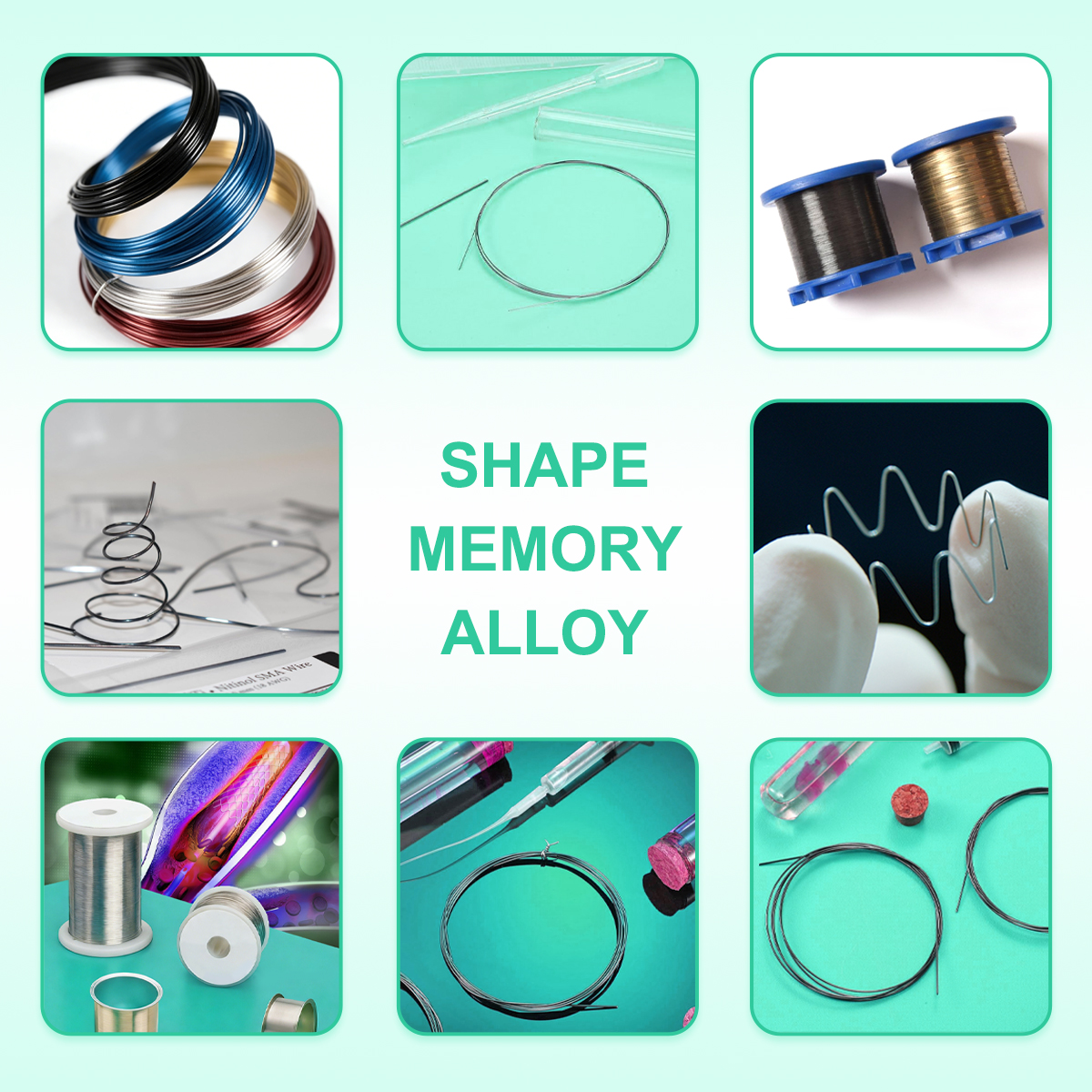
Wire Surface Condition | Black oxide state, light oxide state (from golden yellow to brown), clean state, bright state, polished state |
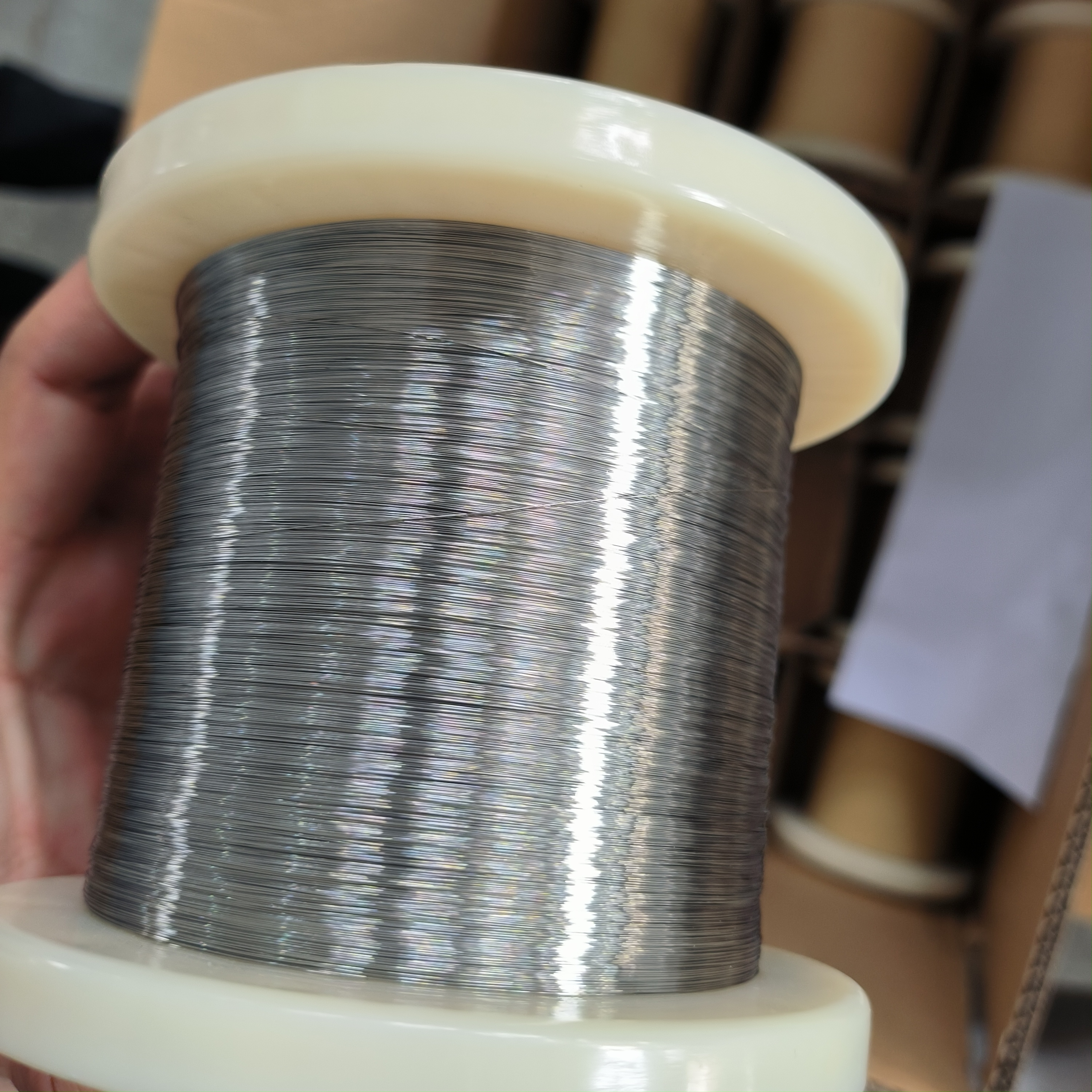
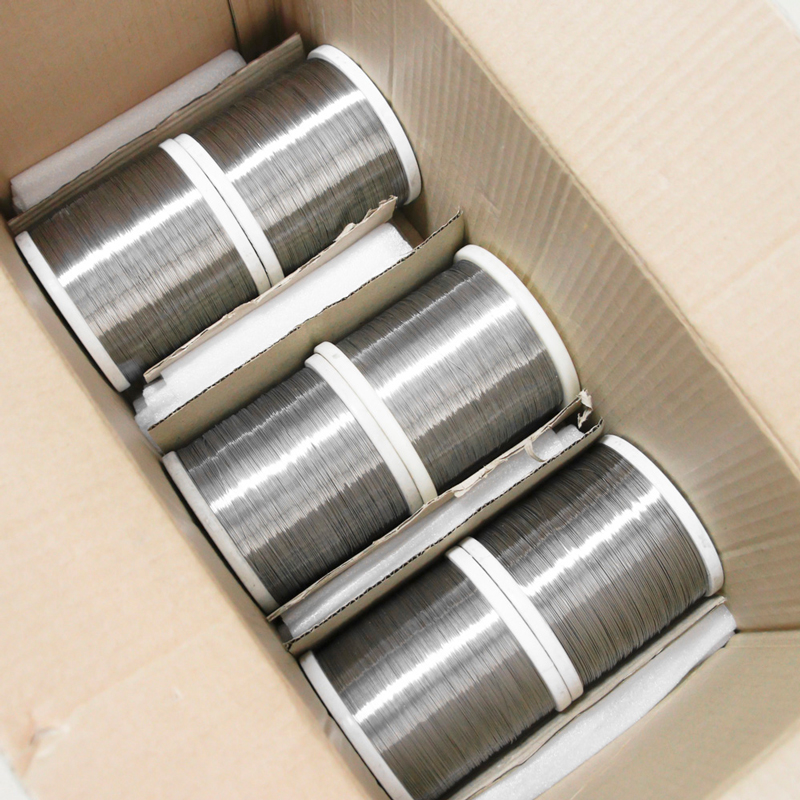
Wire Packaging | I-beam reels: To ensure that the nickel-titanium wire is evenly distributed on the packaging reel, without breakage or tangled threads Fixed length: Can be cut to fixed length according to customer requirements |
Features of Nitinol Alloy Wire
Shape Memory Effect
One of the defining features of Nitinol memory wire is its shape memory effect. When the wire is deformed and then exposed to a specific temperature, it returns to its original shape. This property is invaluable in cardiac applications such as stents, where the wire must expand to fit the shape of blood vessels and provide long-term support.Superelasticity
Nitinol’s superelasticity allows the wire to withstand significant deformation, such as stretching or bending, without losing its original form. This makes it ideal for applications that require flexibility, such as guidewires and pacemaker leads, which need to navigate delicate and complex anatomical paths.Biocompatibility
Nitinol wire is biocompatible, which means it can safely interact with human tissue without causing adverse reactions. This is especially important in cardiac devices and minimally invasive procedures, where the material is in direct contact with the body for extended periods.Corrosion Resistance
The natural resistance of Nitinol to corrosion ensures that the material can endure the harsh conditions of the human body or any other environment where moisture or body fluids may be present. This feature helps extend the lifespan of medical devices and reduces the need for frequent replacements.Fatigue Resistance
Nitinol wire is resistant to fatigue, meaning it can undergo multiple cycles of deformation without breaking or losing its functional properties. This makes it particularly well-suited for long-term applications in the body, such as in cardiovascular implants.
Wire Diameter and Tolerance
Wire Diameter (mm) | Tolerance (mm) | Wire Diameter (mm) | Tolerance (mm) | Wire Diameter (mm) | Tolerance (mm) |
4.000-2.000mm | ±0.025mm | 0.350-0.260mm | ±0.010mm | 0.080-0.050mm | ±0.005mm |
2.000-1.000mm | ±0.020mm | 0.260-0.150mm | ±0.007mm | 0.050-0.025mm | ±0.005mm |
1.000-0.350mm | ±0.010mm | 0.150-0.080mm | ±0.005mm | 0.025-0.018mm | ±0.003mm |
*Can be adjusted according to customer requirements
Advantages of Nitinol Alloy Wire
Optimized for Cardiac Applications
Nitinol memory wire is specifically designed for use in critical cardiac devices, offering both high strength and flexibility. Its unique properties allow it to expand and contract as needed, making it ideal for stents, heart valves, and pacemaker leads.Enhanced Navigation in Complex Anatomies
The superelasticity and flexibility of Nitinol wire make it an ideal material for guidewires used in minimally invasive surgeries. It can navigate complex anatomical structures without breaking or losing shape, improving both the safety and efficacy of procedures like catheterizations.Long-Term Durability
Thanks to its resistance to corrosion and fatigue, Nitinol memory wire ensures long-term durability in medical devices, reducing the need for replacements and minimizing patient discomfort. This results in both cost savings and improved patient outcomes.Custom Solutions for Specific Needs
At Victory Supplier, we offer custom Nitinol memory wire solutions to meet the specific requirements of your cardiac devices. We can tailor wire length, diameter, alloy composition, and even surface treatments to ensure your device meets the highest performance standards.Reduced Risk of Complications
Nitinol wire’s biocompatibility and corrosion resistance help reduce the risk of inflammation and adverse reactions when used in medical devices. This makes it an ideal choice for stents, pacemaker leads, and other implantable devices that are in direct contact with human tissue.
Mechanical Properties of Nitinol Alloy Wire
| Straightening Hyperelastic State | |||||
| Maximum Force (N) | Tensive Strength (MPa) | Elongation (%) | Upper Plateau Stress (MPa) | Residual Strain (WT%) | Actual Operating Temperature (af) |
| Diameter Depends | ≥1000(1350) | ≥10(15) | ≥400(460) | <0.555.96 | (10±10) |
| Diameter Depends | ≥1000(1350) | ≥10(15) | ≥400(460) | <0.556.1 | (-30±10) |
| Diameter Depends | ≥1000(1350) | ≥10(15) | ≥400(460) | <0.550.0 | (60±10) |
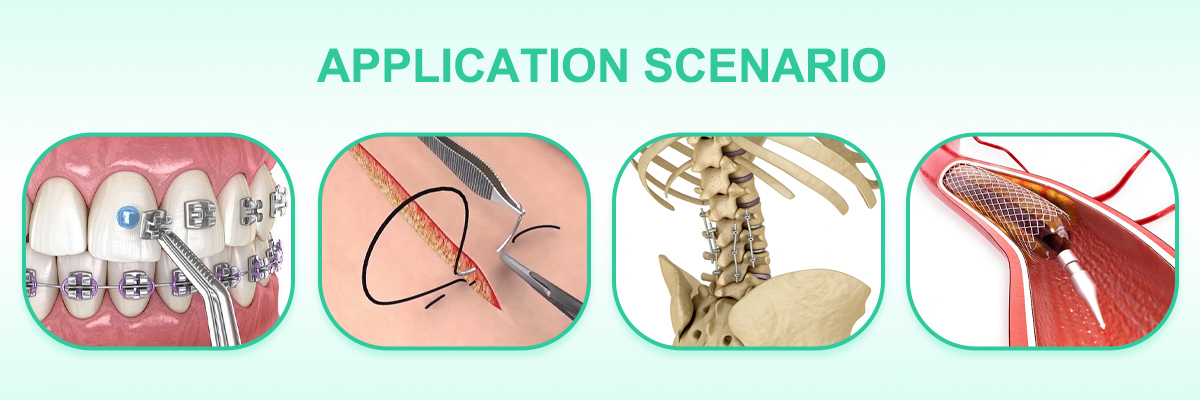
Typical medical applications include: guidewires, braided frameworks, stone retrieval baskets, snares, root canal files, intrauterine devices, sutures, and mandrels.
Applications of Nitinol Alloy Wire
Cardiac Devices
Nitinol memory wire plays a vital role in several types of cardiac devices, thanks to its flexibility, durability, and biocompatibility. Key applications include:Stents: Nitinol’s shape memory effect allows stents to expand and conform to the shape of blood vessels once deployed, providing lasting support in cardiovascular procedures.
Guidewires: Nitinol guidewires are widely used in coronary angioplasty and other catheter-based procedures, providing the necessary flexibility and strength to navigate through complex vascular structures.
Pacemaker Leads: Nitinol wire is used in pacemaker leads for its ability to bend and flex while maintaining its strength, ensuring reliable electrical conduction and reduced risk of wire breakage.
Heart Valve Devices: Nitinol wire is often used in heart valve prostheses and repair devices, where its shape memory helps ensure proper positioning and performance over time.
Minimally Invasive Procedures
Nitinol wire is also critical in various minimally invasive surgical applications. Its unique properties make it ideal for use in delicate procedures that require precision and flexibility:Catheters: Nitinol wire is used in catheter-based procedures, where it provides both flexibility for navigation and strength for structural support.
Surgical Instruments: Tools such as forceps, clamps, and retractors often incorporate Nitinol wire, offering enhanced performance, flexibility, and resistance to wear and tear.
Balloon Angioplasty: Nitinol wire is sometimes used in balloon angioplasty devices to expand blockages in blood vessels, ensuring the balloon maintains its shape and performance during the procedure.
Implants and Orthopedic Devices
Nitinol memory wire is used in orthopedic implants, particularly in spinal fixation devices, bone anchors, and other devices that require shape memory and fatigue resistance. Its ability to adapt to the body's shape and maintain strength over time makes it invaluable in bone healing applications.
ABOUT US
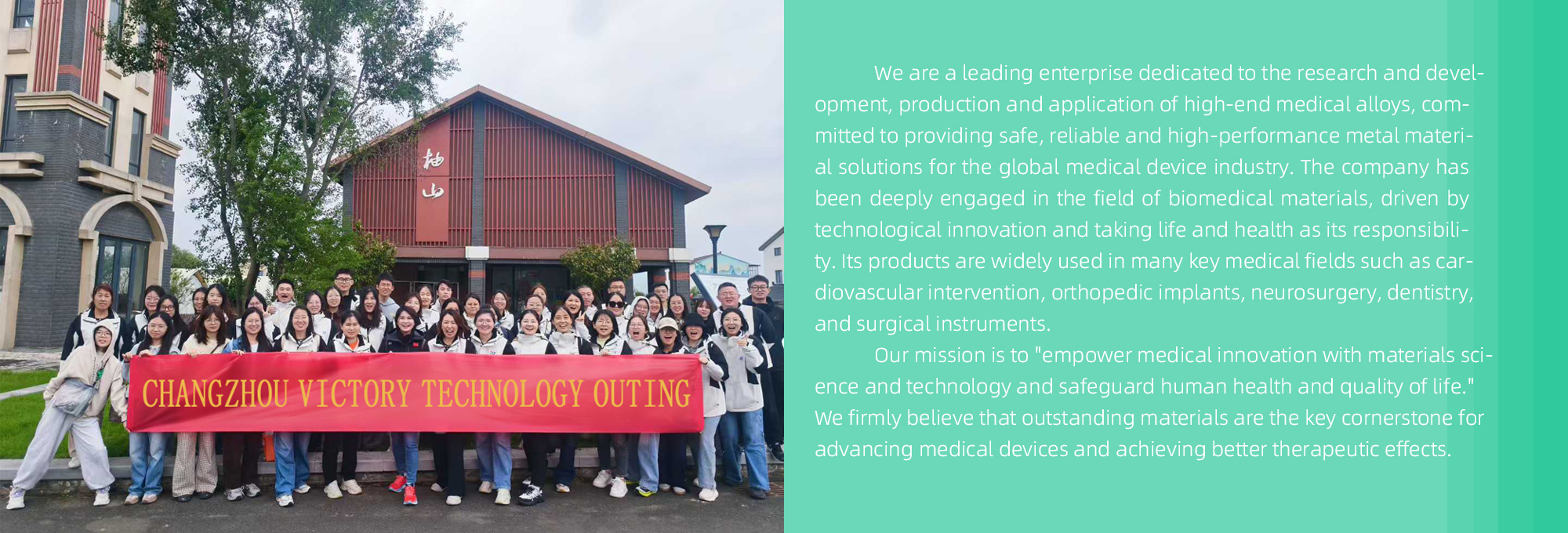
Victory Alloy Co., Ltd. is a professional manufacturer specializing in medical alloy materials, with a dedicated focus on the research, development and production of high-performance biomedical alloys.
Our primary product range includes medical-grade titanium alloys, Nitinol (nickel-titanium alloy), cobalt-chromium (CoCr) alloys, platinum-iridium (Pt-Ir) alloys, and medical stainless steel. These high-quality alloys are widely applied in a broad spectrum of medical fields, such as cardiovascular stents, orthopedic implants, interventional guidewires, dental implants, surgical instruments, and disposable medical auxiliary devices. Boasting outstanding biocompatibility, strong corrosion resistance and excellent mechanical properties, our products have won consistent praise from customers across the board.
Client Visits
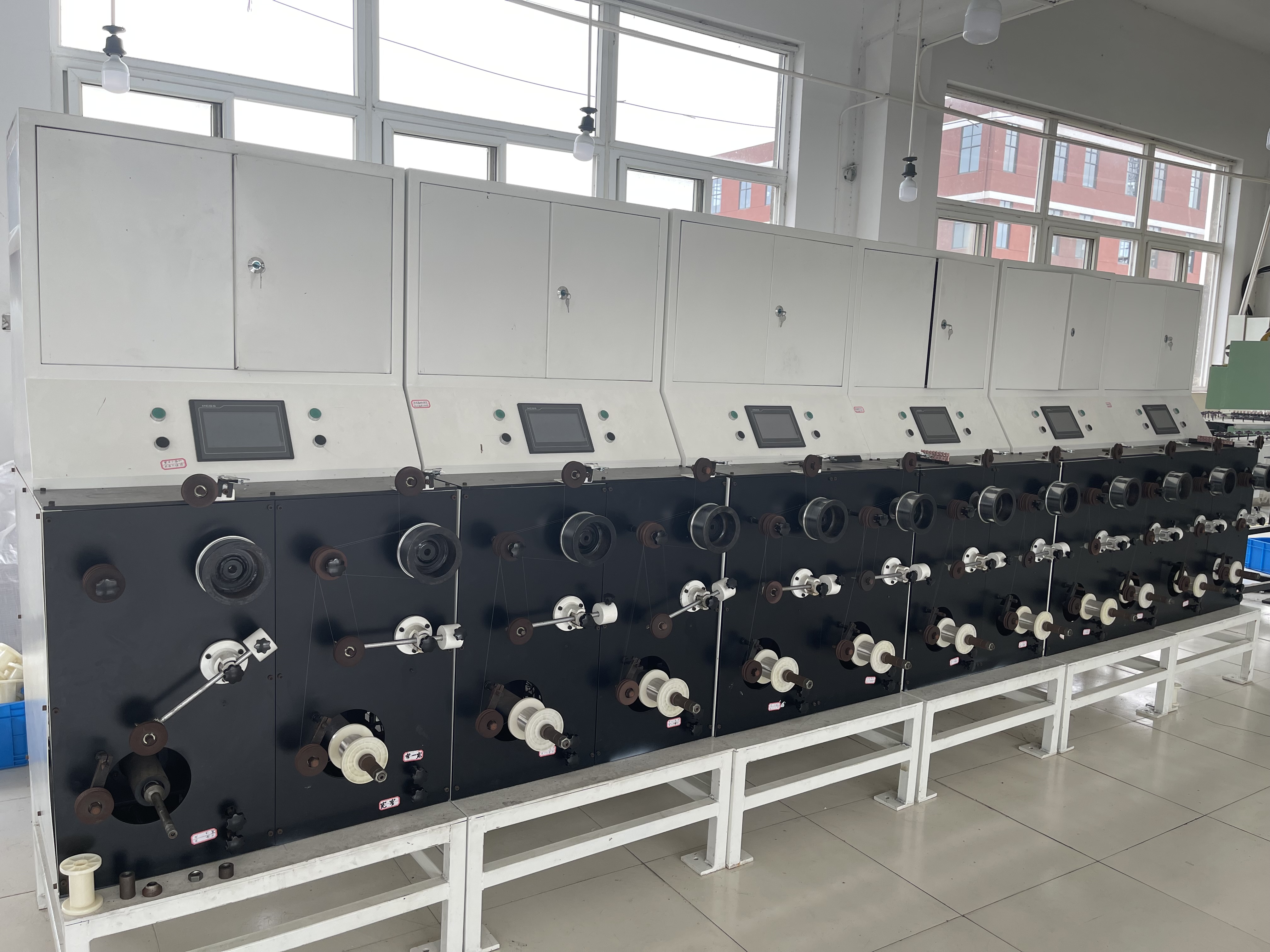
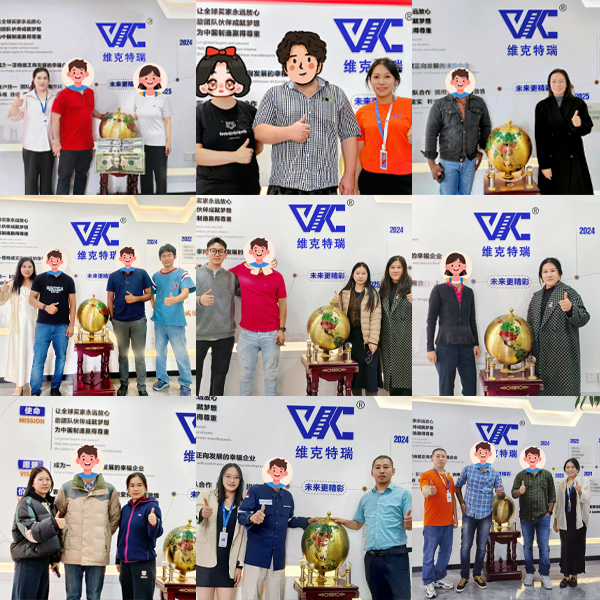
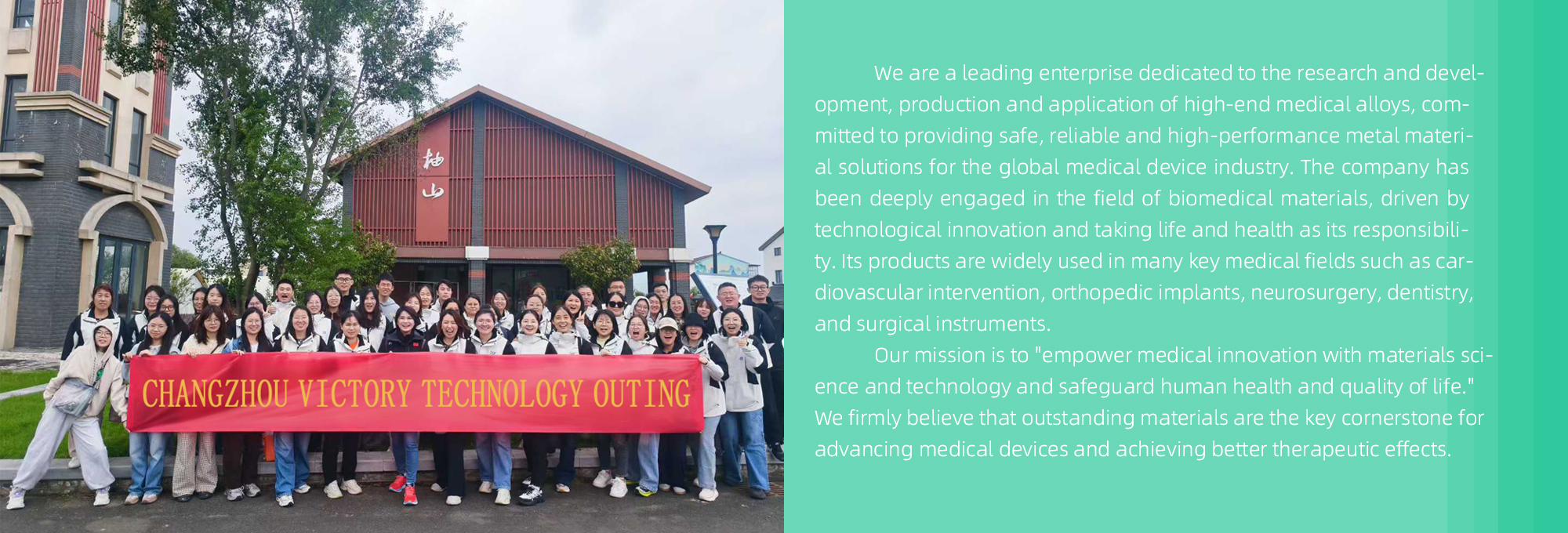
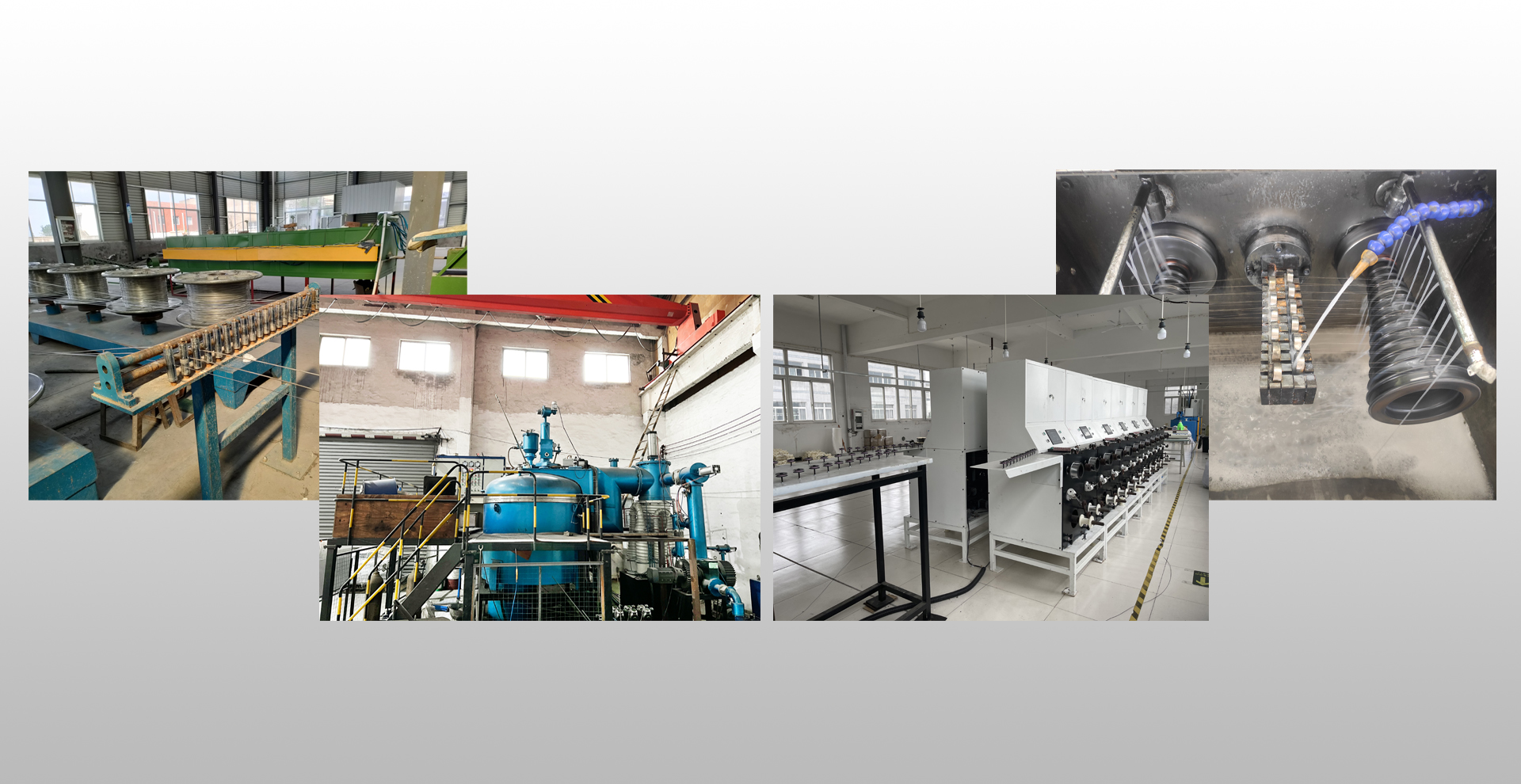
We welcome client visits to showcase our manufacturing and testing processes. Clients can explore our facility, discuss specific needs, and learn about our quality control methods. Our team ensures a personalized experience to meet your exact requirements for medical applications.
 Our Factory
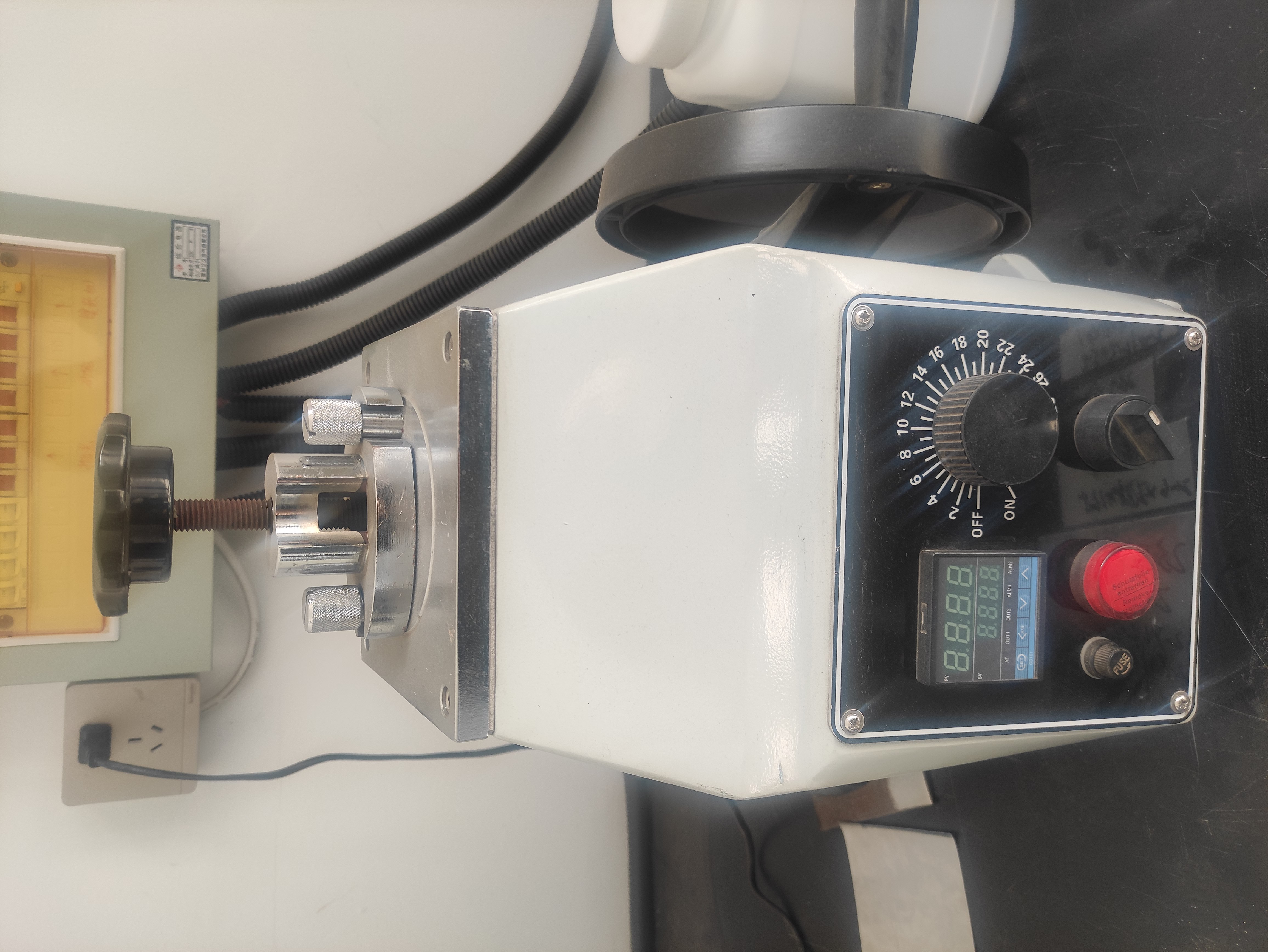
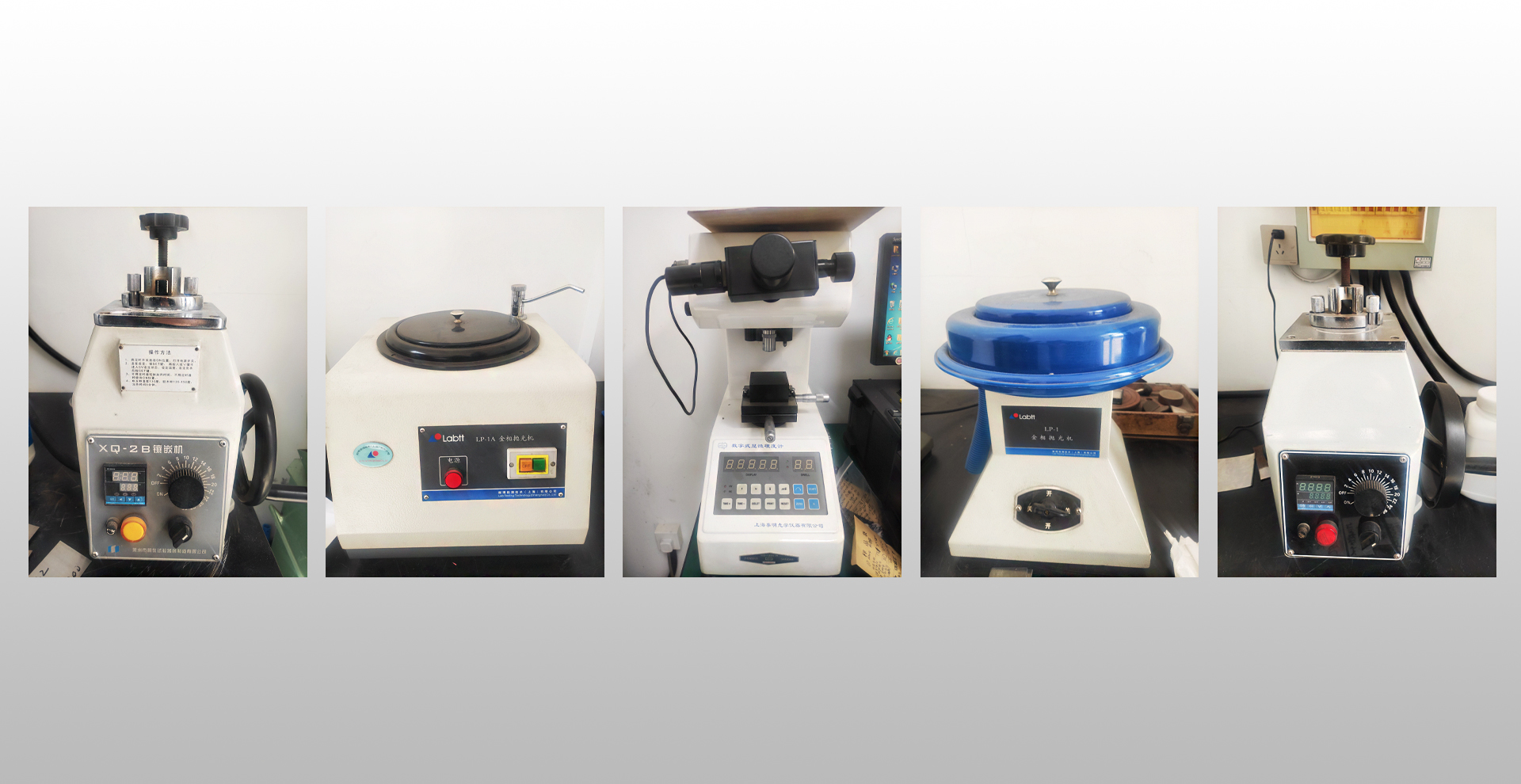
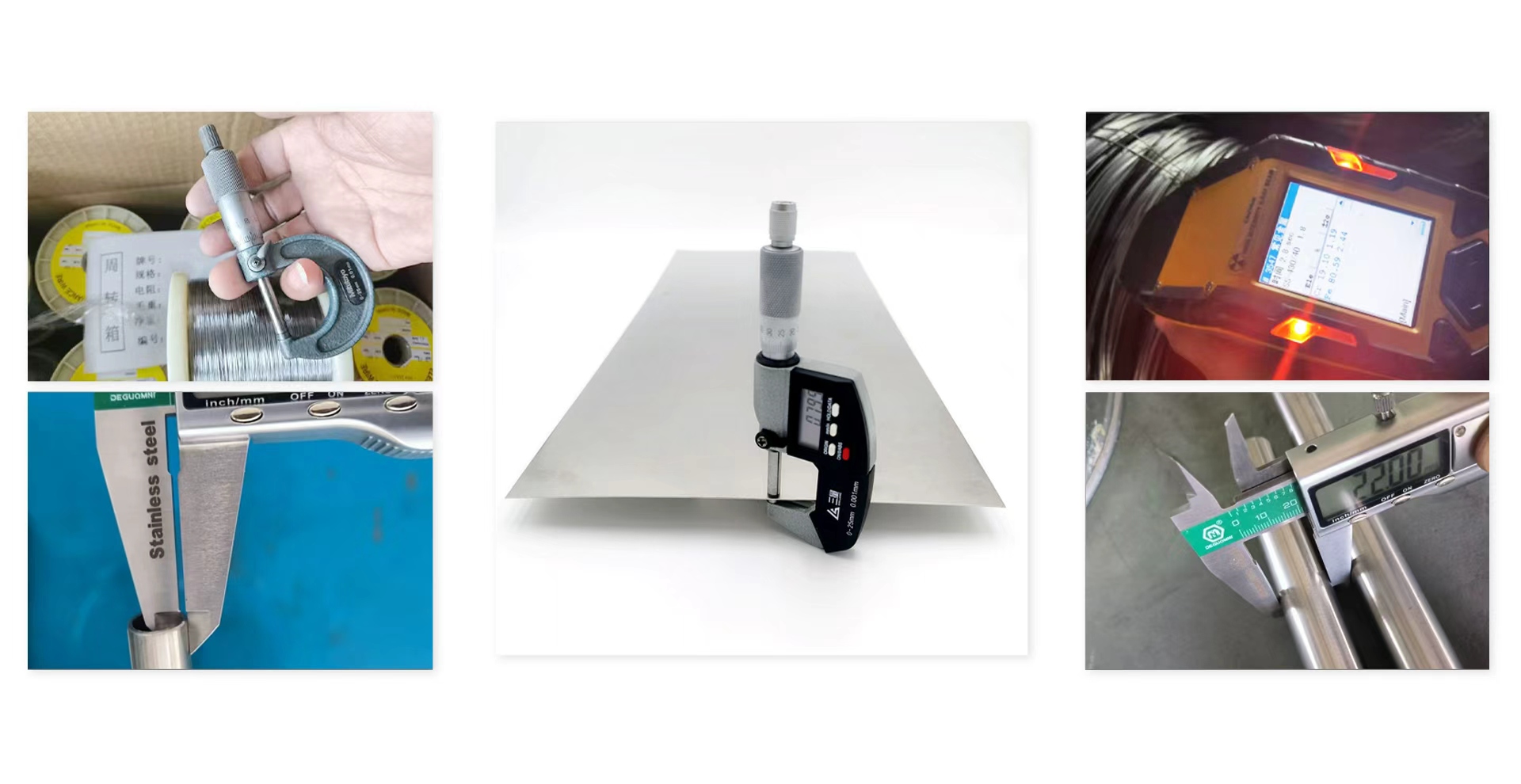
Quality Testing of the Product
Our product undergoes strict testing for tensile strength, corrosion resistance, and biocompatibility to ensure reliable performance in joint implants. We use advanced methods to verify its safety and durability, and all products meet international medical standards for consistent, long-term use in the body.
FAQ
Who is your company?
We are a leading supplier of high-quality Nitinol alloy wire, specializing in providing durable, biocompatible materials for orthopedic joint replacements and other medical applications.How can I contact your company?
Phone: +86 132 1868 0935
Whatsapp: +86 13218680935
Email: victory@dlx-alloy.com
What is Nitinol memory wire?
Nitinol memory wire is a type of nickel-titanium alloy known for its shape memory and superelasticity. It can return to its original form after deformation when exposed to specific temperatures, making it ideal for applications like stents, guidewires, and other medical devices.How is Nitinol used in cardiac devices?
Nitinol is used in cardiac devices such as stents, pacemaker leads, and guidewires because of its unique properties, which allow for flexibility, strength, and durability. Nitinol’s shape memory helps stents expand to fit the body, and its superelasticity allows guidewires to navigate complex vascular pathways.Is Nitinol wire safe for use in the human body?
Yes, Nitinol wire is biocompatible, which means it is safe for use in medical devices that come into contact with human tissue. It has been used in many implantable devices without causing adverse reactions.Can I get customized Nitinol wire?
Yes, at Victory Supplier, we offer fully customizable Nitinol memory wire to meet the specific requirements of your cardiac device or medical procedure. We can adjust wire size, alloy composition, and surface treatment to suit your needs.How can I purchase Nitinol memory wire from Victory Supplier?
You can contact us directly via our website or email to discuss your project requirements. Our team will assist you in selecting the right Nitinol wire solution and provide competitive pricing and delivery options.