
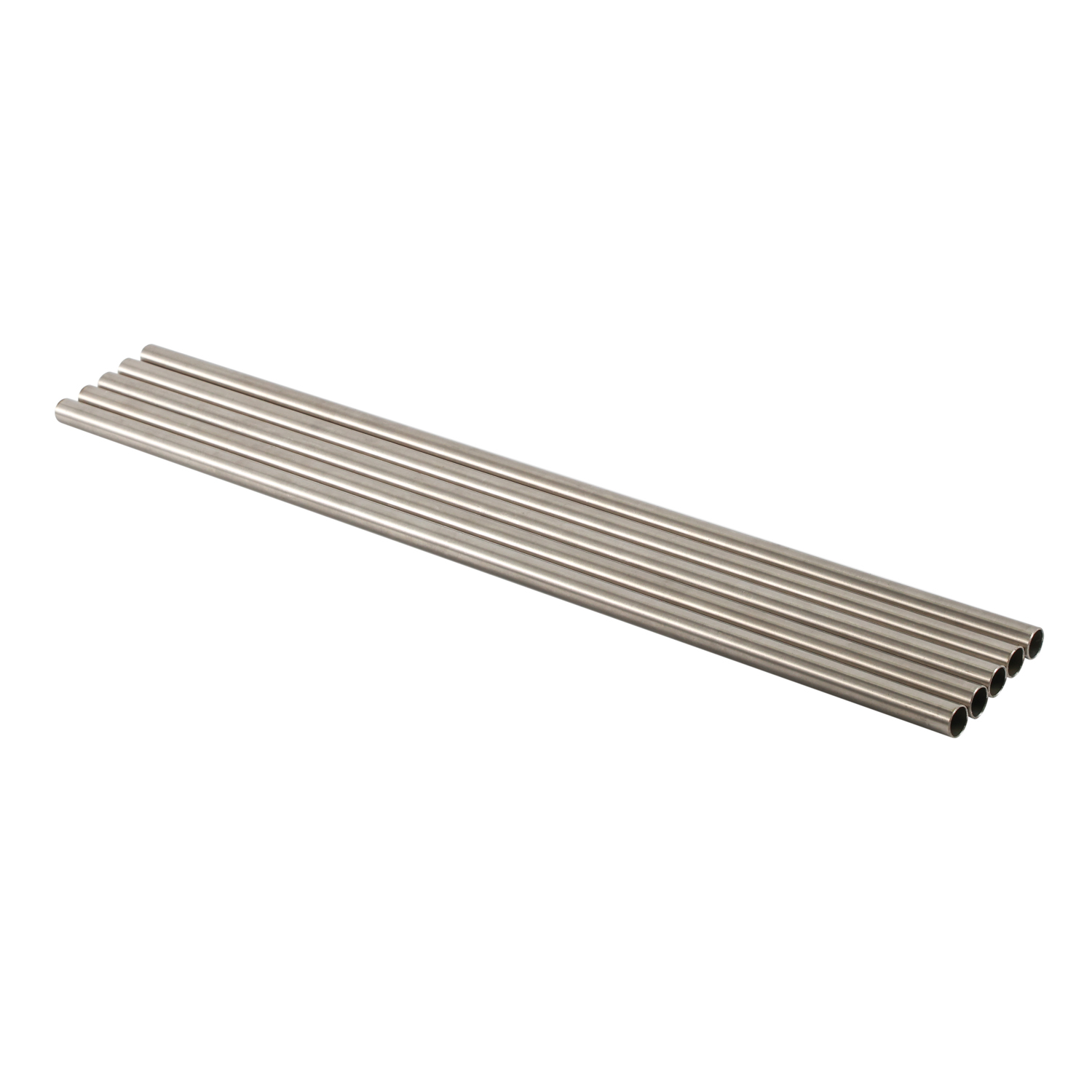
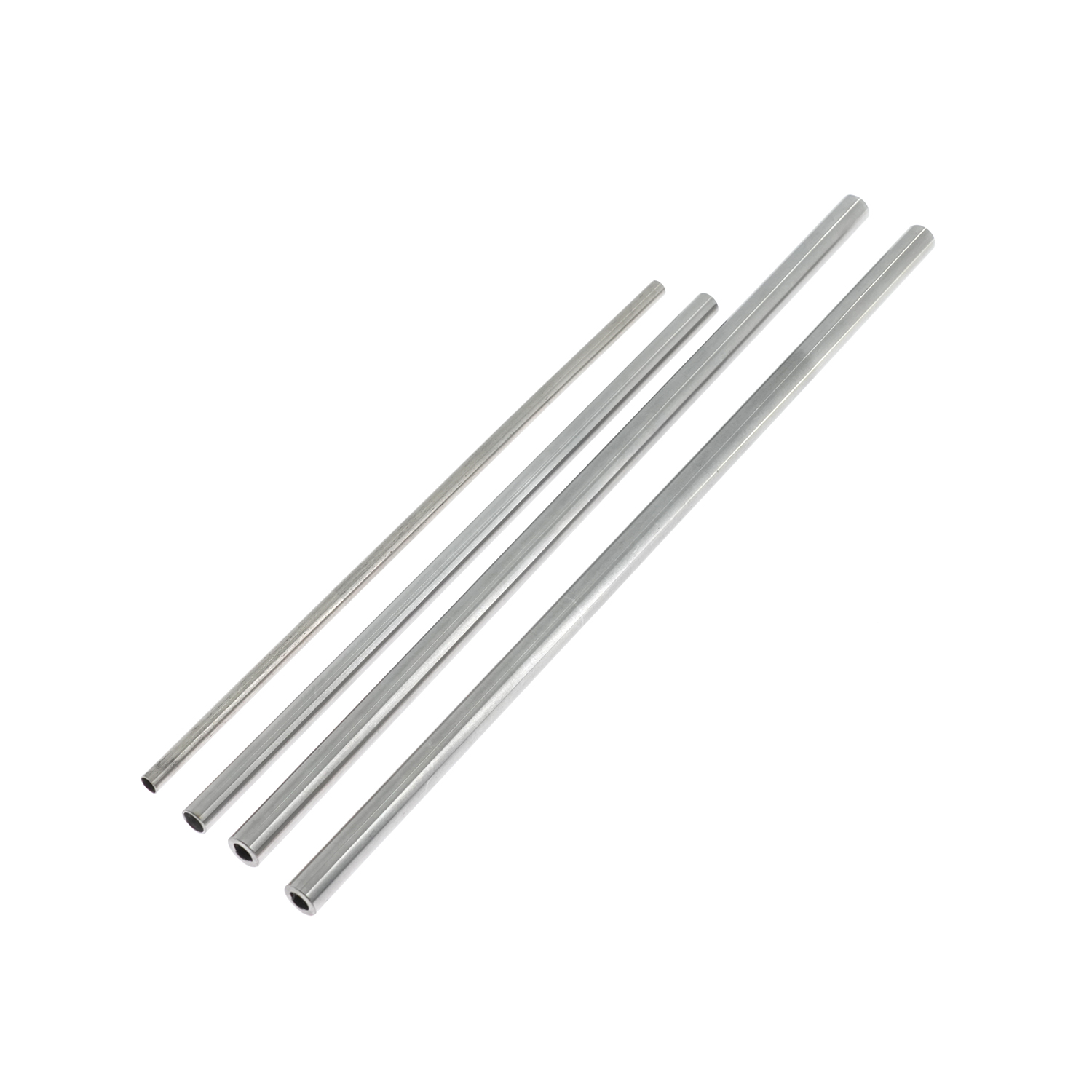
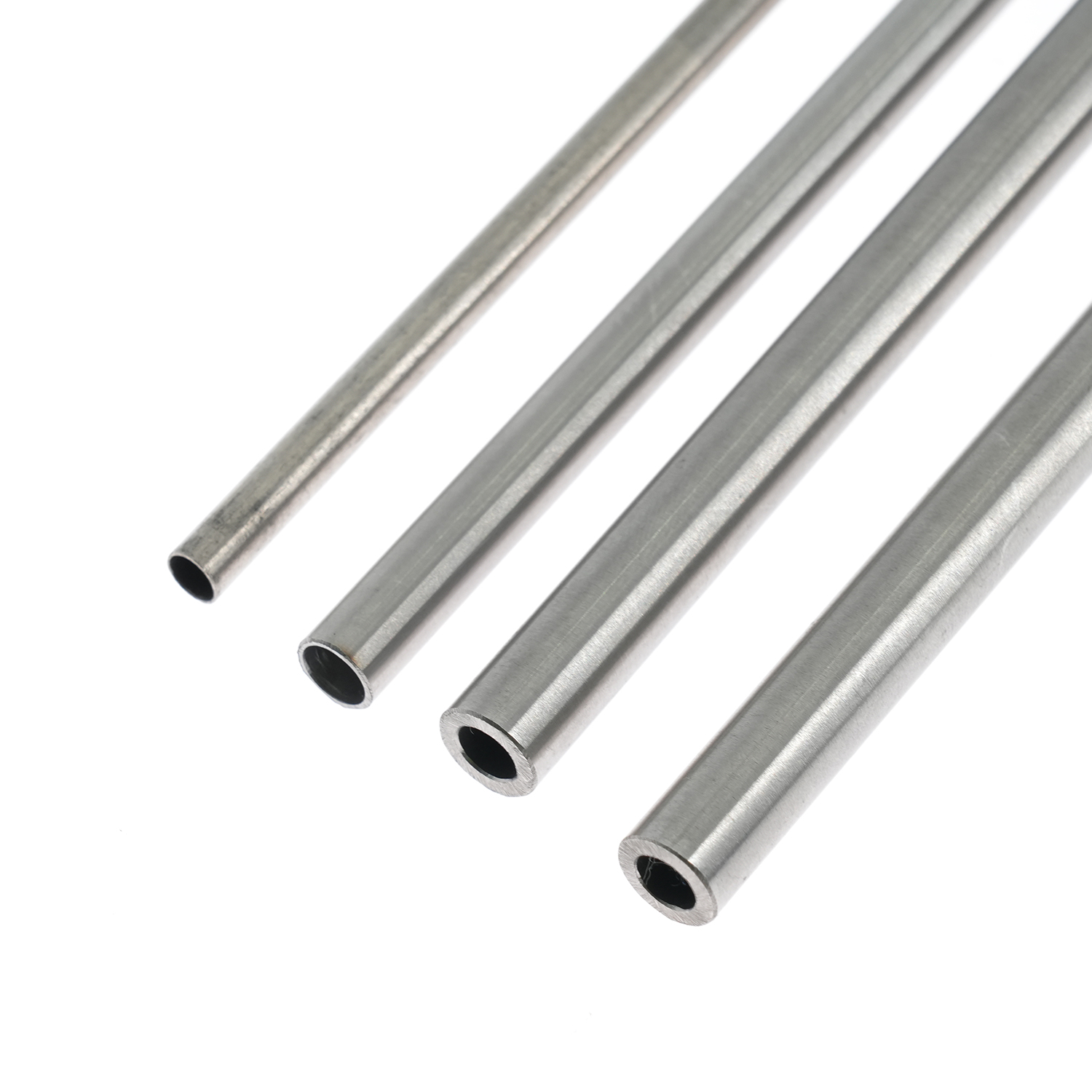
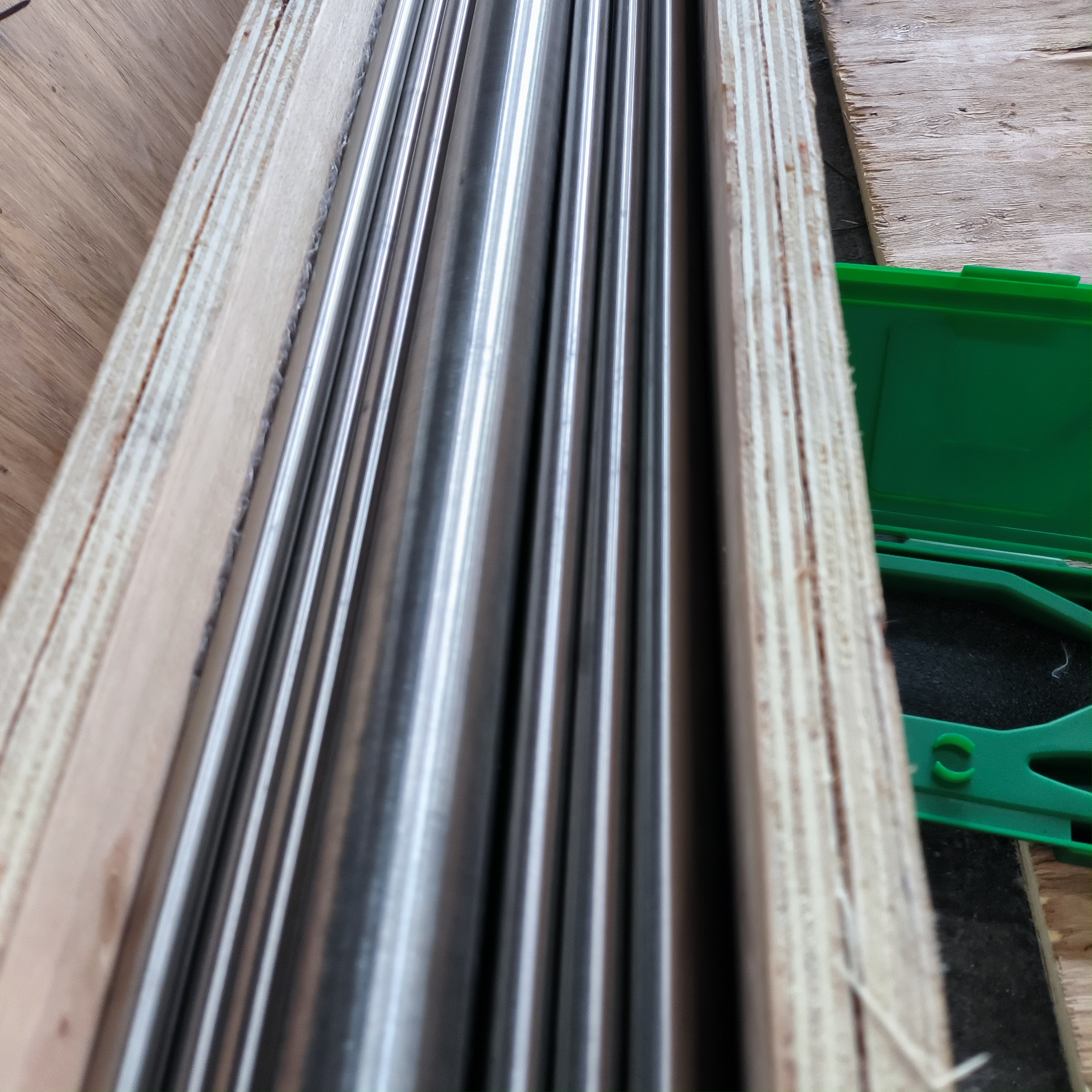
What is Nitinol Tube?
In modern cardiovascular interventions, minimally invasive procedures are crucial for treating heart conditions without large incisions or prolonged recovery times. A key component in these procedures is the microcatheter, used to deliver devices like stents into narrow and blocked arteries. The use of Nitinol tubing for microcatheters has significantly advanced the performance, safety, and precision of these life-saving interventions.
This article examines how Nitinol’s unique properties—shape memory, superelasticity, and biocompatibility—are transforming the way cardiovascular stent implantation procedures are conducted, improving patient outcomes and optimizing the surgical process.
Tubing Actual Performance Af Temperature | For finished tubes with an outer diameter of 0.25-9.0mm, after cutting a section of the tube, the actual recovery temperature can be tested using the bending recovery method specified in ASTM F2082/F2082M-16. |
| Surface Condition | Outer Surface: Oxidized state, ground state Inner Surface: Clean state |
| Tubing Length | Length can be precisely specified or arbitrarily specified; for arbitrary lengths, the maximum and minimum lengths can be negotiated with sales or technical personnel. |
| Straightness | The requirements and test methods for straightness can be agreed upon with sales or technical personnel. |
| Internal and External Surface Defects | The requirements for surface defects can be agreed upon with sales or technical personnel. |
| Typical Applications | Medical: Hypo tubes, camera tubes, stents, baskets, catheters |
Features of Nitinol Tube
Shape Memory Effect
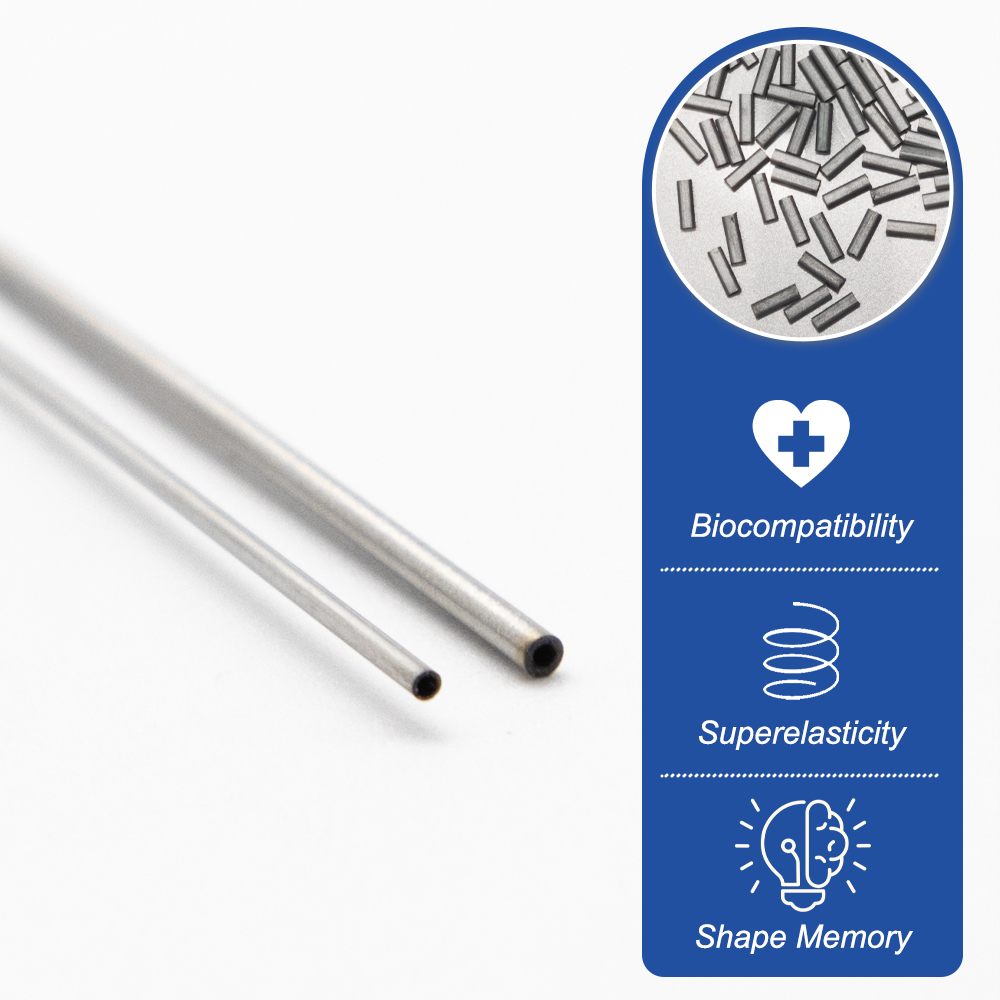
Nitinol’s shape memory effect allows it to "remember" its original shape and return to it when exposed to body temperature. This property is critical for microcatheters used in stent implantation, where the device must expand or contract as it moves through the body, ensuring that stents are accurately placed once deployed.Superelasticity
One of the standout features of Nitinol tubing is its superelasticity, which enables the material to endure significant stress or deformation and return to its original form. This is particularly important in microcatheters, as they need to navigate tortuous and narrow blood vessels without breaking or losing functionality.Corrosion Resistance
Corrosion resistance is another vital property of Nitinol. Given that microcatheters are used within the human body, particularly in the vascular system, the ability of Nitinol to resist corrosion ensures long-term durability and reliability, even under prolonged exposure to blood and bodily fluids.Biocompatibility
Biocompatibility ensures that Nitinol is safe for use in the human body without causing adverse reactions or inflammation. This makes Nitinol tubing a perfect material for medical applications, particularly those involving implantable devices like stents and vascular access devices.
Pipe specifications
| Tubing Inner Diameter (mm) | Wall Thickness (mm) | Tolerance Range (mm) | Length (mm) |
| 9-4 | 4-0.5 | ±0.035 | 500 |
| 4-2 | 0.5-0.2 | ±0.030 | 500 |
| 2-1 | 0.3-0.15 | ±0.020 | Above 1000 |
| 1-0.5 | 0.2-0.1 | ±0.010 | 1000-2000 |
| 0.5-0.25 | 0.1-0.05 | ±0.005 | 1000-2000 |
*Can be adjusted according to customer requirements
Advantages of Nitinol Tube
Improved Precision and Control
Nitinol tubing enhances the precision and control during the stent implantation process. Microcatheters made from Nitinol can be manipulated with great accuracy, allowing cardiovascular specialists to guide the stent precisely to the site of the blockage. This precision is essential for successful outcomes in delicate heart procedures.Enhanced Flexibility for Complex Anatomy
The superelasticity and flexibility of Nitinol tubing make it ideal for navigating through challenging and complex vascular anatomy. Unlike traditional materials, Nitinol tubing bends and flexes without risk of kinking or damage, making it easier for surgeons to maneuver microcatheters through tight or curved arteries, reducing procedure time and improving safety.Minimally Invasive Procedures
With Nitinol tubing, microcatheters can be used in minimally invasive surgeries. The ability to access the site of the blockage via small incisions, combined with Nitinol's flexibility, results in less tissue damage, faster healing times, and a reduced risk of post-surgical complications.Long-Term Durability
Nitinol tubing is not only flexible but also highly durable, making it suitable for long-term implantation. As a result, microcatheters made from Nitinol provide the necessary durability to navigate blood vessels and perform stent deployments effectively, even during lengthy procedures.Faster Recovery and Less Trauma
The minimal invasiveness of Nitinol-based microcatheters reduces the trauma to surrounding tissues, resulting in a quicker recovery time for patients. The precision and flexibility of Nitinol reduce the likelihood of complications such as artery rupture, and patients often experience fewer side effects after the procedure.
Applications of Nitinol Tube
Stent Delivery Systems
Nitinol tubing is essential for stent delivery systems. The tubing’s ability to return to a predefined shape at body temperature allows for controlled deployment of the stent, ensuring that it opens to the proper size once in place, thereby restoring blood flow in blocked arteries.Guidewires for Navigating Vessels
In conjunction with microcatheters, Nitinol guidewires provide excellent flexibility and strength, allowing for precise navigation through the vascular system. Their superelasticity ensures that they can be maneuvered around tight curves and bypass obstructions, guiding the microcatheter to the correct location.Balloon Angioplasty Catheters
Balloon catheters, which are used in angioplasty procedures, benefit from Nitinol’s durability and flexibility. The microcatheter can be precisely guided through blocked arteries to the treatment site, where it will expand the balloon to restore blood flow, all while maintaining minimal invasiveness.Vascular Access Devices
Nitinol tubing is commonly used in vascular access devices that are needed to gain access to blood vessels for various diagnostic and therapeutic procedures. The flexibility and shape memory ensure that these devices are effective in accessing even the most challenging veins and arteries.
ABOUT US
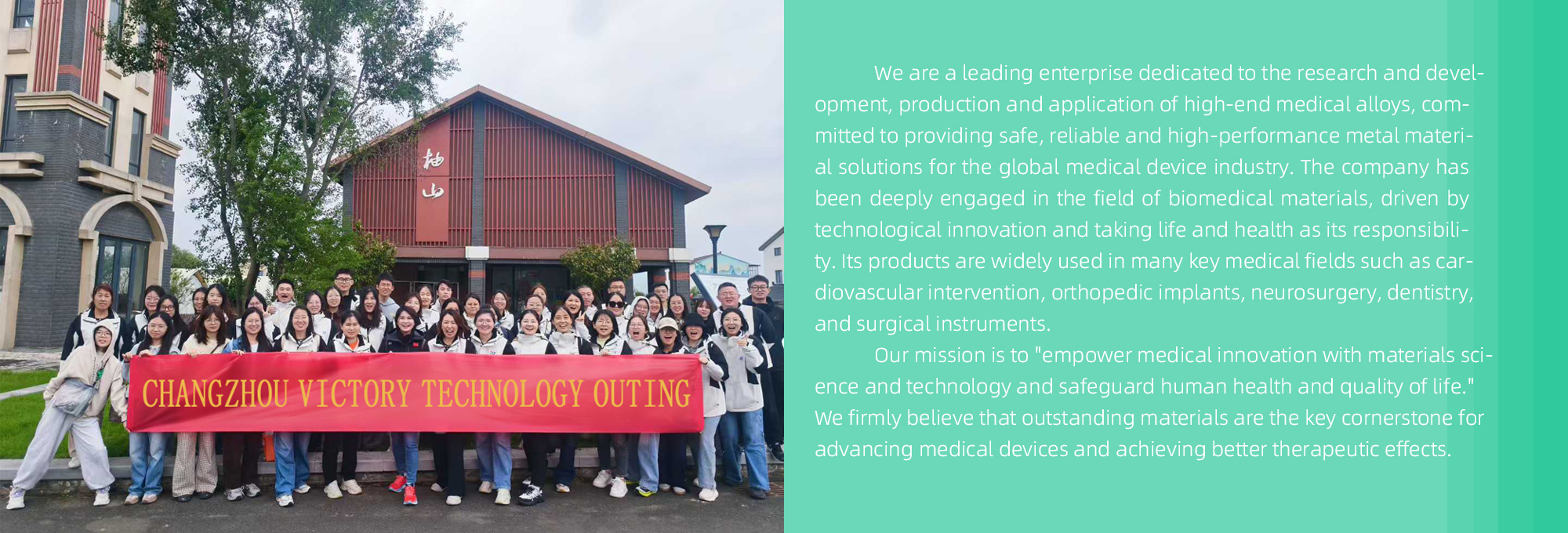
Victory Alloy Co., Ltd. is a professional manufacturer specializing in medical alloy materials, with a dedicated focus on the research, development and production of high-performance biomedical alloys.
Our primary product range includes medical-grade titanium alloys, Nitinol (nickel-titanium alloy), cobalt-chromium (CoCr) alloys, platinum-iridium (Pt-Ir) alloys, and medical stainless steel. These high-quality alloys are widely applied in a broad spectrum of medical fields, such as cardiovascular stents, orthopedic implants, interventional guidewires, dental implants, surgical instruments, and disposable medical auxiliary devices. Boasting outstanding biocompatibility, strong corrosion resistance and excellent mechanical properties, our products have won consistent praise from customers across the board.
Client Visits
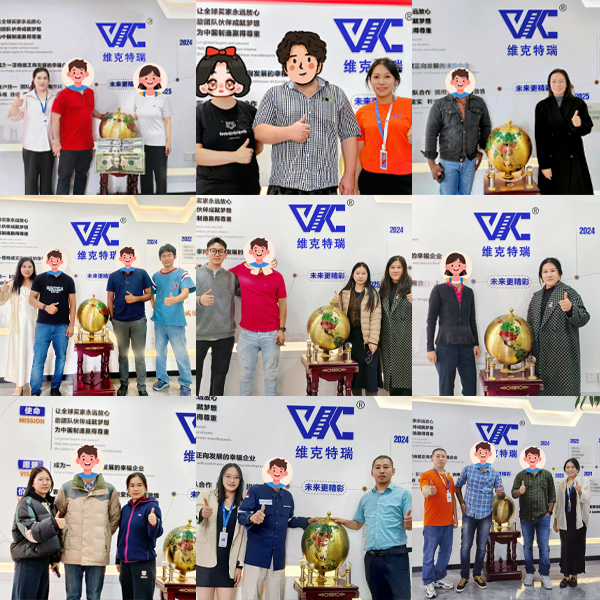
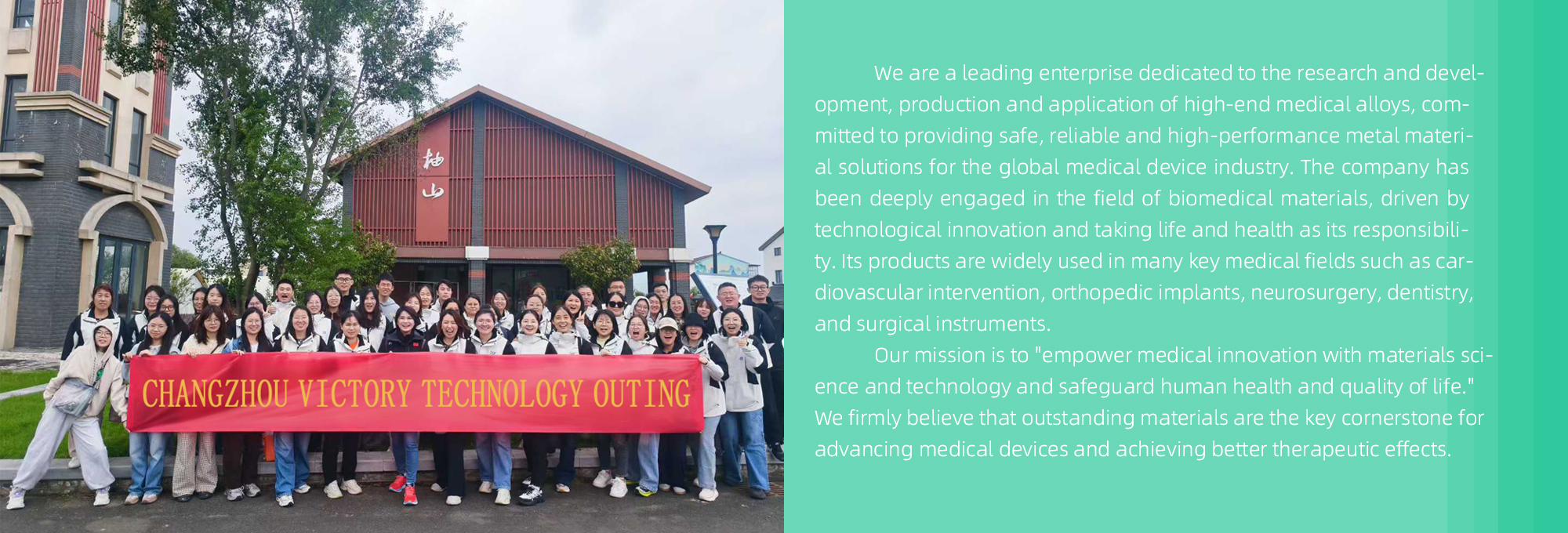
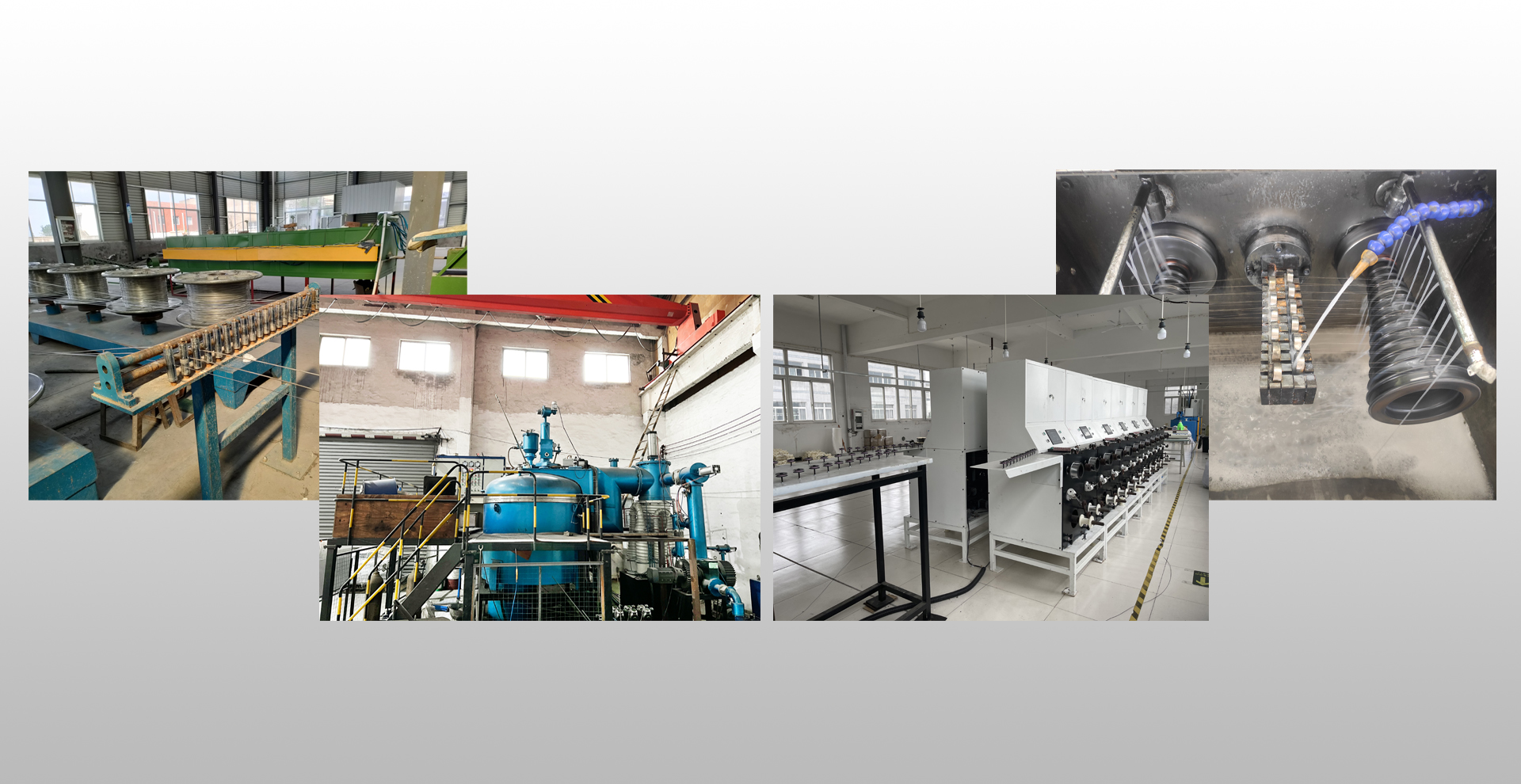
We welcome client visits to showcase our manufacturing and testing processes. Clients can explore our facility, discuss specific needs, and learn about our quality control methods. Our team ensures a personalized experience to meet your exact requirements for medical applications.
 Our Factory
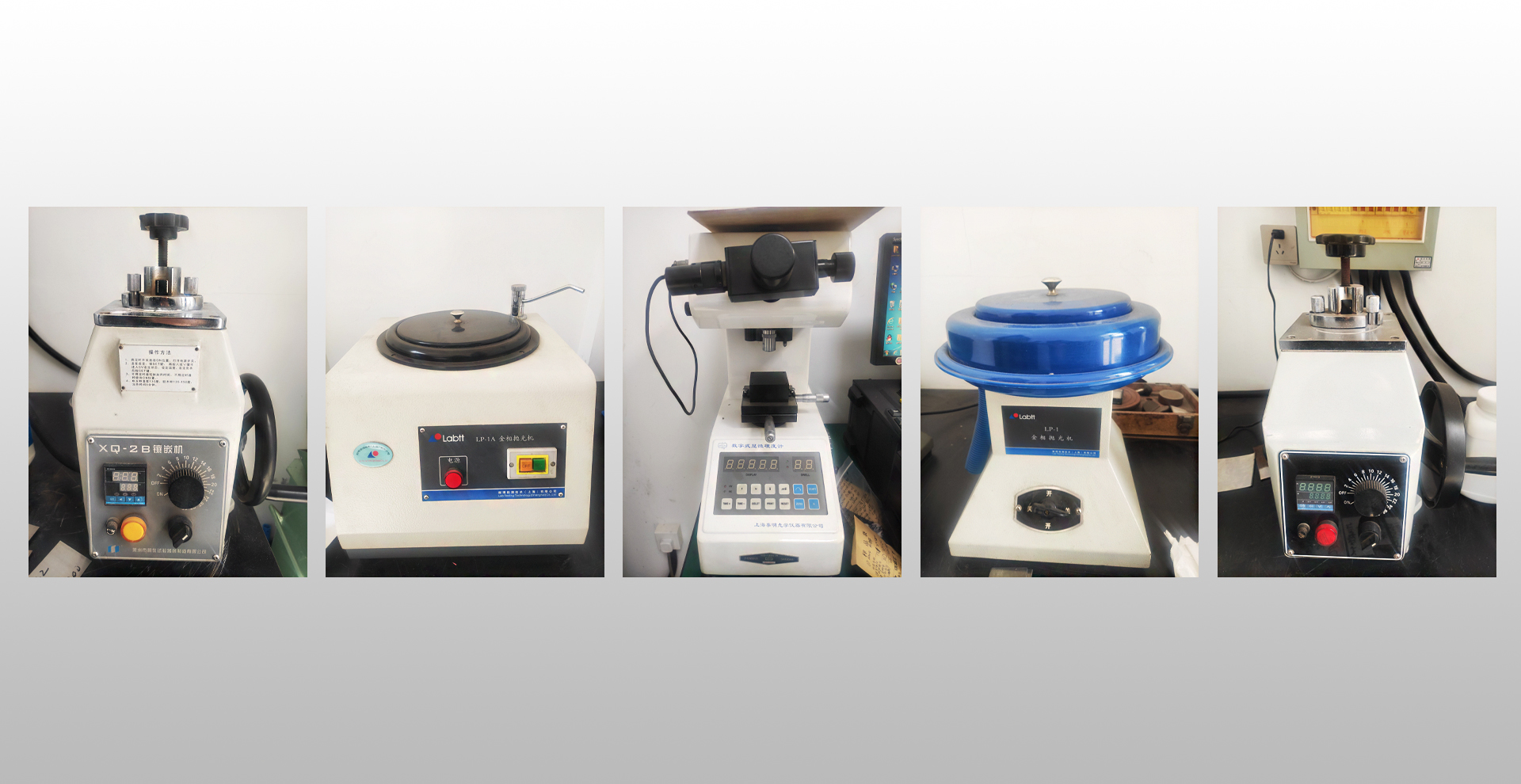
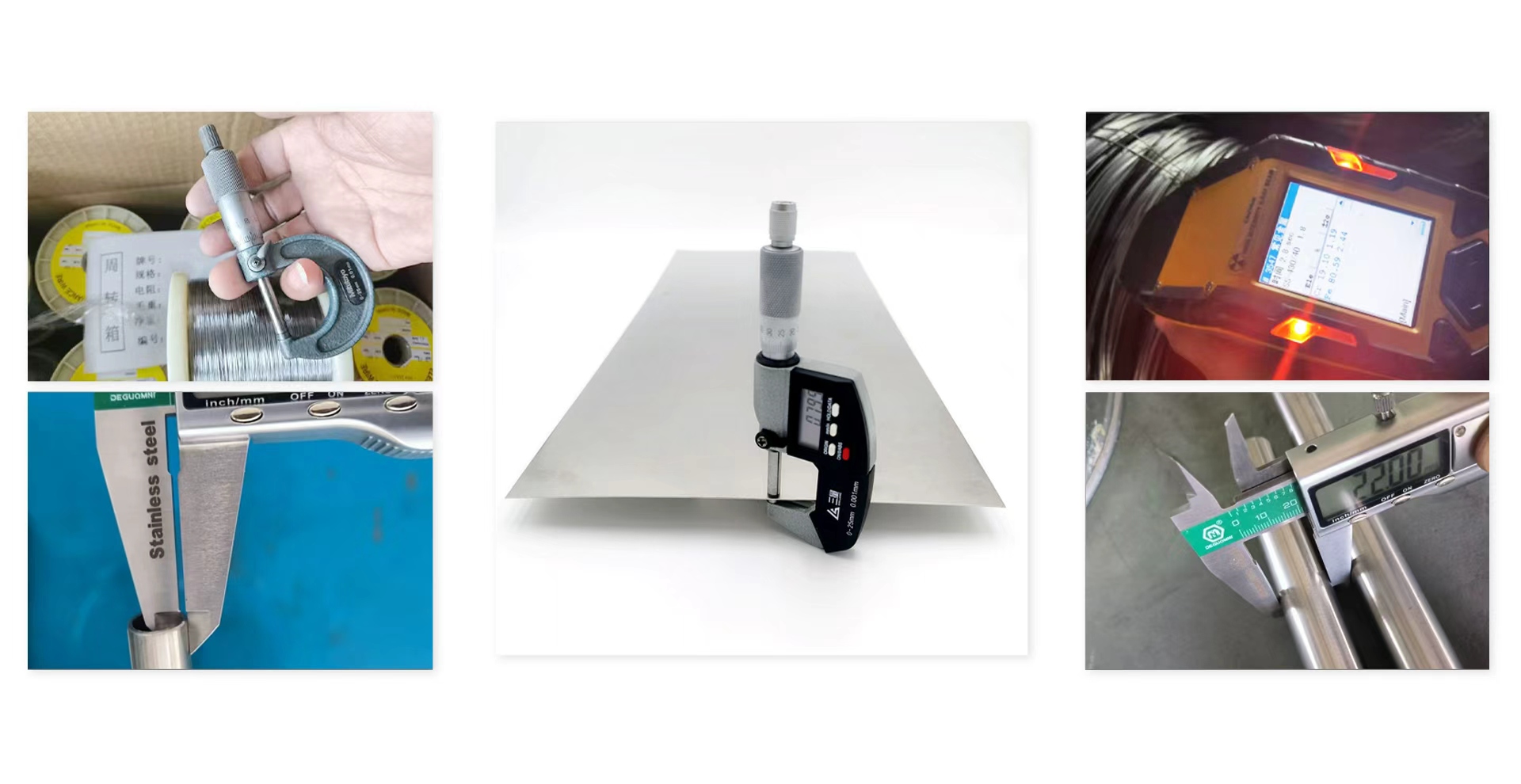
Quality Testing of the Product
Our product undergoes strict testing for tensile strength, corrosion resistance, and biocompatibility to ensure reliable performance in joint implants. We use advanced methods to verify its safety and durability, and all products meet international medical standards for consistent, long-term use in the body.
FAQ
Who is your company?
We are a leading supplier of high-quality Nitinol alloy wire, specializing in providing durable, biocompatible materials for orthopedic joint replacements and other medical applications.How can I contact your company?
Phone: +86 132 1868 0935
Whatsapp: +86 13218680935
Email: victory@dlx-alloy.com
Why is Nitinol tubing used in microcatheters for cardiovascular procedures?
Nitinol tubing is used in microcatheters because of its shape memory effect and superelasticity, which allow precise navigation through blood vessels and controlled deployment of devices like stents during cardiovascular procedures.What are the advantages of Nitinol's superelasticity in microcatheters?
Nitinol’s superelasticity enables microcatheters to bend and flex without breaking, allowing them to move smoothly through complex vascular pathways. This flexibility improves maneuverability, reducing the risk of damage to blood vessels during stent implantation.Is Nitinol tubing safe for long-term use in the body?
Yes, Nitinol is biocompatible and highly resistant to corrosion, making it ideal for long-term vascular interventions. It does not cause adverse reactions or inflammation, ensuring its safety in cardiovascular devices that may remain in the body for extended periods.Can Nitinol tubing be customized for specific cardiovascular procedures?
Yes, Nitinol tubing can be customized in terms of diameter, length, and flexibility to meet the specific needs of cardiovascular procedures, including stent delivery systems and guidewires.How does Nitinol improve the success of stent implantation procedures?
Nitinol tubing offers precision, flexibility, and controlled deployment, which improve the accuracy of stent placement in narrow arteries. Its shape memory effect ensures the stent is deployed precisely at body temperature, reducing the risk of complications and improving procedural outcomes.