
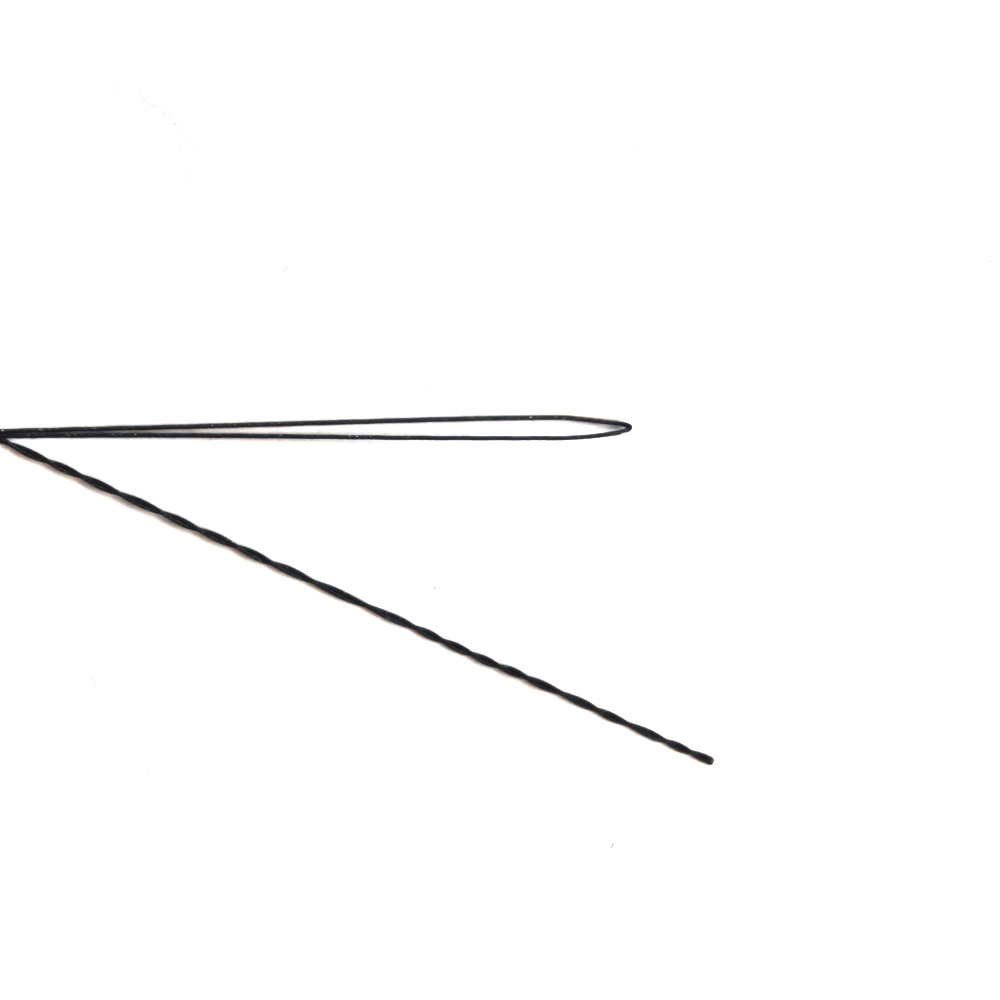
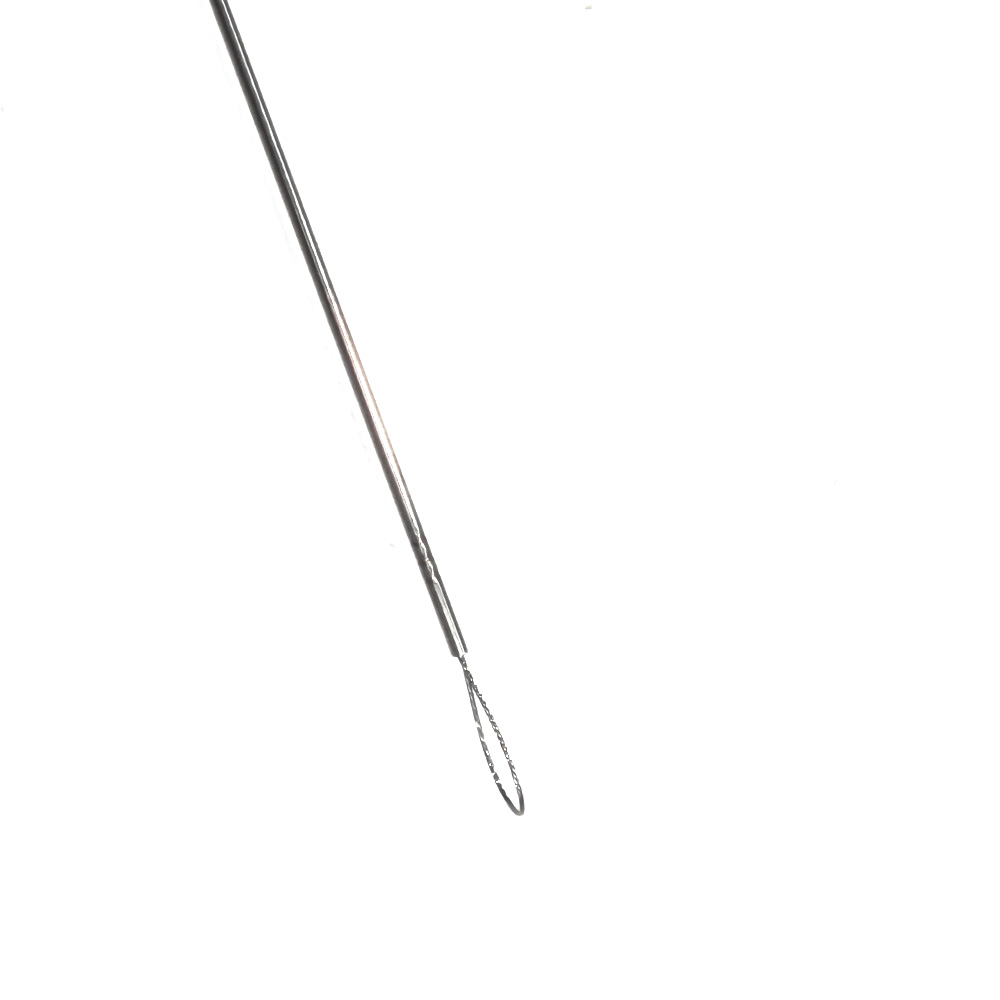
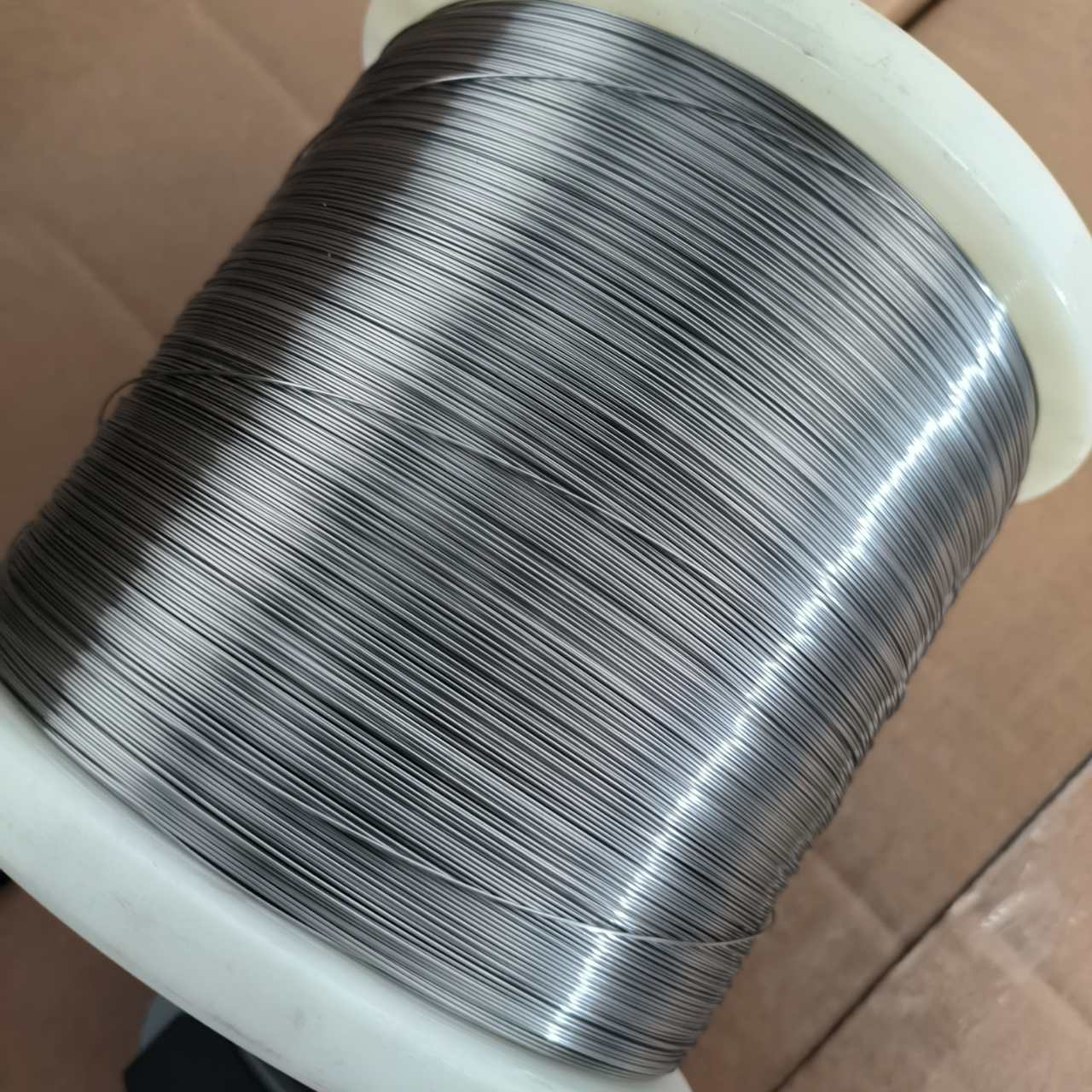
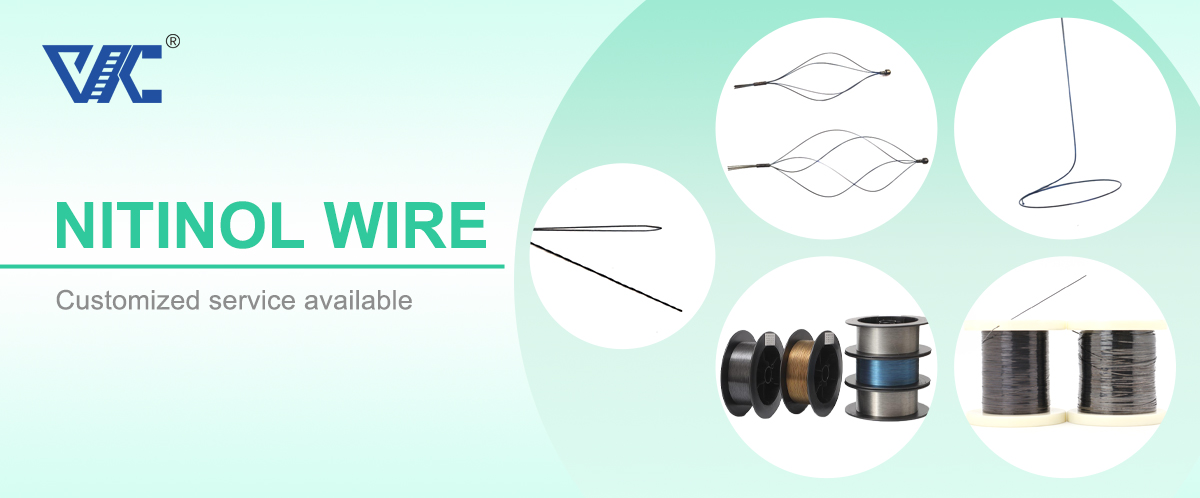
What is Nitinol Wire?
Biocompatible Nitinol wire has become a game-changer in the field of medical devices, especially for dental implants and orthopedic implants. This shape memory alloy, composed of nickel and titanium, is known for its unique properties—shape memory, superelasticity, and high biocompatibility. These characteristics make it ideal for use in implants that need to adapt to the body's natural movements while ensuring secure fixation and long-term durability.
Nitinol wire's ability to "remember" its original shape after deformation, along with its superelastic properties, allows it to provide a highly flexible yet stable solution for both dental and orthopedic applications. Moreover, its excellent biocompatibility ensures that the material can be safely used in the human body for extended periods without causing adverse reactions.
Wire Shape | Titanium alloy round wire, flat wire, square wire, D-shaped wire, triangular wire, bidirectional drive wire |
Wire Surface Condition | Black oxide state, light oxide state (from golden yellow to brown), clean state, bright state, polished state |
Wire Packaging | I-beam reels: To ensure that the nickel-titanium wire is evenly distributed on the packaging reel, without breakage or tangled threads Fixed length: Can be cut to fixed length according to customer requirements |
Features of Nitinol Alloy Wire
Superelasticity
Thanks to its superelastic properties, Nitinol wire can bend and stretch significantly without permanent deformation. This is crucial for orthopedic devices that need to endure mechanical stress and dental devices that require comfortable, adjustable fittings.High Biocompatibility
One of the most significant advantages of Nitinol wire is its high biocompatibility. It integrates well with the human body, reducing the risk of immune responses or tissue irritation, which is essential for the success of implants in both dental and orthopedic applications.Corrosion Resistance
Nitinol is highly resistant to corrosion, which is vital for implants that remain inside the body for extended periods. The material’s corrosion resistance ensures the longevity of the device and maintains its mechanical properties over time.Fatigue Resistance
Nitinol wire’s fatigue resistance allows it to perform under repetitive stresses without failing. This feature is essential for both orthopedic implants and dental devices, ensuring long-lasting results even with constant movement or pressure.Strength and Durability
Nitinol’s unique combination of strength and flexibility provides durability and long-term reliability in both dental implants and orthopedic implants, reducing the risk of implant failure and enhancing patient outcomes.
Wire Diameter and Tolerance
Wire Diameter (mm) | Tolerance (mm) | Wire Diameter (mm) | Tolerance (mm) | Wire Diameter (mm) | Tolerance (mm) |
4.000-2.000mm | ±0.025mm | 0.350-0.260mm | ±0.010mm | 0.080-0.050mm | ±0.005mm |
2.000-1.000mm | ±0.020mm | 0.260-0.150mm | ±0.007mm | 0.050-0.025mm | ±0.005mm |
1.000-0.350mm | ±0.010mm | 0.150-0.080mm | ±0.005mm | 0.025-0.018mm | ±0.003mm |
*Can be adjusted according to customer requirements
Advantages of Nitinol Alloy Wire
Improved Patient Comfort
Nitinol wire's ability to adapt to the body’s natural movements makes it more comfortable for patients. In dental applications, it allows for more comfortable braces and retainers, while in orthopedic applications, it offers a more flexible and comfortable bone fixation solution.Reduced Risk of Complications
Thanks to its biocompatibility, Nitinol wire significantly reduces the risk of infections, irritation, or other complications that can arise from using non-biocompatible materials. This leads to safer, more effective medical devices.Long-Term Durability
With its corrosion resistance and fatigue resistance, Nitinol wire ensures that the implants remain intact for long periods without degrading, offering long-term reliability and reducing the need for replacements.Minimally Invasive Surgery
The flexibility of Nitinol wire allows for minimally invasive surgeries. Smaller incisions are required, and the wire can be inserted with minimal trauma to the surrounding tissue, leading to quicker recovery and less pain for the patient.Superior Strength-to-Weight Ratio
Nitinol wire is lightweight yet strong, making it ideal for both dental implants and orthopedic implants, where minimizing the weight of the device while maintaining strength is crucial for comfort and effectiveness.
Mechanical Properties of Nitinol Alloy Wire
| Straightening Hyperelastic State | |||||
| Maximum Force (N) | Tensive Strength (MPa) | Elongation (%) | Upper Plateau Stress (MPa) | Residual Strain (WT%) | Actual Operating Temperature (af) |
| Diameter Depends | ≥1000(1350) | ≥10(15) | ≥400(460) | <0.555.96 | (10±10) |
| Diameter Depends | ≥1000(1350) | ≥10(15) | ≥400(460) | <0.556.1 | (-30±10) |
| Diameter Depends | ≥1000(1350) | ≥10(15) | ≥400(460) | <0.550.0 | (60±10) |
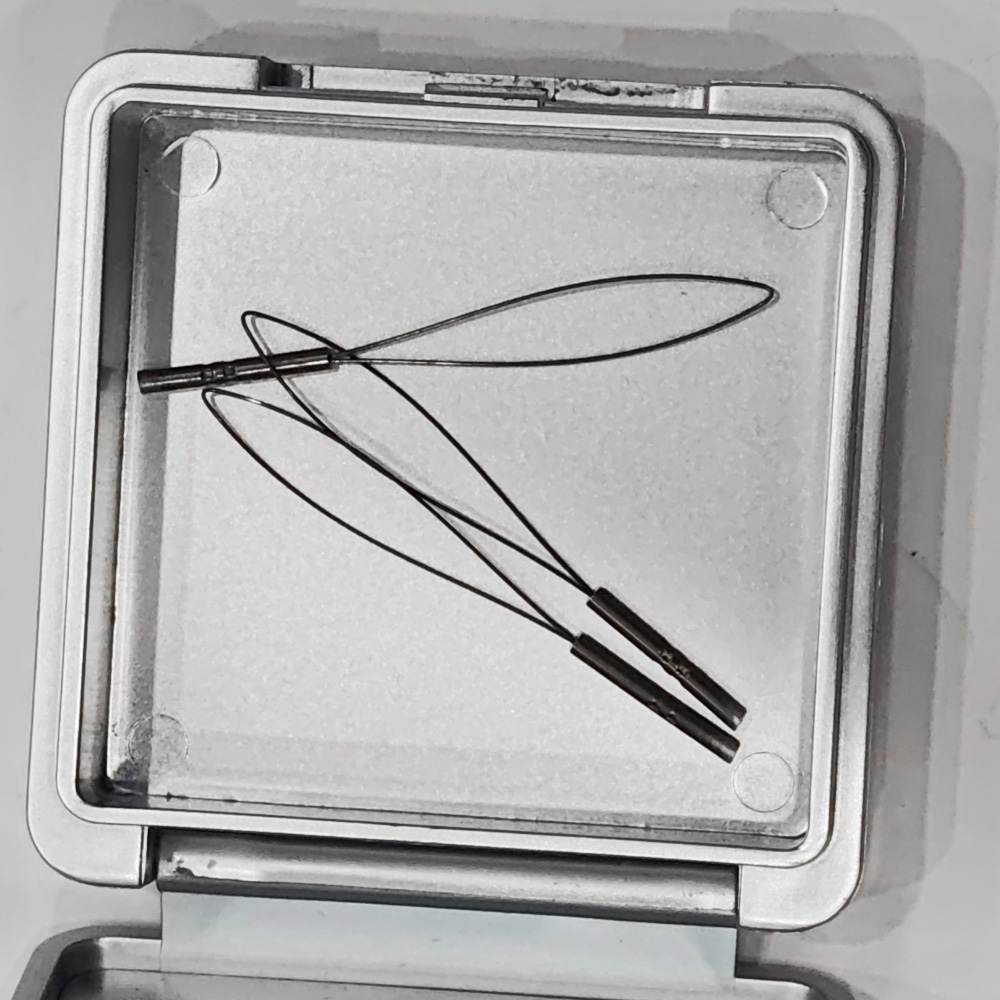
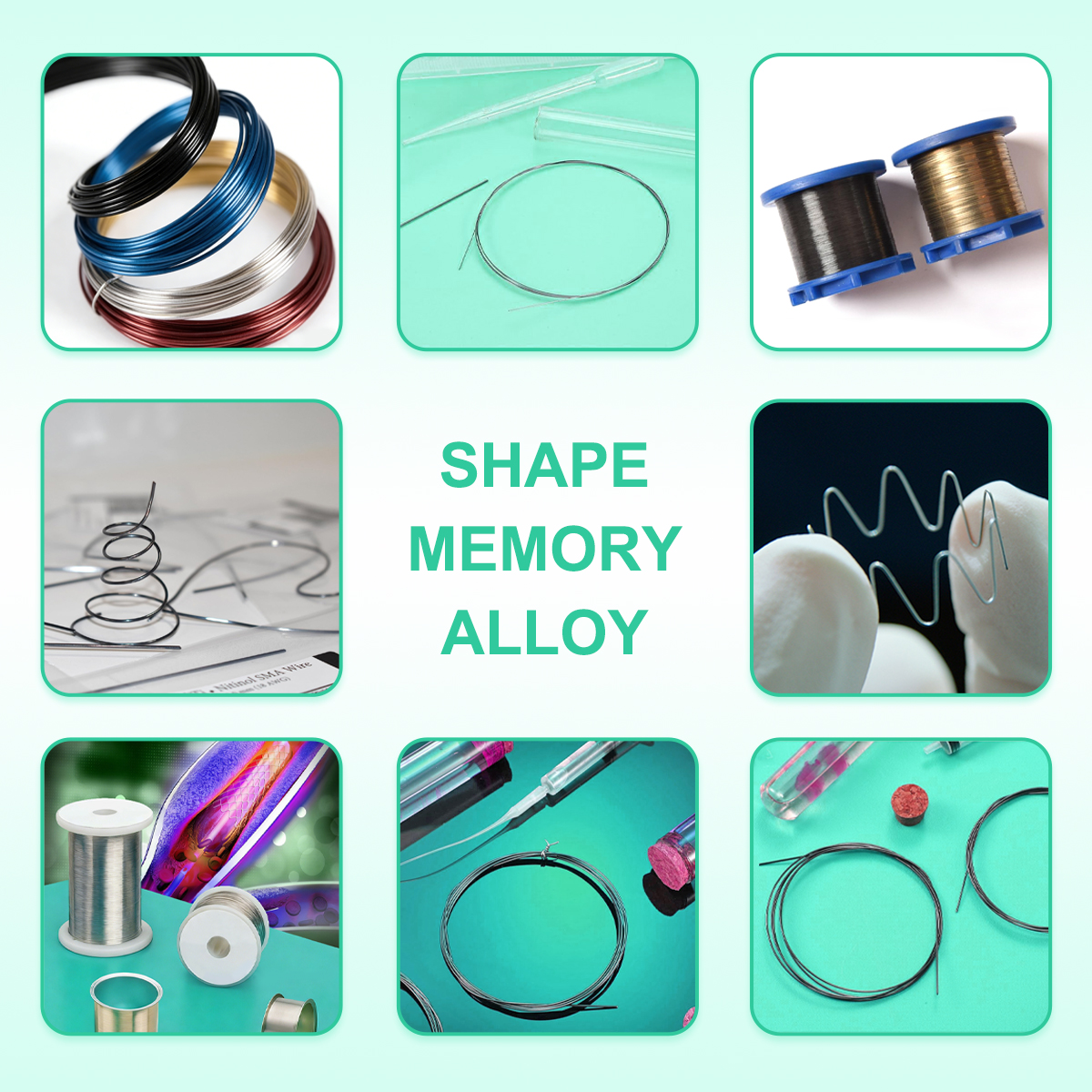
Typical medical applications include: guidewires, braided frameworks, stone retrieval baskets, snares, root canal files, intrauterine devices, sutures, and mandrels.
Applications of Nitinol Alloy Wire
The versatility of Nitinol wire makes it ideal for a wide range of dental and orthopedic applications. Below are some of the most common uses:
Dental Implants
Nitinol wire is used in orthodontic treatments, including braces, aligners, and retainers. Its flexibility and shape memory properties allow it to adjust to the changing shape of the teeth, providing precise control while minimizing discomfort. It is also used in dental archwires for better force application and improved results.Bone Fixation
Nitinol wire is commonly used in orthopedic implants for fracture fixation, bone reconstruction, and deformity correction. Its shape memory effect helps secure the bone in place, providing stability during the healing process.Spinal Implants
Nitinol wire is also used in spinal devices to stabilize vertebrae and assist with spinal fusion. Its flexibility ensures that it conforms to the spine’s natural curvature, promoting proper alignment and supporting better recovery.Joint Replacement and Repair
Nitinol wire is utilized in joint replacements and repairs, where it offers stability while allowing for natural movement. Its strength and corrosion resistance ensure that it can withstand the pressures exerted on joints over time.
ABOUT US
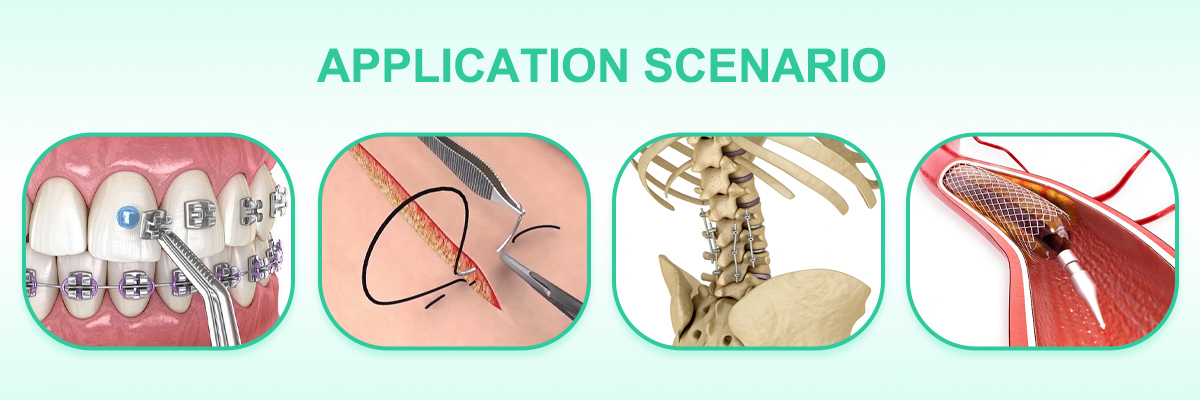
Victory Alloy Co., Ltd. is a professional manufacturer specializing in medical alloy materials, with a dedicated focus on the research, development and production of high-performance biomedical alloys.
Our primary product range includes medical-grade titanium alloys, Nitinol (nickel-titanium alloy), cobalt-chromium (CoCr) alloys, platinum-iridium (Pt-Ir) alloys, and medical stainless steel. These high-quality alloys are widely applied in a broad spectrum of medical fields, such as cardiovascular stents, orthopedic implants, interventional guidewires, dental implants, surgical instruments, and disposable medical auxiliary devices. Boasting outstanding biocompatibility, strong corrosion resistance and excellent mechanical properties, our products have won consistent praise from customers across the board.
Client Visits
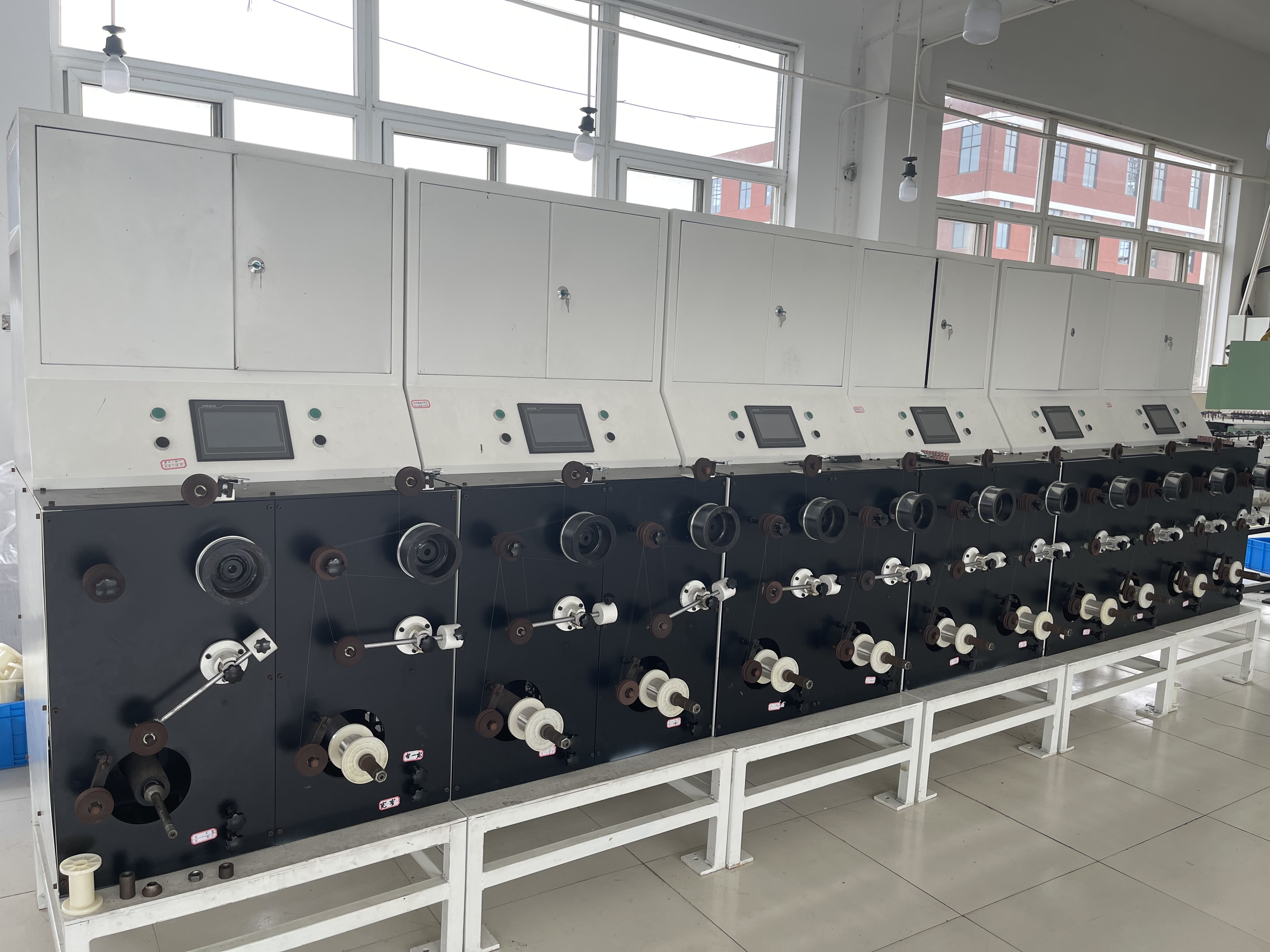
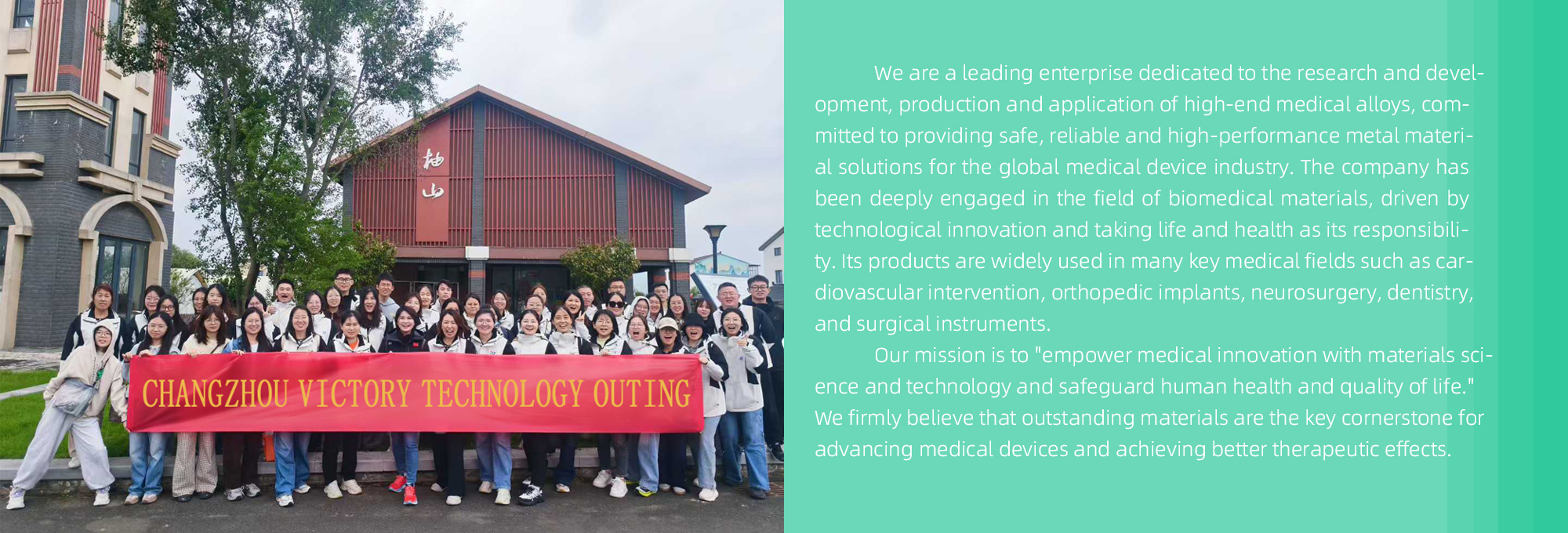
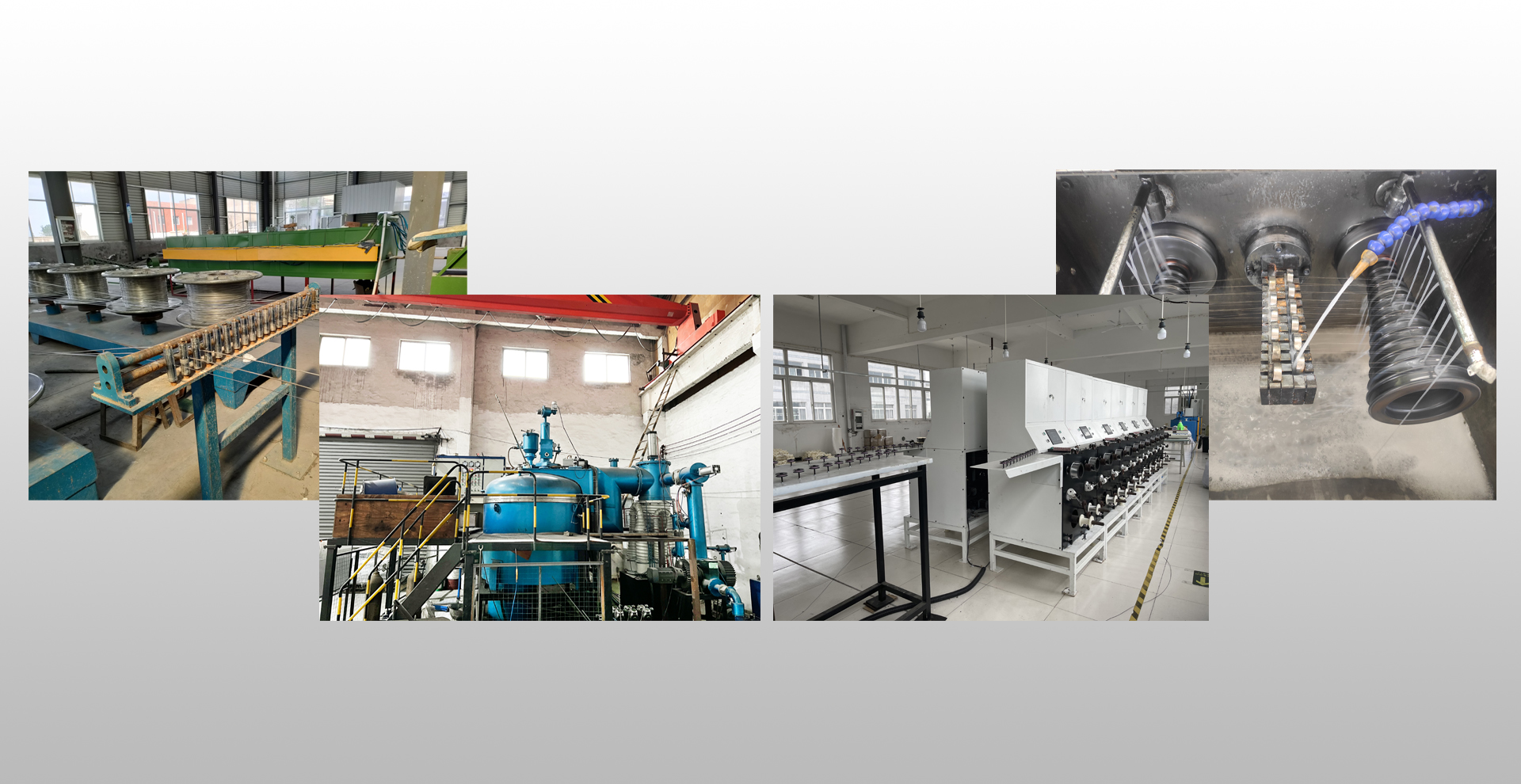
We welcome client visits to showcase our manufacturing and testing processes. Clients can explore our facility, discuss specific needs, and learn about our quality control methods. Our team ensures a personalized experience to meet your exact requirements for medical applications.
 Our Factory
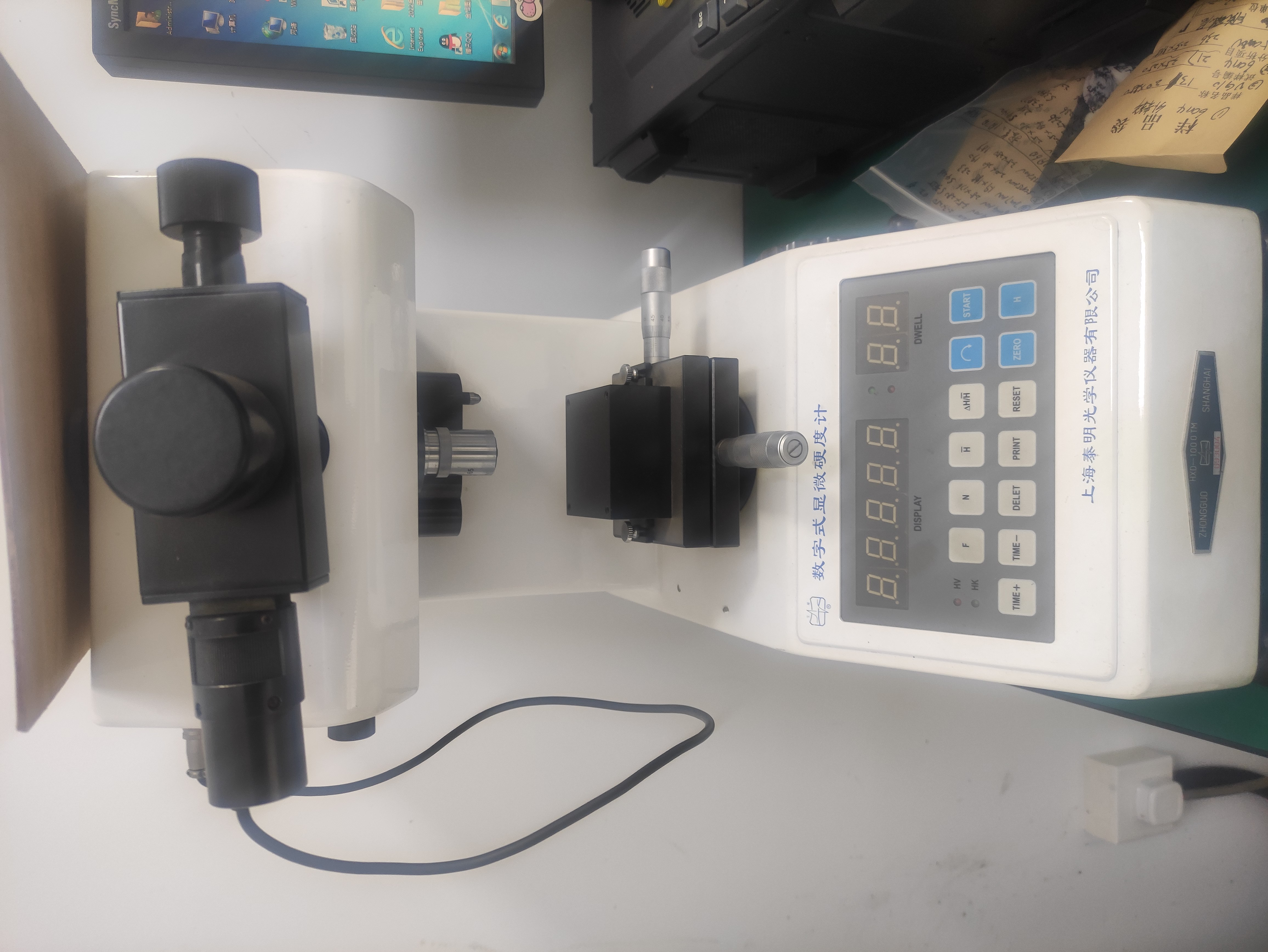
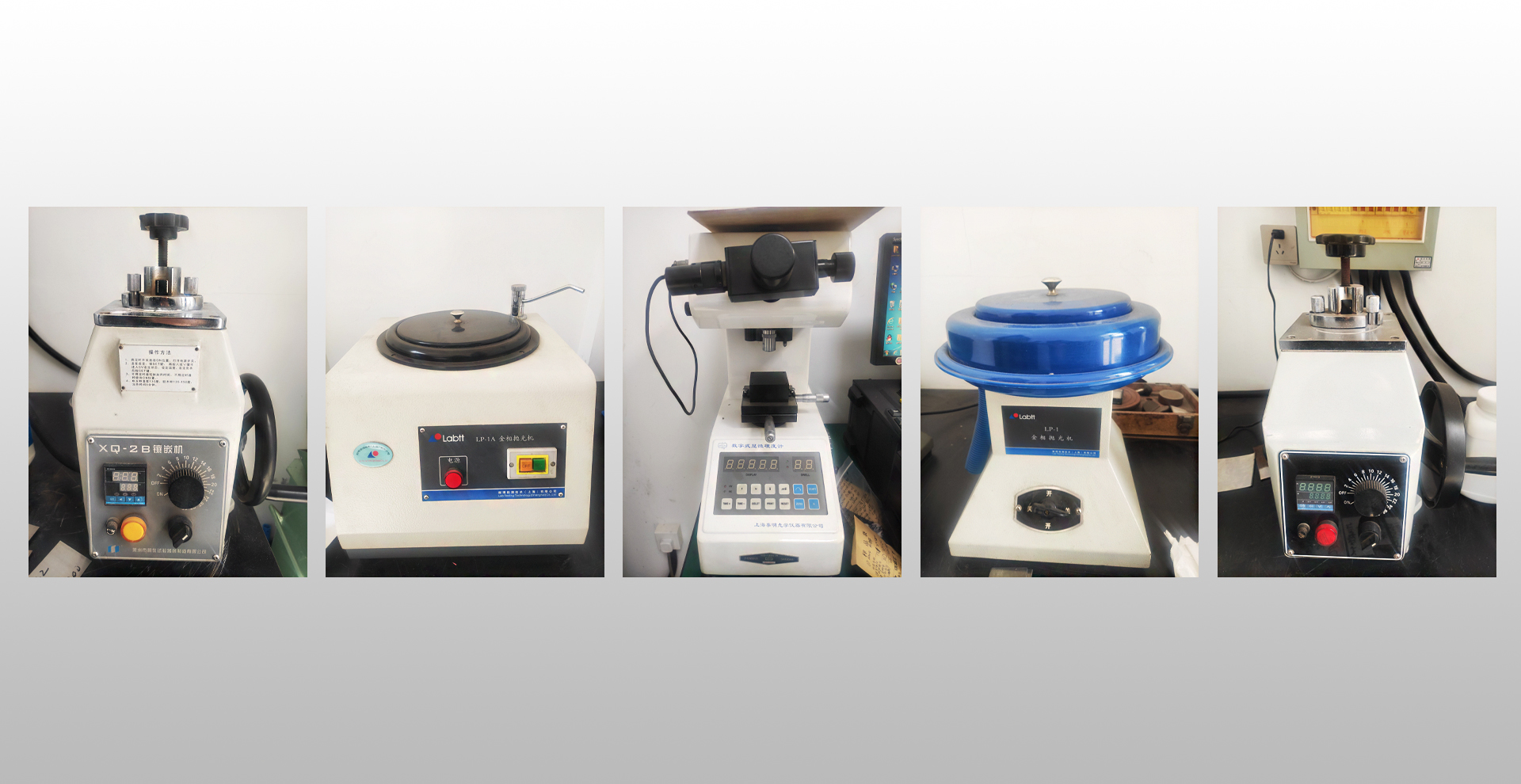
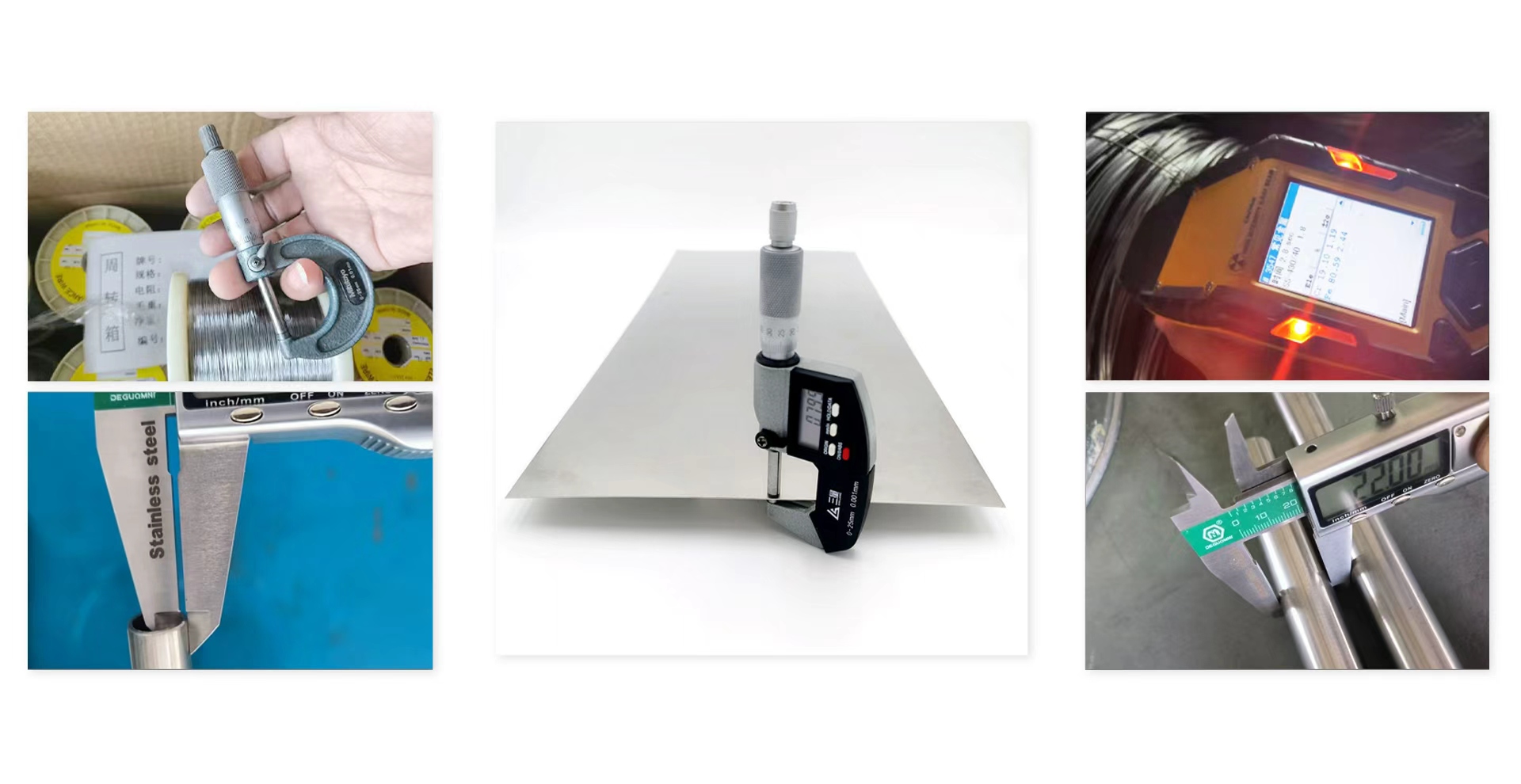
Quality Testing of the Product
Our product undergoes strict testing for tensile strength, corrosion resistance, and biocompatibility to ensure reliable performance in joint implants. We use advanced methods to verify its safety and durability, and all products meet international medical standards for consistent, long-term use in the body.
FAQ
Who is your company?
We are a leading supplier of high-quality Nitinol alloy wire, specializing in providing durable, biocompatible materials for orthopedic joint replacements and other medical applications.How can I contact your company?
Phone: +86 132 1868 0935
Whatsapp: +86 13218680935
Email: victory@dlx-alloy.com
What makes Nitinol wire ideal for dental implants?
Nitinol’s shape memory and flexibility allow dental implants, such as braces and orthodontic appliances, to adapt to the teeth as they move, ensuring a comfortable fit and precise control over tooth movement.How does Nitinol wire improve orthopedic implants?
Nitinol wire’s superelasticity and shape memory effect provide stable and adaptable fixation for orthopedic implants, ensuring they remain securely in place while supporting the natural movement of bones and joints.Is Nitinol wire safe for long-term use in the body?
Yes, Nitinol wire is highly biocompatible, resistant to corrosion, and durable, making it safe and effective for long-term use in dental and orthopedic implants.Can Nitinol wire reduce the need for invasive surgeries?
Absolutely. Nitinol’s flexibility and shape memory allow for minimally invasive surgeries, resulting in smaller incisions, quicker recovery, and reduced post-operative pain.