
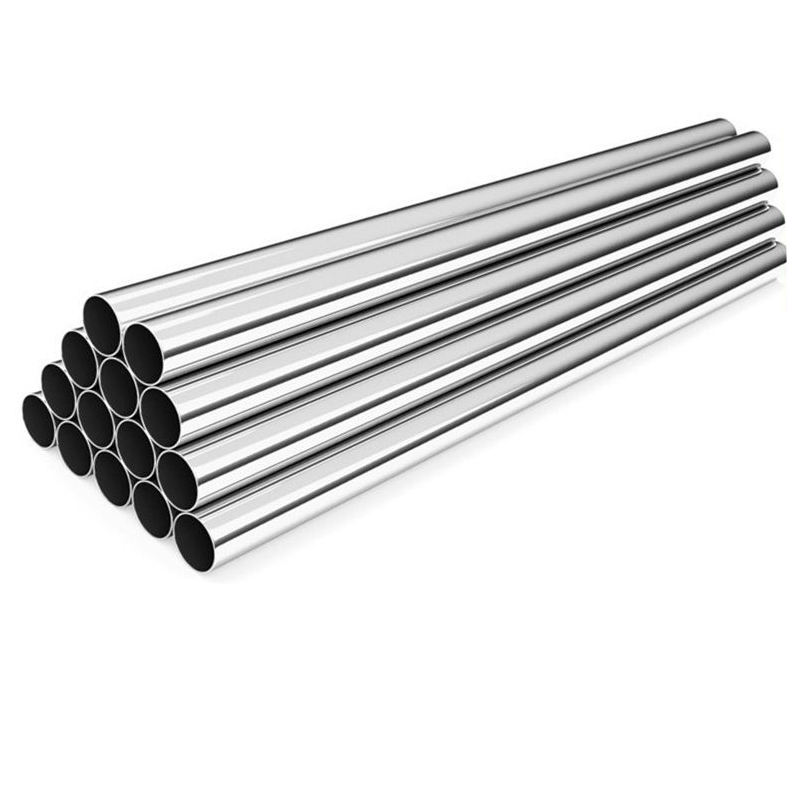
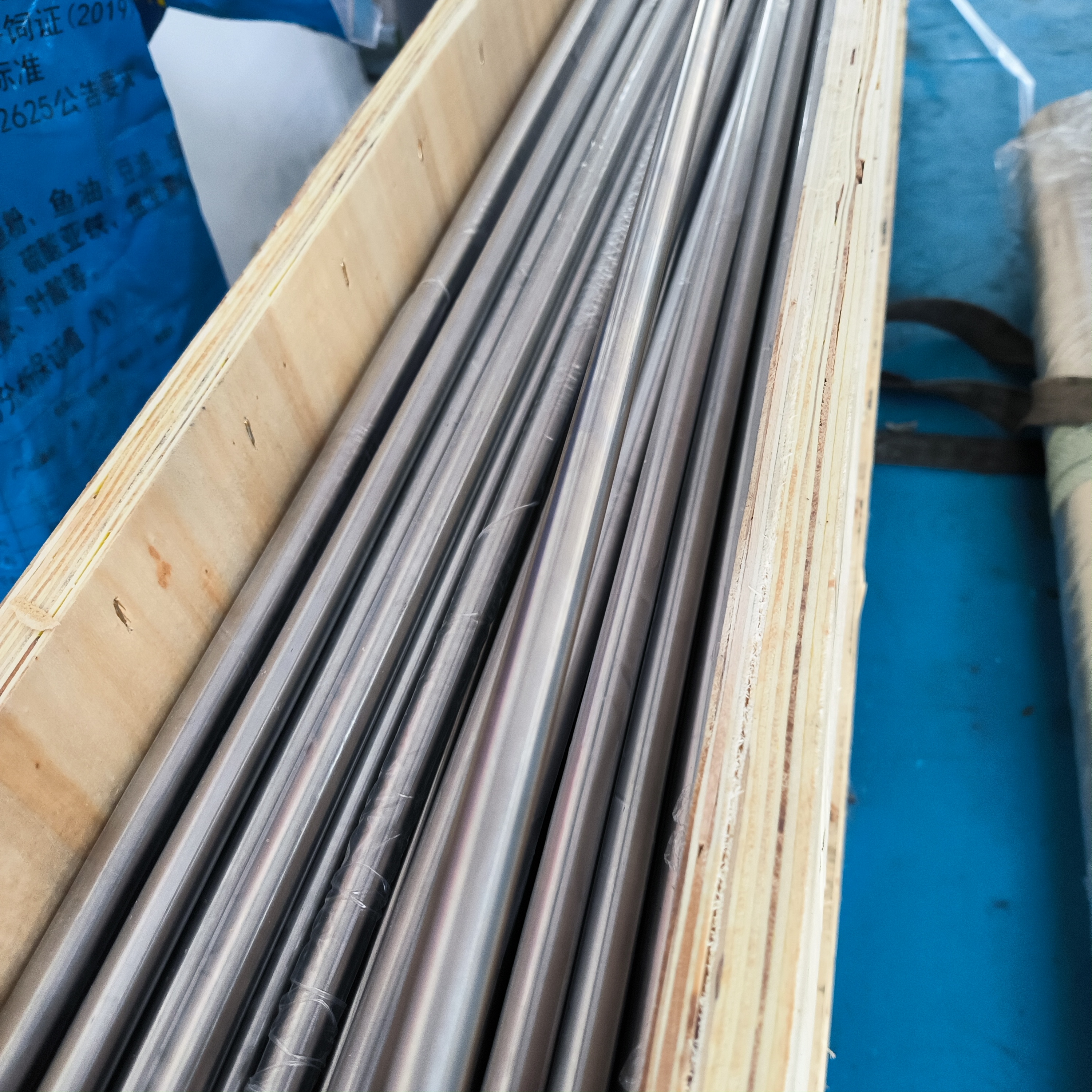
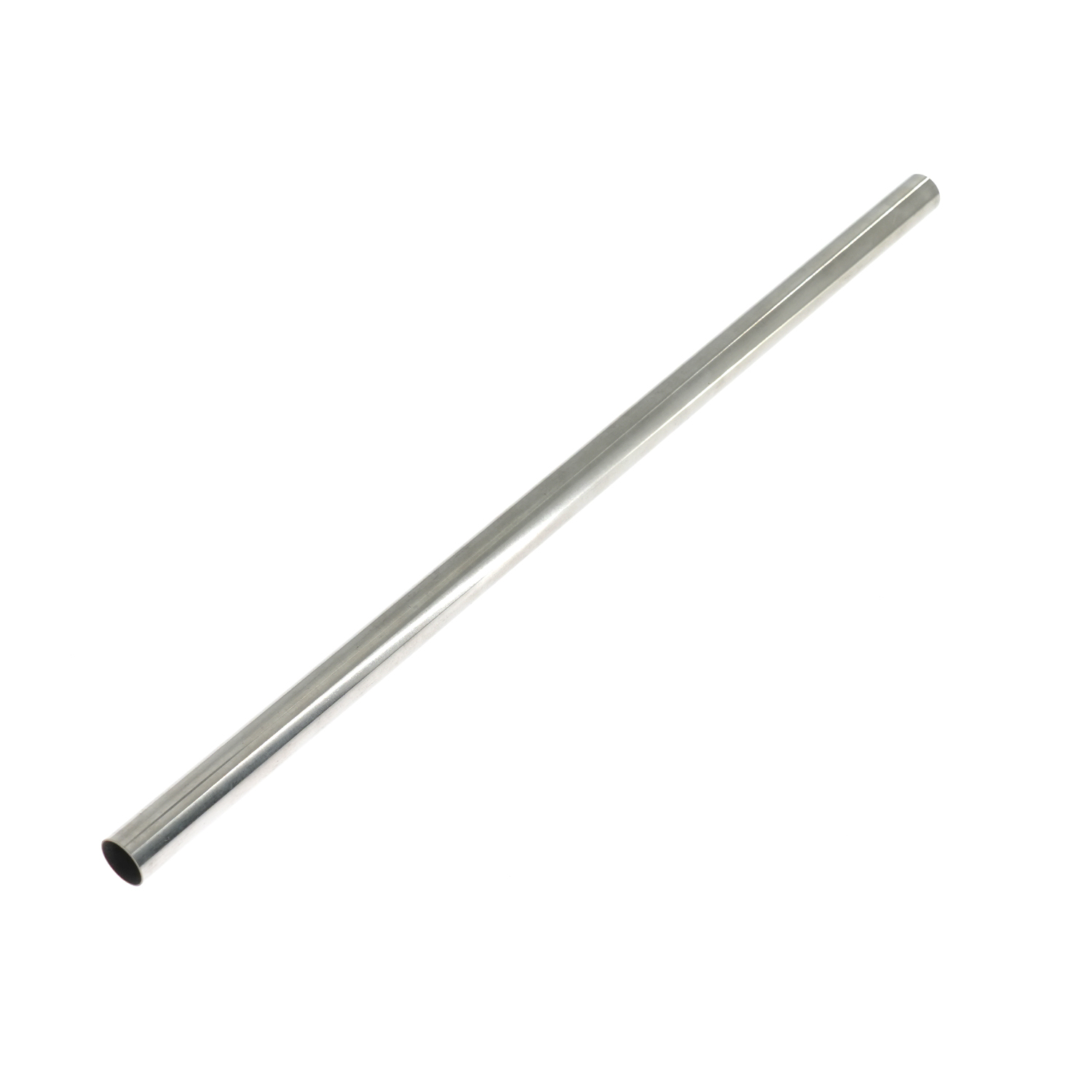
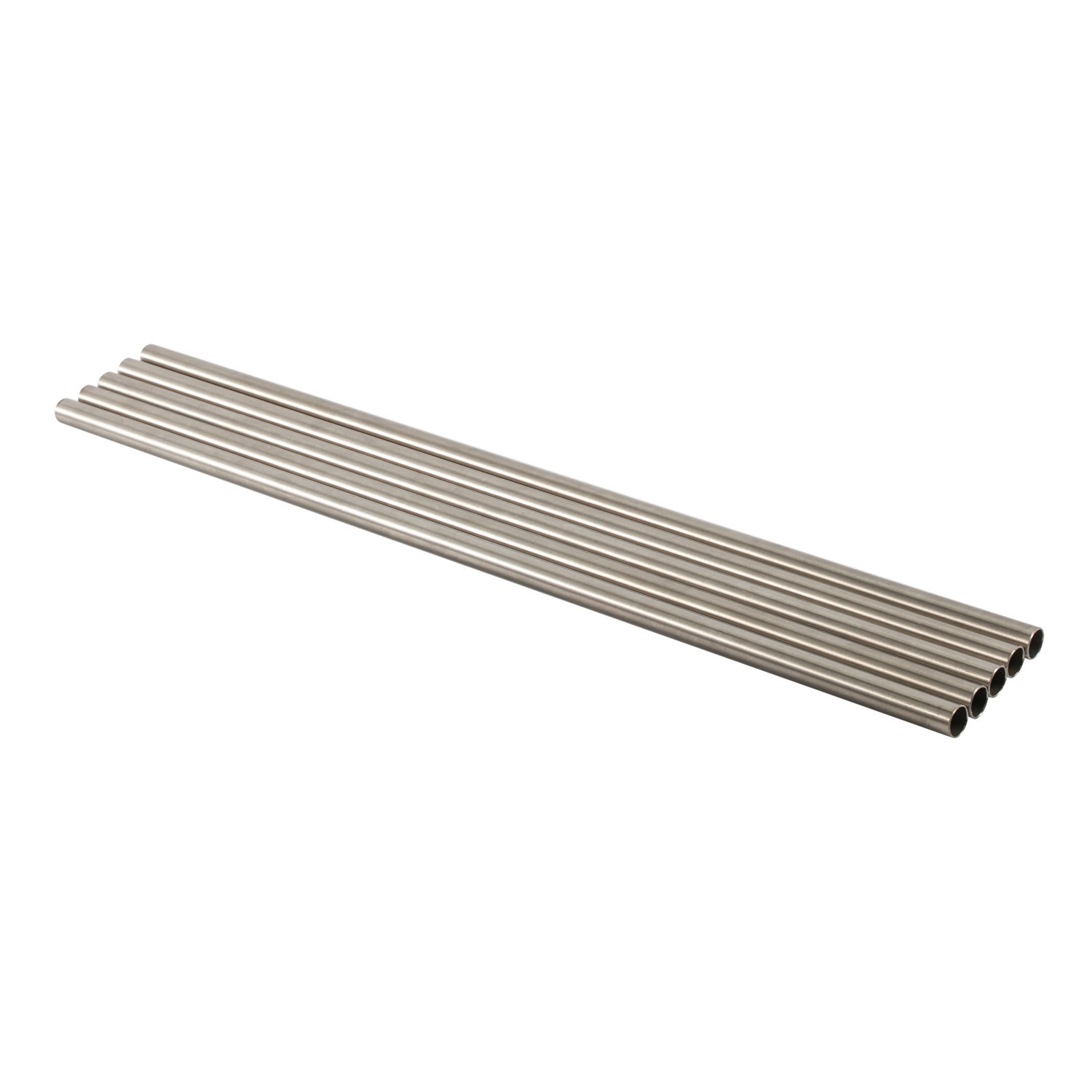
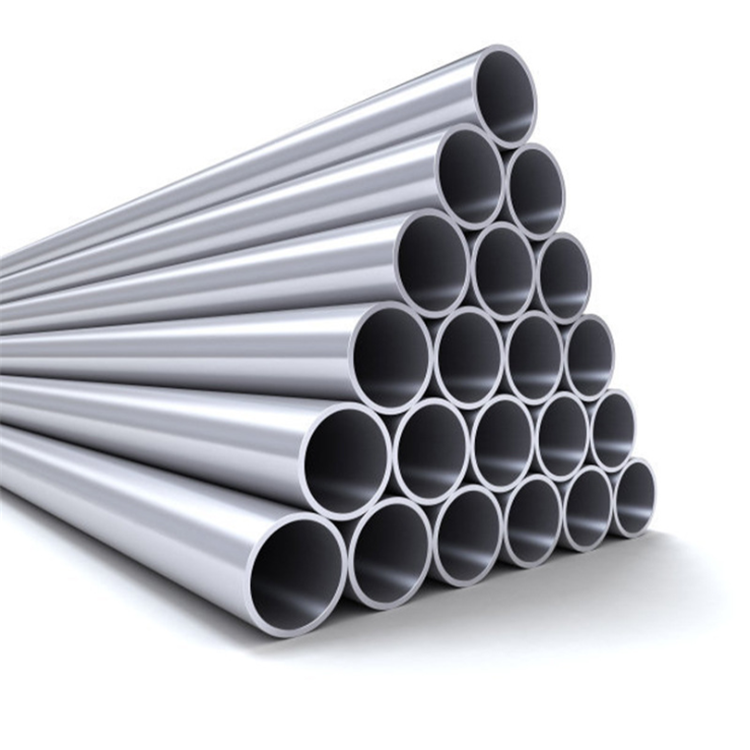
What is Nitinol Tube?
Nitinol, a unique nickel-titanium alloy, has become a game-changer in neurostimulation electrodes used for treating neurological disorders such as Parkinson’s disease, chronic pain, and epilepsy. Known for its shape memory effect, biocompatibility, and superior flexibility, Nitinol materials are ideal for creating electrodes that are safe, effective, and long-lasting, allowing for precise electrical stimulation of the nervous system.
Neurostimulation therapies, including Deep Brain Stimulation (DBS), Spinal Cord Stimulation (SCS), and Peripheral Nerve Stimulation (PNS), rely on electrodes that can withstand long-term implantation and provide consistent performance. Nitinol’s remarkable properties make it the preferred choice for manufacturers of neurostimulation devices. At Victory Supplier, we provide top-quality Nitinol materials specifically designed for neurostimulation applications, ensuring that each device meets the highest standards of safety, performance, and patient comfort.
Tubing Actual Performance Af Temperature | For finished tubes with an outer diameter of 0.25-9.0mm, after cutting a section of the tube, the actual recovery temperature can be tested using the bending recovery method specified in ASTM F2082/F2082M-16. |
| Surface Condition | Outer Surface: Oxidized state, ground state Inner Surface: Clean state |
| Tubing Length | Length can be precisely specified or arbitrarily specified; for arbitrary lengths, the maximum and minimum lengths can be negotiated with sales or technical personnel. |
| Straightness | The requirements and test methods for straightness can be agreed upon with sales or technical personnel. |
| Internal and External Surface Defects | The requirements for surface defects can be agreed upon with sales or technical personnel. |
| Typical Applications | Medical: Hypo tubes, camera tubes, stents, baskets, catheters |
Features of Nitinol Tube
Shape Memory Effect: Nitinol’s defining characteristic is its shape memory effect, which enables it to revert to a pre-determined shape when exposed to body temperature. This property makes it an ideal material for neurostimulation electrodes, as the electrodes can adjust to anatomical variations in patients, ensuring optimal contact with the nerve tissues for effective treatment.
High Biocompatibility: Nitinol alloys are known for their biocompatibility, meaning they are highly unlikely to provoke immune responses or rejection when implanted in the human body. This is essential for long-term neurostimulation devices, as electrodes need to stay inside the body for years without causing inflammation or complications.
Superior Flexibility and Strength: Nitinol’s flexibility allows neurostimulation electrodes to bend and conform to the intricate shapes of nerves and tissues. Its strength ensures that the electrodes remain durable and effective over time, even under the mechanical stresses caused by body movements.
Fatigue Resistance: Nitinol’s fatigue resistance allows neurostimulation electrodes to withstand repetitive motion and continuous electrical impulses without degrading or losing functionality. This is particularly important for devices like Deep Brain Stimulation systems, where electrodes are expected to perform reliably over long periods.
Corrosion Resistance: Nitinol’s resistance to corrosion ensures the longevity and stability of neurostimulation electrodes. In neurostimulation devices, electrodes are exposed to bodily fluids and can be vulnerable to degradation. Nitinol's corrosion resistance minimizes the risk of device failure due to environmental factors, ensuring continuous and reliable stimulation.
Pipe specifications
| Tubing Inner Diameter (mm) | Wall Thickness (mm) | Tolerance Range (mm) | Length (mm) |
| 9-4 | 4-0.5 | ±0.035 | 500 |
| 4-2 | 0.5-0.2 | ±0.030 | 500 |
| 2-1 | 0.3-0.15 | ±0.020 | Above 1000 |
| 1-0.5 | 0.2-0.1 | ±0.010 | 1000-2000 |
| 0.5-0.25 | 0.1-0.05 | ±0.005 | 1000-2000 |
*Can be adjusted according to customer requirements
Advantages of Nitinol Tube
Enhanced Treatment Precision: Nitinol’s shape memory effect and flexibility allow neurostimulation electrodes to provide highly precise stimulation to targeted nerve areas. This improves the overall efficacy of the treatment, especially in complex therapies like Deep Brain Stimulation for Parkinson’s disease or Spinal Cord Stimulation for chronic pain.
Long-Term Implantation without Degradation: The biocompatibility and corrosion resistance of Nitinol ensure that electrodes remain stable and effective for long-term use. Patients undergoing neurostimulation therapies can rely on these electrodes to function reliably over years without degradation, reducing the need for frequent replacements.
Patient Comfort and Safety: Nitinol’s flexibility makes it easier for the electrodes to adapt to the natural curves and movements of the body, improving comfort for patients. Additionally, the material's biocompatibility minimizes the risk of adverse reactions, enhancing patient safety during and after implantation.
Improved Surgical Precision: Nitinol’s flexibility and shape memory capabilities allow for more precise electrode positioning during implantation, reducing surgical complexity and improving overall outcomes. The material adapts seamlessly to the specific anatomical requirements of each patient.
Reduced Risk of Complications: Nitinol’s resistance to fatigue and corrosion significantly reduces the risk of electrode failure or complications during treatment. The material's durability ensures that patients benefit from consistent, uninterrupted neurostimulation therapy throughout their treatment course.
Applications of Nitinol Tube
Deep Brain Stimulation (DBS): Nitinol is increasingly used in the development of Deep Brain Stimulation electrodes, which are implanted in the brain to treat conditions like Parkinson’s disease, dystonia, and essential tremor. Nitinol’s flexibility allows these electrodes to be precisely placed in specific regions of the brain, delivering controlled electrical impulses that help regulate abnormal brain activity.
Spinal Cord Stimulation (SCS): Spinal Cord Stimulation is a widely used technique for managing chronic pain. Nitinol electrodes are used in SCS devices to provide electrical impulses to the spinal cord, reducing pain signals and improving patients’ quality of life. Nitinol’s flexibility and corrosion resistance make it ideal for use in the spine, where devices must withstand constant movement and stress.
Peripheral Nerve Stimulation (PNS): Peripheral Nerve Stimulation involves the use of implanted electrodes to treat conditions such as neuropathic pain. Nitinol’s shape memory effect ensures the electrodes maintain optimal positioning and adapt to the nerve’s natural shape, improving treatment efficacy.
Cochlear Implants: Nitinol is also used in cochlear implants, where its properties help ensure the electrodes stay securely in place within the ear while stimulating the auditory nerve, allowing patients with hearing loss to perceive sound.
Vagus Nerve Stimulation (VNS): In Vagus Nerve Stimulation therapy, electrodes are implanted on the vagus nerve to treat conditions such as epilepsy and depression. Nitinol's ability to maintain its shape and flexibility makes it an ideal choice for these delicate nerve-stimulation applications.
ABOUT US
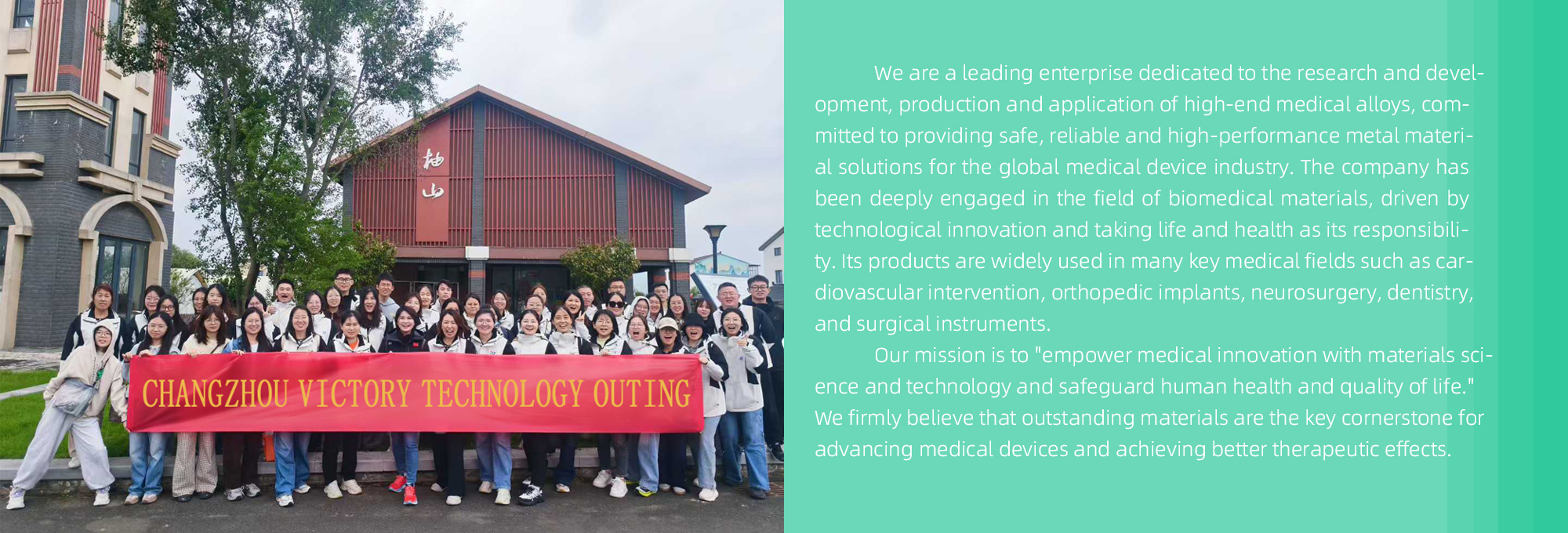
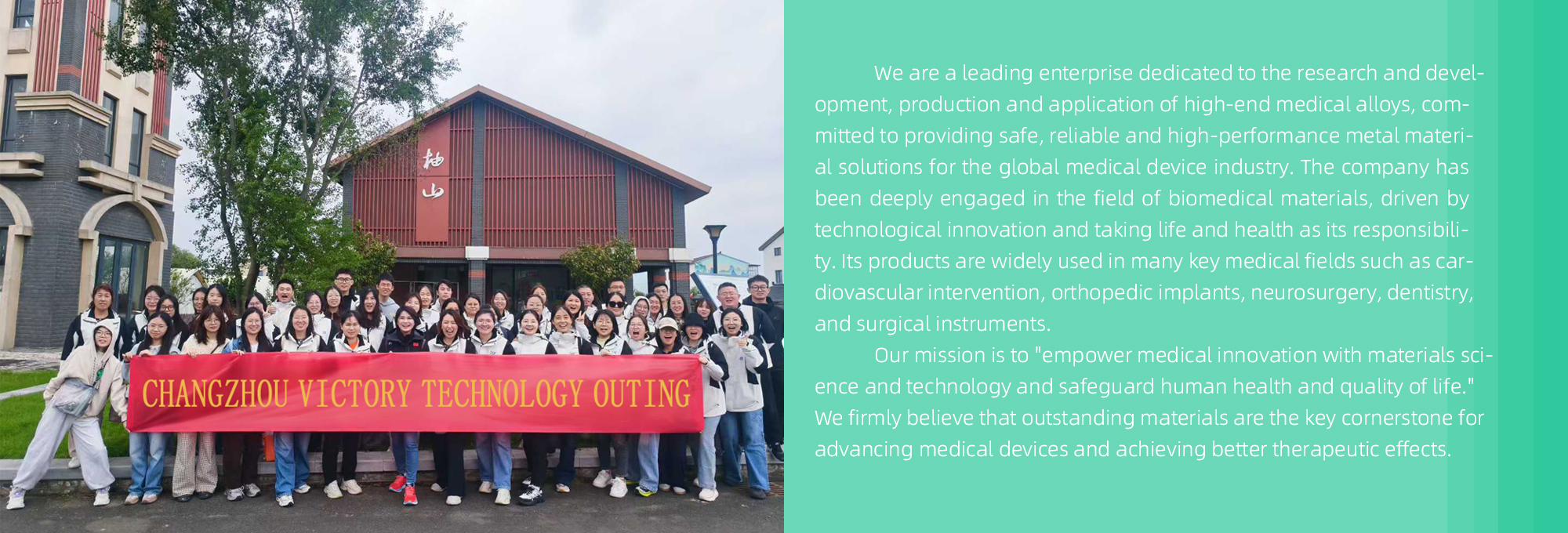
Victory Alloy Co., Ltd. is a professional manufacturer specializing in medical alloy materials, with a dedicated focus on the research, development and production of high-performance biomedical alloys.
Our primary product range includes medical-grade titanium alloys, Nitinol (nickel-titanium alloy), cobalt-chromium (CoCr) alloys, platinum-iridium (Pt-Ir) alloys, and medical stainless steel. These high-quality alloys are widely applied in a broad spectrum of medical fields, such as cardiovascular stents, orthopedic implants, interventional guidewires, dental implants, surgical instruments, and disposable medical auxiliary devices. Boasting outstanding biocompatibility, strong corrosion resistance and excellent mechanical properties, our products have won consistent praise from customers across the board.
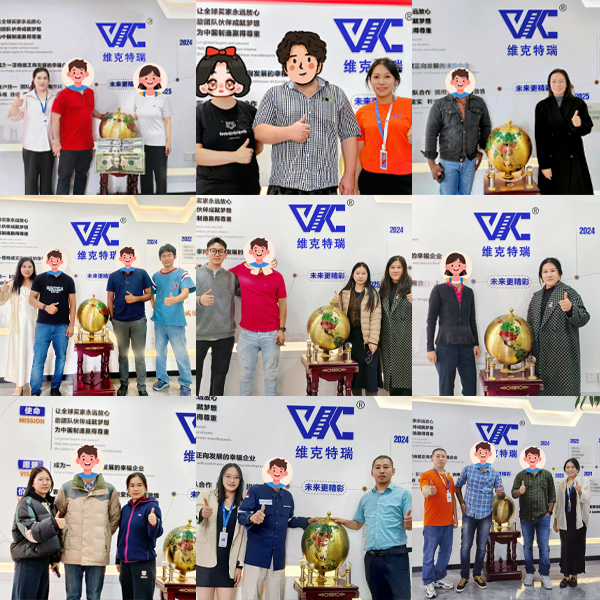
Client Visits
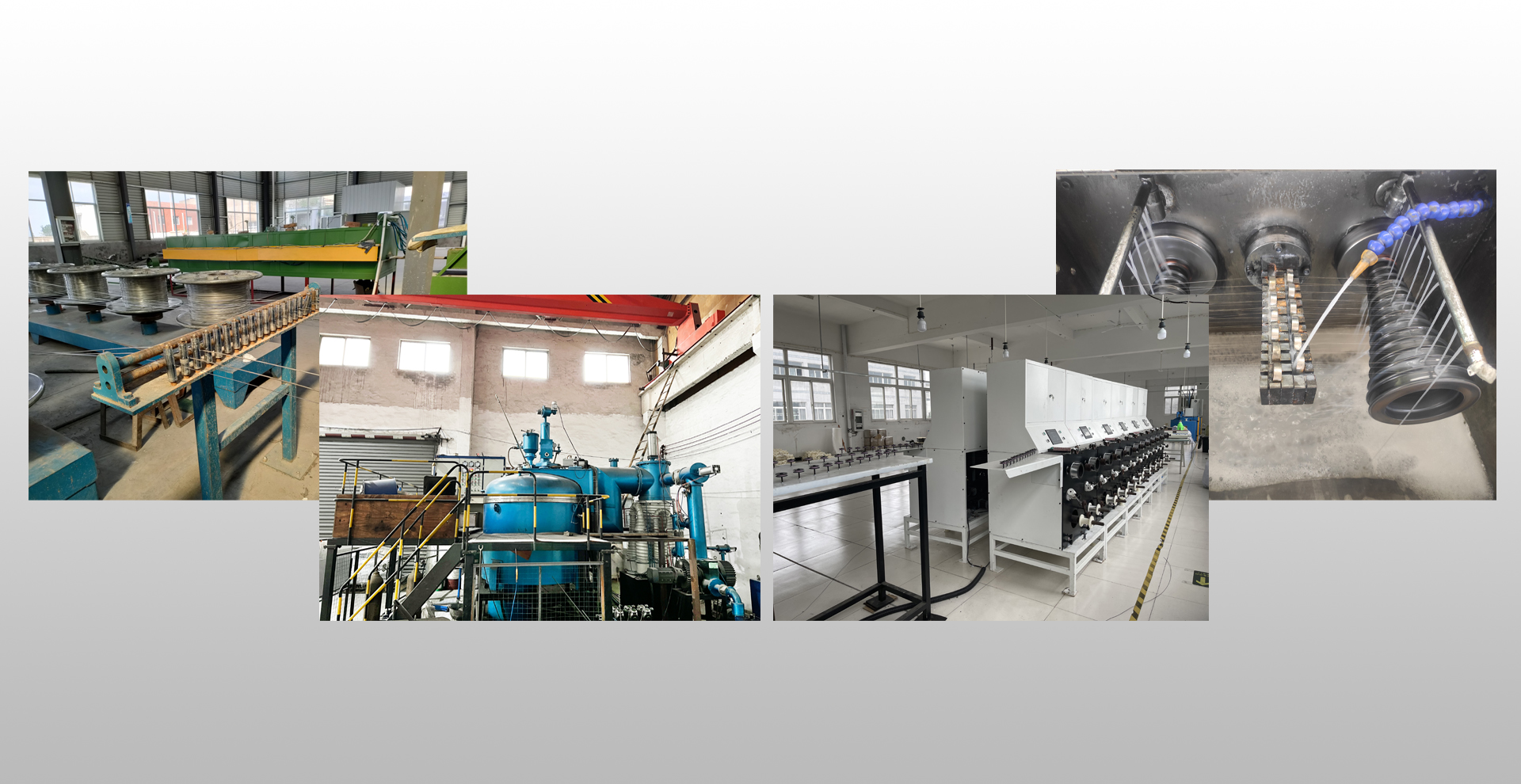
We welcome client visits to showcase our manufacturing and testing processes. Clients can explore our facility, discuss specific needs, and learn about our quality control methods. Our team ensures a personalized experience to meet your exact requirements for medical applications.
 Our Factory
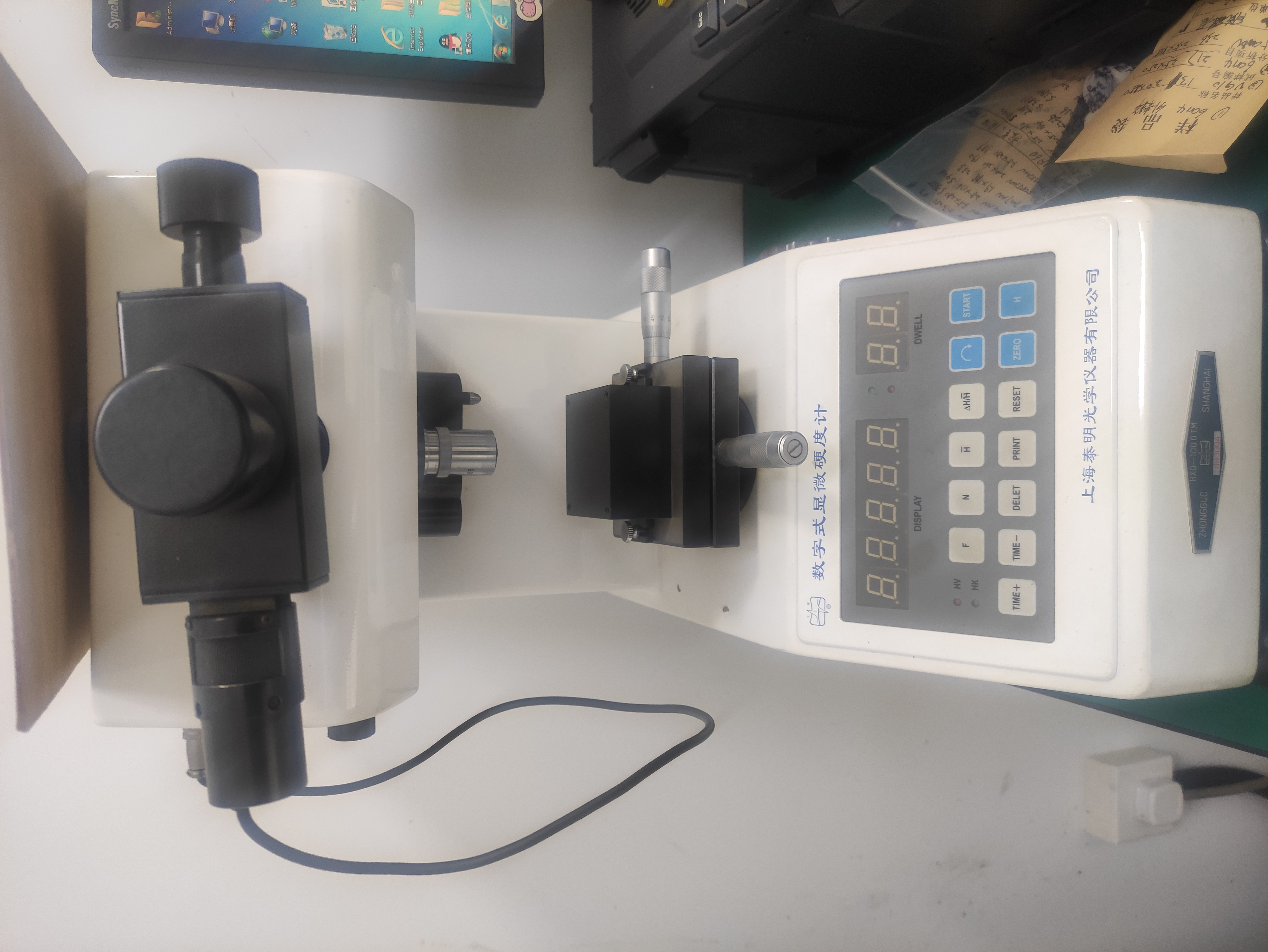
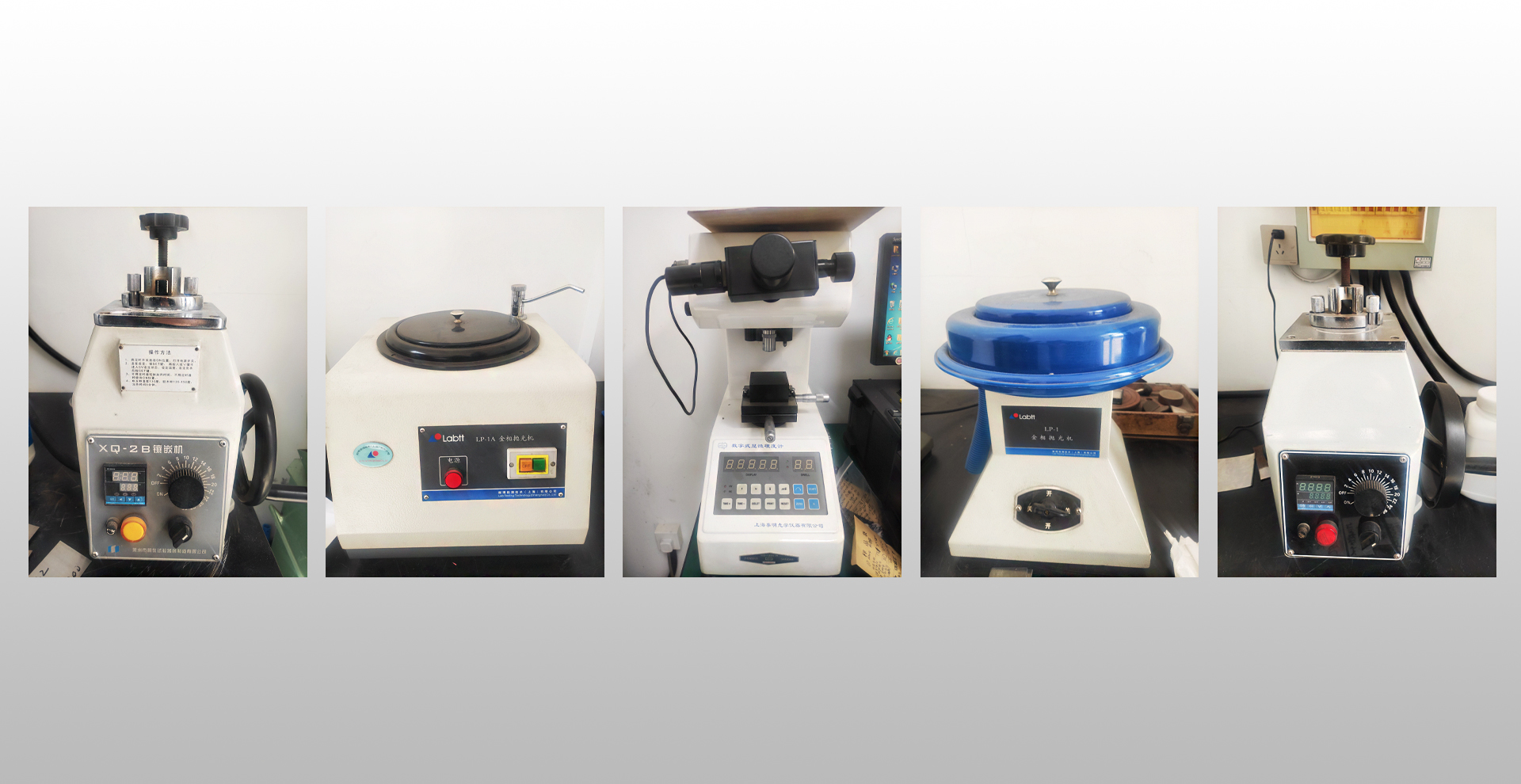
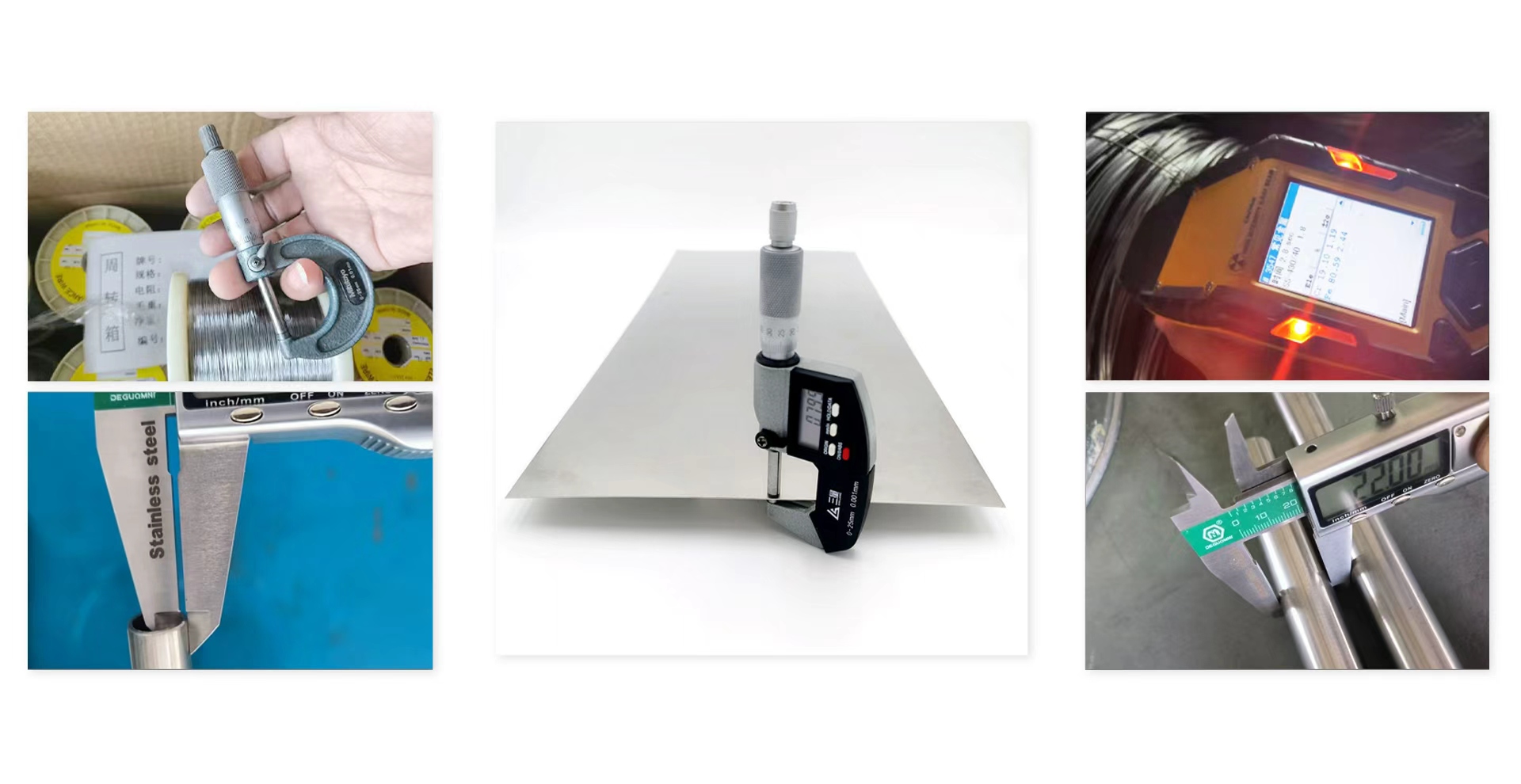
Quality Testing of the Product
Our product undergoes strict testing for tensile strength, corrosion resistance, and biocompatibility to ensure reliable performance in joint implants. We use advanced methods to verify its safety and durability, and all products meet international medical standards for consistent, long-term use in the body.
FAQ
Who is your company?
We are a leading supplier of high-quality Nitinol alloy wire, specializing in providing durable, biocompatible materials for orthopedic joint replacements and other medical applications.How can I contact your company?
Phone: +86 132 1868 0935
Whatsapp: +86 13218680935
Email: victory@dlx-alloy.com
Why is Nitinol used in neurostimulation electrodes?
Nitinol is preferred for neurostimulation electrodes due to its shape memory effect, biocompatibility, flexibility, and fatigue resistance. These properties make it ideal for precise, long-term implantation in neurostimulation devices.
How does Nitinol’s shape memory effect benefit neurostimulation electrodes?
Nitinol’s shape memory effect allows electrodes to adapt to the body’s natural contours and return to their pre-set shape once deployed. This ensures precise positioning and optimal electrical stimulation, improving treatment efficacy.
Is Nitinol safe for long-term implantation in the body?
Yes, Nitinol is highly biocompatible and resistant to corrosion, making it safe for long-term implantation. It is widely used in medical devices like neurostimulation electrodes, where it remains stable and functional for extended periods.
How does Nitinol improve the comfort of neurostimulation electrodes?
Nitinol’s flexibility allows electrodes to conform to the natural shape of nerves, reducing discomfort and enhancing the fit of the implant. This leads to better patient outcomes and reduced risk of complications.
How can I contact Victory Supplier for Nitinol materials for neurostimulation electrodes?
You can contact us through our website or by email. Our team is ready to provide additional information or discuss custom orders for Nitinol materials for neurostimulation applications.