
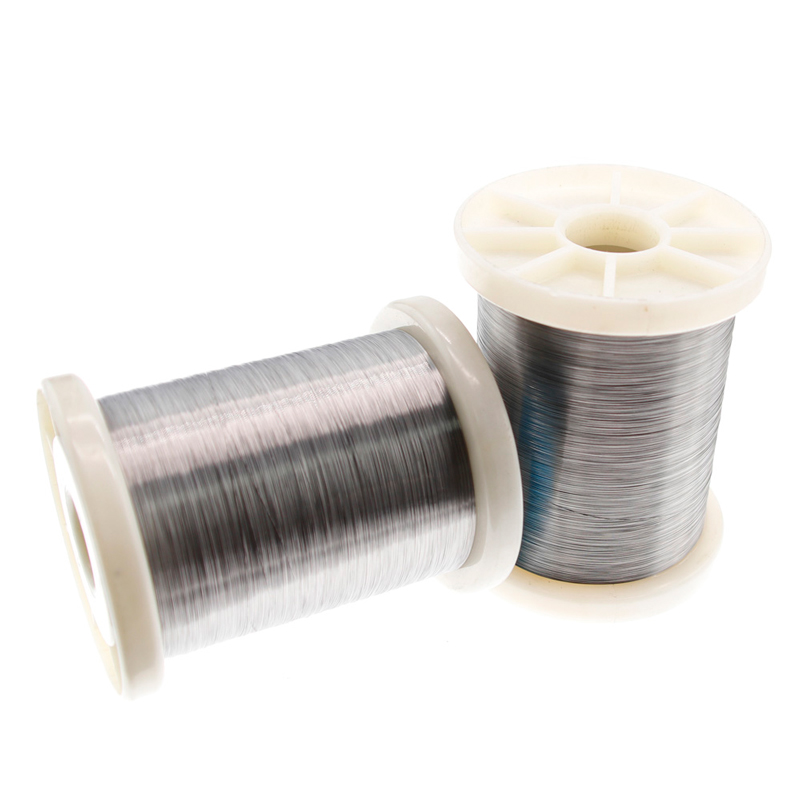
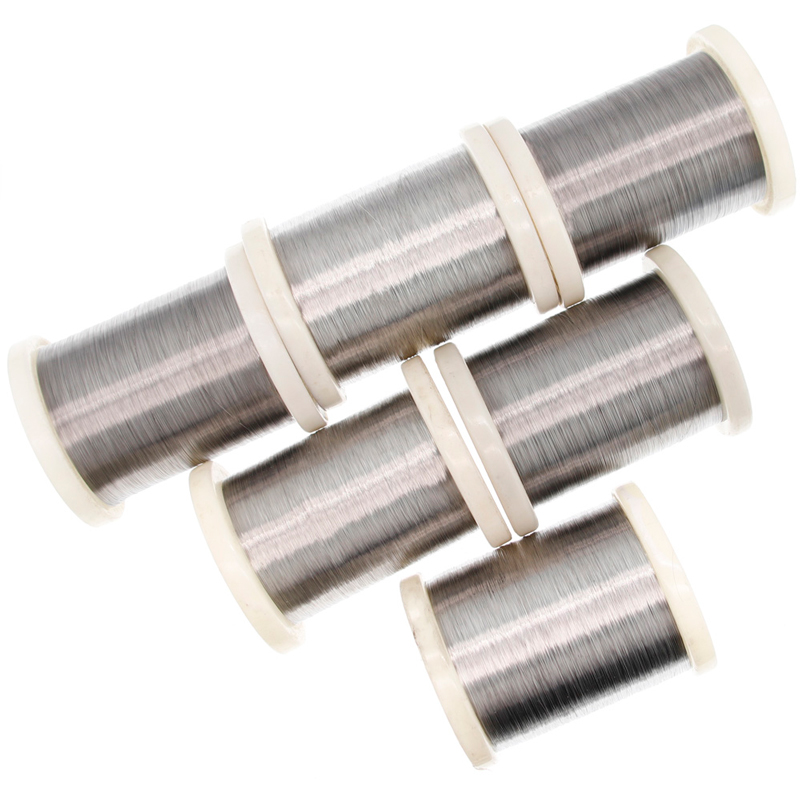
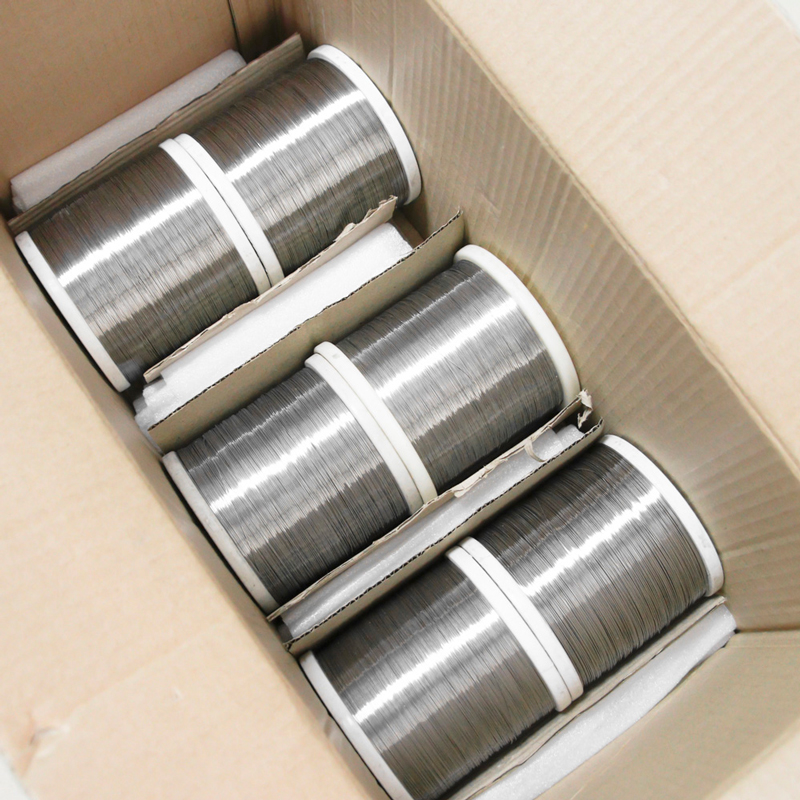
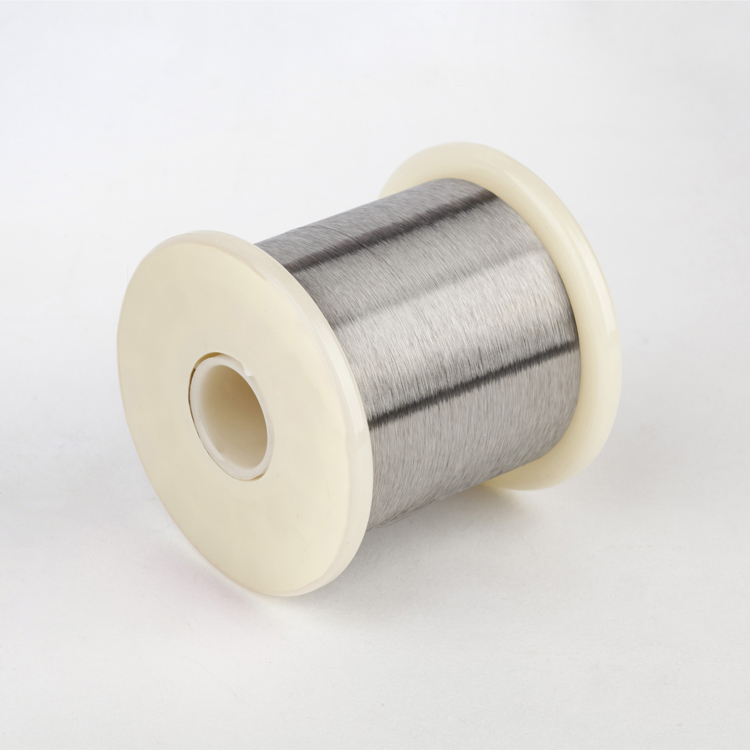
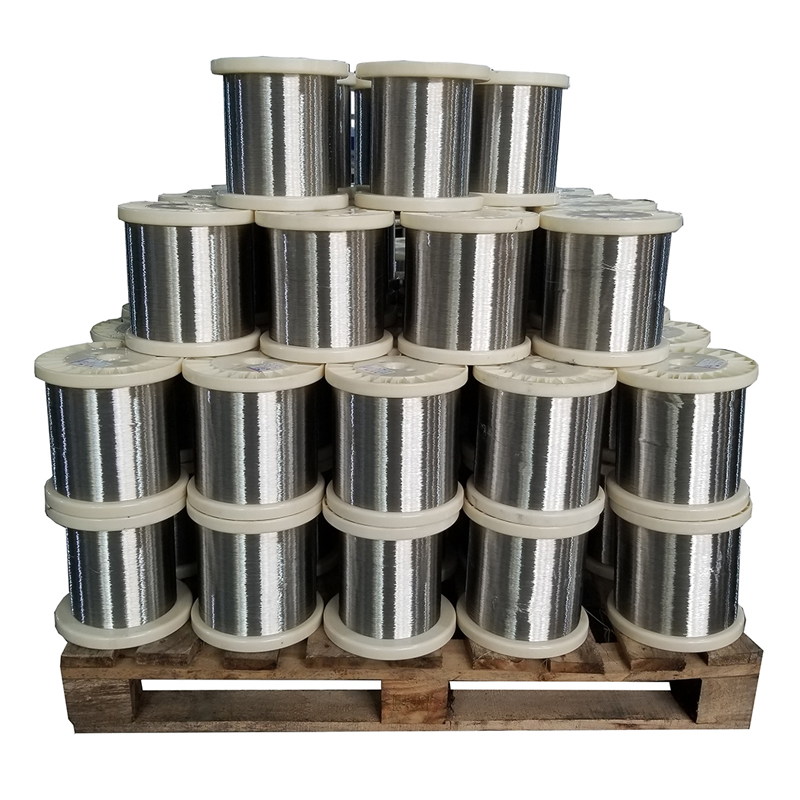
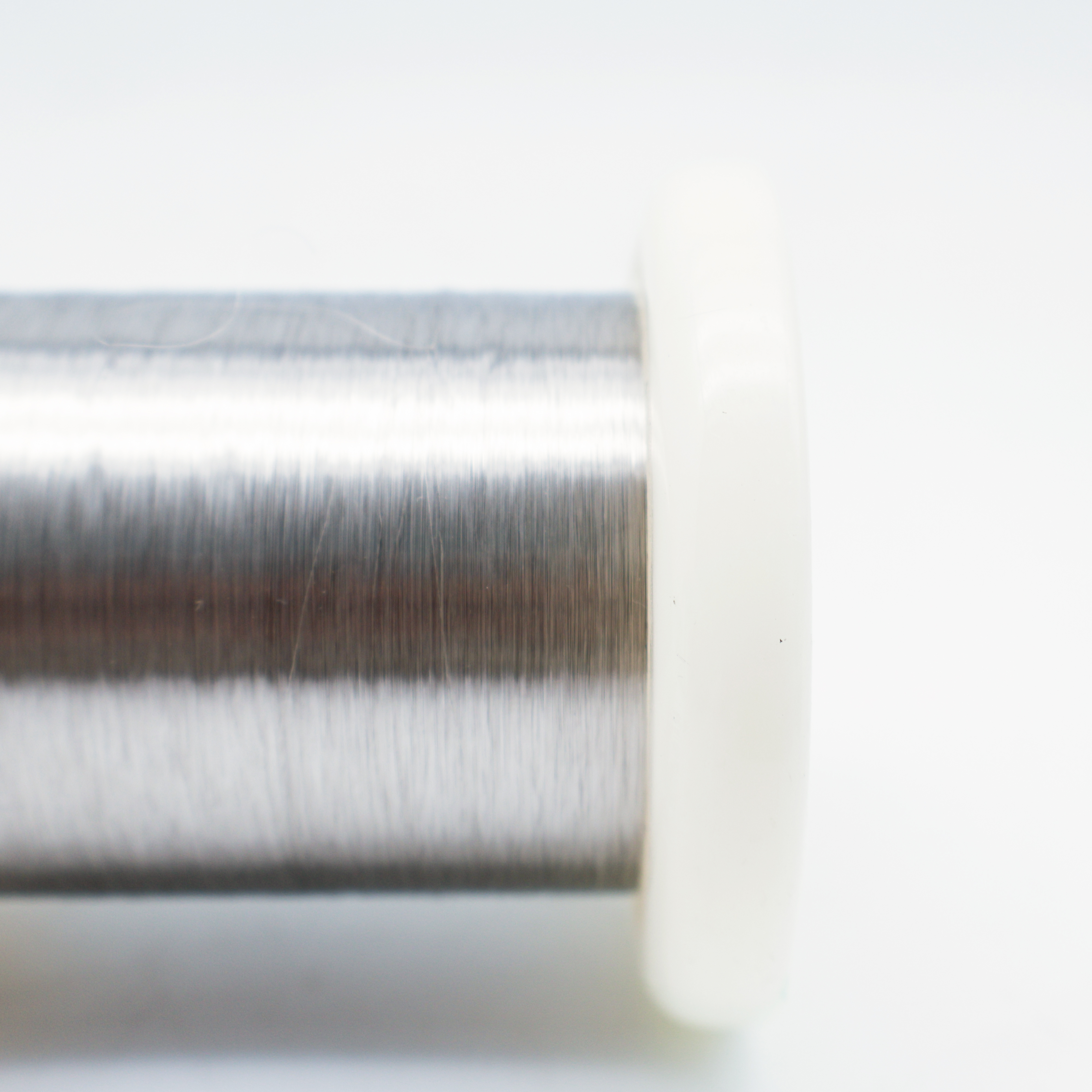


Product Introduction:Stainless Steel Medical Wire
Our premium grade stainless steel medical wire is specifically designed for high-stakes applications in disposable and auxiliary medical devices, such as hypodermic needles and guide wires. Sourced from top-tier alloys like 304 or 316L stainless steel, this wire offers exceptional tensile strength, flexibility, and sterility compliance for use in medical environments. Tailored for global standards including FDA and ISO certifications, it supports seamless integration into surgical instruments, catheterization tools, and interventional radiology equipment. Whether for single-use hypodermic syringe components or durable guide wire assemblies, this medical stainless steel wire enhances procedural accuracy and patient safety in hospitals, clinics, and ambulatory surgical centers worldwide.
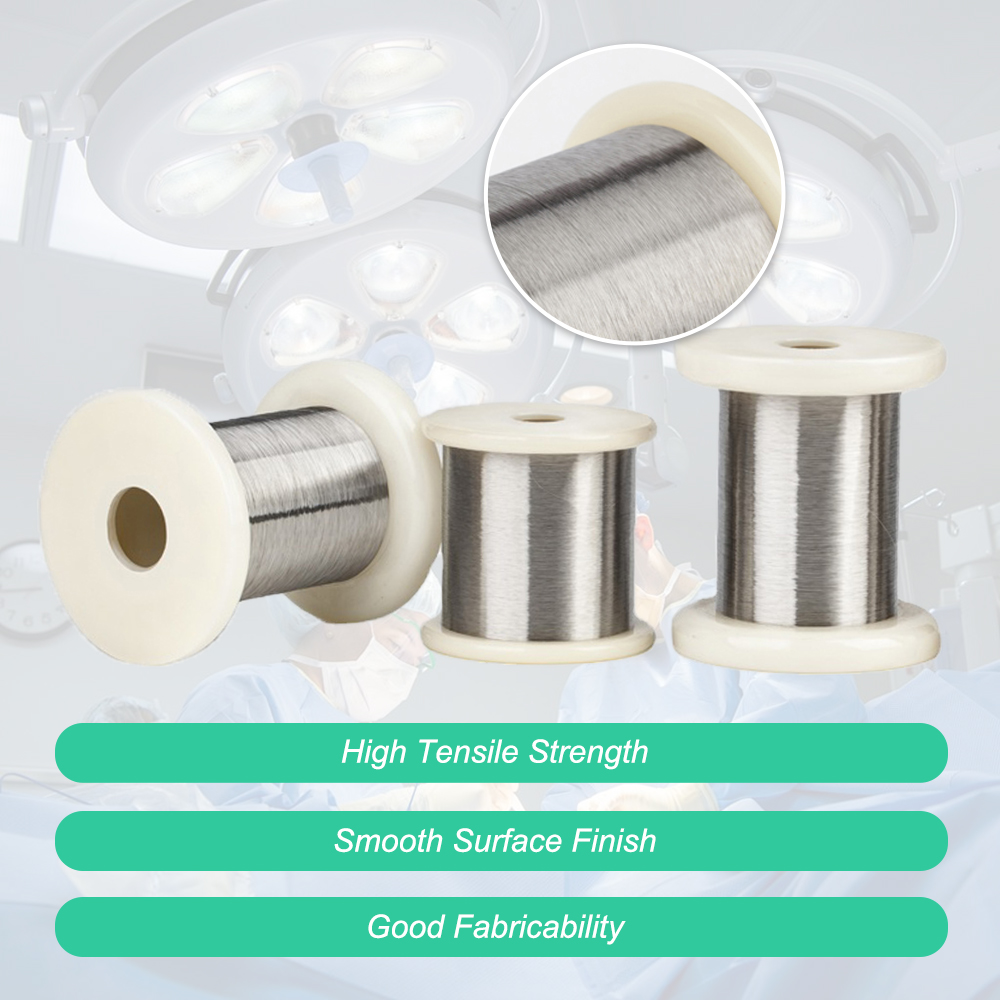
Features of Stainless Steel Medical Wire
Superior Biocompatibility and Surgical Steel Wire Durability: Crafted from medical-grade 316L stainless steel, this hypodermic needle wire ensures excellent biocompatibility, reducing risks in disposable medical devices and auxiliary instruments like biopsy needles.
Enhanced Corrosion Resistance for Disposable Hypodermic Needle Applications: The molybdenum-enhanced composition provides outstanding resistance to pitting and crevice corrosion, perfect for sterile environments in medical wire for hypodermic injections and surgical steel components.
Precision Formability in Biocompatible Medical Device Wire: With high tensile strength and flexibility, this 316L stainless steel wire allows for intricate shaping in hypodermic needle manufacturing and auxiliary medical tools, supporting custom diameters from 0.1mm to 5mm.
Compliance with Medical Standards for Auxiliary Surgical Instruments Wire: Meets ASTM A313, ISO 5832-1, and FDA guidelines, ensuring safe use in disposable biopsy needle wire and other precision medical auxiliary devices.
Cost-Effective Reliability for Global Hypodermic Needle Wire Suppliers: Offers long-term performance in corrosive medical settings, reducing downtime in production of disposable surgical steel wire and auxiliary healthcare instruments.
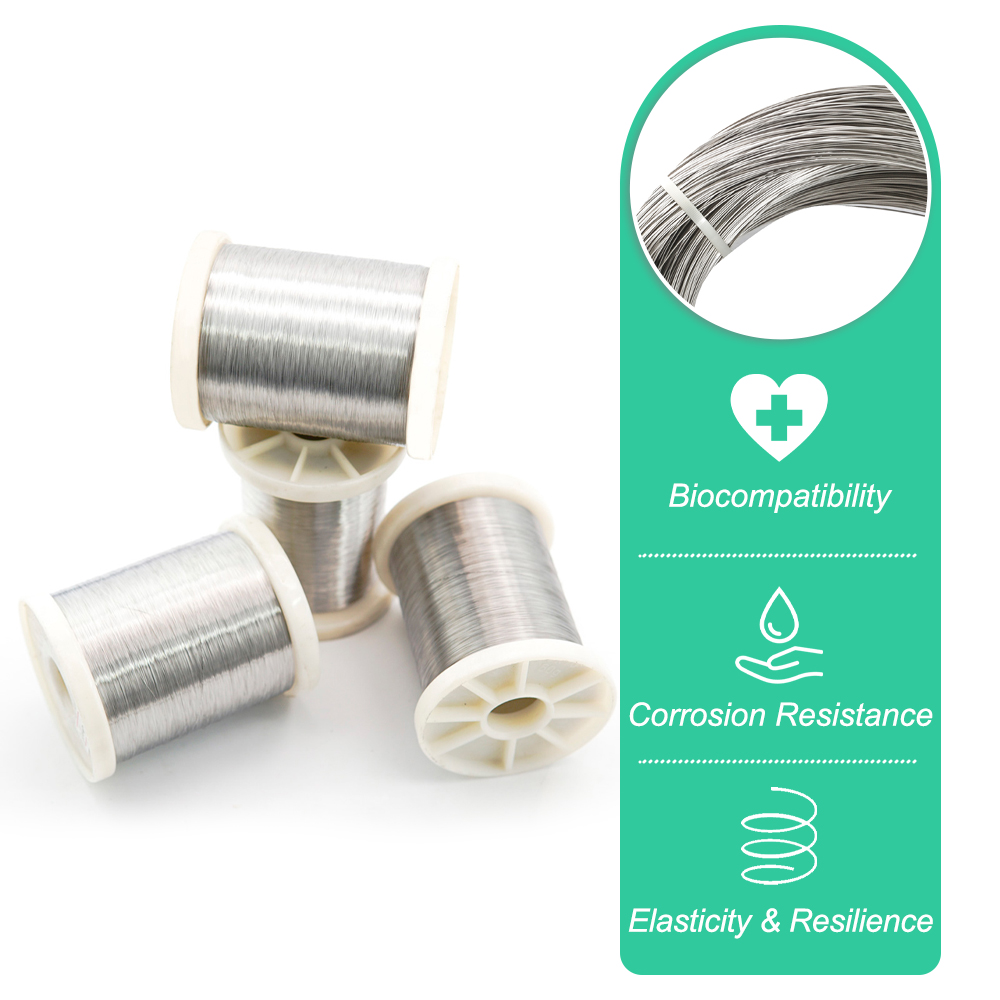
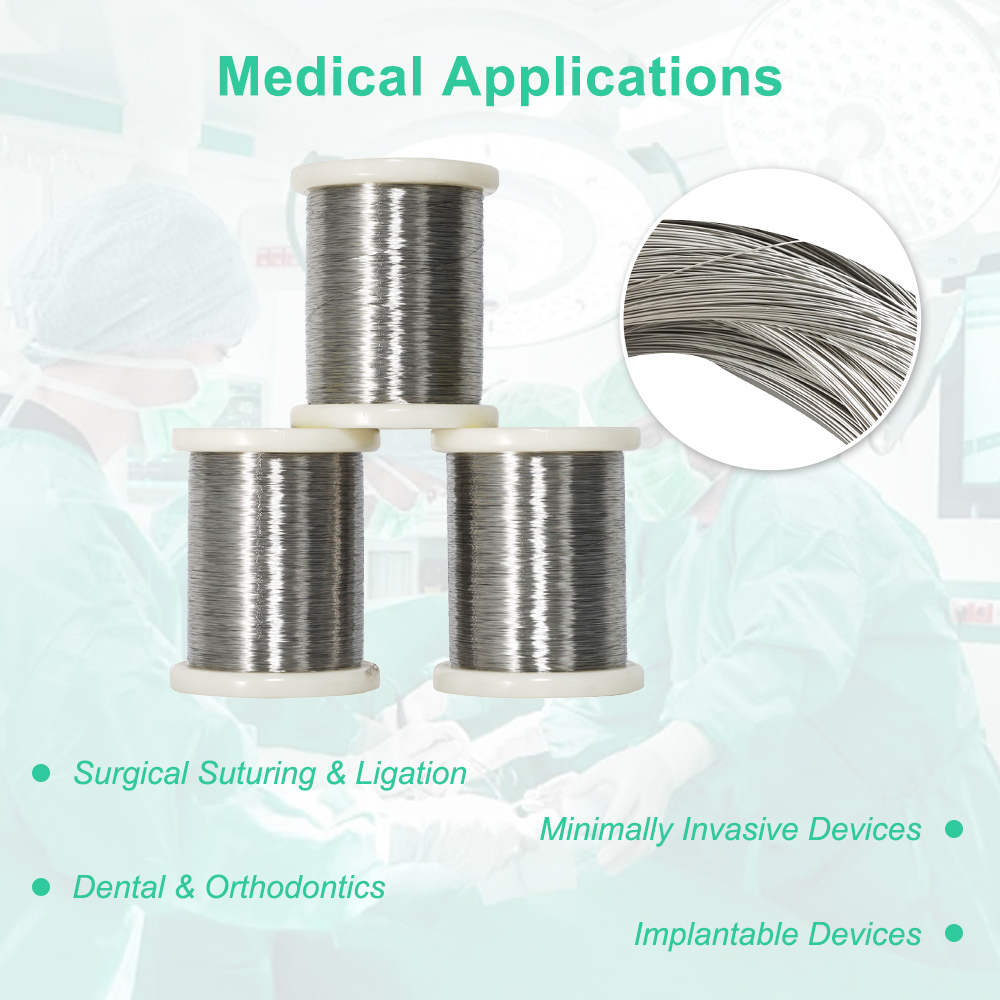
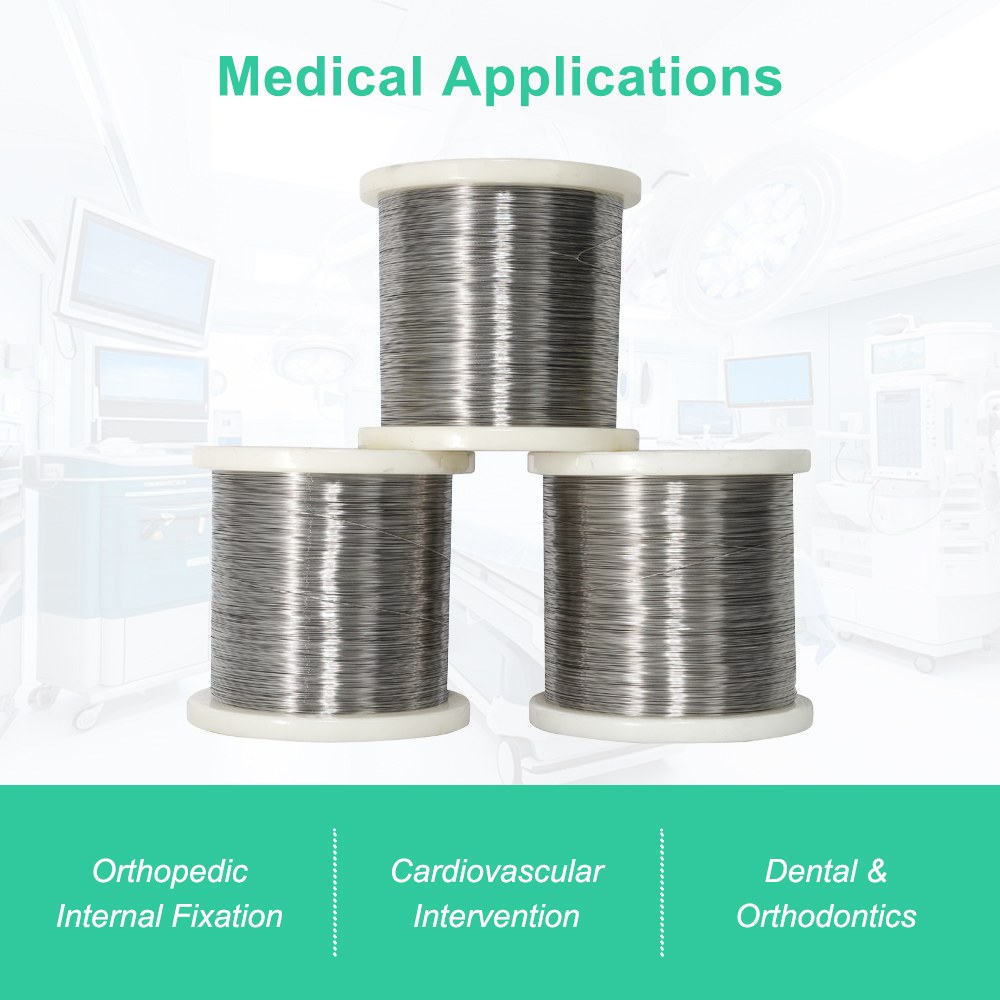
Applications of Stainless Steel Medical Wire
Hypodermic Needle Production and Biopsy Needle Wire Integration: Essential for crafting sharp, durable tips in disposable hypodermic needles, ensuring precise fluid delivery in medical injections and surgical procedures.
Auxiliary Medical Devices and Surgical Steel Cannula Applications: Used in cannulas, guidewires, and orthopedic pins as biocompatible wire, supporting minimally invasive auxiliary instruments in disposable healthcare settings.
Disposable Medical Instruments and Corrosion-Resistant Wire Solutions: Ideal for single-use biopsy tools and diagnostic devices, where 316L stainless steel hypodermic wire provides strength without compromising sterility.
Advanced Medical Auxiliary Tools and Precision Wire for Injection Systems: Applied in insulin pens, vaccine delivery systems, and other auxiliary hypodermic devices, enhancing reliability in global medical manufacturing.
Custom Surgical Wire for Biocompatible Auxiliary Healthcare Applications: Supports specialized uses in dental needles and endoscopic tools, offering tailored solutions for disposable medical wire needs.
ABOUT US
Victory Alloy Co., Ltd. is a professional manufacturer specializing in medical alloy materials, with a dedicated focus on the research, development and production of high-performance biomedical alloys.
Our primary product range includes medical-grade titanium alloys, Nitinol (nickel-titanium alloy), cobalt-chromium (CoCr) alloys, platinum-iridium (Pt-Ir) alloys, and medical stainless steel. These high-quality alloys are widely applied in a broad spectrum of medical fields, such as cardiovascular stents, orthopedic implants, interventional guidewires, dental implants, surgical instruments, and disposable medical auxiliary devices. Boasting outstanding biocompatibility, strong corrosion resistance and excellent mechanical properties, our products have won consistent praise from customers across the board.

Client Visits
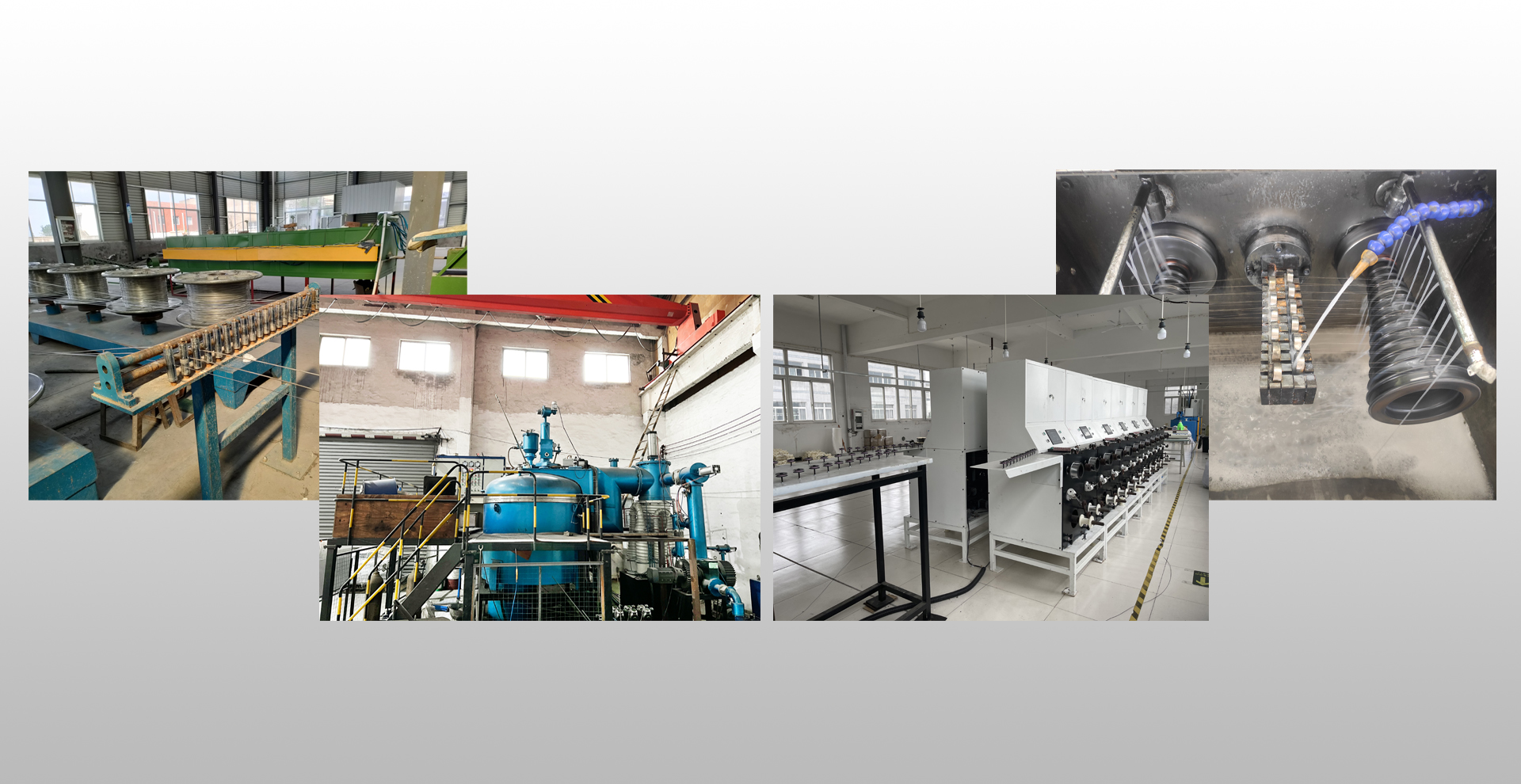
We welcome client visits to showcase our manufacturing and testing processes. Clients can explore our facility, discuss specific needs, and learn about our quality control methods. Our team ensures a personalized experience to meet your exact requirements for medical applications.

 Our Factory
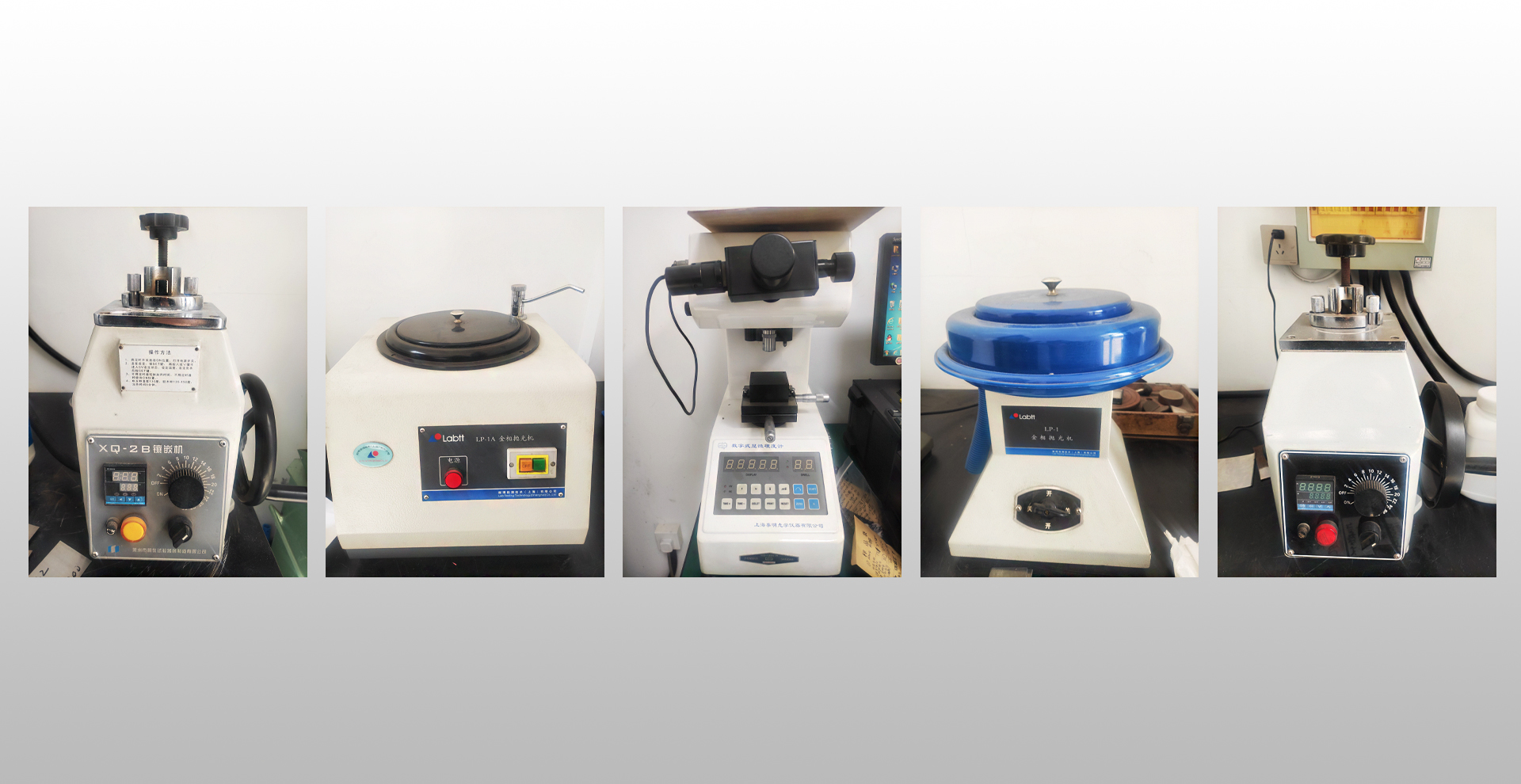
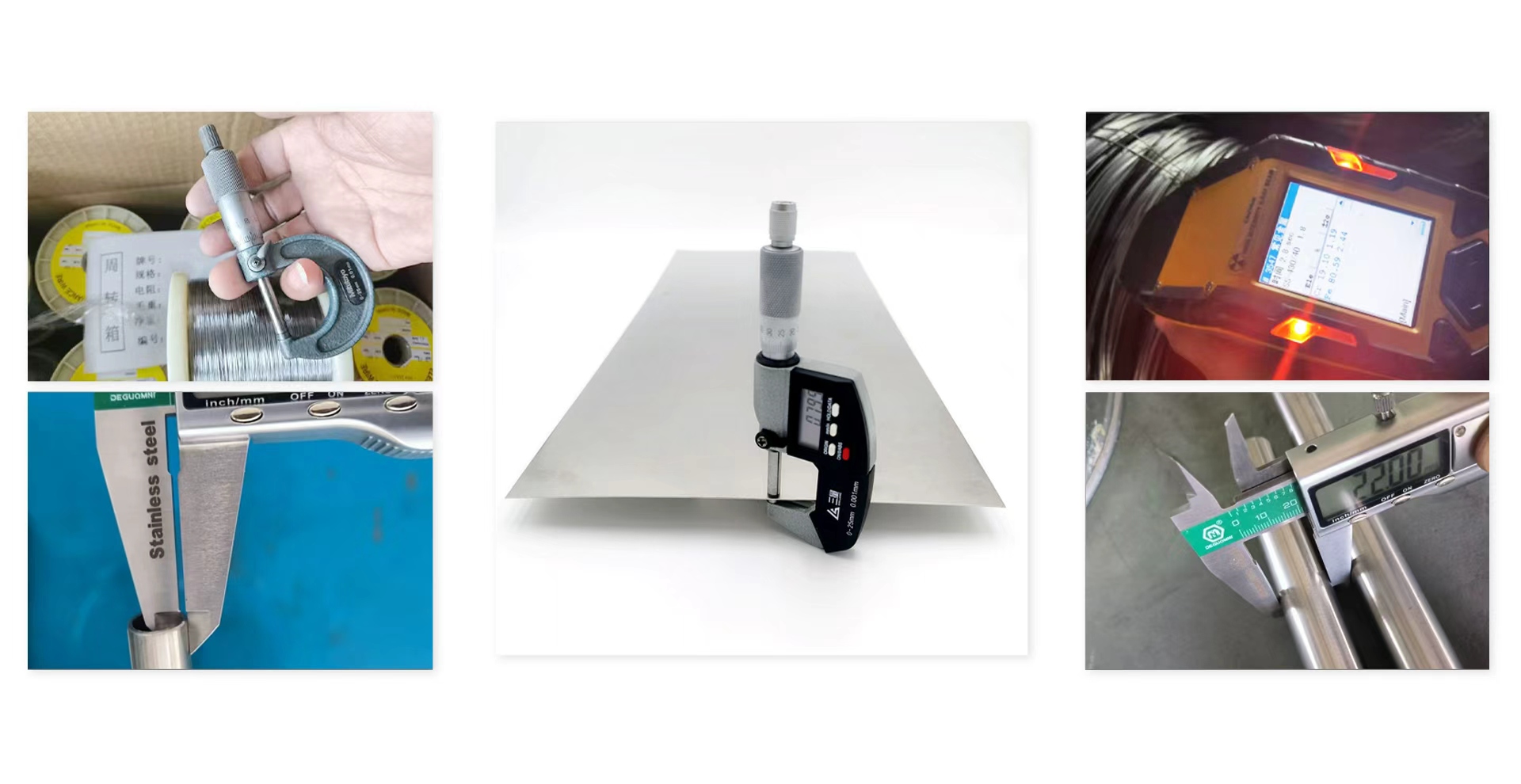
Quality Testing of the Product
Our product undergoes strict testing for tensile strength, corrosion resistance, and biocompatibility to ensure reliable performance in joint implants. We use advanced methods to verify its safety and durability, and all products meet international medical standards for consistent, long-term use in the body.
FAQs on Stainless Steel Medical Wire Supplier
What makes 316L stainless steel wire ideal for hypodermic needles and biocompatible medical devices?
316L stainless steel hypodermic needle wire offers superior corrosion resistance and biocompatibility, making it perfect for disposable surgical instruments and auxiliary medical tools that require precision and safety in healthcare applications.
How does this medical wire comply with standards for disposable hypodermic needle manufacturing?
Our 316L stainless steel medical wire adheres to ASTM F138, ISO 13485, and FDA regulations, ensuring it's suitable for biopsy needle wire and other auxiliary surgical steel components in global disposable devices.
What diameters are available for corrosion-resistant 316L stainless steel wire in auxiliary medical instruments?
We provide customizable diameters ranging from 0.1mm to 5mm for hypodermic needle wire, ideal for precision applications in disposable biopsy tools and surgical steel auxiliary devices.
Can this biocompatible hypodermic needle wire be used in custom medical auxiliary applications?
Yes, our surgical steel wire is highly formable for tailored uses in disposable medical devices, including cannulas, guidewires, and injection systems for enhanced auxiliary healthcare solutions.
Why choose 316L stainless steel for disposable medical wire over other materials in hypodermic needle production?
Its low carbon content and molybdenum alloy provide better weldability, strength, and resistance to sterilization processes, outperforming standard steels in biocompatible auxiliary instruments and surgical wire applications.