
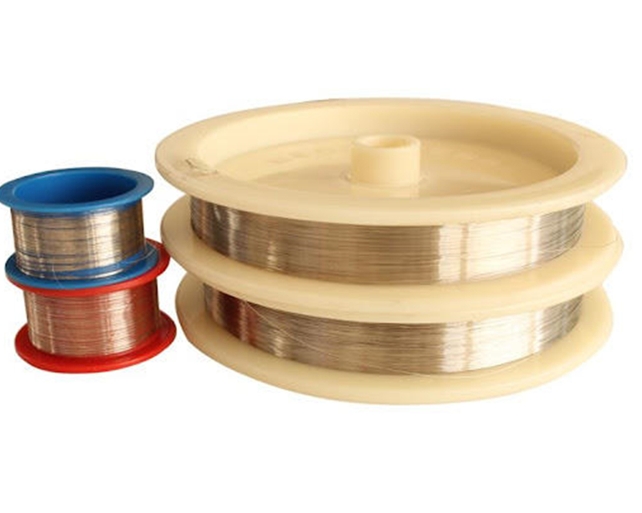
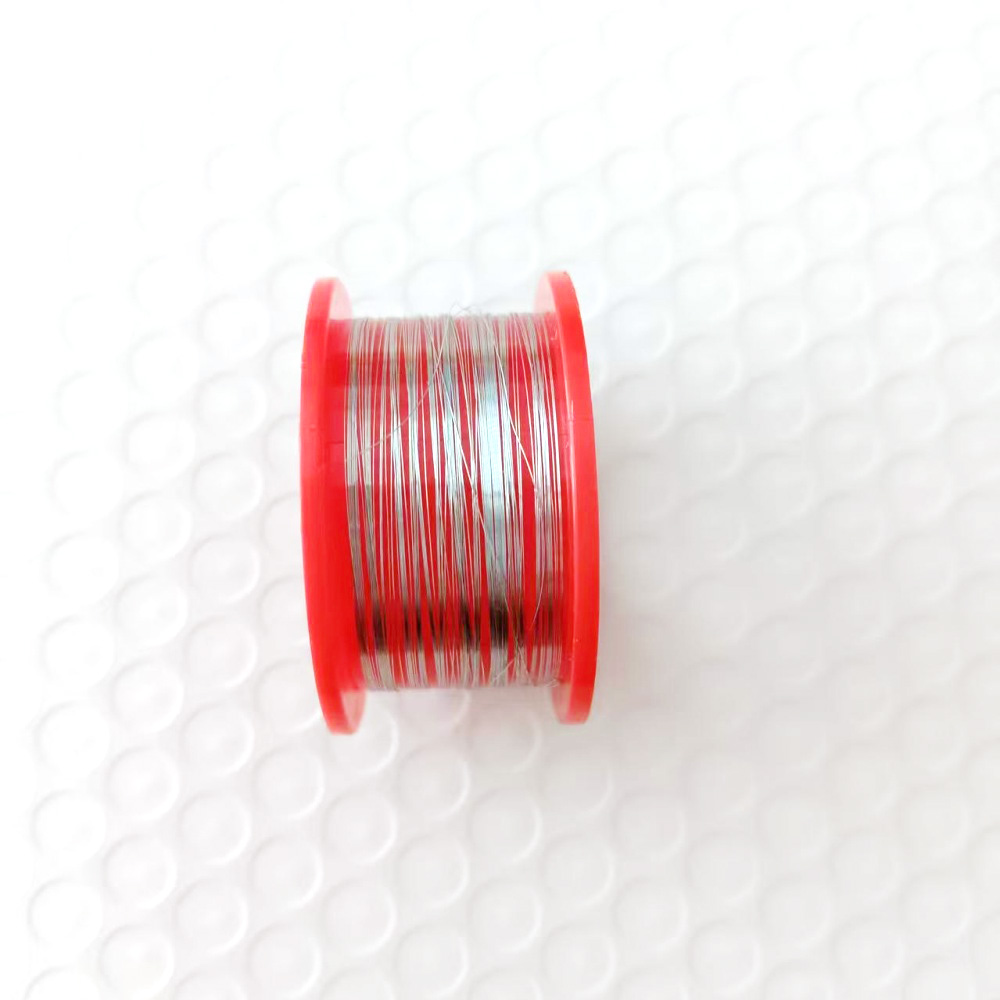
Overview of High-Tensile Platinum Iridium Wire
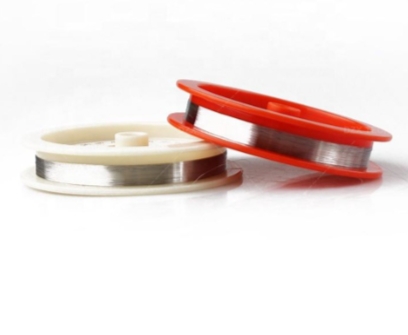
High-tensile PtIr wire components, crafted from platinum iridium alloy, represent a breakthrough in medical electronics and precision components for robotic medical systems. These wires are engineered to withstand extreme mechanical stresses while maintaining biocompatibility and electrical conductivity, making them essential for modern healthcare innovations. In the realm of robotic surgery tools and implantable medical devices, PtIr wire offers unmatched tensile strength—often exceeding 1000 MPa—ensuring longevity and performance in high-precision environments. Whether integrated into minimally invasive surgical robots or diagnostic equipment, these components support global medical advancements by combining noble metal properties with advanced manufacturing techniques, catering to OEMs in medical device fabrication across international standards.
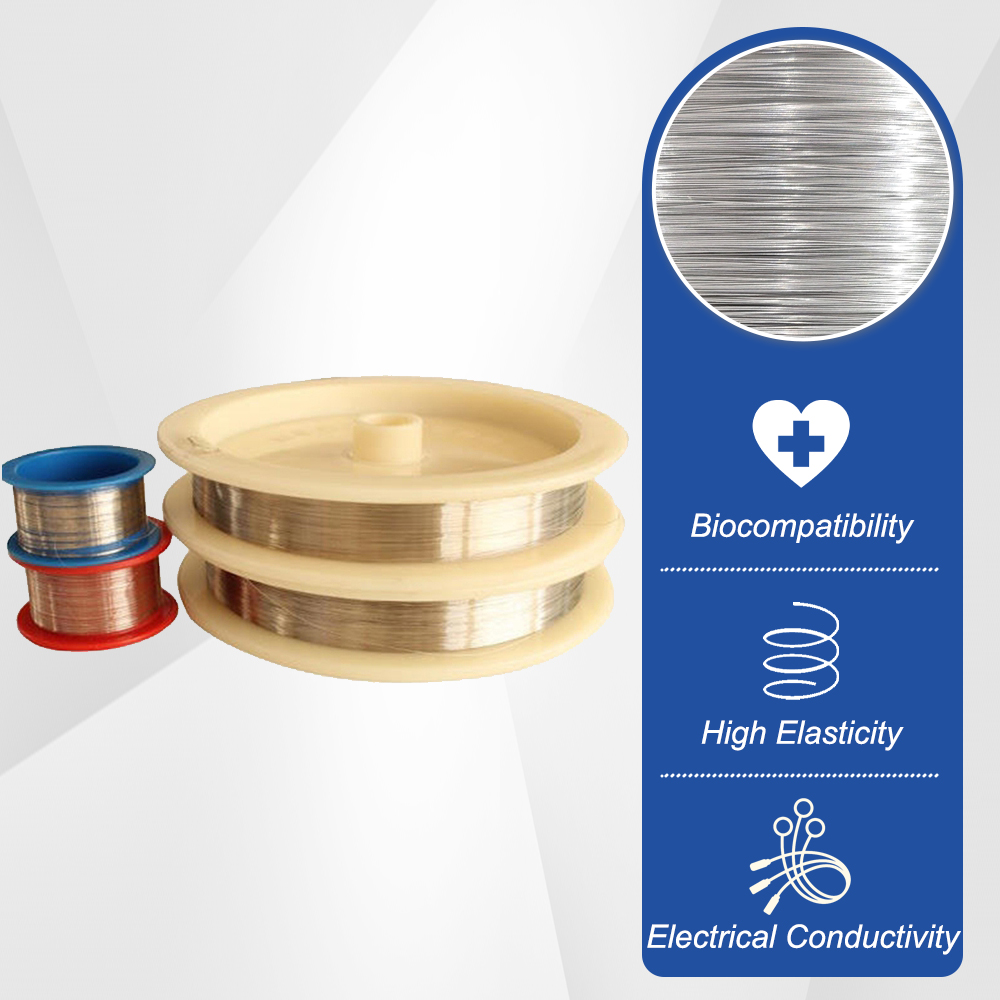
Features of Durable PtIr Alloy Wire for Robotic Medical Systems
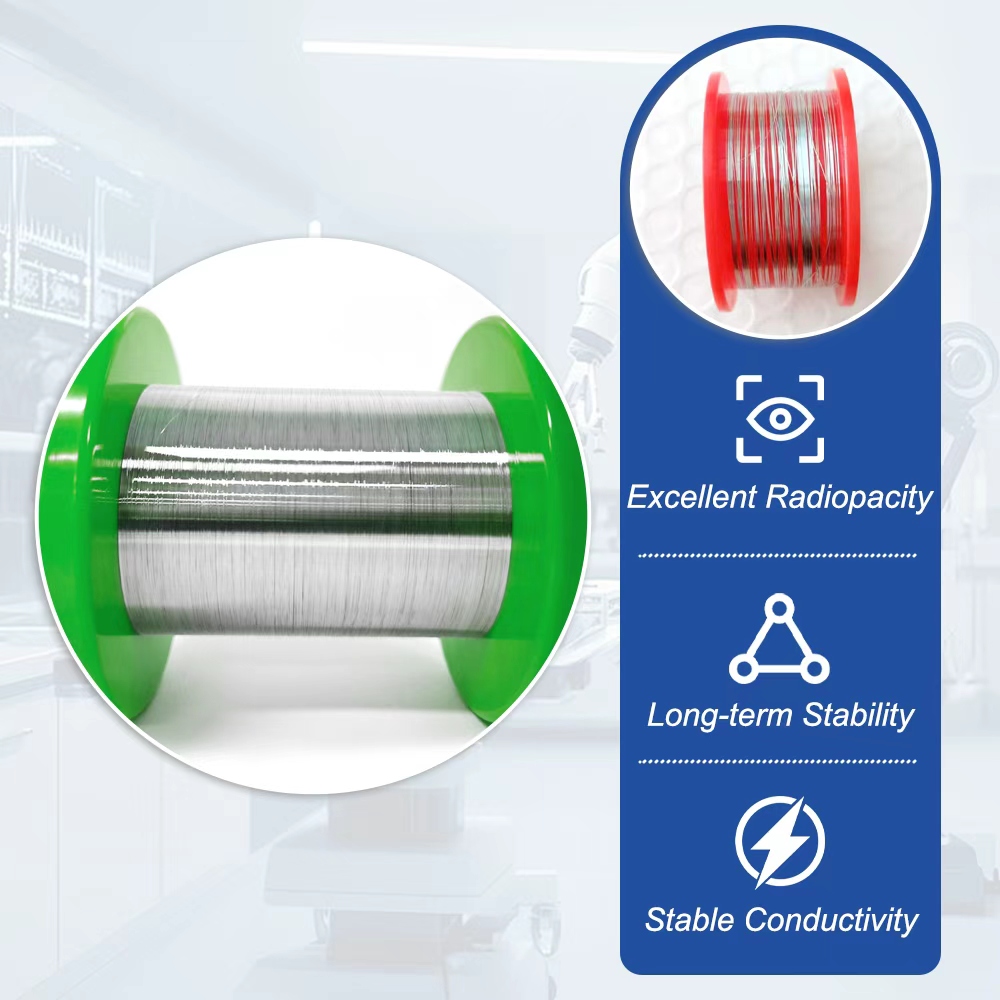
Superior Tensile Strength in Platinum Iridium Wire for Medical Electronics: Boasts high-tensile ratings up to 1200 MPa, ideal for robotic arms and flexible medical probes, reducing breakage risks in precision surgical applications.
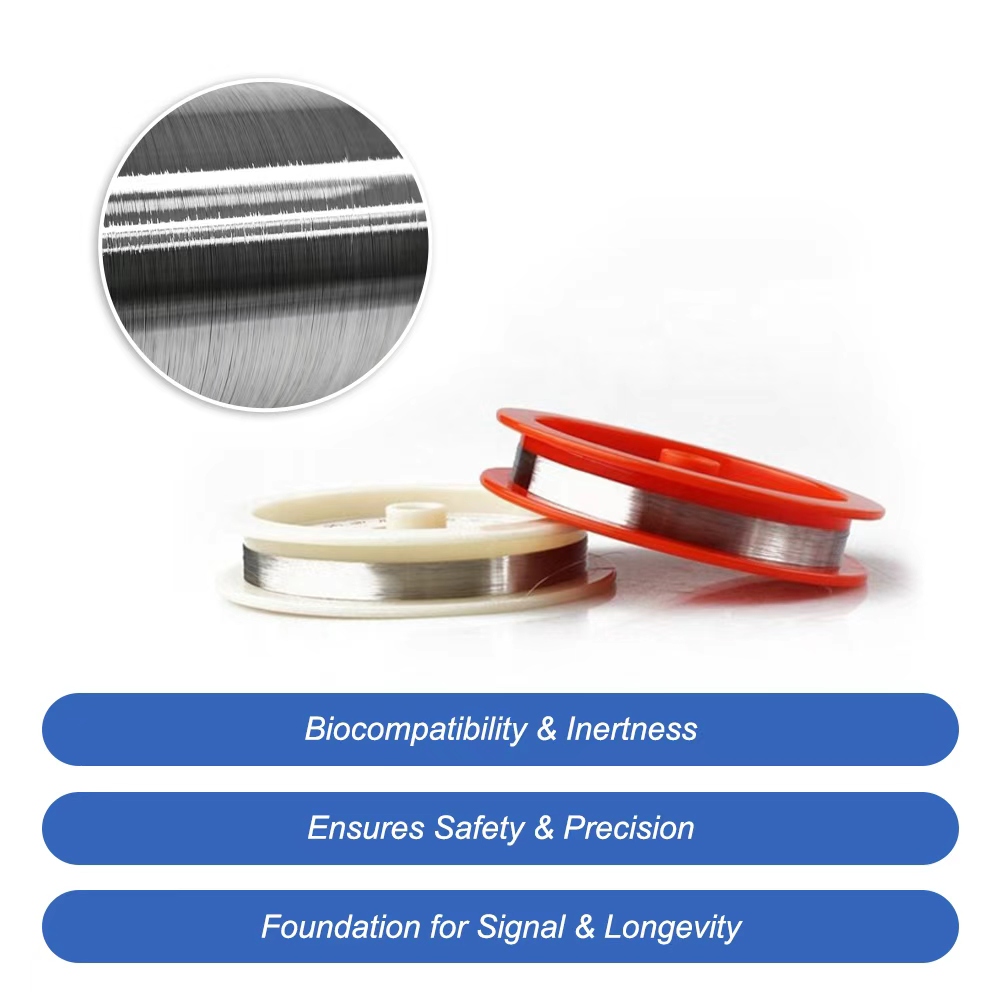
Biocompatibility and Corrosion Resistance in PtIr Components for Implantable Devices: Compliant with USP Class VI standards, these platinum iridium alloy wires resist bodily fluids and sterilization processes, ensuring safe use in long-term medical implants and electronics.
Excellent Electrical Conductivity for Precision Wiring in Robotic Surgery Systems: Low resistivity enables seamless signal transmission in medical robotics, supporting real-time data in endoscopic tools and catheter navigation systems.
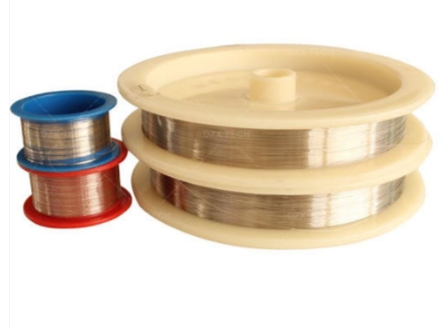
Customizable Diameters and Lengths for Medical Device Manufacturing: Available in diameters from 0.01mm to 1mm, tailored for specific precision components in global robotic medical applications, enhancing design flexibility.
High Fatigue Resistance in Alloy Wire for Demanding Medical Environments: Withstands repeated bending and twisting in robotic manipulators, promoting reliability in high-volume medical electronics production.
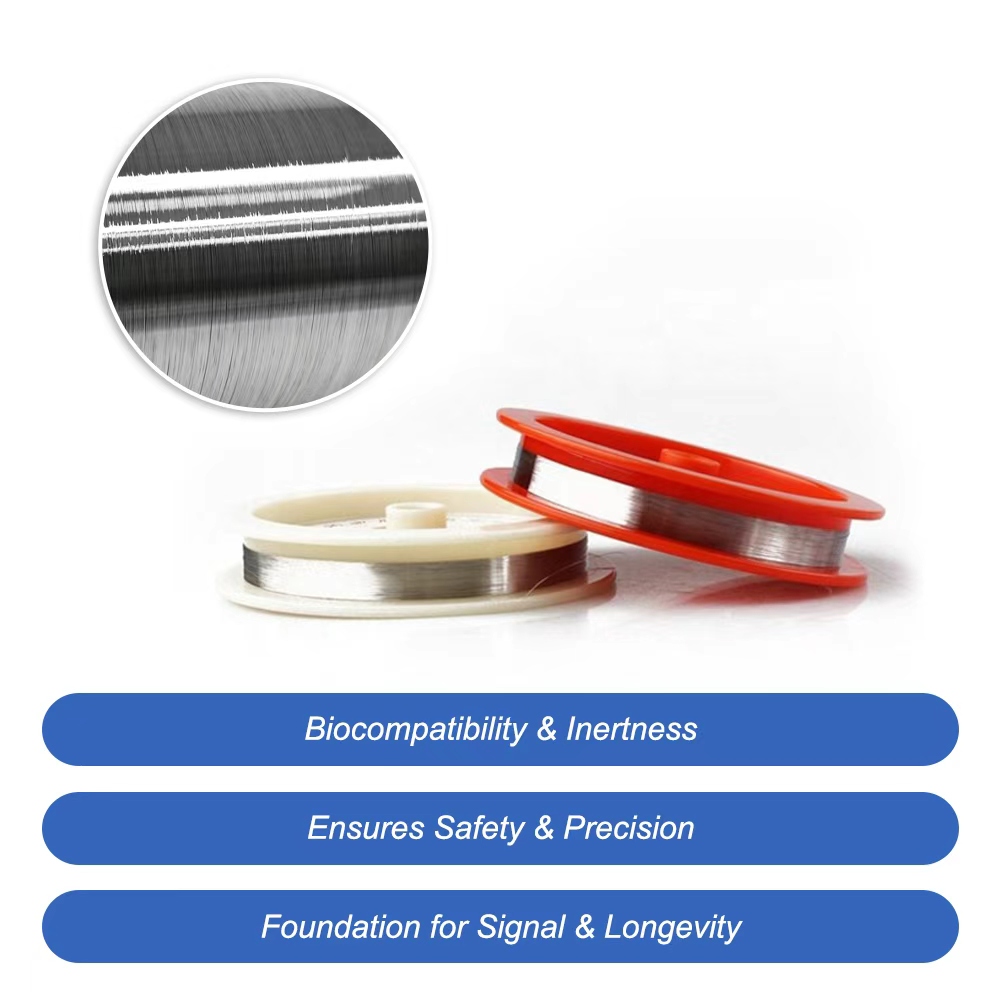
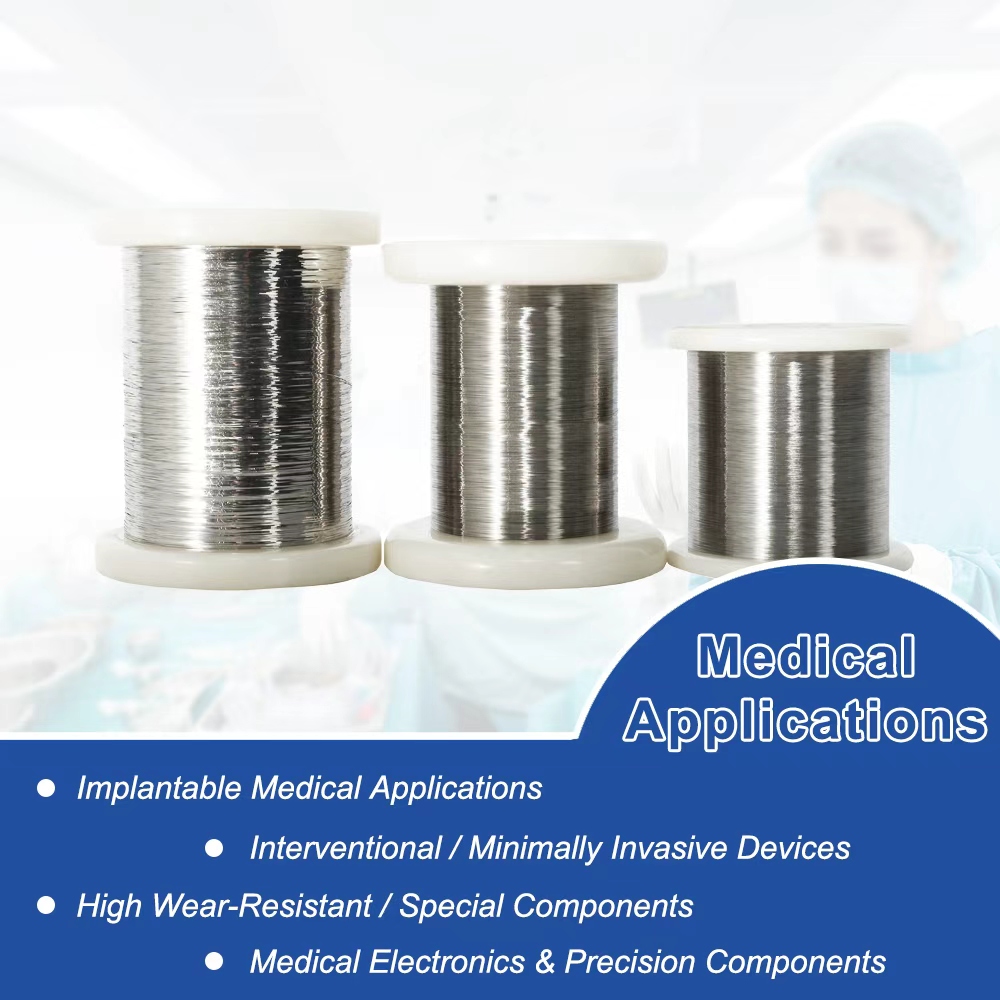
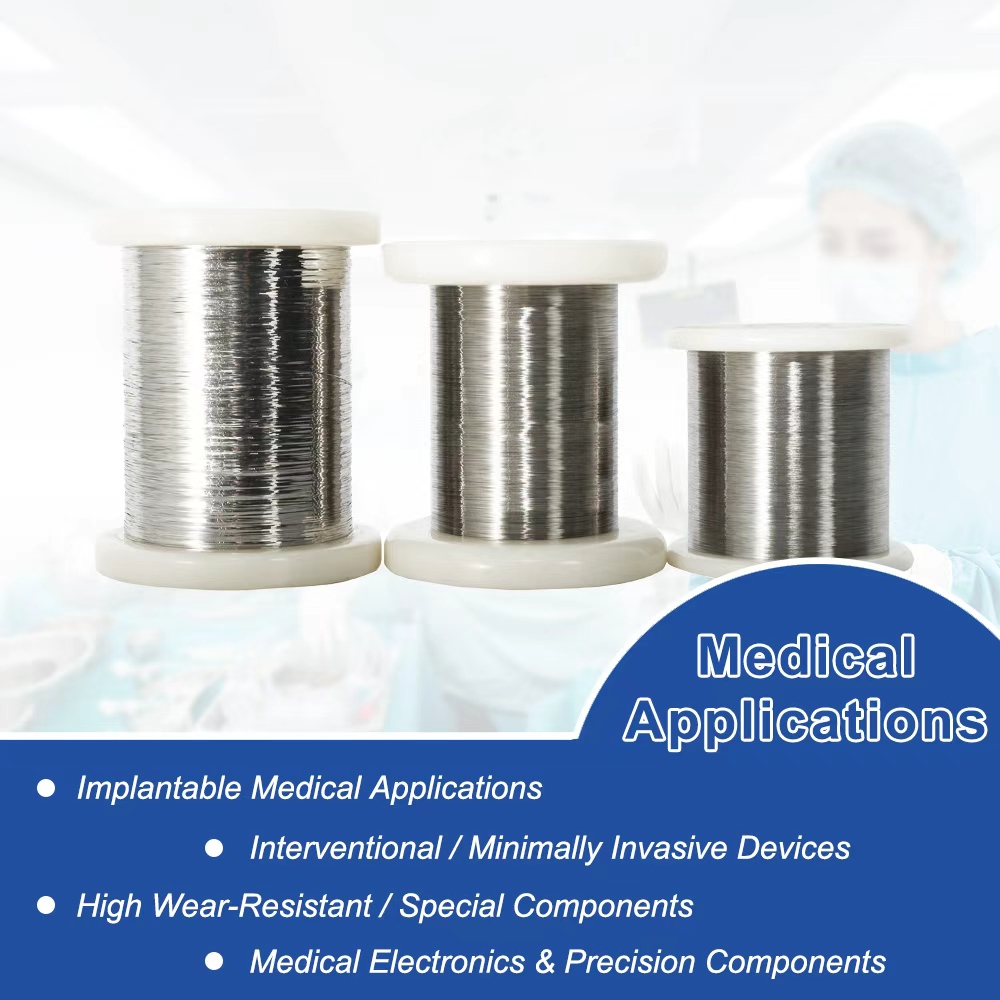
Implantable Medical Applications of High-Tensile PtIr Wire in Advanced Medical Electronics
Robotic Surgery Systems and Minimally Invasive Tools: Utilized in robotic arms and end-effectors for precise tissue manipulation, where platinum iridium wire provides the strength needed for articulated medical robots in operating rooms worldwide.
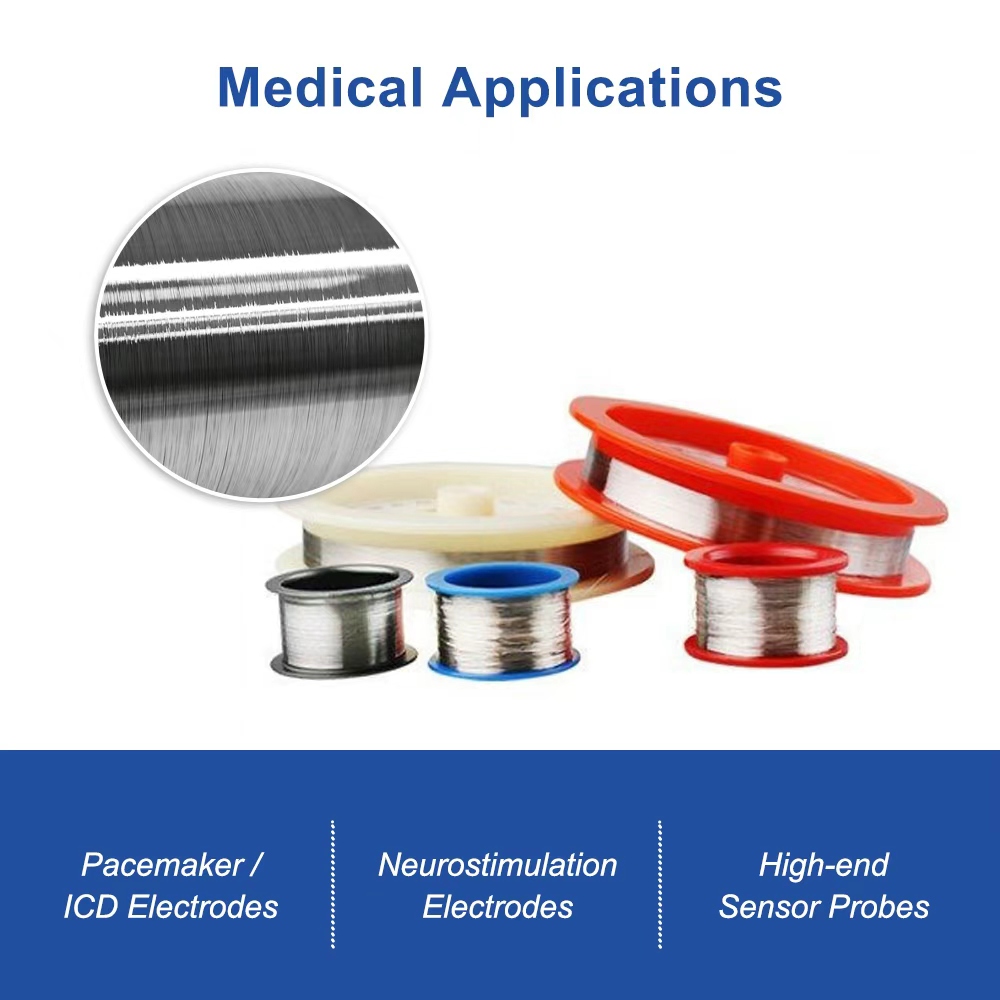
Implantable Medical Devices and Cardiac Pacemakers: Integrated into leads and sensors for pacemakers and defibrillators, leveraging PtIr alloy's biocompatibility for long-term implantation in cardiovascular medical electronics.
Catheter Guides and Endoscopic Wiring: Essential for flexible catheters in interventional radiology, offering high-tensile support to navigate vascular systems with minimal patient trauma in precision medical procedures.
Diagnostic Equipment and Imaging Probes: Employed in ultrasound and MRI-compatible probes, where the wire's conductivity enhances signal accuracy in global healthcare diagnostics and precision component assemblies.
Wearable Medical Electronics and Biosensors: Supports compact designs in wearable health monitors, providing durable connections for real-time monitoring in consumer and professional medical applications across regions.
ABOUT US
Victory Alloy Co., Ltd. is a professional manufacturer specializing in medical alloy materials, with a dedicated focus on the research, development and production of high-performance biomedical alloys.
Our primary product range includes medical-grade titanium alloys, Nitinol (nickel-titanium alloy), cobalt-chromium (CoCr) alloys, platinum-iridium (Pt-Ir) alloys, and medical stainless steel. These high-quality alloys are widely applied in a broad spectrum of medical fields, such as cardiovascular stents, orthopedic implants, interventional guidewires, dental implants, surgical instruments, and disposable medical auxiliary devices. Boasting outstanding biocompatibility, strong corrosion resistance and excellent mechanical properties, our products have won consistent praise from customers across the board.

Client Visits
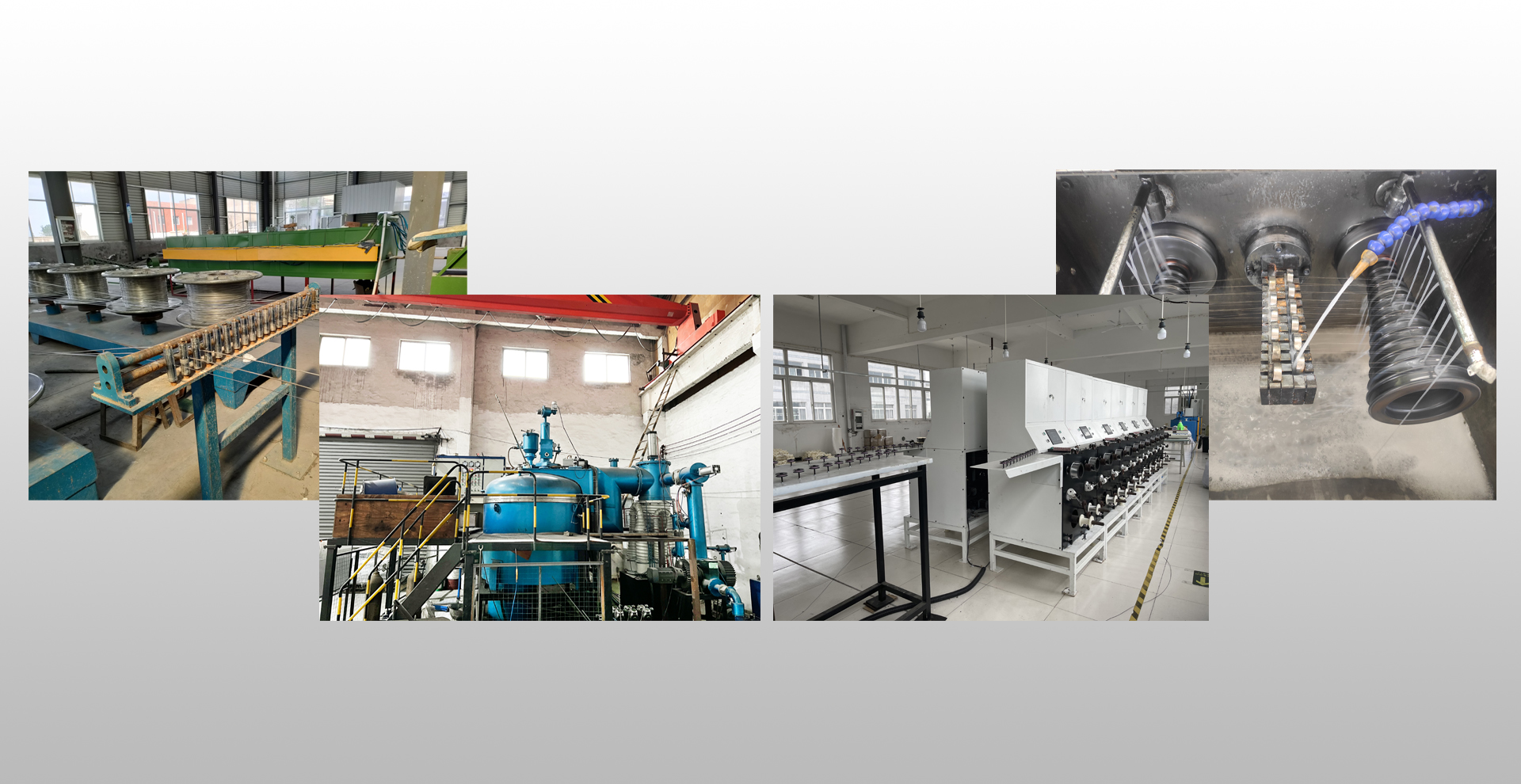
We welcome client visits to showcase our manufacturing and testing processes. Clients can explore our facility, discuss specific needs, and learn about our quality control methods. Our team ensures a personalized experience to meet your exact requirements for medical applications.

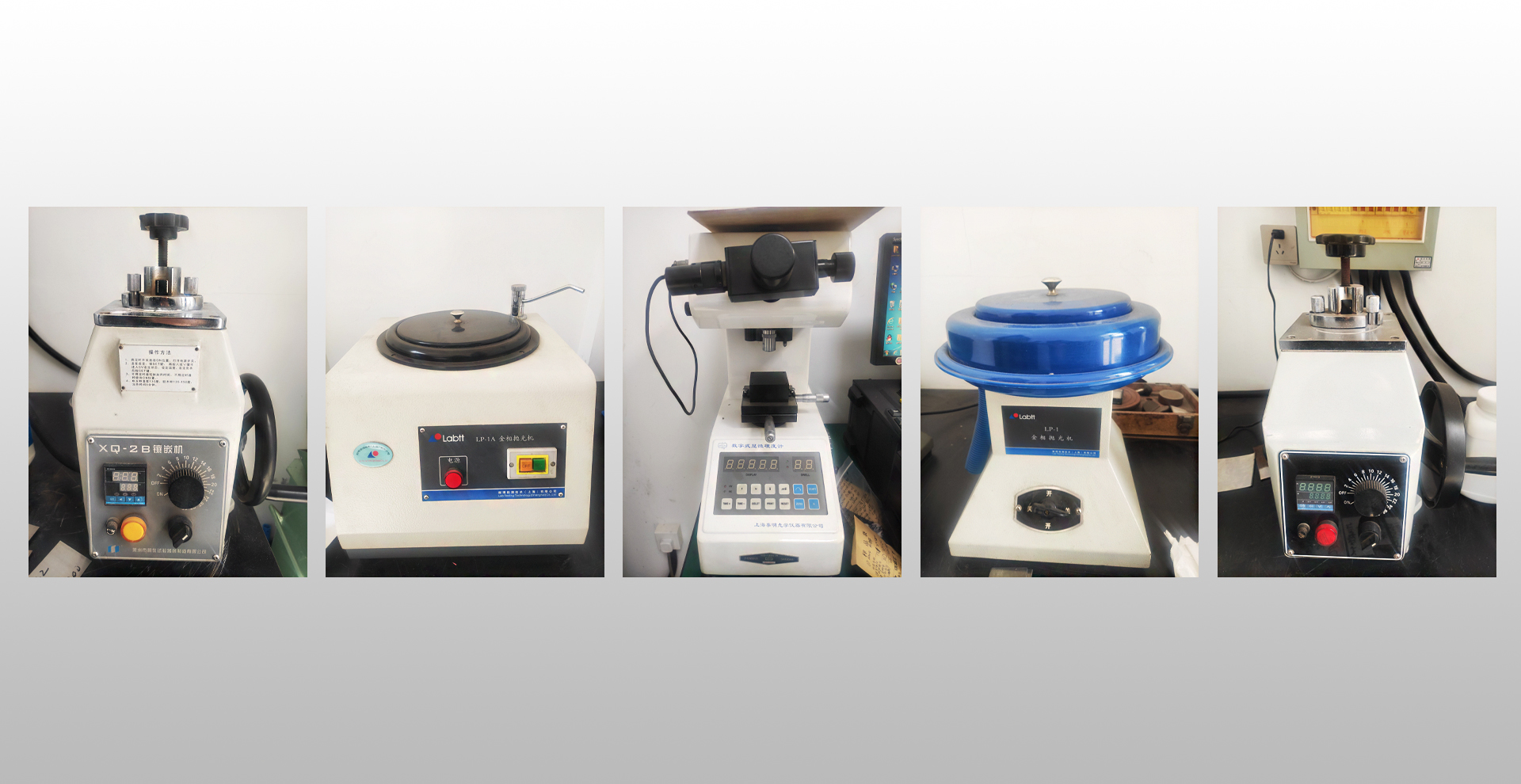
 Our Factory
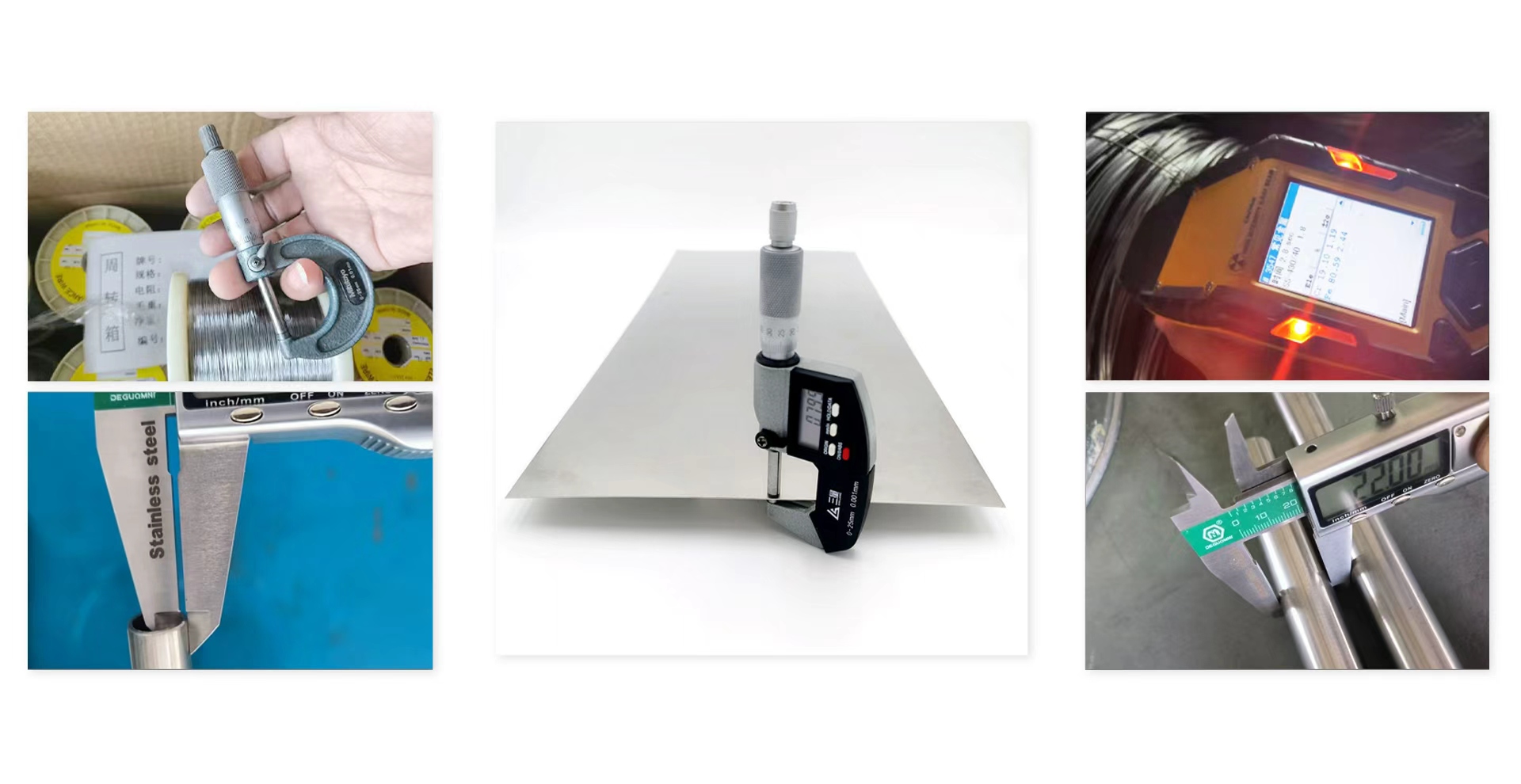
Quality Testing of the Product
Our product undergoes strict testing for tensile strength, corrosion resistance, and biocompatibility to ensure reliable performance in joint implants. We use advanced methods to verify its safety and durability, and all products meet international medical standards for consistent, long-term use in the body.
FAQs About Medical Grade Platinum Iridium Wire for Interventional Guidewires
What makes high-tensile PtIr wire suitable for robotic medical systems and platinum iridium alloy applications?
High-tensile PtIr wire excels due to its platinum iridium composition, offering exceptional strength, biocompatibility, and resistance to fatigue, making it ideal for precision components in robotic surgery and medical electronics where reliability is critical.
How does PtIr alloy wire compare to other materials in medical device manufacturing and precision wiring?
Compared to stainless steel or titanium, PtIr alloy provides superior corrosion resistance and electrical properties, reducing failure rates in implantable devices and robotic medical systems, while meeting stringent global standards for medical electronics.
Can high-tensile platinum iridium wire be customized for specific medical electronics and robotic applications?
Yes, we offer customization in diameter, length, and coating for PtIr wire, tailored to your robotic medical systems or precision components needs, ensuring compatibility with international medical device regulations.
What are the biocompatibility standards for PtIr wire in implantable medical devices and precision components?
Our high-tensile PtIr wire complies with ISO 10993 and USP Class VI, ensuring safe use in long-term implants and robotic surgery tools within medical electronics frameworks.