
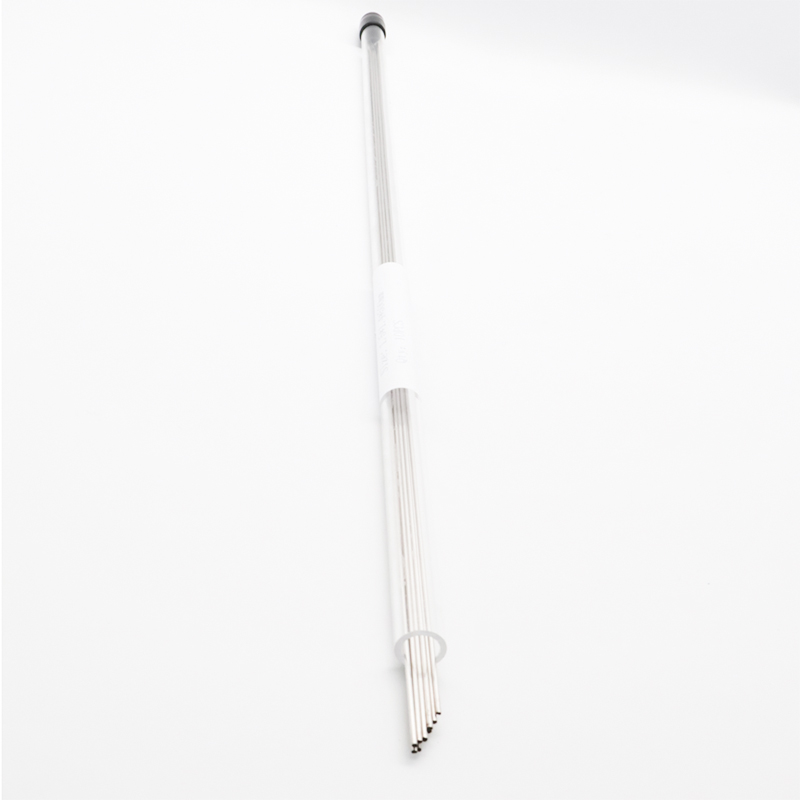
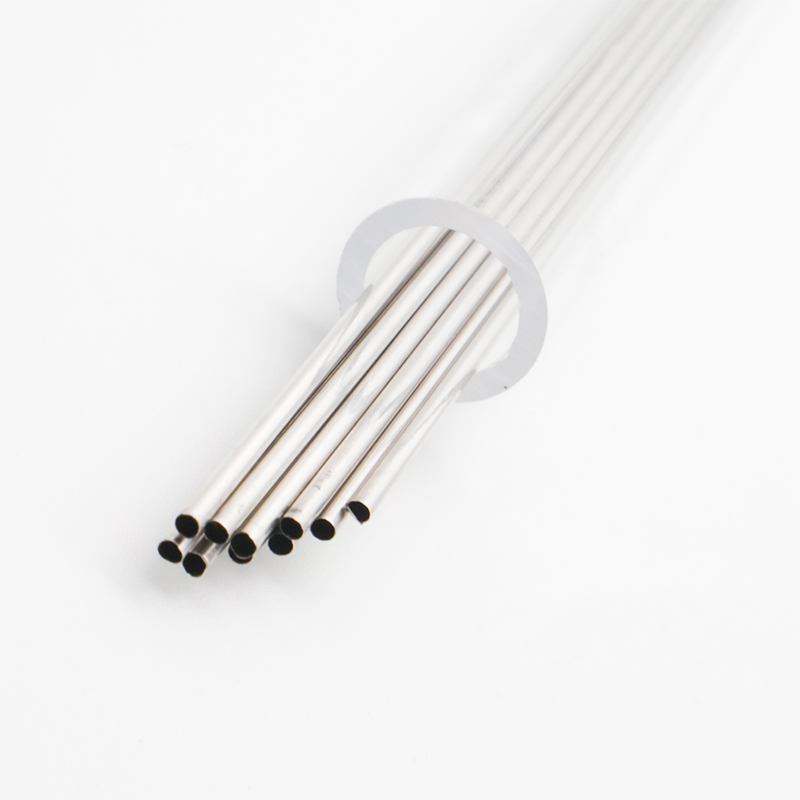
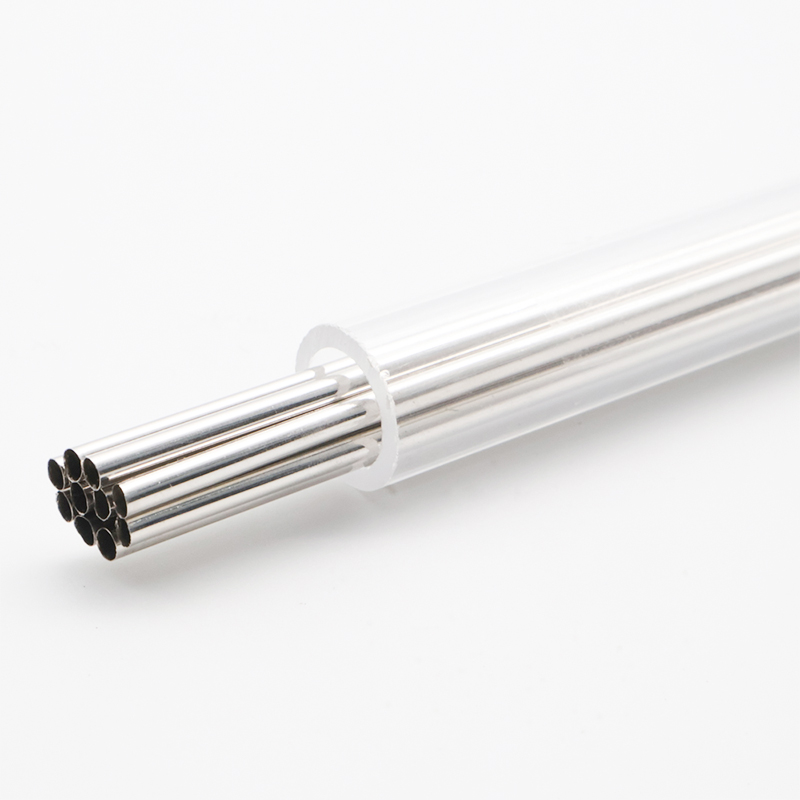
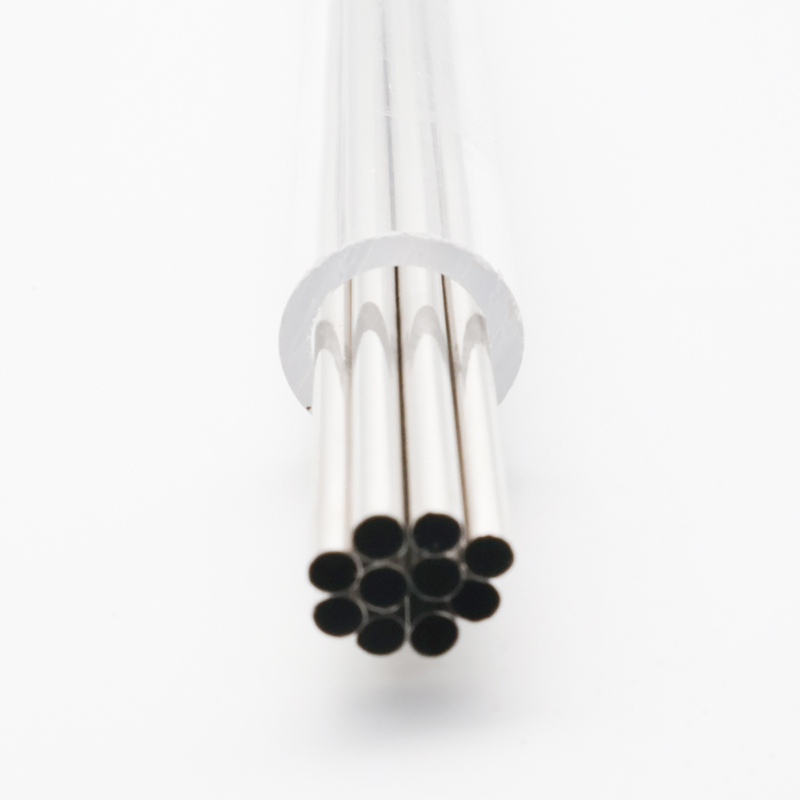
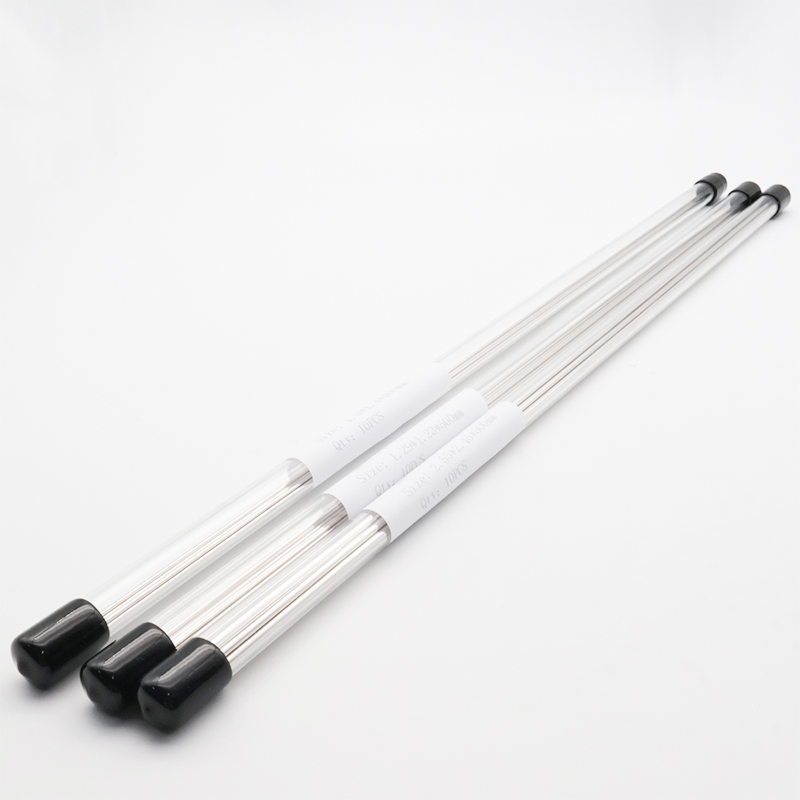
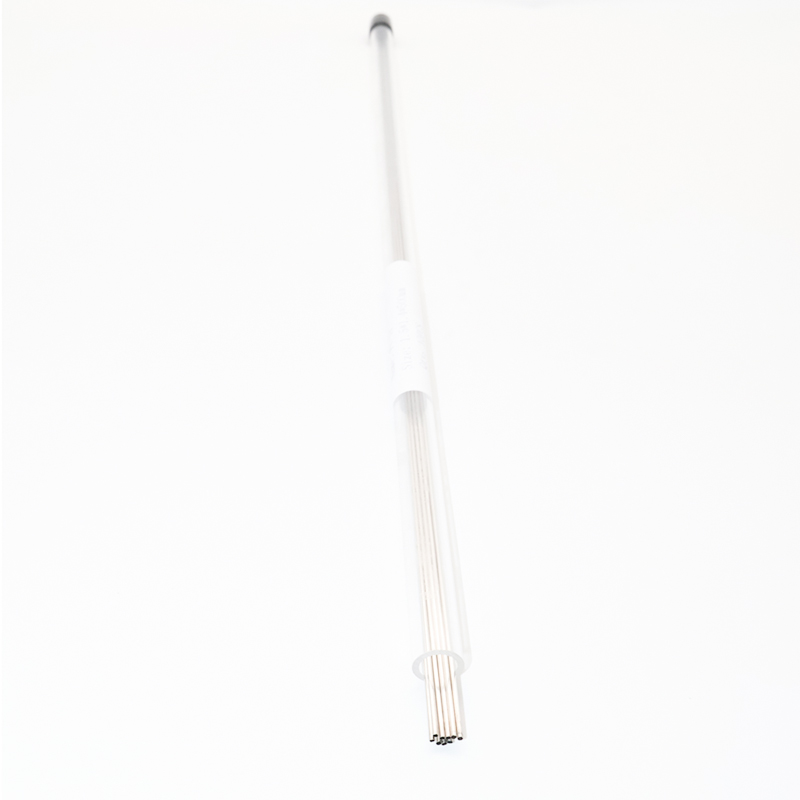
Overview of Superior Biocompatibility Pt-Ir Alloy Tubes
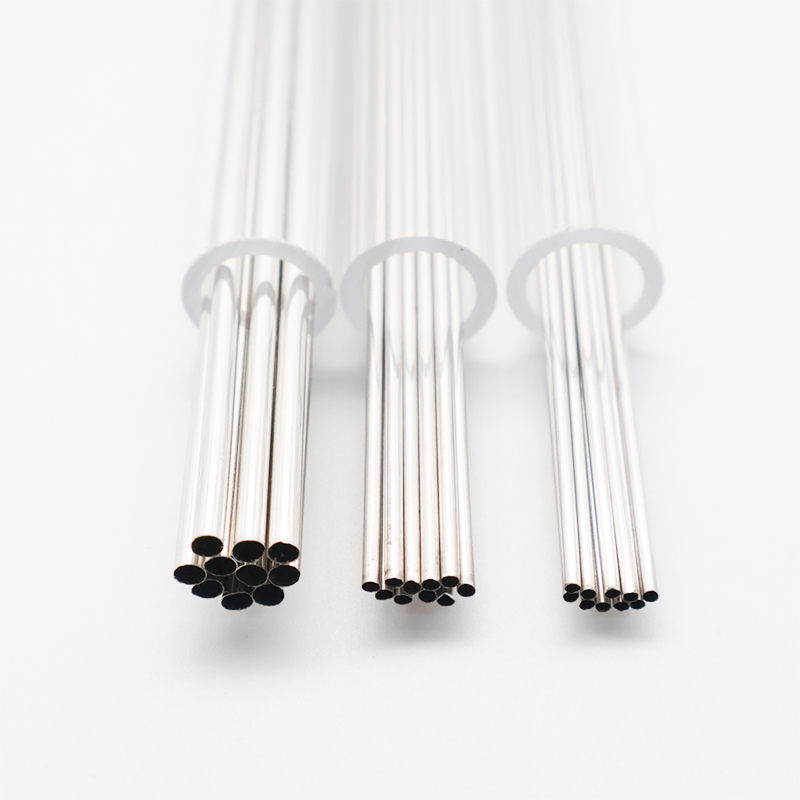
Our Pt-Ir alloy tubes represent the gold standard in implantable medical tubing. Manufactured from high-purity platinum-iridium alloys (commonly Pt90/Ir10 or Pt80/Ir20), these precision tubes combine unmatched biocompatibility with mechanical robustness, making them ideal for long-term implantation in the human body.
They meet stringent FDA and ISO 10993 requirements for permanent tissue contact while offering excellent radiopacity for fluoroscopic guidance, superior corrosion resistance against bodily fluids, and reliable electrical performance for stimulation and sensing applications. Whether used in cardiac rhythm management, neuromodulation, or interventional devices, this medical-grade platinum iridium tubing ensures safety, precision, and longevity in demanding implantable environments.
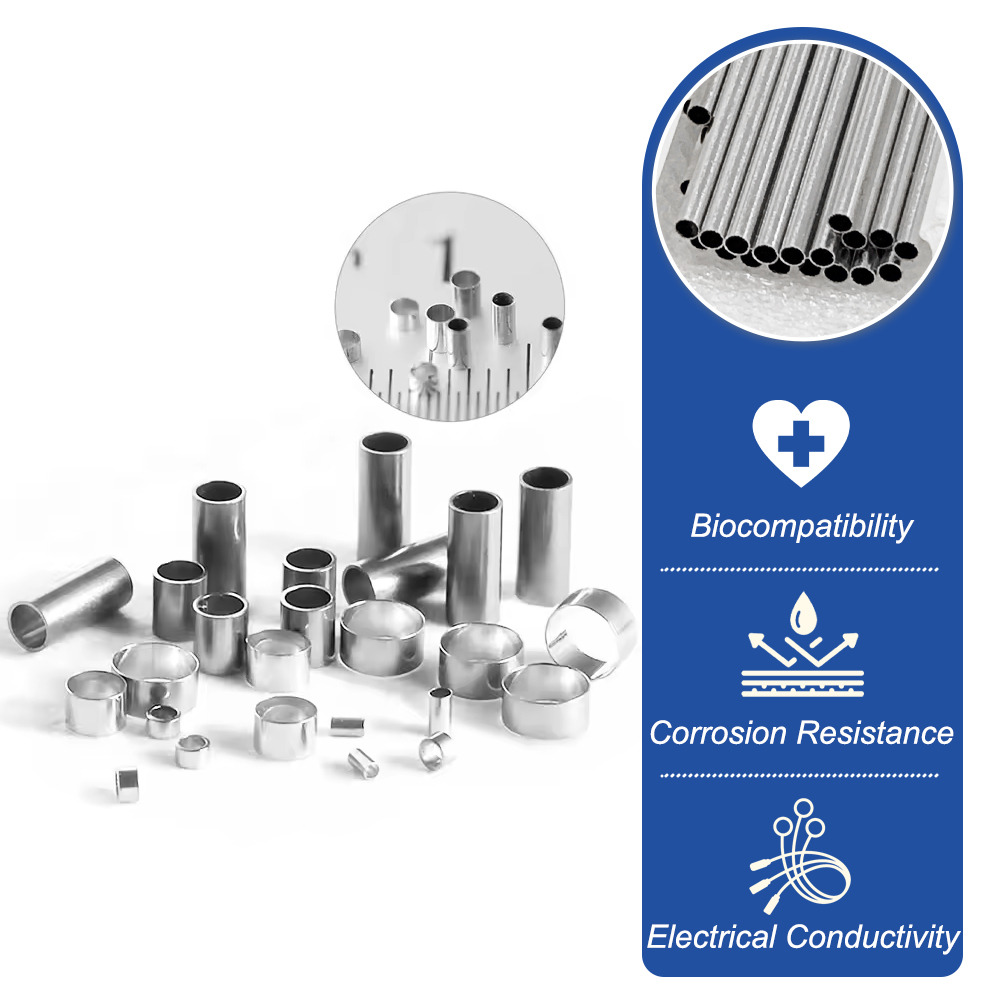
Features of Medical-Grade Platinum Iridium Alloy Tubing
Superior Biocompatibility — Minimizes inflammatory response and supports long-term tissue integration for safe permanent implantation.
Excellent Corrosion Resistance — Withstands physiological environments without degradation, ensuring device reliability over years.
High Radiopacity — Provides outstanding visibility under X-ray and fluoroscopy, critical for precise placement of marker bands and electrodes.
Superior Electrical Conductivity — Ideal for electrodes, leads, and sensors in pacemakers, defibrillators, and neurostimulation devices.
Enhanced Mechanical Strength & Fatigue Resistance — Iridium addition improves hardness, ductility, and durability for dynamic implantable applications.
Precision Manufacturing — Tight tolerances on OD, ID, and wall thickness (capillary to custom sizes) with consistent quality under ASTM B684 and ISO 13485 standards.
Custom Alloy & Configuration Options — Available in various Pt/Ir ratios and forms to meet specific medical device design needs.
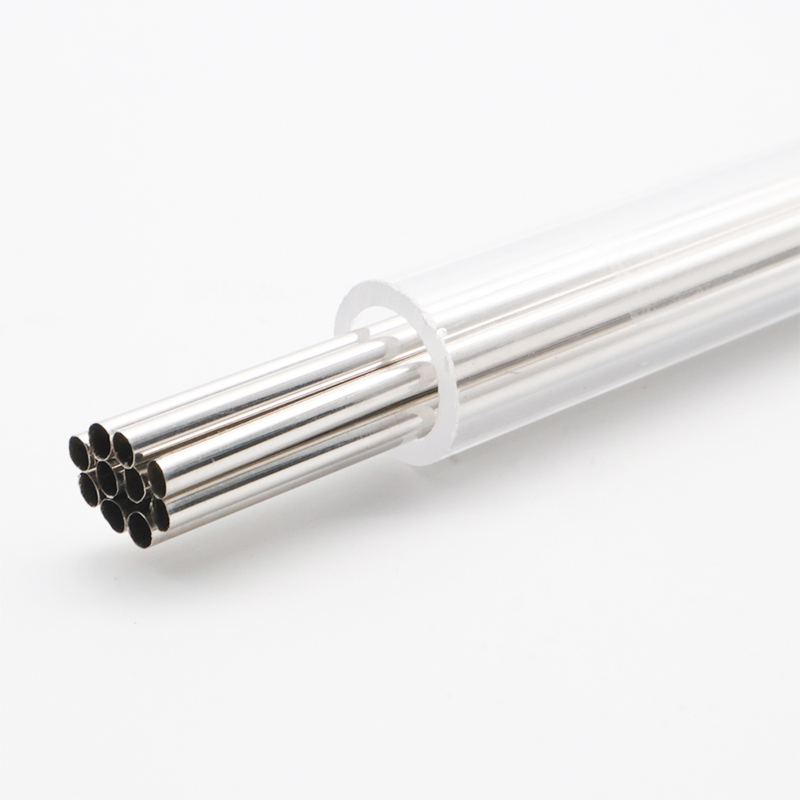
Versatile Applications of FDA Suitable Pt-Ir Alloy Tubes
Pt-Ir alloy tubes excel across a wide range of high-performance implantable and interventional applications:
Cardiac Rhythm Management — Electrodes, feedthrough wires, and components in pacemakers, implantable cardioverter defibrillators (ICDs), and leads.
Neuromodulation Devices — Deep brain stimulation (DBS) electrodes, spinal cord stimulators, cochlear implants, and neurostimulation leads.
Interventional Catheters & Marker Bands — Radiopaque marker rings and tubing for precise positioning in angioplasty, electrophysiology (EP) ablation catheters, and embolization devices.
Vascular Implants — Stent markers, aneurysm coils, and endovascular components requiring high visibility and biocompatibility.
Advanced Sensors & Electronics — Feedthroughs, contacts, and structural tubing in implantable sensors and minimally invasive devices.
ABOUT VICTORY ALLOY
Victory Alloy Co., Ltd. is a professional manufacturer specializing in medical alloy materials, with a dedicated focus on the research, development and production of high-performance biomedical alloys.
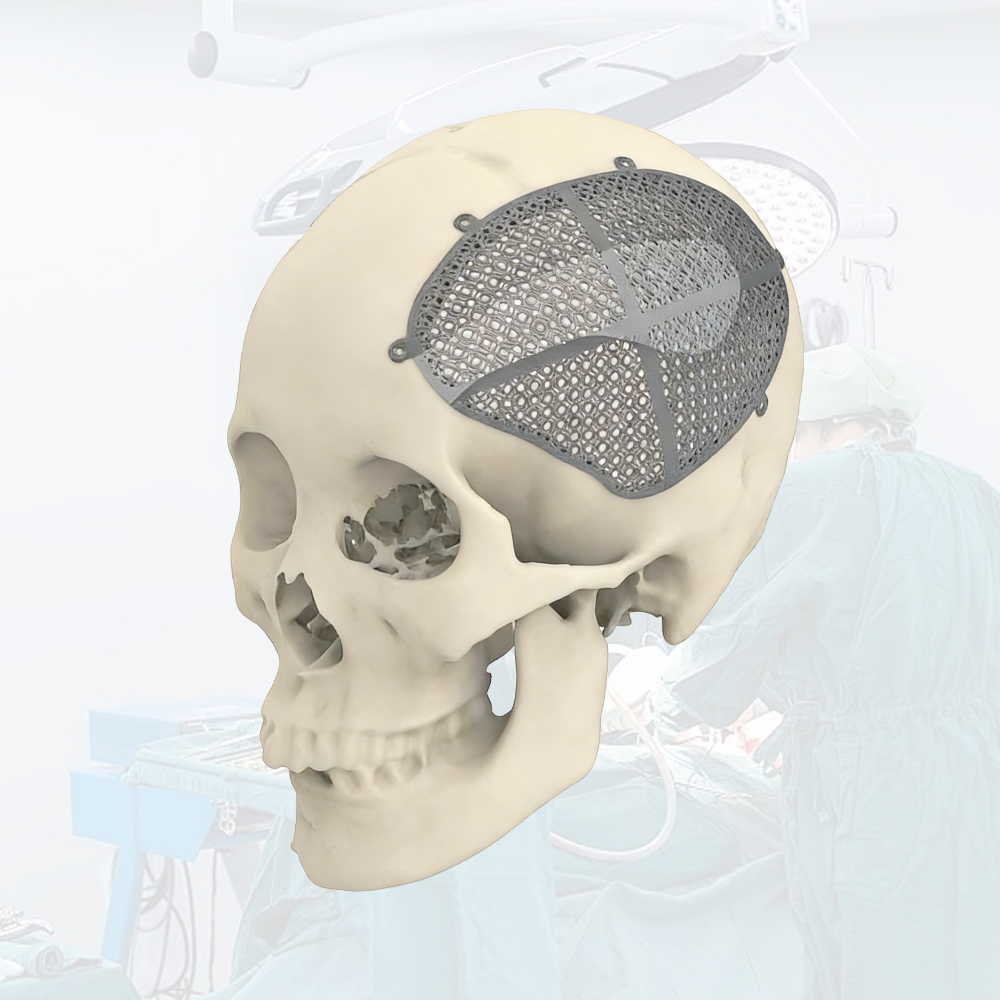
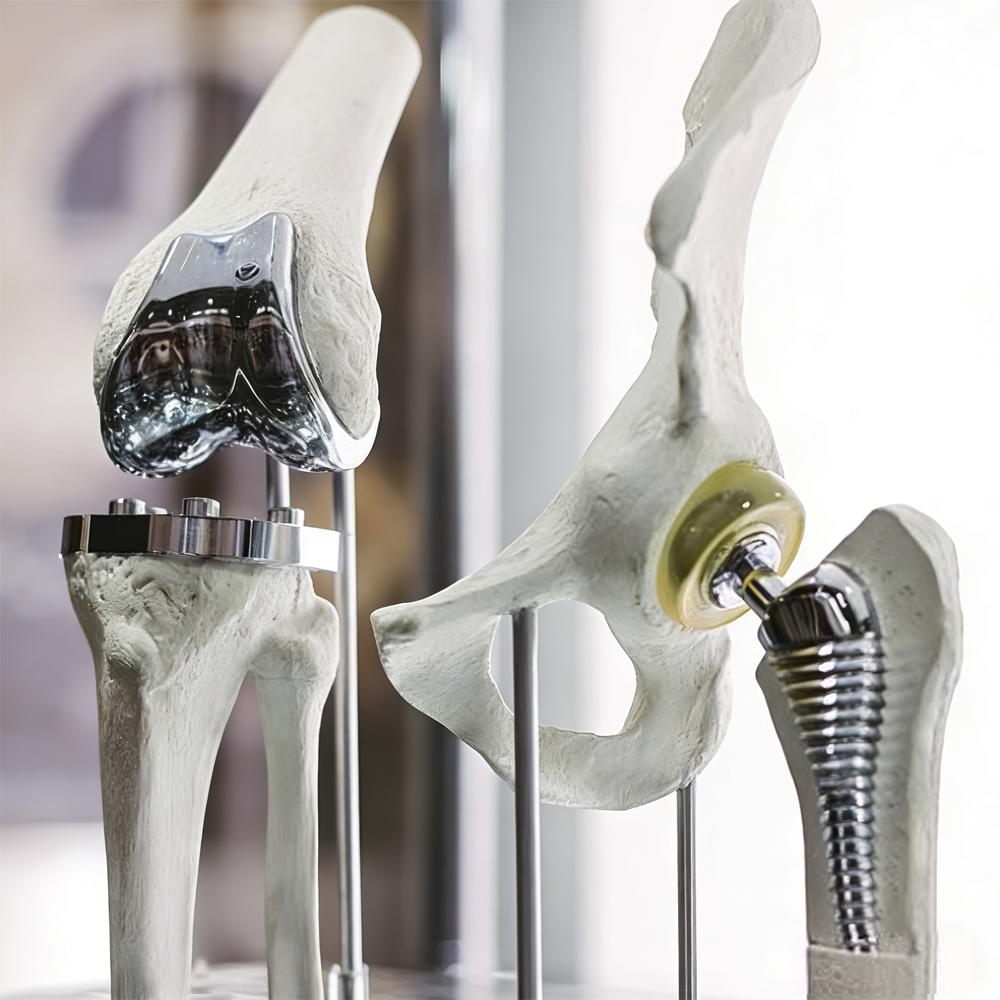
Our primary product range includes medical-grade titanium alloys, Nitinol (nickel-titanium alloy), cobalt-chromium (CoCr) alloys, platinum-iridium (Pt-Ir) alloys, and medical stainless steel. These high-quality alloys are widely applied in a broad spectrum of medical fields, such as cardiovascular stents, orthopedic implants, interventional guidewires, dental implants, surgical instruments, and disposable medical auxiliary devices. Boasting outstanding biocompatibility, strong corrosion resistance and excellent mechanical properties, our products have won consistent praise from customers across the board.

Client Visits
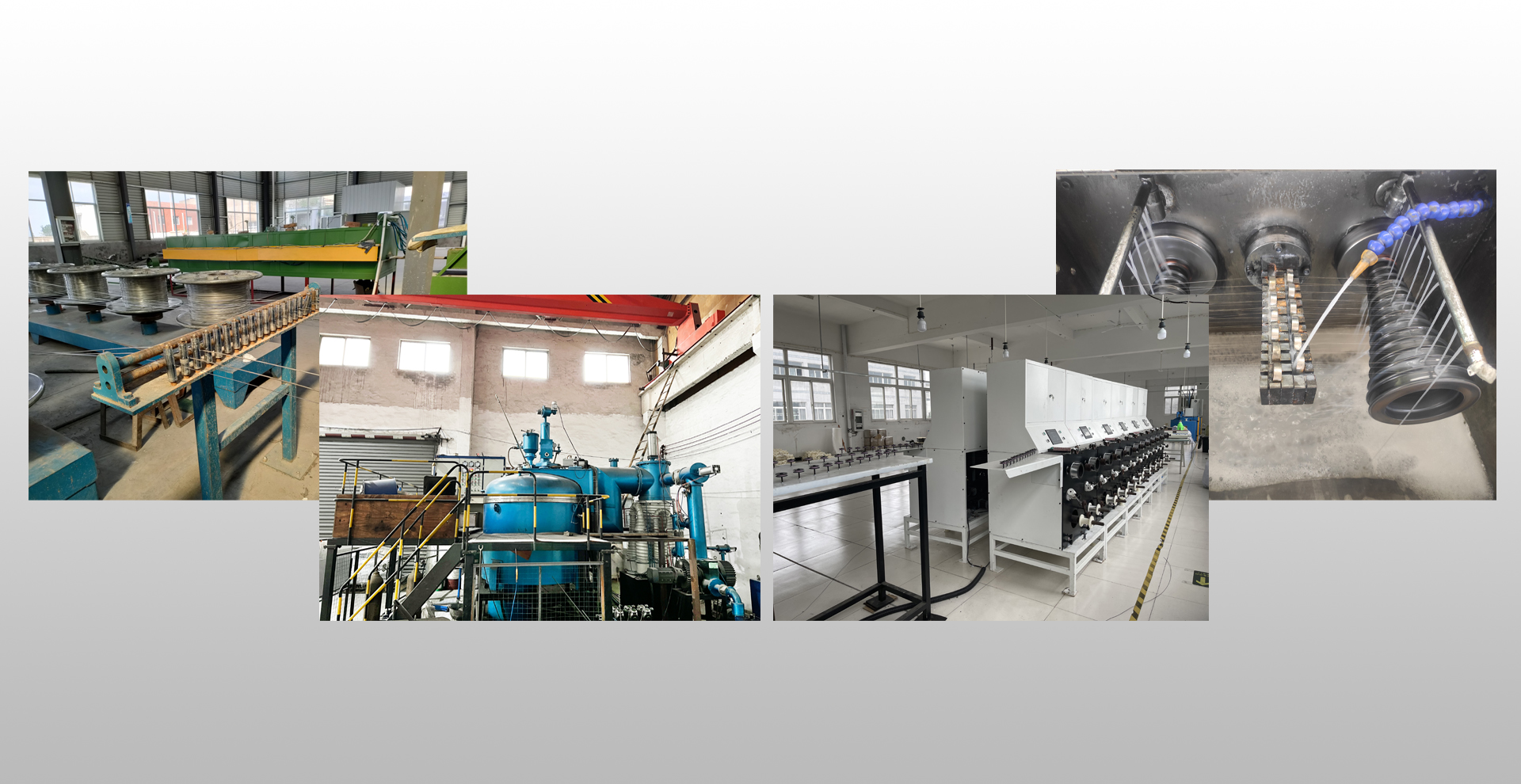
We welcome client visits to showcase our manufacturing and testing processes. Clients can explore our facility, discuss specific needs, and learn about our quality control methods. Our team ensures a personalized experience to meet your exact requirements for medical applications.

 Our Factory
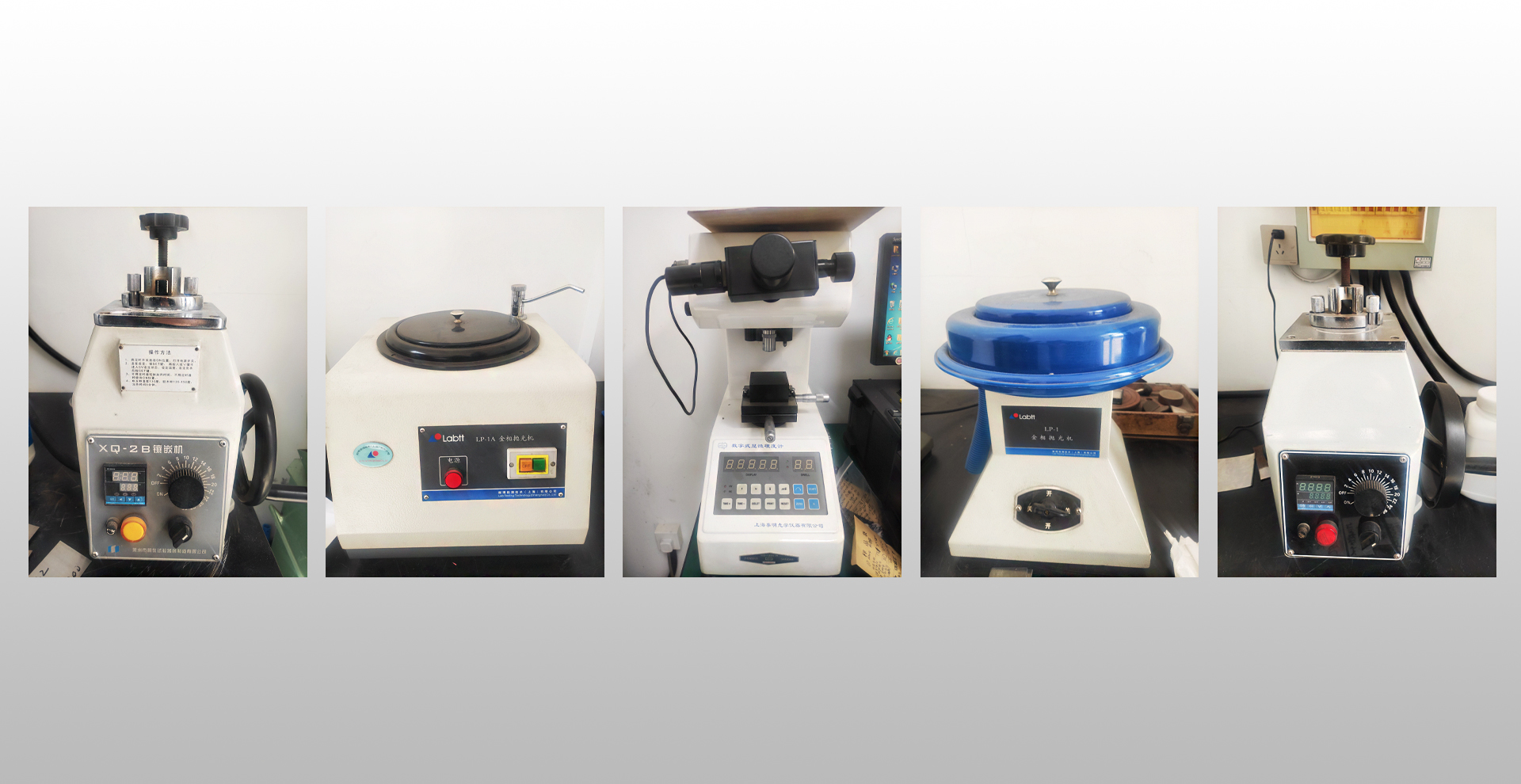
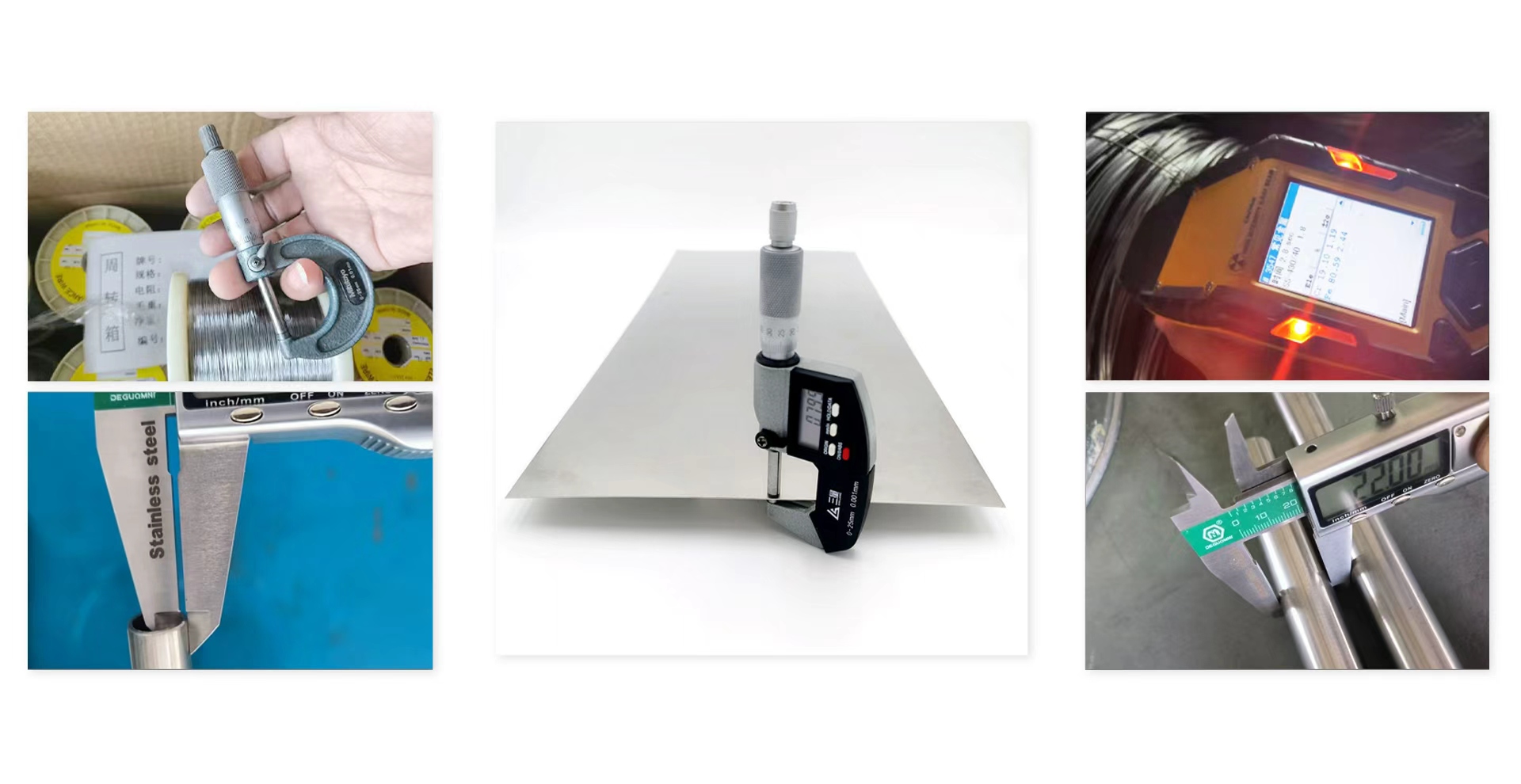
Quality Testing of the Product
Our product undergoes strict testing for tensile strength, corrosion resistance, and biocompatibility to ensure reliable performance in joint implants. We use advanced methods to verify its safety and durability, and all products meet international medical standards for consistent, long-term use in the body.
FAQs About Platinum-Iridium Alloy Tubes for Medical Implants
Q1: What makes Pt-Ir alloy the preferred material for implantable medical tubing?
Pt-Ir combines platinum’s excellent biocompatibility and corrosion resistance with iridium’s added hardness and strength. This results in a material that is highly biocompatible, radiopaque, electrically conductive, and mechanically robust—ideal for long-term implants in cardiac, neurological, and vascular applications.
Q2: Is this Pt-Ir alloy tube FDA suitable for implantable use?
Yes. These tubes are produced from medical-grade alloys that comply with FDA requirements and ISO 10993 biocompatibility standards for permanent implantation. Many similar Pt-Ir components are already used in FDA-cleared devices.
Q3: What alloy ratios and dimensions are available?
Common ratios include Pt90/Ir10 and Pt80/Ir20. Tubes are available as capillary tubing with OD starting from ~0.2 mm, thin walls, and custom lengths/tolerances to suit marker bands, electrodes, or structural components.
Q4: Are Pt-Ir alloy tubes MRI compatible?
Yes, platinum-iridium is non-ferromagnetic and generally considered MRI safe or conditional (up to 7T in many configurations). It produces minimal imaging artifacts compared to ferrous materials and has a strong safety record in implantable devices.
Q5: Can the tubes be customized for my specific medical device?
Absolutely. We support custom dimensions, wall thicknesses, alloy compositions, surface finishes, and secondary processing (cutting, forming, marker band production) to meet your exact design and regulatory needs.
Q6: How does Pt-Ir tubing compare to titanium or stainless steel for implants?
Pt-Ir offers superior radiopacity (better X-ray visibility), better electrical conductivity for electrodes/stimulation, and excellent long-term corrosion resistance. While titanium is lighter, Pt-Ir excels in applications requiring high precision imaging, conductivity, and minimal tissue reaction.