
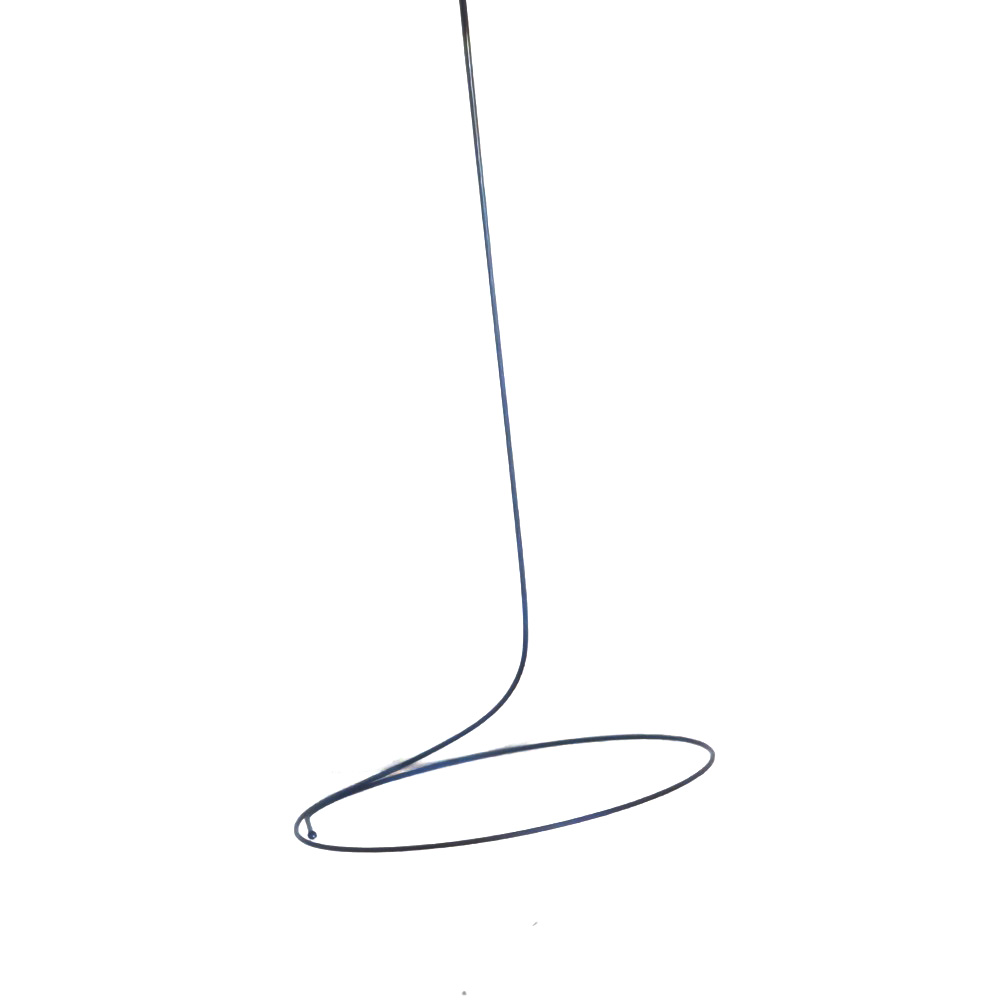
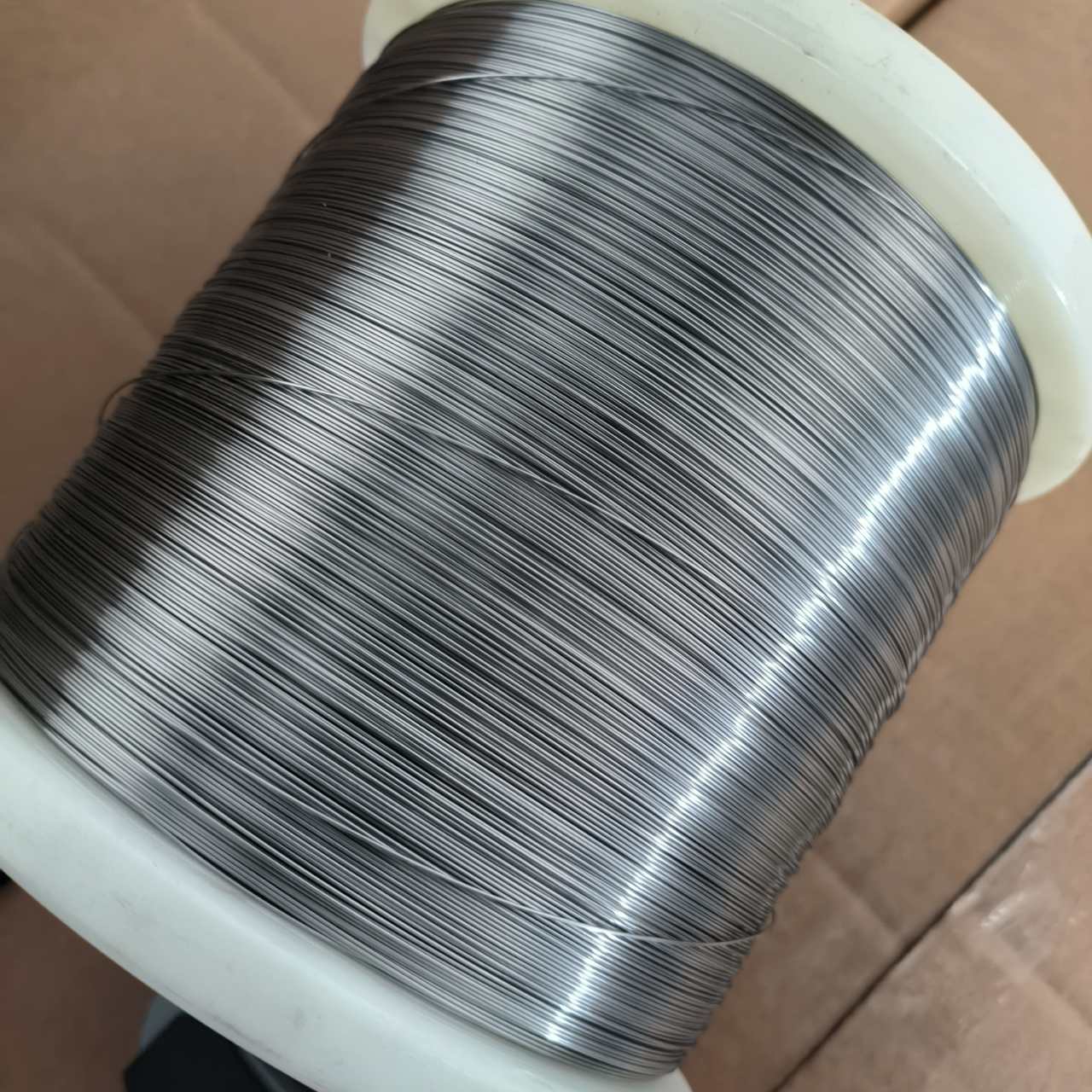
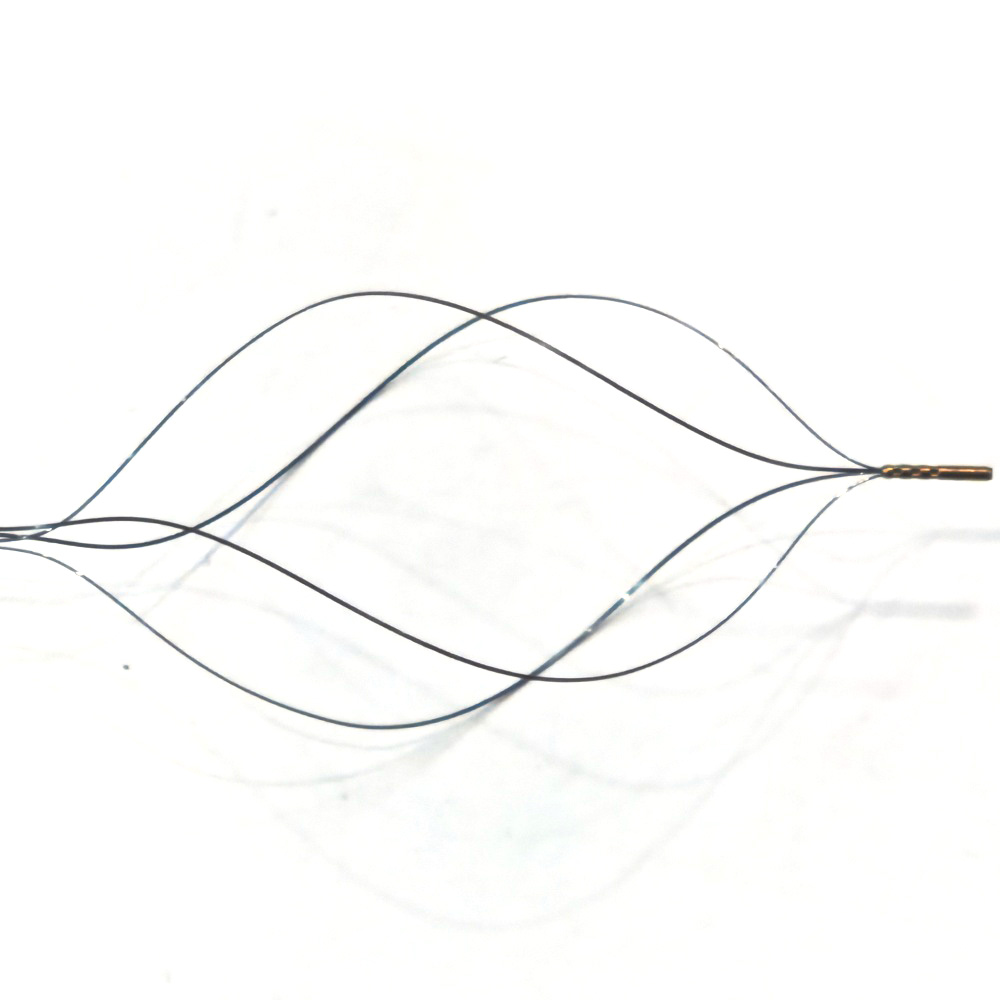
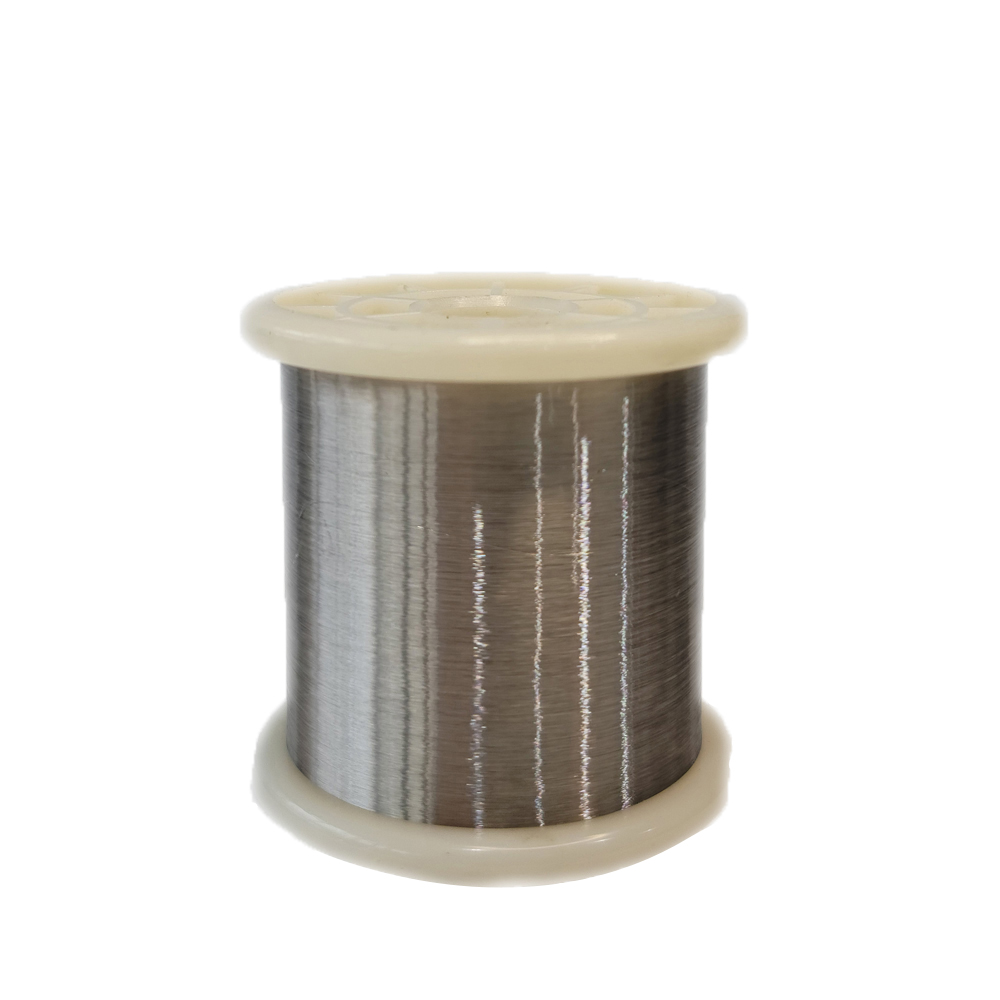
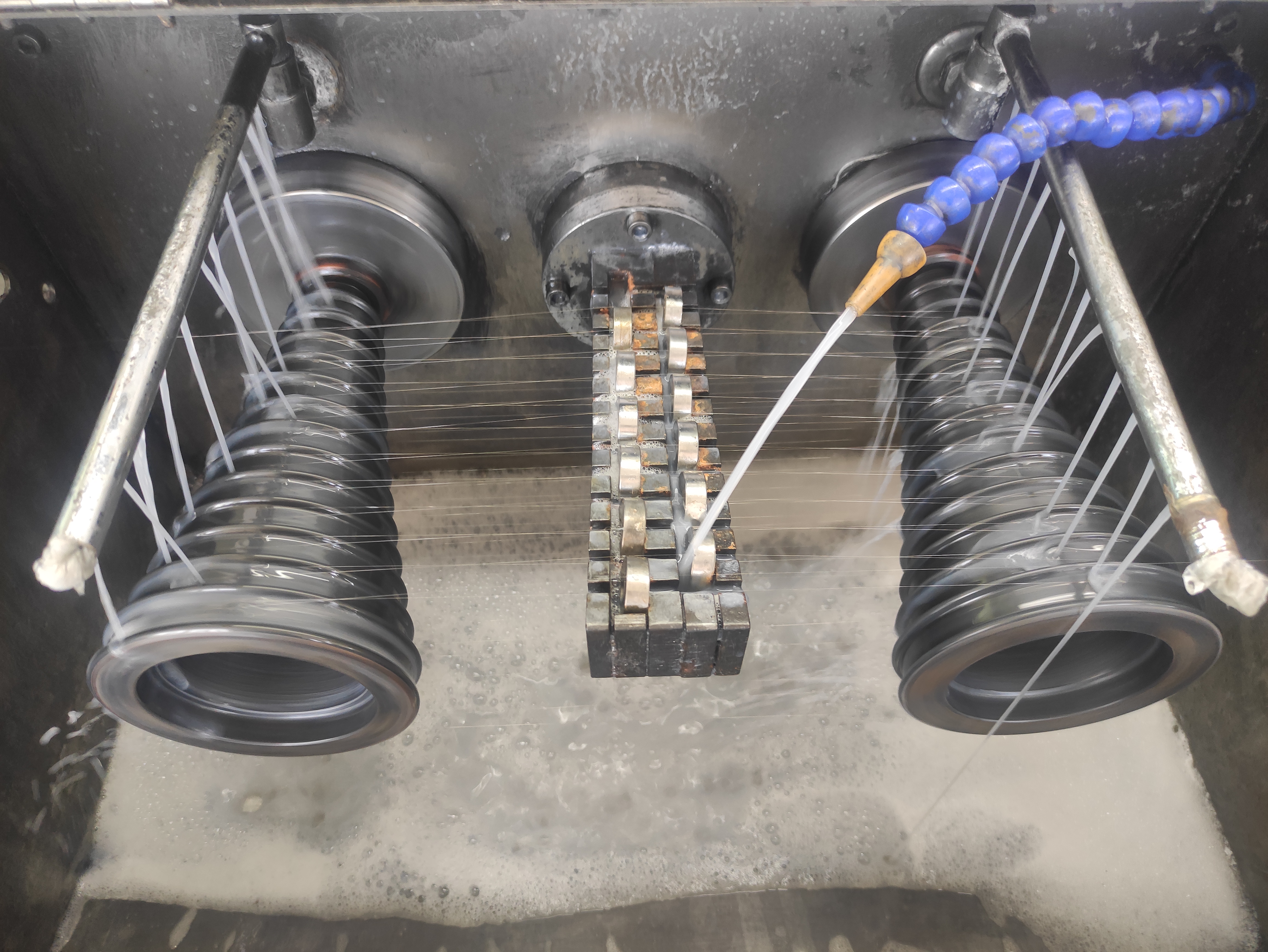
Introduction of Titanium Alloy Wire
Titanium wire is an excellent choice for strengthening surgical instruments, especially forceps and scissors, which require both precision and durability in critical procedures. Titanium’s exceptional strength, lightweight properties, and resistance to corrosion make it ideal for creating tools that need to withstand the demands of the operating room. Whether you're looking to improve the performance of delicate forceps or enhance the cutting precision of surgical scissors, titanium wire provides the reliability and performance needed to deliver optimal results.
At Victory Supplier, we specialize in providing high-quality titanium wire tailored to meet the needs of medical professionals. Our titanium wire ensures that surgical instruments, from forceps to scissors, retain their functionality, strength, and sharpness throughout their use in demanding surgical environments.
| China | Classification | UK | Russia | Japan |
| TA1 | Commercial Pure Titanium | GR1 | BT1-00 | TP270 |
| TA2 | Commercial Pure Titanium | GR2 | BT1-0 | TP340 |
| TA3 | Commercial Pure Titanium | GR3 | TP450 | |
| TA4 | Commercial Pure Titanium | GR4 | TP550 | |
TC4 | Ti-6AI-4V | GR5 | BT6 | TAP6400 |
| TA7 | GR6 | |||
| TA9 | Ti-0.2Pd | GR7 | TP340Pb | |
TA18 | Ti-3Al-2.5V | GR9 | 0T4-1B | TAP3250 |
| TA9-1 | GR11 | |||
| TA10 | Ti-0.3Mo-0.8Ni | GR12 | ||
| TB5 | Ti-15V-3Al-3Gr-3Sn | Ti-15333 | ||
| TC4ELI | Ti-6AI-4VELI | GR23 |
Features of Titanium Alloy Wire
High Strength-to-Weight Ratio: Titanium wire combines strength with lightness, making it ideal for surgical tools like forceps and scissors. It provides robust performance without adding unnecessary weight to the instruments, ensuring optimal control.
Superior Corrosion Resistance: Surgical instruments made from titanium wire are highly resistant to corrosion, ensuring that tools remain in excellent condition even after repeated sterilization and exposure to bodily fluids.
Biocompatibility: As a biocompatible material, titanium minimizes the risk of allergic reactions or tissue rejection, making it a safe choice for surgical instruments that come into direct contact with the body.
Precision Engineering: Titanium wire allows for the precise manufacturing of fine surgical instruments, such as forceps and scissors, offering accuracy and reliability during delicate procedures.
Enhanced Durability: The fatigue-resistant properties of titanium wire mean that surgical instruments will maintain their strength and functionality over time, reducing the need for frequent replacements.
| Mechanical Properties | |||||||
| Grade | Condition | Tensile Strength | Yield Strength | Elongation | Reductionof Area | ||
| Ksi | Mpa | Ksi | Mpa | % | |||
| ≥ | |||||||
GR1 | Annealed | 35 | 240 | 25 | 170 | 24 | 30 |
| GR2 | 50 | 345 | 40 | 275 | 20 | 30 | |
| GR3 | 65 | 450 | 55 | 380 | 18 | 30 | |
| GR4 | 80 | 550 | 70 | 483 | 15 | 25 | |
| GR5 | 130 | 895 | 120 | 828 | 10 | 25 | |
| GR6 | 120 | 828 | 115 | 483 | 15 | 25 | |
| GR7 | 50 | 345 | 40 | 275 | 20 | 30 | |
| GR9 | 90 | 620 | 70 | 483 | 15 | 25 | |
| GR11 | 35 | 240 | 25 | 170 | 24 | 30 | |
| GR12 | 70 | 483 | 50 | 345 | 18 | 25 | |
| GR23(Ti-6AL-4VELI) | 125 | 860 | 115 | 795 | 10 | 25 | |
Titanium Alloy Grade Composition Table
| Grade | C ≤ | O ≤ | N ≤ | H ≤ | Fe ≤ | Al | V | Pd | Ni | Mo | Average of Other Elements | Total of Other Elements |
| Gr1 | 0.08 | 0.18 | 0.03 | 0.015 | 0.2 | - | - | - | - | - | 0.1 | 0.4 |
| Gr2 | 0.08 | 0.25 | 0.03 | 0.015 | 0.3 | - | - | - | - | - | 0.1 | 0.4 |
| Gr4 | 0.08 | 0.25 | 0.03 | 0.015 | 0.3 | - | - | - | - | 0.1 | 0.4 | |
| Gr5 | 0.08 | 0.2 | 0.05 | 0.015 | 0.4 | 5.5~6.75 | 3.5~4.5 | - | - | - | 0.1 | 0.4 |
| Gr7 | 0.08 | 0.25 | 0.03 | 0.015 | 0.3 | - | - | 0.12~0.25 | 0.12~0.25 | - | 0.1 | 0.4 |
| Gr9 | 0.08 | 0.15 | 0.03 | 0.015 | 0.25 | 2.5~3.5 | 2.0~3.0 | - | - | - | 0.1 | 0.4 |
| Gr11 | 0.08 | 0.18 | 0.03 | 0.15 | 0.2 | - | - | 0.12~0.25 | - | - | 0.1 | 0.4 |
| Gr12 | 0.08 | 0.25 | 0.03 | 0.15 | 0.3 | - | - | - | 0.6~0.9 | 0.2~0.4 | 0.1 | 0.4 |
| Gr16 | 0.08 | 0.25 | 0.03 | 0.15 | 0.3 | - | - | 0.04~0.08 | - | - | 0.1 | 0.4 |
| Gr23 | 0.08 | 0.13 | 0.03 | 0.15 | 0.25 | 5.5~6.5 | 3.5~4.5 | - | - | - | 0.1 | 0.1 |
Advantages of Using Titanium Alloy Wire for Joint Implants
Improved Surgical Precision: Titanium wire provides the strength needed for delicate surgical tools, ensuring that forceps and scissors offer excellent precision during use. Surgeons can rely on their instruments for controlled movements, making complex surgeries easier.
Durability Under Pressure: Titanium's ability to withstand high mechanical stress ensures that tools made from titanium wire retain their sharpness and performance, even during the most demanding procedures. This durability reduces the risk of tool failure or wear during surgeries.
Corrosion and Wear Resistance: Surgical forceps and scissors crafted from titanium wire are highly resistant to corrosion, which is crucial for tools that undergo frequent sterilization. This ensures that instruments retain their integrity and functionality over time.
Lightweight and Balanced: Despite its strength, titanium wire is lightweight, making surgical forceps and scissors easier to handle. This balance allows surgeons to perform procedures with greater comfort and less hand fatigue.
Longer Tool Lifespan: Thanks to its resistance to fatigue and wear, titanium wire extends the lifespan of surgical instruments, ultimately leading to lower operational costs for medical facilities as the need for frequent replacements is minimized.
Grade | TA1 TA2 TA3 TA4 TC4 TA7 GR7 GR9 GR11 |
| Titanium Wire | Diameter: 0.1mm-8.0mm |
| Titanium Tube | Length (4-12m), Width (1-50mm), Diameter (48.3-609.6mm) |
| Titanium Rod | Diameter (5.0-350mm), Length (300-6000mm) |
| Titanium Block | Length (100-1500mm), Width (30-600mm), Height (20-300mm) |
| Titanium Plate | Length (1000-6000mm), Width (1000-2000mm), Height (0.8-60mm) |
| Standard | ASTMB863 ASTMB265 ASTMF67 ASTMF136 ISO5832 GB3632 GJB9581 |
Applications of Titanium Alloy Wire in Joint Implants
Titanium wire is widely used in the manufacturing of a range of surgical tools, especially those that demand strength, precision, and durability. Some of the primary applications include:
Surgical Forceps: Titanium wire is frequently used to create surgical forceps that are designed to provide excellent grip and control during delicate procedures. Its strength ensures that forceps can handle both light and heavy tasks with precision.
Surgical Scissors: Titanium wire’s precision and durability make it ideal for crafting surgical scissors. The material helps to maintain sharpness, allowing for fine cuts in tissues with minimal effort, which is especially important during microsurgeries.
Needle Holders: Titanium wire is used to manufacture needle holders, where its precision and durability are crucial for holding needles securely during suturing in surgery.
Dental Tools: In dental surgeries, titanium wire is used to create instruments like dental forceps and cutters that require both strength and the ability to perform delicate tasks.
Orthopedic Instruments: Titanium wire’s high fatigue resistance makes it perfect for orthopedic surgical instruments like bone cutters and retractors, ensuring that they can perform reliably under the stresses of bone surgery.
ABOUT US
Victory Alloy Co., Ltd. is a professional manufacturer specializing in medical alloy materials, with a dedicated focus on the research, development and production of high-performance biomedical alloys.
Our primary product range includes medical-grade titanium alloys, Nitinol (nickel-titanium alloy), cobalt-chromium (CoCr) alloys, platinum-iridium (Pt-Ir) alloys, and medical stainless steel. These high-quality alloys are widely applied in a broad spectrum of medical fields, such as cardiovascular stents, orthopedic implants, interventional guidewires, dental implants, surgical instruments, and disposable medical auxiliary devices. Boasting outstanding biocompatibility, strong corrosion resistance and excellent mechanical properties, our products have won consistent praise from customers across the board.

Client Visits
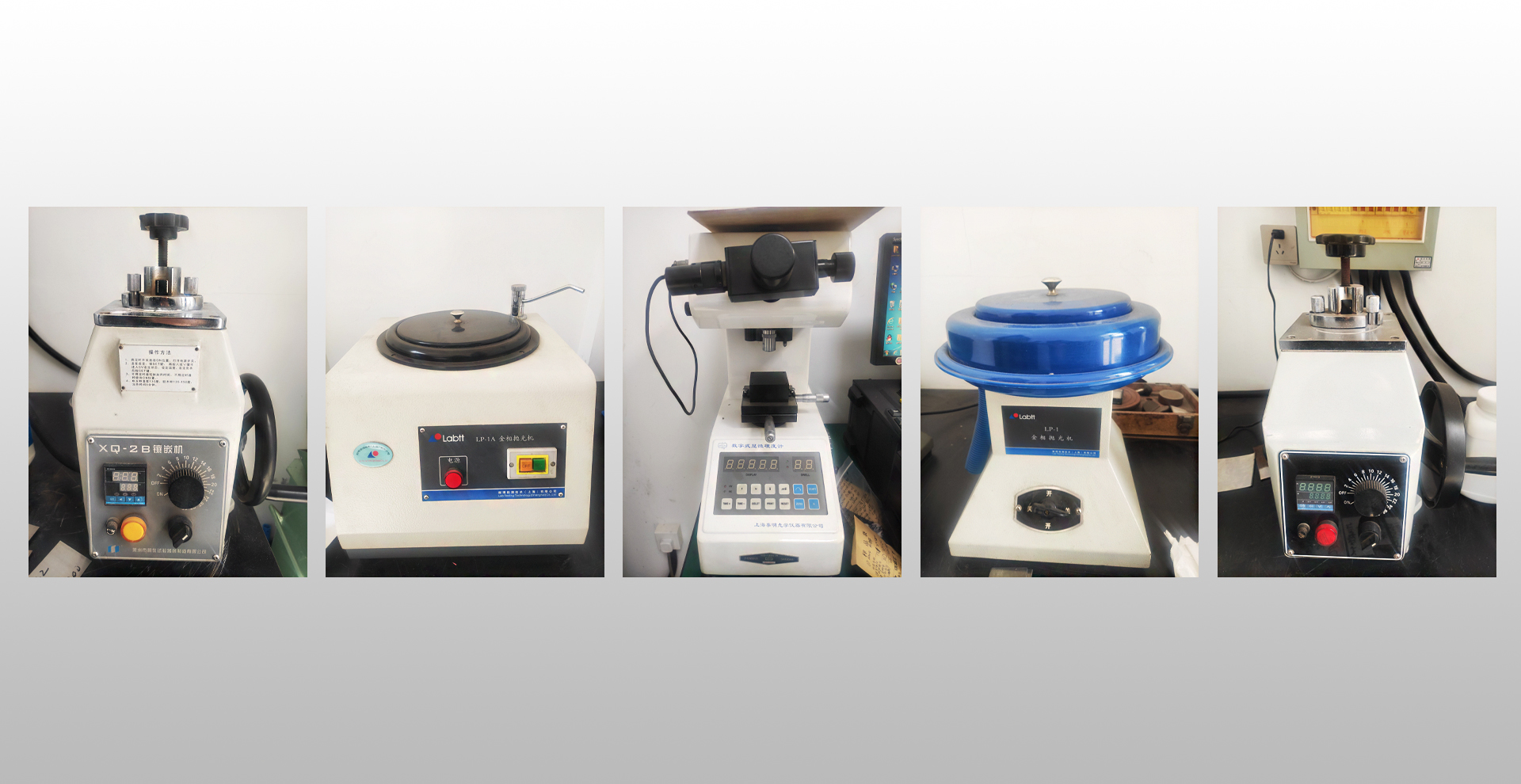
We welcome client visits to showcase our manufacturing and testing processes. Clients can explore our facility, discuss specific needs, and learn about our quality control methods. Our team ensures a personalized experience to meet your exact requirements for medical applications.
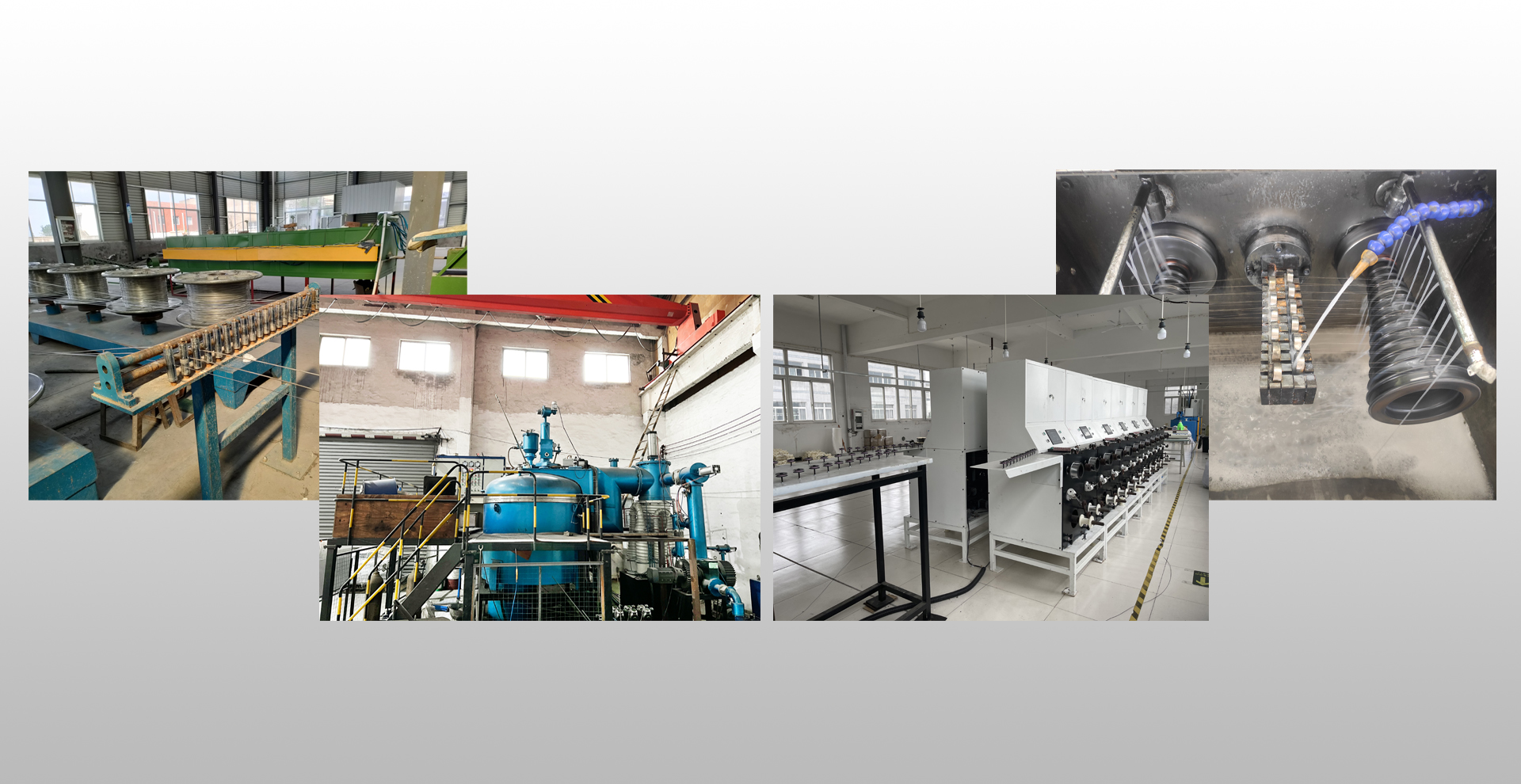
 Our Factory
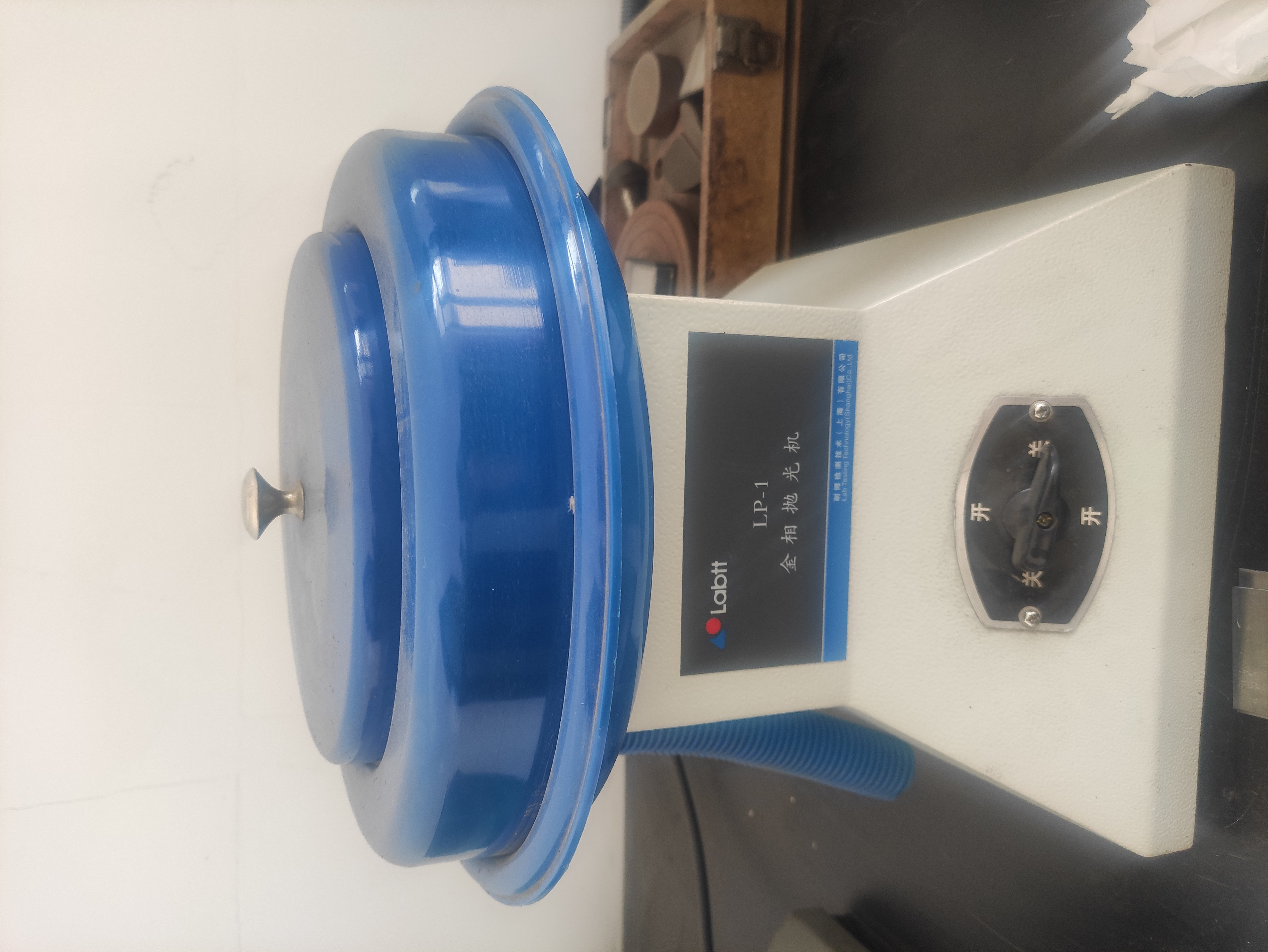
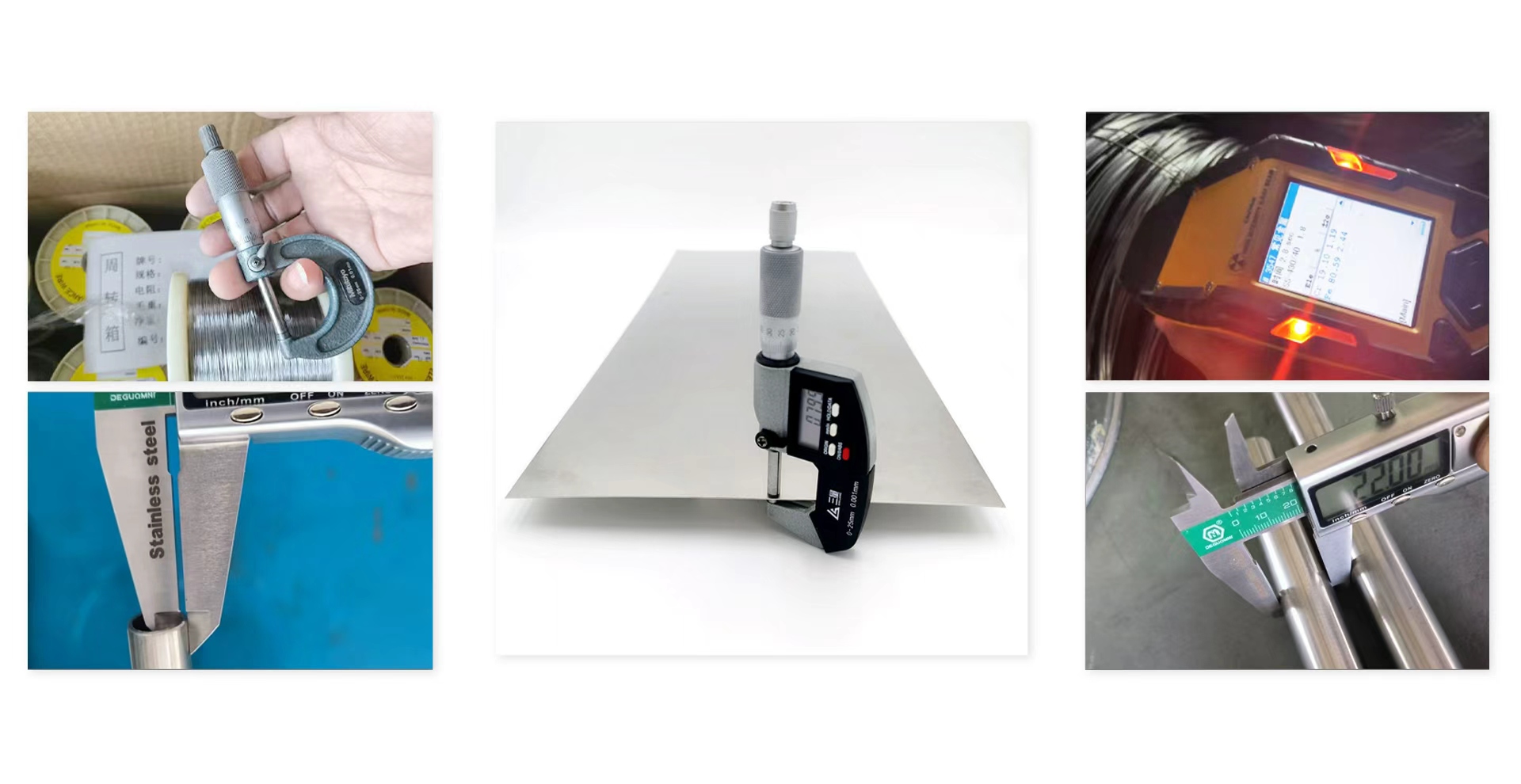
Quality Testing of the Product
Our product undergoes strict testing for tensile strength, corrosion resistance, and biocompatibility to ensure reliable performance in joint implants. We use advanced methods to verify its safety and durability, and all products meet international medical standards for consistent, long-term use in the body.
FAQ
Who is your company?
We are a leading supplier of high-quality Nitinol alloy wire, specializing in providing durable, biocompatible materials for orthopedic joint replacements and other medical applications.How can I contact your company?
Phone: +86 132 1868 0935
Whatsapp: +86 13218680935
Email: victory@dlx-alloy.com
Why is titanium wire used for surgical forceps and scissors?
Titanium wire is ideal for forceps and scissors because it combines strength with lightweight properties, corrosion resistance, and precision. These features are essential for creating durable and reliable surgical tools.How does titanium wire compare to stainless steel in surgical tools?
Titanium wire is more corrosion-resistant and biocompatible than stainless steel, making it a safer and longer-lasting option for surgical instruments that are exposed to harsh sterilization and biological fluids.Can titanium wire be used in all surgical instruments?
Yes, titanium wire is versatile and can be used to create a variety of surgical instruments, including forceps, scissors, needle holders, orthopedic tools, and more. It is suitable for any tool that requires high strength, precision, and durability.Is titanium wire a cost-effective solution for surgical tools?
While titanium wire may have a higher initial cost, its durability, resistance to wear, and long lifespan make it a more cost-effective solution in the long term, as it reduces the need for frequent replacements and tool repairs.