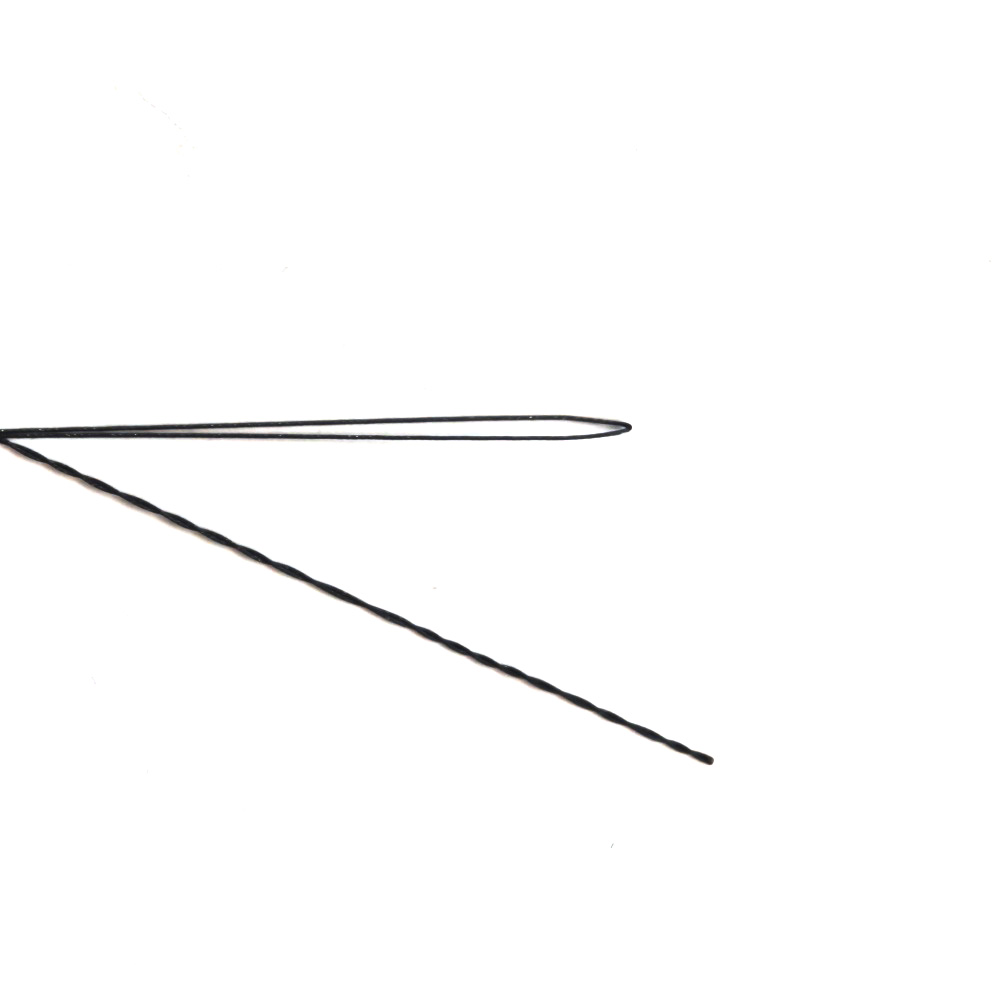
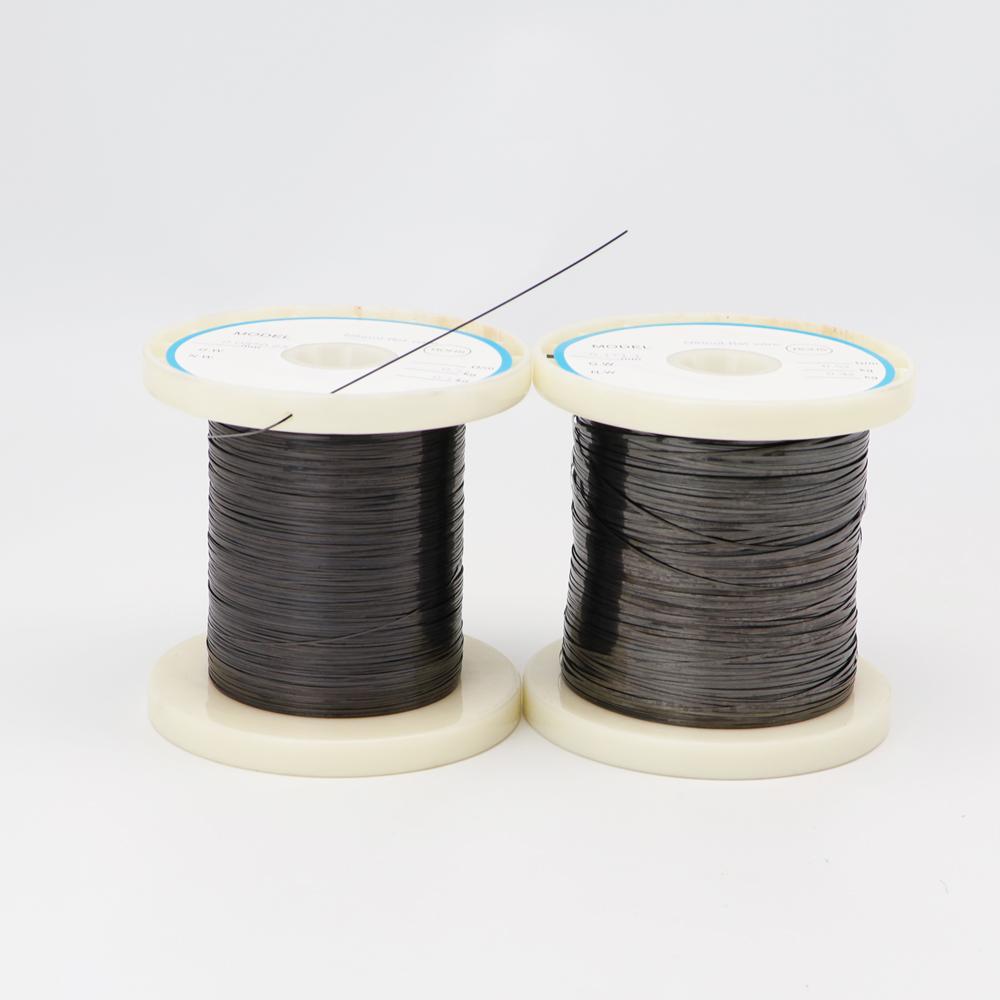

Introduction of Titanium Alloy Wire
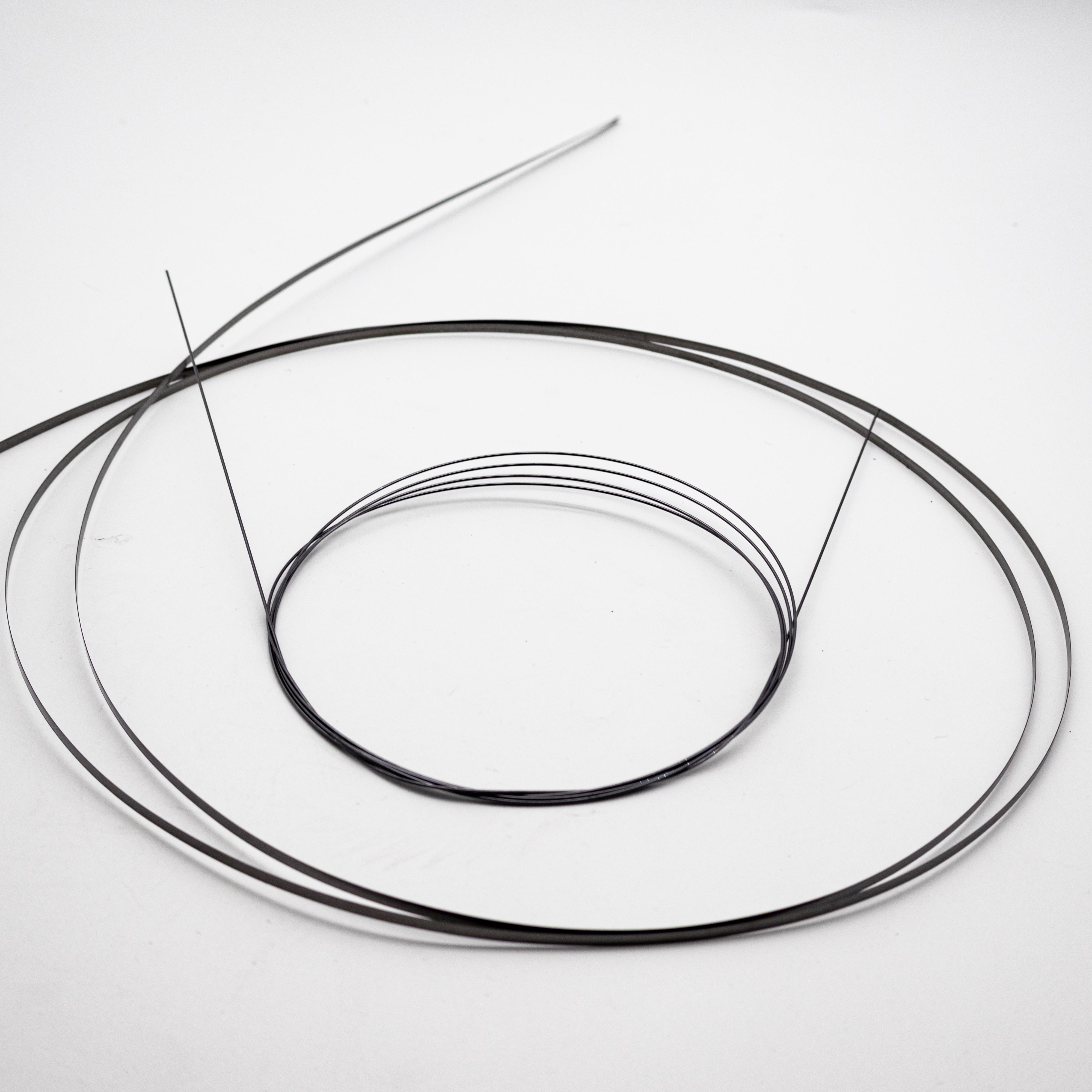
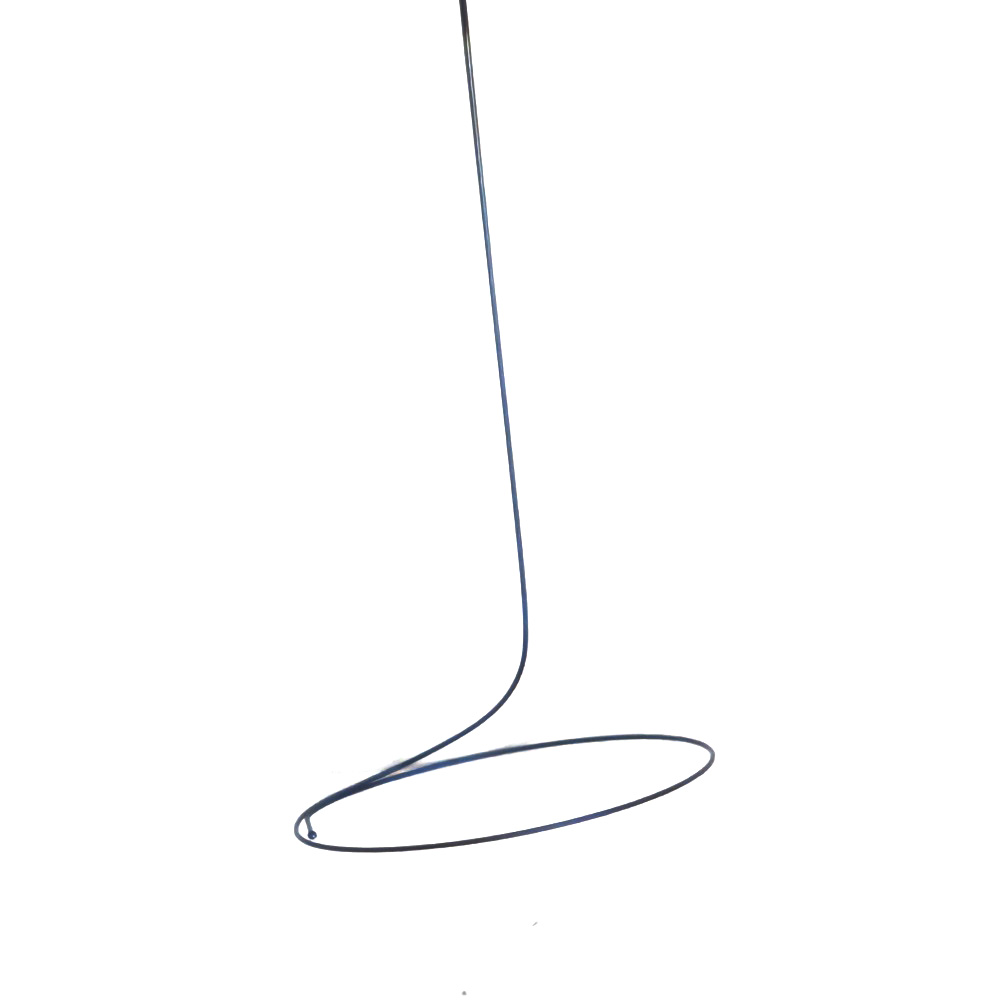
In the ever-evolving medical industry, titanium alloys have become a cornerstone material, particularly in implantable devices. Among the various forms of titanium alloys, titanium alloy wire has garnered attention for its unique properties, making it an ideal choice for joint implant applications. This wire is crafted from high-performance titanium alloys, known for their exceptional strength, corrosion resistance, and biocompatibility, which are crucial for long-lasting implants.
Titanium alloy wire is primarily used in the production of implants for joint replacement surgeries, such as hip, knee, and shoulder implants. Its ability to withstand high levels of stress while remaining lightweight and biocompatible ensures that it supports both the mechanical and biological needs of patients. Whether used as a part of the implant's internal structure or for securing other components, titanium alloy wire is an indispensable part of modern medical implants.
Features of Titanium Alloy Wire
Titanium alloy wire offers a number of standout features that make it perfect for use in medical implants:
Superior Strength: Titanium alloy wire is known for its remarkable tensile strength. This characteristic ensures that the wire can handle the mechanical loads exerted by the human body during movement and exercise, making it suitable for high-demand joint implants.
Corrosion Resistance: One of the most important properties of titanium alloy is its excellent resistance to corrosion. In a medical setting, where implants are exposed to bodily fluids and various chemical reactions, corrosion resistance is critical for the long-term durability of the device.
Biocompatibility: Titanium alloy is biocompatible, which means it is not harmful to human tissues. This makes it ideal for use in implants that remain inside the body for extended periods. The wire promotes faster healing and reduces the risk of rejection or infection.
Lightweight: Despite its strength, titanium alloy is significantly lighter than other metals, reducing the overall weight of the implant. This results in more comfortable patient experiences, particularly after joint replacement surgeries.
| Mechanical Properties | |||||||
| Grade | Condition | Tensile Strength | Yield Strength | Elongation | Reductionof Area | ||
| Ksi | Mpa | Ksi | Mpa | % | |||
| ≥ | |||||||
GR1 | Annealed | 35 | 240 | 25 | 170 | 24 | 30 |
| GR2 | 50 | 345 | 40 | 275 | 20 | 30 | |
| GR3 | 65 | 450 | 55 | 380 | 18 | 30 | |
| GR4 | 80 | 550 | 70 | 483 | 15 | 25 | |
| GR5 | 130 | 895 | 120 | 828 | 10 | 25 | |
| GR6 | 120 | 828 | 115 | 483 | 15 | 25 | |
| GR7 | 50 | 345 | 40 | 275 | 20 | 30 | |
| GR9 | 90 | 620 | 70 | 483 | 15 | 25 | |
| GR11 | 35 | 240 | 25 | 170 | 24 | 30 | |
| GR12 | 70 | 483 | 50 | 345 | 18 | 25 | |
| GR23(Ti-6AL-4VELI) | 125 | 860 | 115 | 795 | 10 | 25 | |
Titanium Alloy Grade Composition Table
| Grade | C ≤ | O ≤ | N ≤ | H ≤ | Fe ≤ | Al | V | Pd | Ni | Mo | Average of Other Elements | Total of Other Elements |
| Gr1 | 0.08 | 0.18 | 0.03 | 0.015 | 0.2 | - | - | - | - | - | 0.1 | 0.4 |
| Gr2 | 0.08 | 0.25 | 0.03 | 0.015 | 0.3 | - | - | - | - | - | 0.1 | 0.4 |
| Gr4 | 0.08 | 0.25 | 0.03 | 0.015 | 0.3 | - | - | - | - | 0.1 | 0.4 | |
| Gr5 | 0.08 | 0.2 | 0.05 | 0.015 | 0.4 | 5.5~6.75 | 3.5~4.5 | - | - | - | 0.1 | 0.4 |
| Gr7 | 0.08 | 0.25 | 0.03 | 0.015 | 0.3 | - | - | 0.12~0.25 | 0.12~0.25 | - | 0.1 | 0.4 |
| Gr9 | 0.08 | 0.15 | 0.03 | 0.015 | 0.25 | 2.5~3.5 | 2.0~3.0 | - | - | - | 0.1 | 0.4 |
| Gr11 | 0.08 | 0.18 | 0.03 | 0.15 | 0.2 | - | - | 0.12~0.25 | - | - | 0.1 | 0.4 |
| Gr12 | 0.08 | 0.25 | 0.03 | 0.15 | 0.3 | - | - | - | 0.6~0.9 | 0.2~0.4 | 0.1 | 0.4 |
| Gr16 | 0.08 | 0.25 | 0.03 | 0.15 | 0.3 | - | - | 0.04~0.08 | - | - | 0.1 | 0.4 |
| Gr23 | 0.08 | 0.13 | 0.03 | 0.15 | 0.25 | 5.5~6.5 | 3.5~4.5 | - | - | - | 0.1 | 0.1 |
Advantages of Using Titanium Alloy Wire for Joint Implants
The use of titanium alloy wire in joint implants offers several distinct advantages:
Long-Term Durability: Titanium's exceptional strength and resistance to wear ensure that the wire will last for many years, even under heavy stress. This reduces the need for frequent replacements, offering patients greater peace of mind.
Enhanced Recovery: Because titanium alloy is biocompatible, it promotes faster tissue healing and minimizes the risk of complications, such as inflammation or infections. This contributes to a quicker recovery process for patients undergoing joint replacement surgeries.
Reduced Risk of Allergic Reactions: Unlike other metals, titanium is hypoallergenic, meaning it is unlikely to cause allergic reactions in most patients. This further enhances its suitability for medical implants.
Versatility in Application: Titanium alloy wire can be customized in various diameters and lengths, allowing it to be tailored to specific surgical needs. Whether it is used for securing bones or other medical devices, its versatility ensures that it can be adapted for a wide range of joint implant applications.
| Grade | TA1 TA2 TA3 TA4 TC4 TA7 GR7 GR9 GR11 |
| Titanium Wire | Diameter: 0.1mm-8.0mm |
| Titanium Tube | Length (4-12m), Width (1-50mm), Diameter (48.3-609.6mm) |
| Titanium Rod | Diameter (5.0-350mm), Length (300-6000mm) |
| Titanium Block | Length (100-1500mm), Width (30-600mm), Height (20-300mm) |
| Titanium Plate | Length (1000-6000mm), Width (1000-2000mm), Height (0.8-60mm) |
| Standard | ASTMB863 ASTMB265 ASTMF67 ASTMF136 ISO5832 GB3632 GJB9581 |
Applications of Titanium Alloy Wire in Joint Implants
Titanium alloy wire is primarily used in joint implant applications in surgeries such as:
Hip Replacements: In hip replacement procedures, titanium alloy wire is often used to secure the implant components to the bone, ensuring a secure fit and promoting better integration with the natural bone structure.
Knee Replacements: For knee implant surgeries, titanium alloy wire is used to reinforce the mechanical structure of the implant, providing added strength while minimizing the risk of implant failure.
Shoulder Replacements: Similar to hip and knee implants, titanium alloy wire plays a crucial role in shoulder joint replacement procedures, providing strength and durability while allowing for full joint mobility post-surgery.
Additionally, titanium alloy wire is used in dental implants, fracture fixation devices, and other orthopedic applications, further proving its versatility and reliability in the medical field.
ABOUT US
Victory Alloy Co., Ltd. is a professional manufacturer specializing in medical alloy materials, with a dedicated focus on the research, development and production of high-performance biomedical alloys.
Our primary product range includes medical-grade titanium alloys, Nitinol (nickel-titanium alloy), cobalt-chromium (CoCr) alloys, platinum-iridium (Pt-Ir) alloys, and medical stainless steel. These high-quality alloys are widely applied in a broad spectrum of medical fields, such as cardiovascular stents, orthopedic implants, interventional guidewires, dental implants, surgical instruments, and disposable medical auxiliary devices. Boasting outstanding biocompatibility, strong corrosion resistance and excellent mechanical properties, our products have won consistent praise from customers across the board.

Client Visits
We welcome client visits to showcase our manufacturing and testing processes. Clients can explore our facility, discuss specific needs, and learn about our quality control methods. Our team ensures a personalized experience to meet your exact requirements for medical applications.

 Our Factory
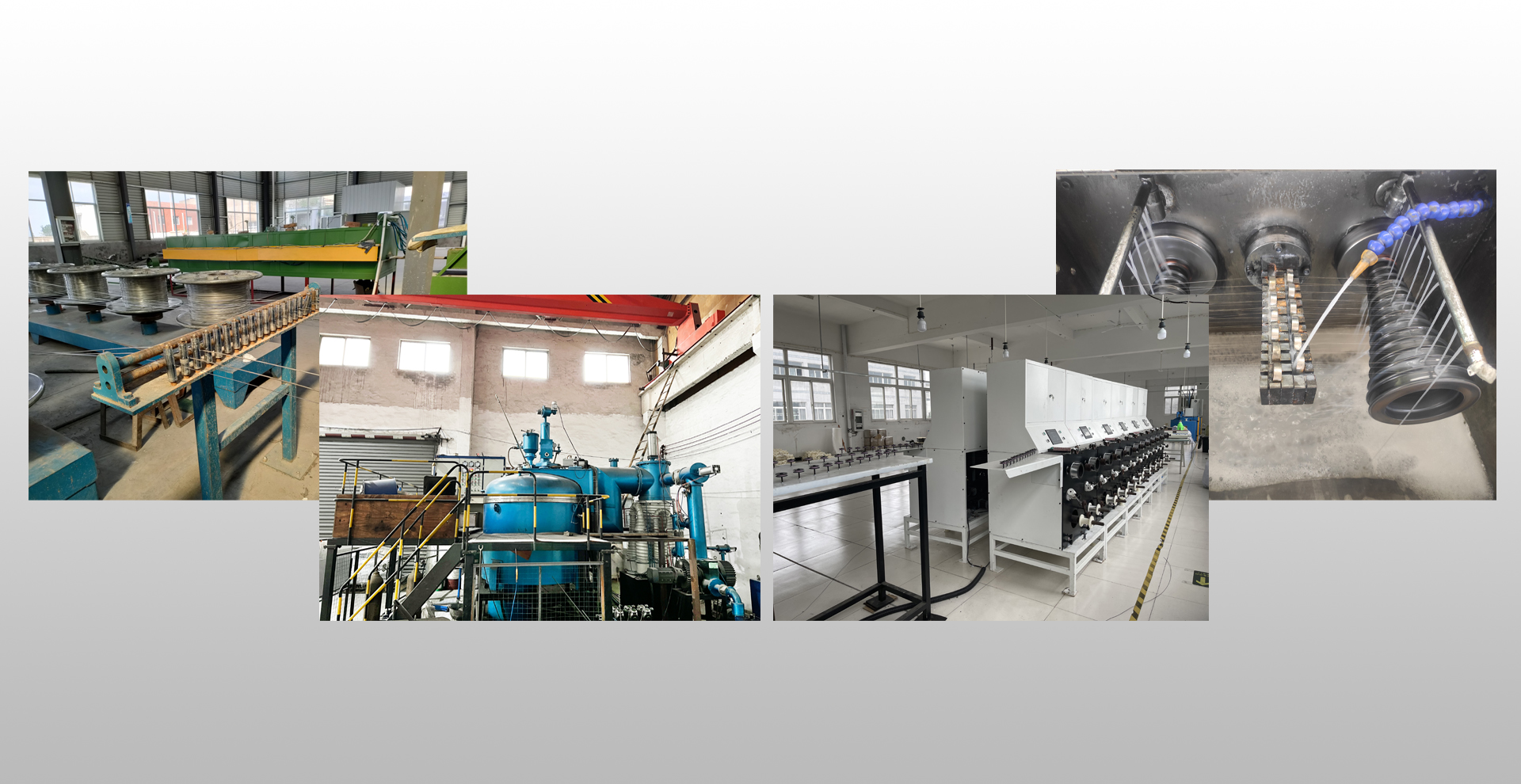
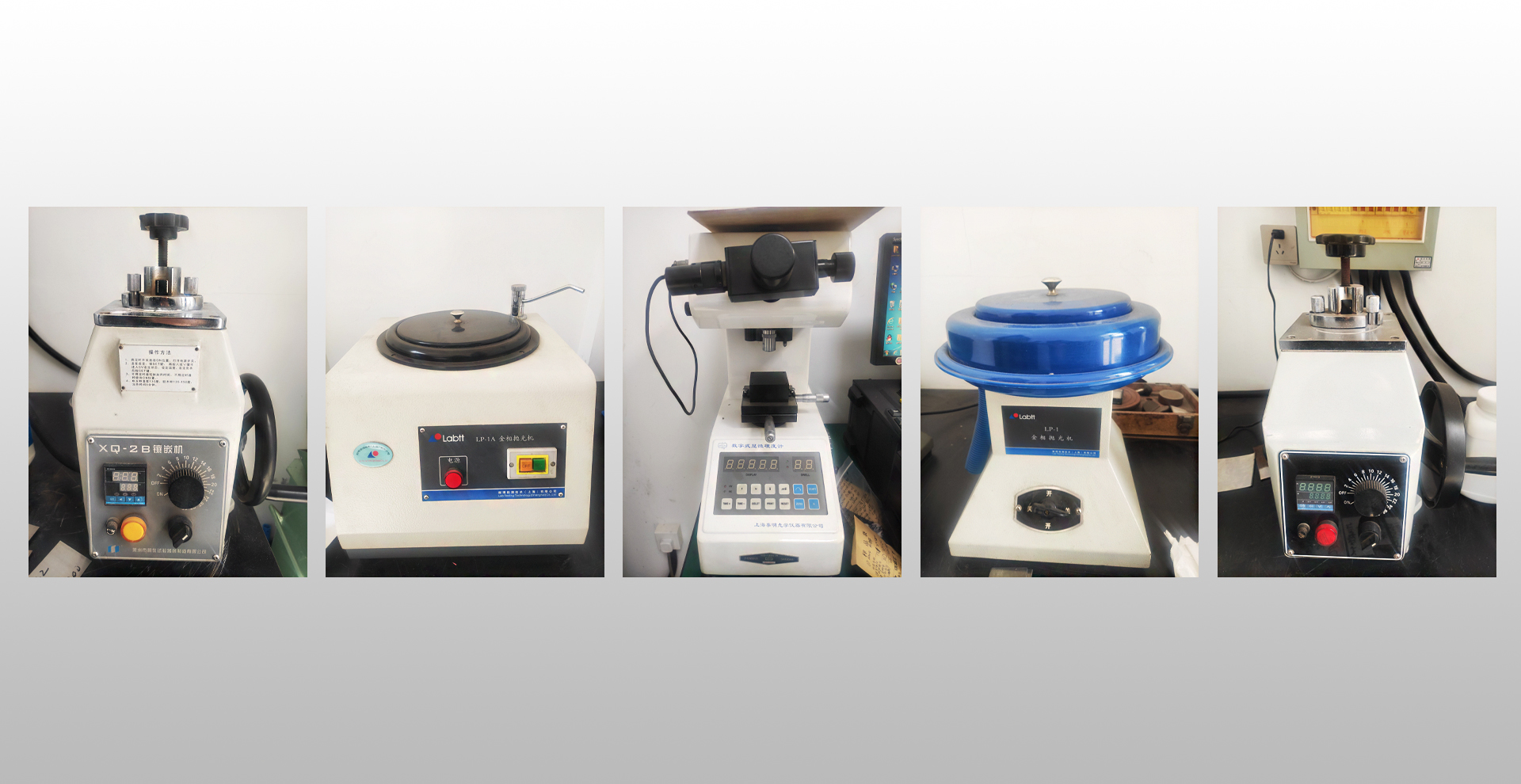
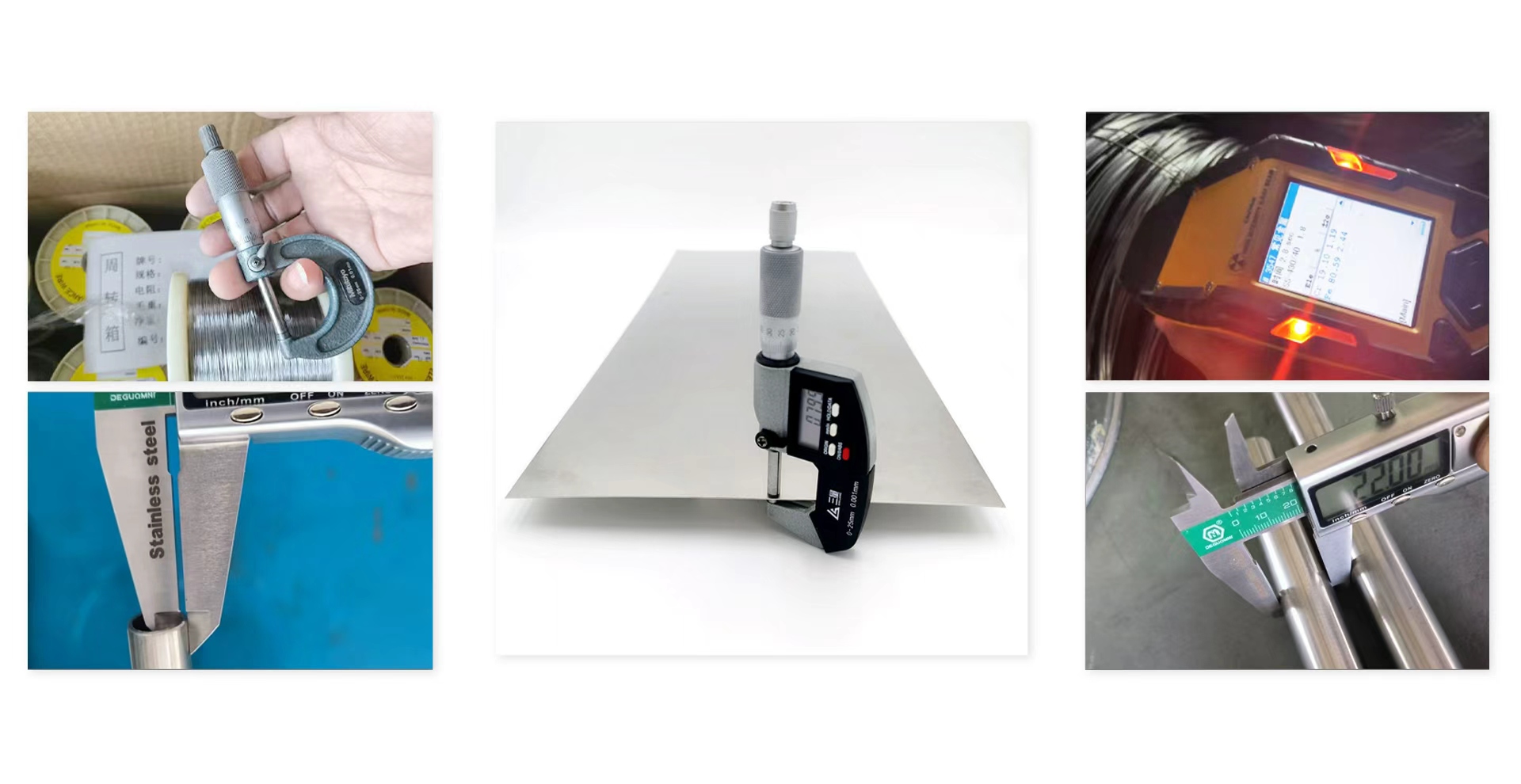
Quality Testing of the Product
Our product undergoes strict testing for tensile strength, corrosion resistance, and biocompatibility to ensure reliable performance in joint implants. We use advanced methods to verify its safety and durability, and all products meet international medical standards for consistent, long-term use in the body.