
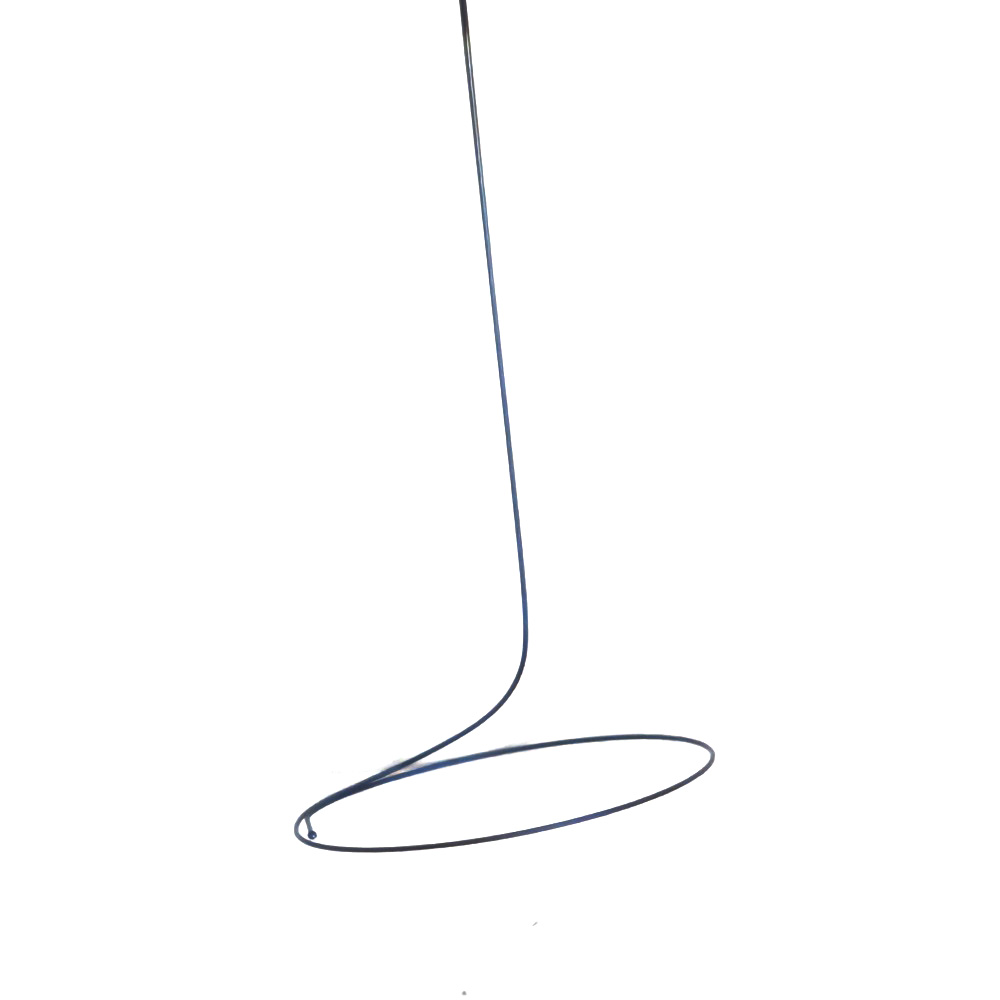
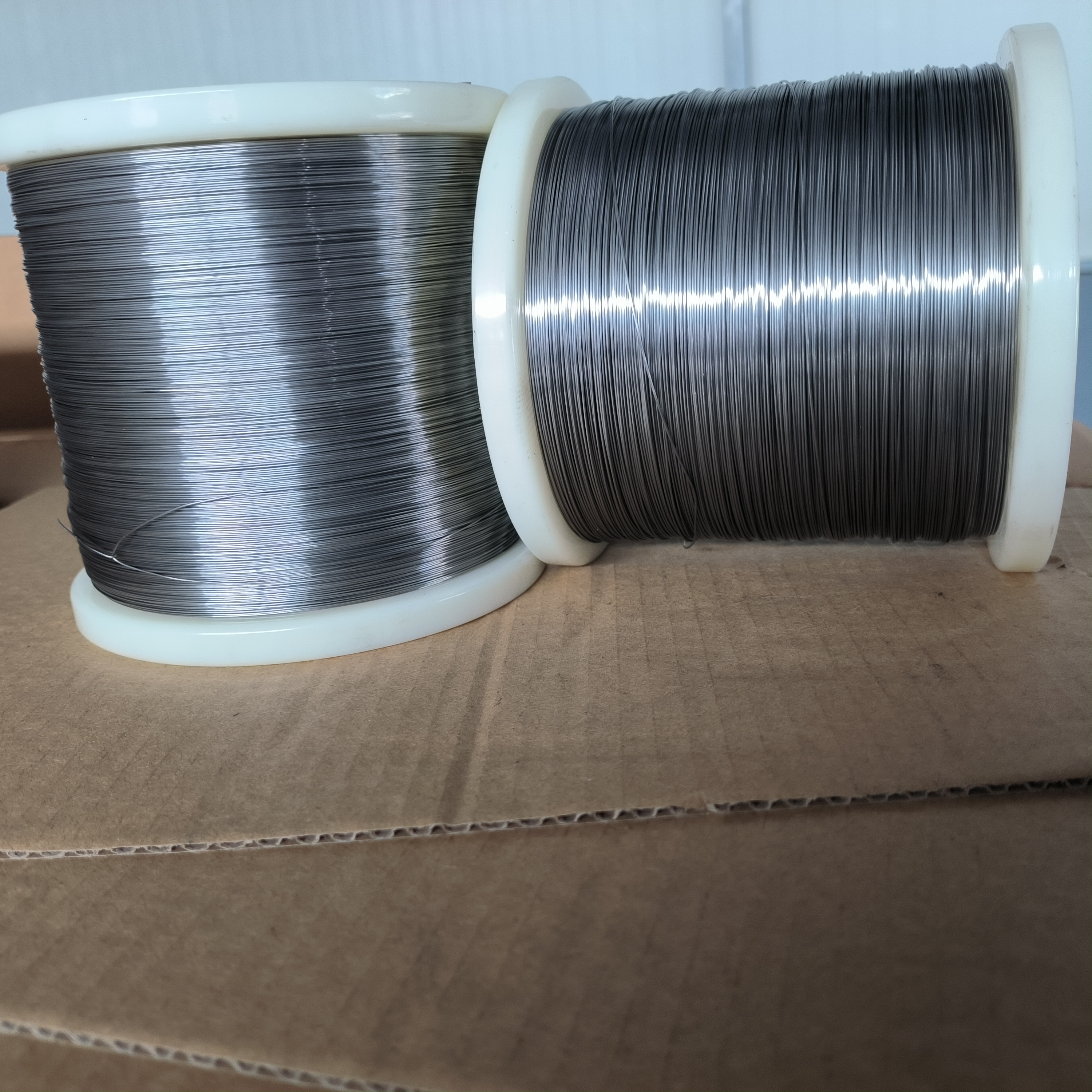
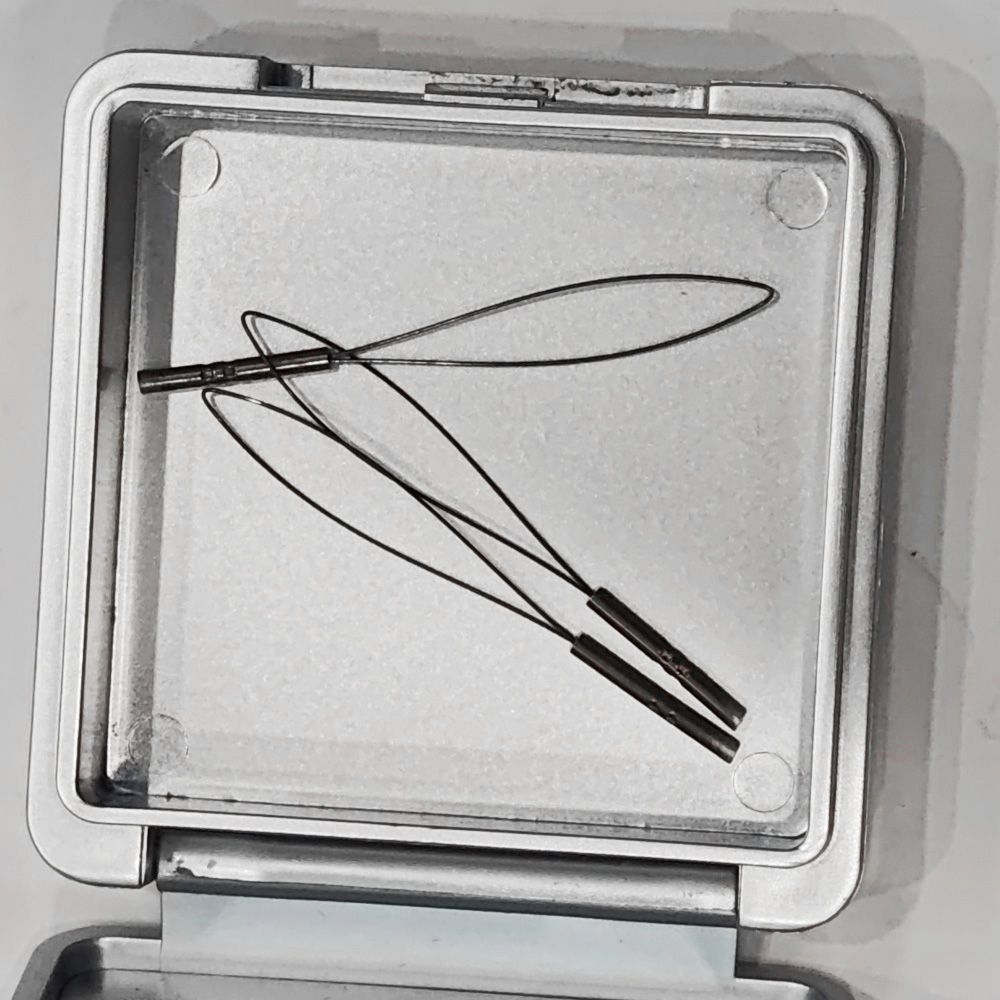
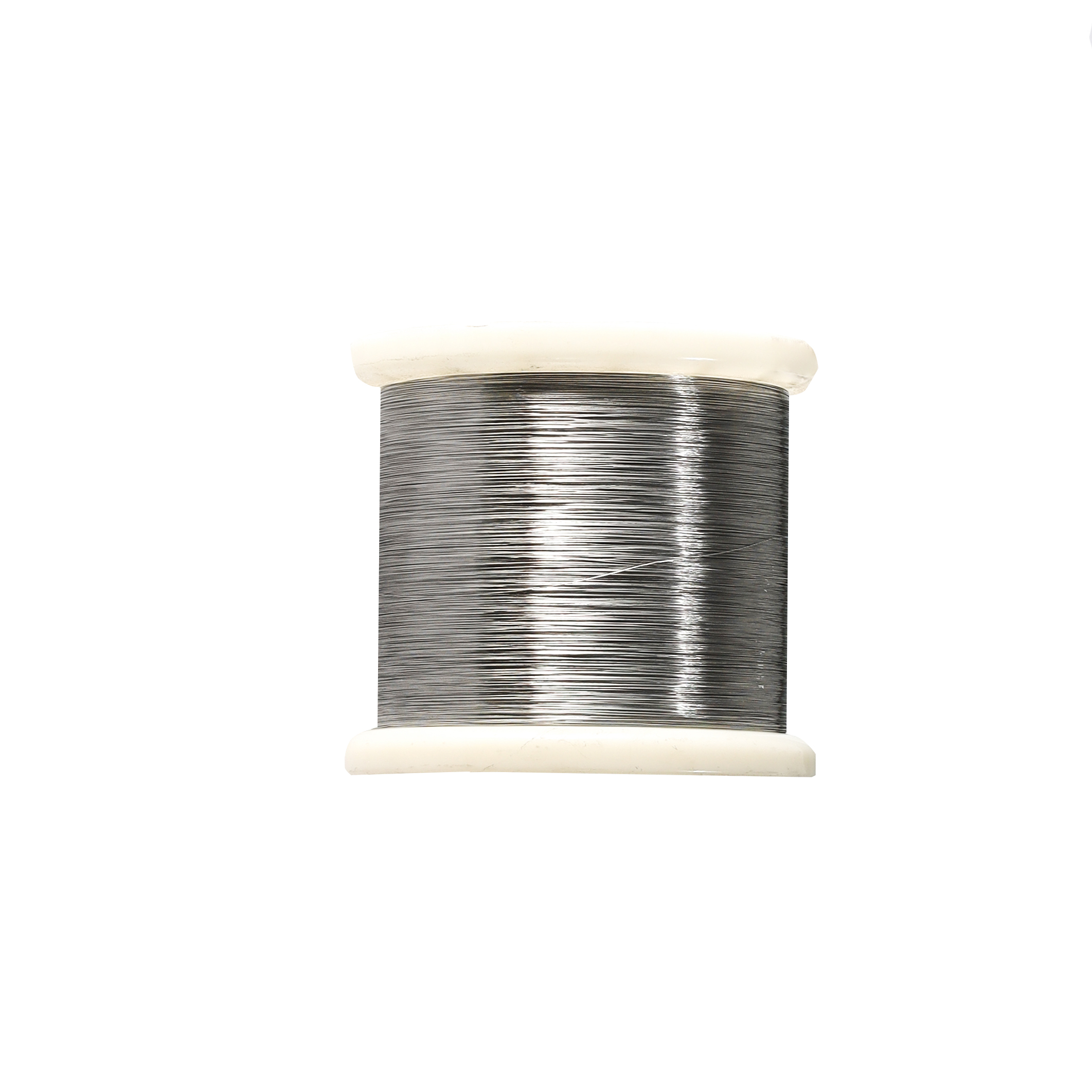
Introduction of Titanium Alloy Wire
Titanium alloy wire is a vital component in the development of neurostimulation electrodes, which are used to treat a wide range of neurological conditions, including chronic pain, movement disorders, and epilepsy. Its exceptional strength, flexibility, and biocompatibility make it ideal for use in medical devices that require high precision and long-term performance.
Our titanium alloy wire is manufactured to meet the rigorous standards of the medical industry, ensuring that it delivers the optimal electrical conductivity, durability, and comfort needed for neurostimulation electrodes. Whether used in deep brain stimulation (DBS), spinal cord stimulation (SCS), or other neurostimulation therapies, this wire provides a reliable solution for improving patient outcomes in nerve therapy.
| China | Classification | UK | Russia | Japan |
| TA1 | Commercial Pure Titanium | GR1 | BT1-00 | TP270 |
| TA2 | Commercial Pure Titanium | GR2 | BT1-0 | TP340 |
| TA3 | Commercial Pure Titanium | GR3 | TP450 | |
| TA4 | Commercial Pure Titanium | GR4 | TP550 | |
TC4 | Ti-6AI-4V | GR5 | BT6 | TAP6400 |
| TA7 | GR6 | |||
| TA9 | Ti-0.2Pd | GR7 | TP340Pb | |
TA18 | Ti-3Al-2.5V | GR9 | 0T4-1B | TAP3250 |
| TA9-1 | GR11 | |||
| TA10 | Ti-0.3Mo-0.8Ni | GR12 | ||
| TB5 | Ti-15V-3Al-3Gr-3Sn | Ti-15333 | ||
| TC4ELI | Ti-6AI-4VELI | GR23 |
Features of Titanium Alloy Wire
High Strength and Flexibility:
Titanium alloy wire offers the perfect combination of strength and flexibility, allowing neurostimulation electrodes to maintain their form and function even during long-term use in the body.Biocompatibility:
Titanium alloy is known for its excellent biocompatibility, meaning it is well-tolerated by the body, minimizing the risk of inflammation or rejection, which is crucial for long-term implants like neurostimulation electrodes.Corrosion Resistance:
The wire’s resistance to corrosion ensures that it remains effective over time, even when exposed to bodily fluids or other harsh environments within the body.Electrical Conductivity:
Titanium alloy wire is optimized for electrical conductivity, making it ideal for neurostimulation applications where precise electrical signals are crucial for successful nerve therapy.Customizable Dimensions:
The titanium alloy wire can be tailored to different diameters, lengths, and configurations, ensuring compatibility with various neurostimulation devices and specific patient needs.
| Mechanical Properties | |||||||
| Grade | Condition | Tensile Strength | Yield Strength | Elongation | Reductionof Area | ||
| Ksi | Mpa | Ksi | Mpa | % | |||
| ≥ | |||||||
GR1 | Annealed | 35 | 240 | 25 | 170 | 24 | 30 |
| GR2 | 50 | 345 | 40 | 275 | 20 | 30 | |
| GR3 | 65 | 450 | 55 | 380 | 18 | 30 | |
| GR4 | 80 | 550 | 70 | 483 | 15 | 25 | |
| GR5 | 130 | 895 | 120 | 828 | 10 | 25 | |
| GR6 | 120 | 828 | 115 | 483 | 15 | 25 | |
| GR7 | 50 | 345 | 40 | 275 | 20 | 30 | |
| GR9 | 90 | 620 | 70 | 483 | 15 | 25 | |
| GR11 | 35 | 240 | 25 | 170 | 24 | 30 | |
| GR12 | 70 | 483 | 50 | 345 | 18 | 25 | |
| GR23(Ti-6AL-4VELI) | 125 | 860 | 115 | 795 | 10 | 25 | |
Titanium Alloy Grade Composition Table
| Grade | C ≤ | O ≤ | N ≤ | H ≤ | Fe ≤ | Al | V | Pd | Ni | Mo | Average of Other Elements | Total of Other Elements |
| Gr1 | 0.08 | 0.18 | 0.03 | 0.015 | 0.2 | - | - | - | - | - | 0.1 | 0.4 |
| Gr2 | 0.08 | 0.25 | 0.03 | 0.015 | 0.3 | - | - | - | - | - | 0.1 | 0.4 |
| Gr4 | 0.08 | 0.25 | 0.03 | 0.015 | 0.3 | - | - | - | - | 0.1 | 0.4 | |
| Gr5 | 0.08 | 0.2 | 0.05 | 0.015 | 0.4 | 5.5~6.75 | 3.5~4.5 | - | - | - | 0.1 | 0.4 |
| Gr7 | 0.08 | 0.25 | 0.03 | 0.015 | 0.3 | - | - | 0.12~0.25 | 0.12~0.25 | - | 0.1 | 0.4 |
| Gr9 | 0.08 | 0.15 | 0.03 | 0.015 | 0.25 | 2.5~3.5 | 2.0~3.0 | - | - | - | 0.1 | 0.4 |
| Gr11 | 0.08 | 0.18 | 0.03 | 0.15 | 0.2 | - | - | 0.12~0.25 | - | - | 0.1 | 0.4 |
| Gr12 | 0.08 | 0.25 | 0.03 | 0.15 | 0.3 | - | - | - | 0.6~0.9 | 0.2~0.4 | 0.1 | 0.4 |
| Gr16 | 0.08 | 0.25 | 0.03 | 0.15 | 0.3 | - | - | 0.04~0.08 | - | - | 0.1 | 0.4 |
| Gr23 | 0.08 | 0.13 | 0.03 | 0.15 | 0.25 | 5.5~6.5 | 3.5~4.5 | - | - | - | 0.1 | 0.1 |
Advantages of Using Titanium Alloy Wire for Joint Implants
Enhanced Nerve Therapy Effectiveness:
Titanium alloy wire's superior electrical conductivity helps ensure that neurostimulation electrodes deliver precise, effective electrical impulses to nerve tissues, promoting optimal therapeutic results for patients.Long-Term Durability:
Titanium alloy’s exceptional durability means that neurostimulation electrodes made from this material are reliable over the long term, reducing the need for replacements and ensuring consistent performance throughout the treatment process.Improved Patient Comfort:
The lightweight and biocompatible nature of titanium alloy wire helps minimize discomfort for patients receiving neurostimulation therapy. Its flexible properties allow it to adapt to the body's shape and movements without compromising functionality.Reduced Risk of Complications:
Titanium alloy wire’s resistance to corrosion and its biocompatibility significantly reduce the risk of infection or complications that could arise from prolonged exposure to medical implants, ensuring patient safety.Cost-Effective in the Long Run:
While titanium alloy wire may have a higher initial cost, its longevity, reliability, and minimal maintenance requirements make it a cost-effective choice for neurostimulation therapy devices in the long term.
| Grade | TA1 TA2 TA3 TA4 TC4 TA7 GR7 GR9 GR11 |
| Titanium Wire | Diameter: 0.1mm-8.0mm |
| Titanium Tube | Length (4-12m), Width (1-50mm), Diameter (48.3-609.6mm) |
| Titanium Rod | Diameter (5.0-350mm), Length (300-6000mm) |
| Titanium Block | Length (100-1500mm), Width (30-600mm), Height (20-300mm) |
| Titanium Plate | Length (1000-6000mm), Width (1000-2000mm), Height (0.8-60mm) |
| Standard | ASTMB863 ASTMB265 ASTMF67 ASTMF136 ISO5832 GB3632 GJB9581 |
Applications of Titanium Alloy Wire in Joint Implants
Titanium alloy wire is primarily used in the construction of neurostimulation electrodes, which are integral to several therapies that target the nervous system. Some of the key applications include:
Deep Brain Stimulation (DBS):
Titanium alloy wire is essential in DBS devices, which are used to treat movement disorders such as Parkinson's disease. The wire ensures that electrical impulses are delivered precisely to the brain for optimal results.Spinal Cord Stimulation (SCS):
Used in spinal cord stimulation systems for the treatment of chronic pain, titanium alloy wire helps deliver electrical signals to the spinal cord to modify pain perception, improving the quality of life for patients with chronic pain conditions.Peripheral Nerve Stimulation:
Titanium alloy wire is used in peripheral nerve stimulation devices, which are implanted near specific nerves to provide relief from conditions like migraines, neuropathic pain, and other neurological disorders.Neuromodulation Devices:
The wire is also used in various neuromodulation therapies, where electrical signals are used to alter nerve activity, providing relief for patients with conditions such as depression, epilepsy, and other neurological disorders.Cochlear Implants:
Beyond neurostimulation, titanium alloy wire is used in cochlear implants, providing patients with hearing loss the ability to perceive sound through electrical signals transmitted to the auditory nerve.
ABOUT US
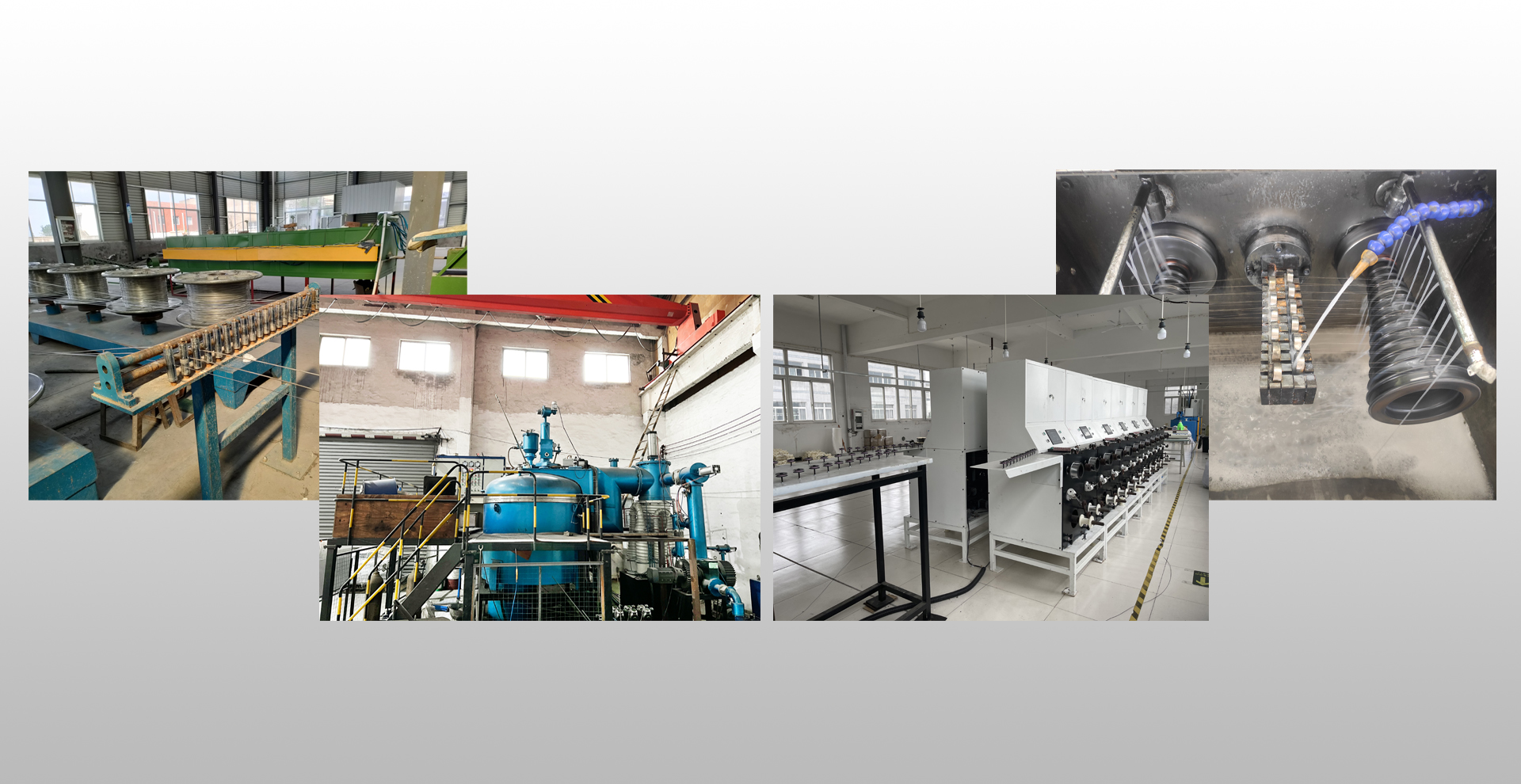
Victory Alloy Co., Ltd. is a professional manufacturer specializing in medical alloy materials, with a dedicated focus on the research, development and production of high-performance biomedical alloys.
Our primary product range includes medical-grade titanium alloys, Nitinol (nickel-titanium alloy), cobalt-chromium (CoCr) alloys, platinum-iridium (Pt-Ir) alloys, and medical stainless steel. These high-quality alloys are widely applied in a broad spectrum of medical fields, such as cardiovascular stents, orthopedic implants, interventional guidewires, dental implants, surgical instruments, and disposable medical auxiliary devices. Boasting outstanding biocompatibility, strong corrosion resistance and excellent mechanical properties, our products have won consistent praise from customers across the board.

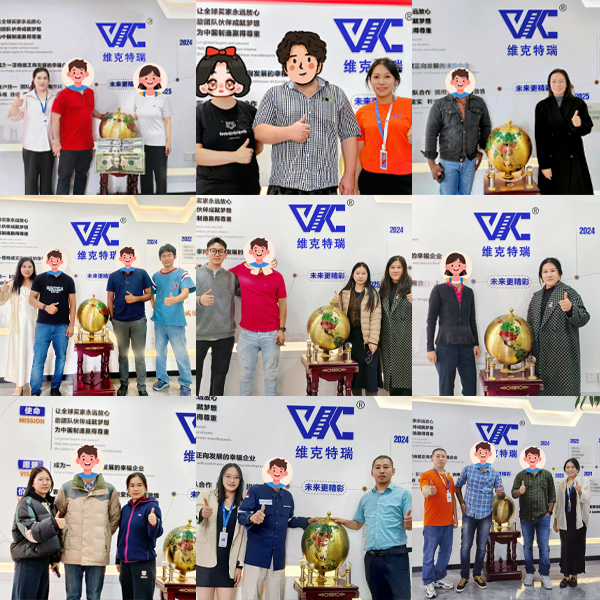
Client Visits
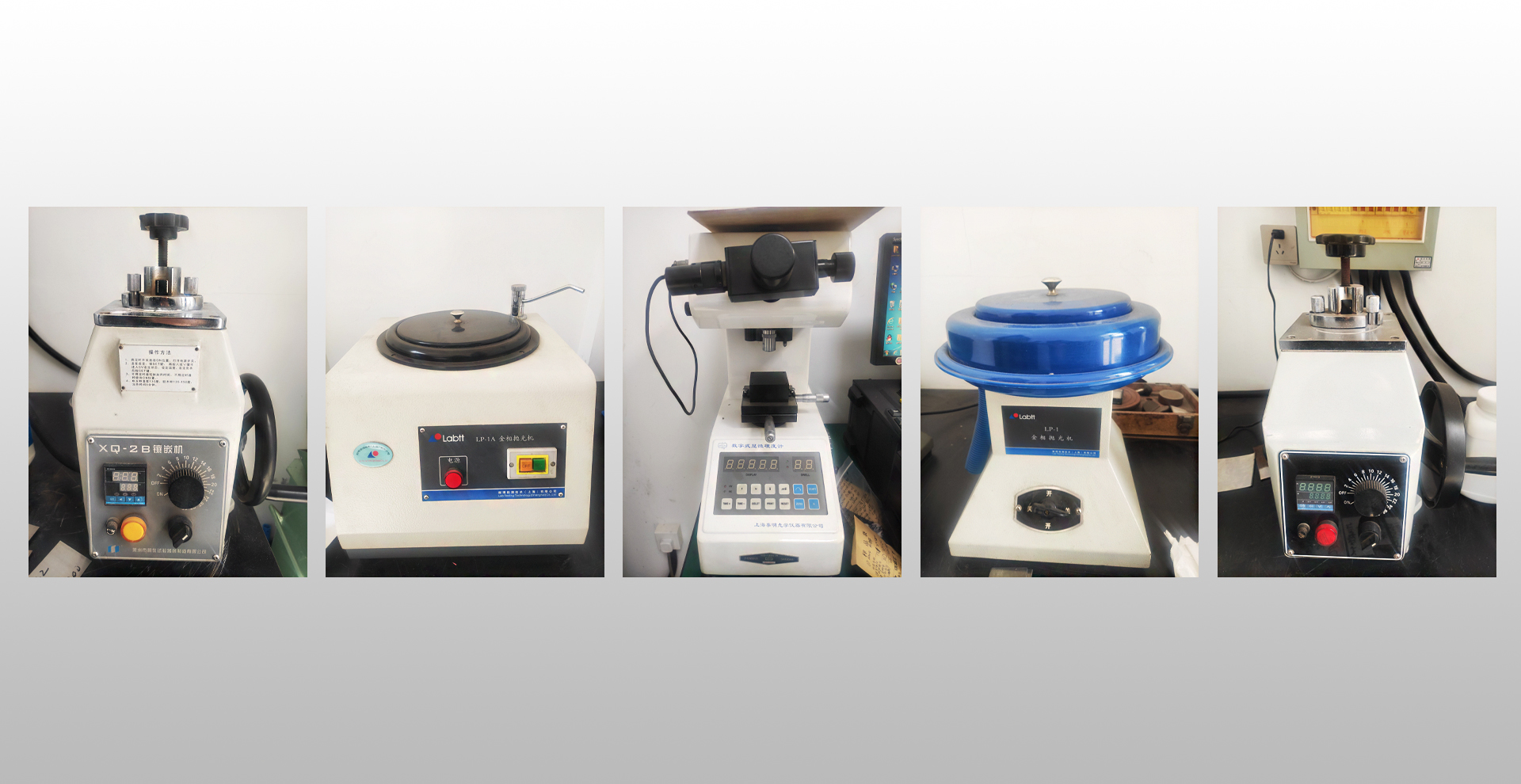
We welcome client visits to showcase our manufacturing and testing processes. Clients can explore our facility, discuss specific needs, and learn about our quality control methods. Our team ensures a personalized experience to meet your exact requirements for medical applications.
 Our Factory
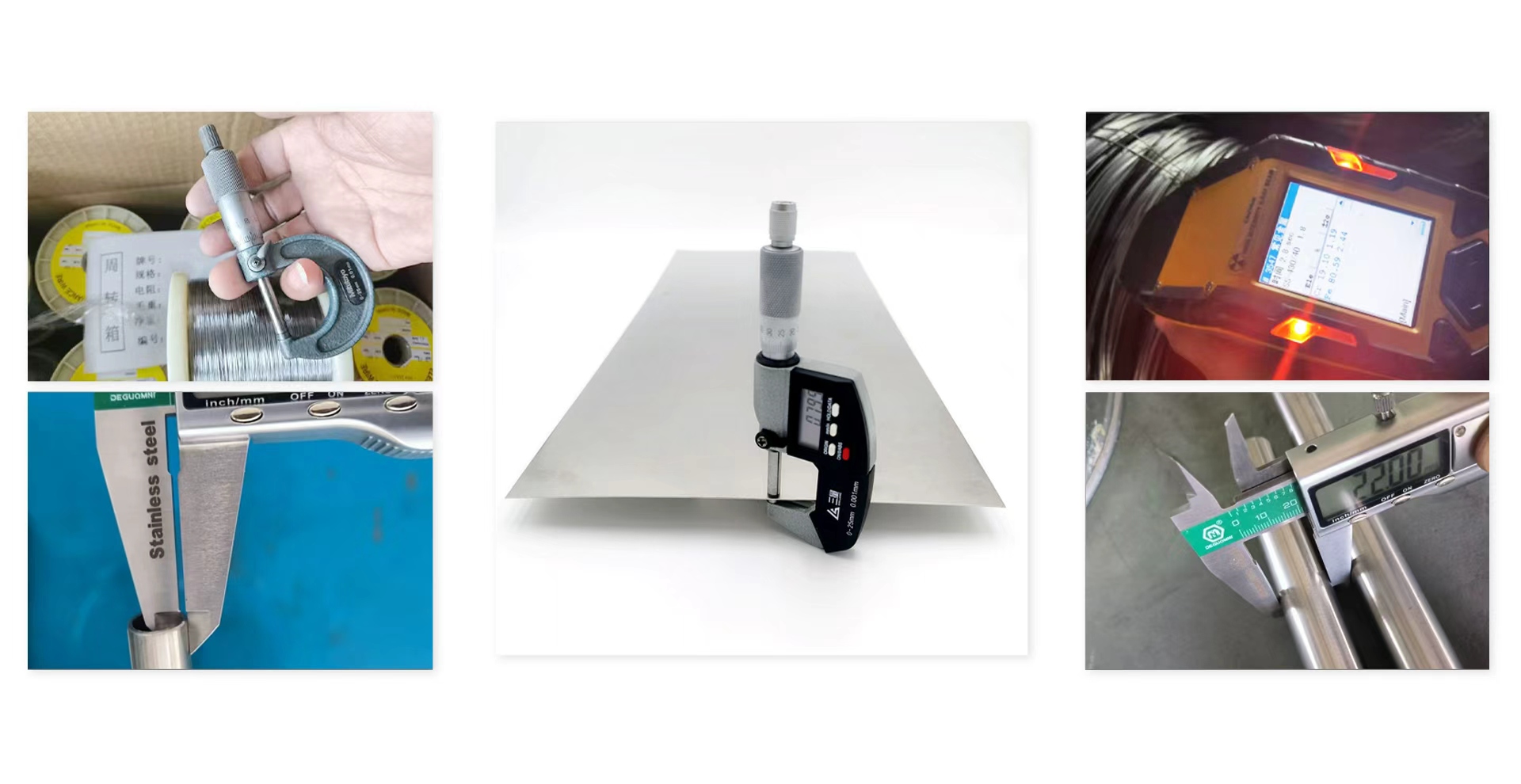
Quality Testing of the Product
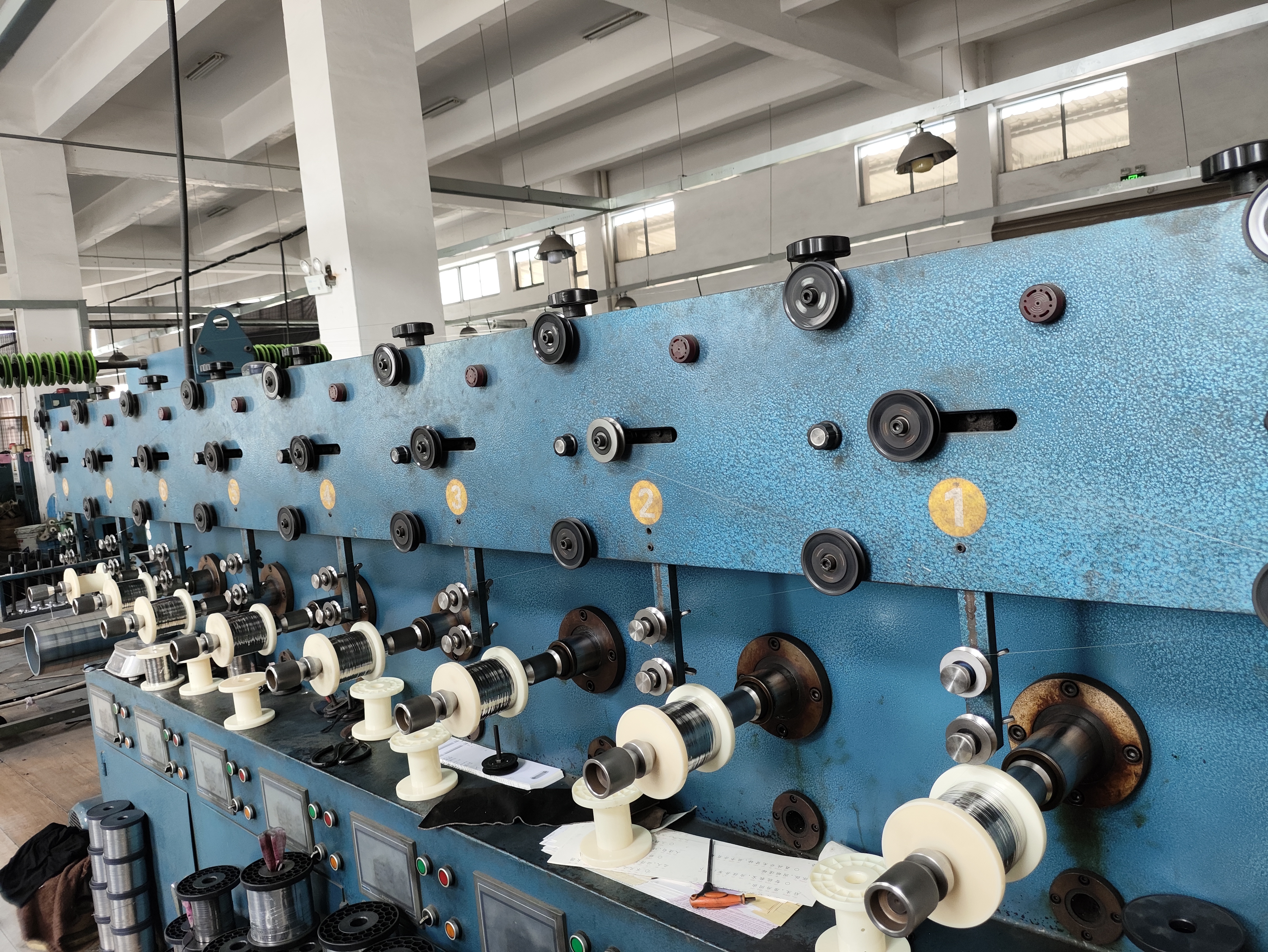
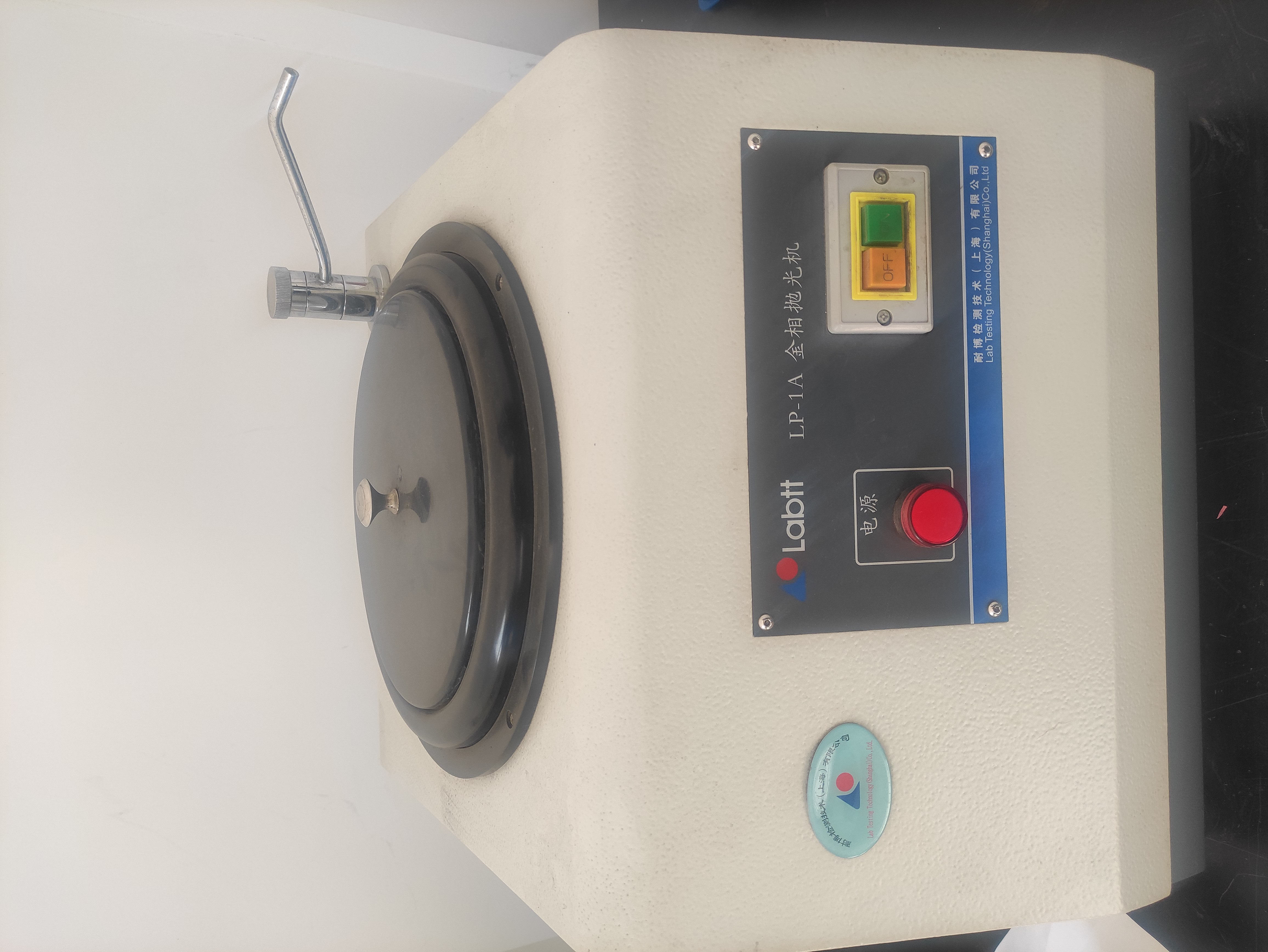
Our product undergoes strict testing for tensile strength, corrosion resistance, and biocompatibility to ensure reliable performance in joint implants. We use advanced methods to verify its safety and durability, and all products meet international medical standards for consistent, long-term use in the body.
FAQ
Who is your company?
We are a leading supplier of high-quality Nitinol alloy wire, specializing in providing durable, biocompatible materials for orthopedic joint replacements and other medical applications.How can I contact your company?
Phone: +86 132 1868 0935
Whatsapp: +86 13218680935
Email: victory@dlx-alloy.com
Why is titanium alloy wire used in neurostimulation electrodes?
Titanium alloy wire is used in neurostimulation electrodes because of its strength, flexibility, electrical conductivity, and biocompatibility. These properties ensure effective nerve therapy and long-term reliability in medical devices.Can the titanium alloy wire be customized for specific neurostimulation devices?
Yes, the wire can be customized to meet the exact specifications required for different neurostimulation applications, including varying diameters, lengths, and configurations to suit patient needs.How does titanium alloy wire enhance nerve therapy?
The wire’s excellent electrical conductivity allows for precise and controlled electrical impulses, which are essential for the effectiveness of neurostimulation therapies like DBS, SCS, and peripheral nerve stimulation.What are the long-term benefits of using titanium alloy wire in neurostimulation electrodes?
Titanium alloy wire offers long-term durability, minimal risk of complications, and reduced need for replacements, making it a reliable and cost-effective material for long-term nerve therapy solutions.