
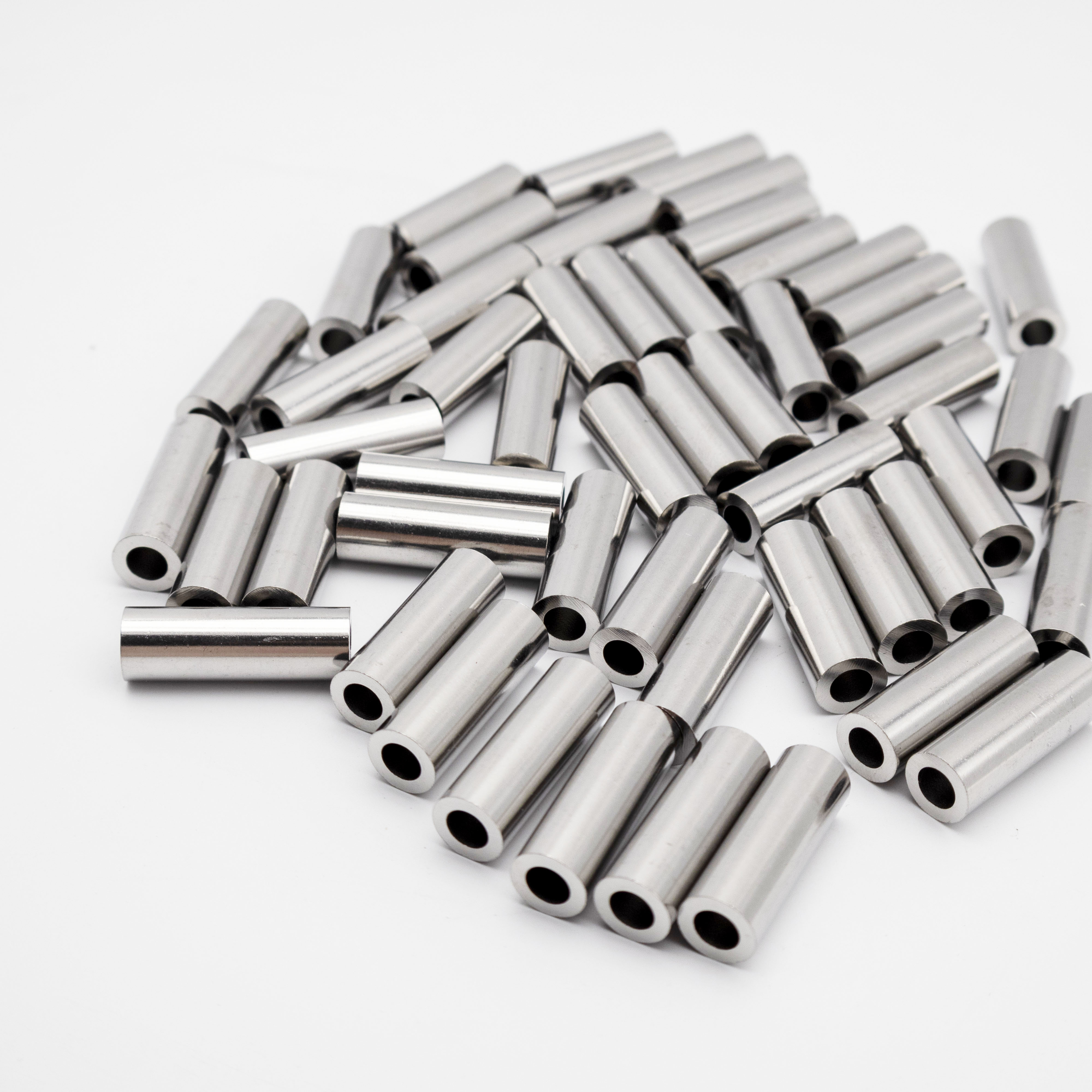
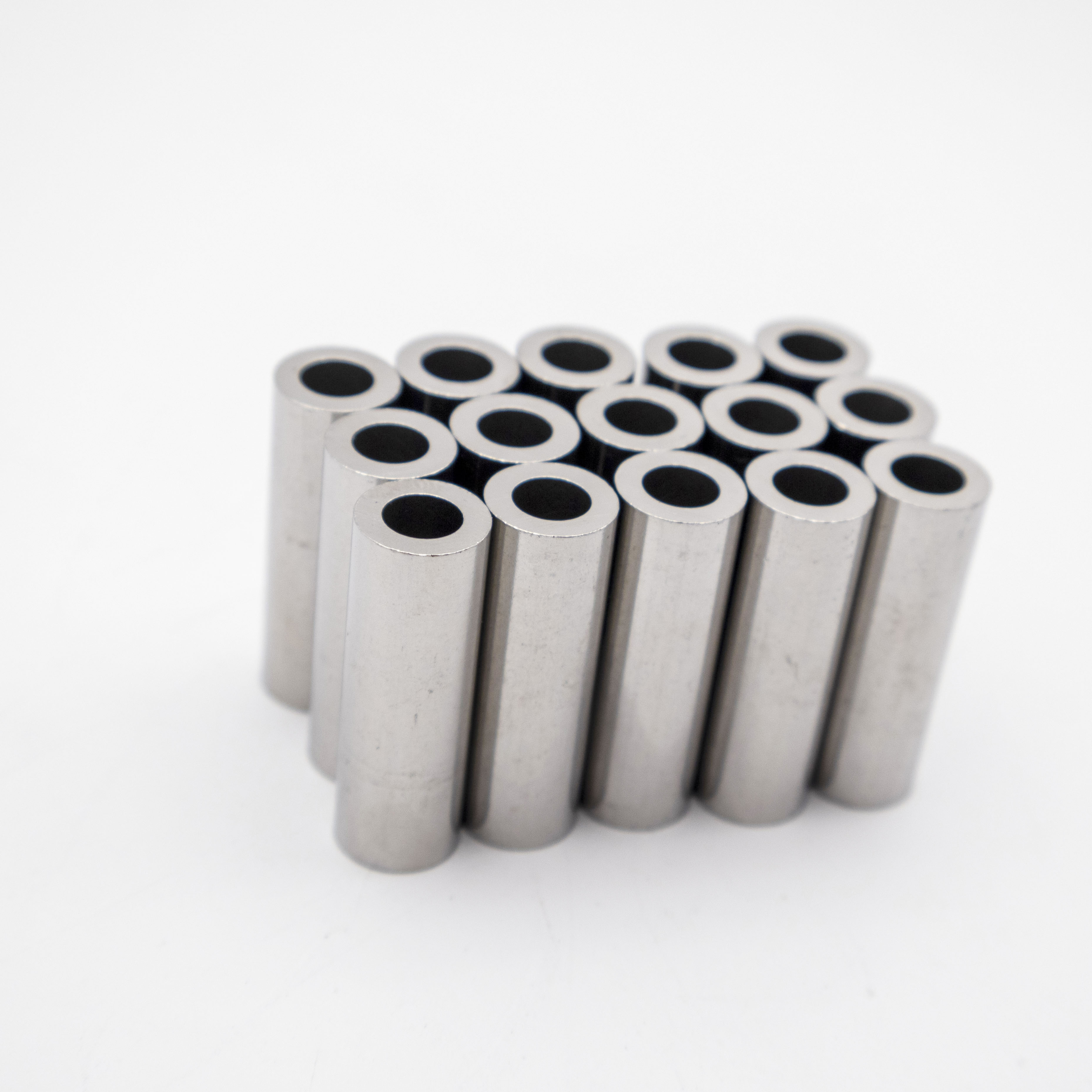
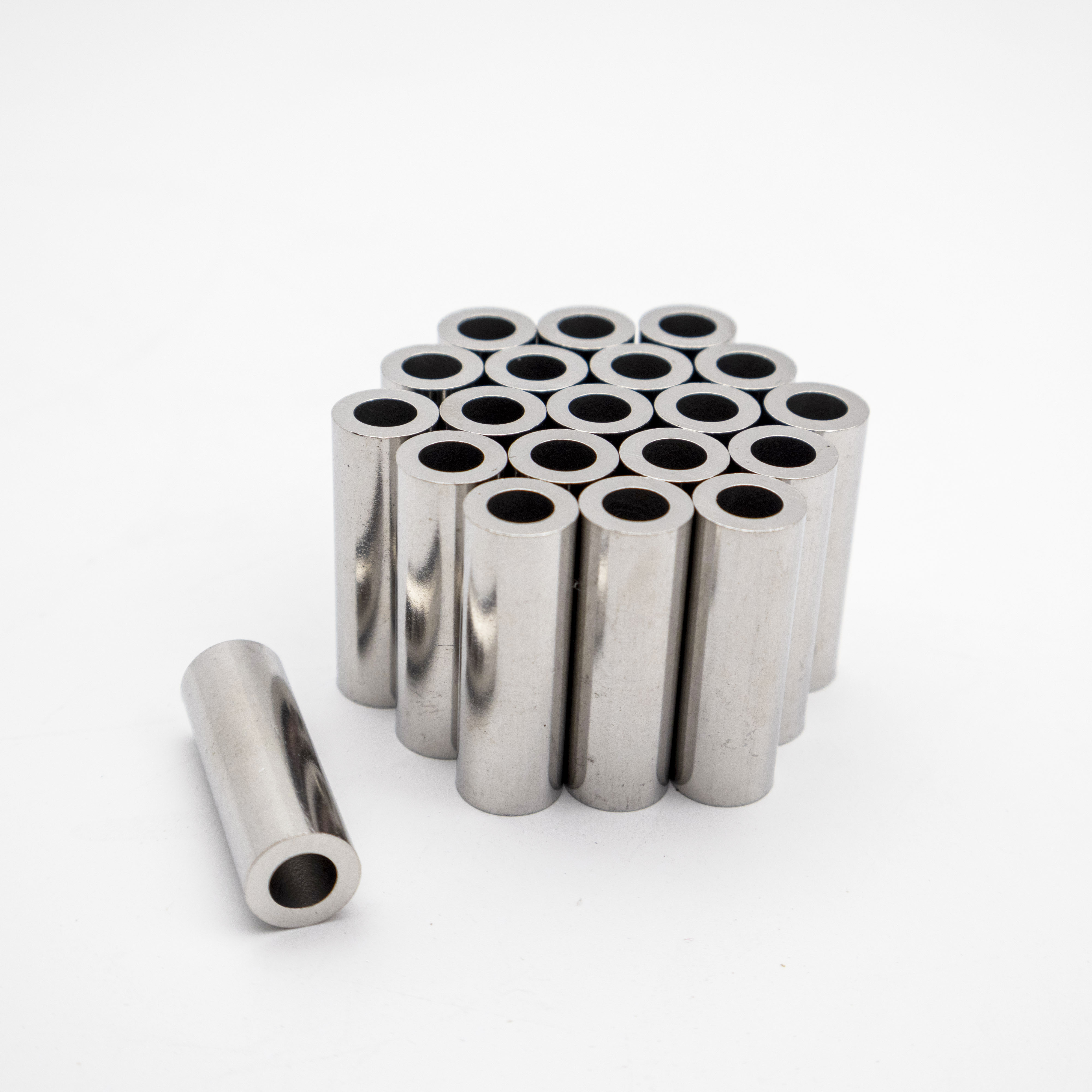
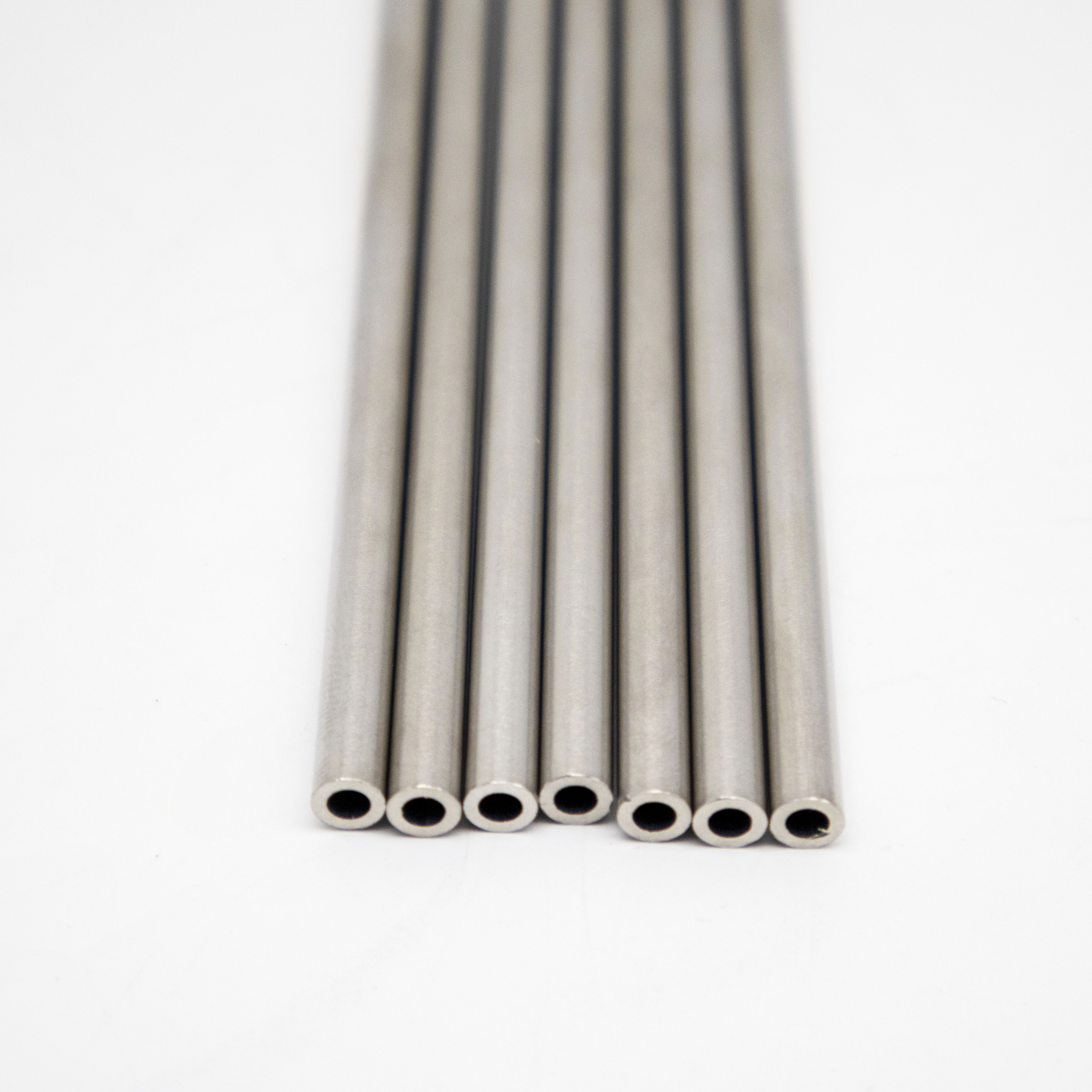
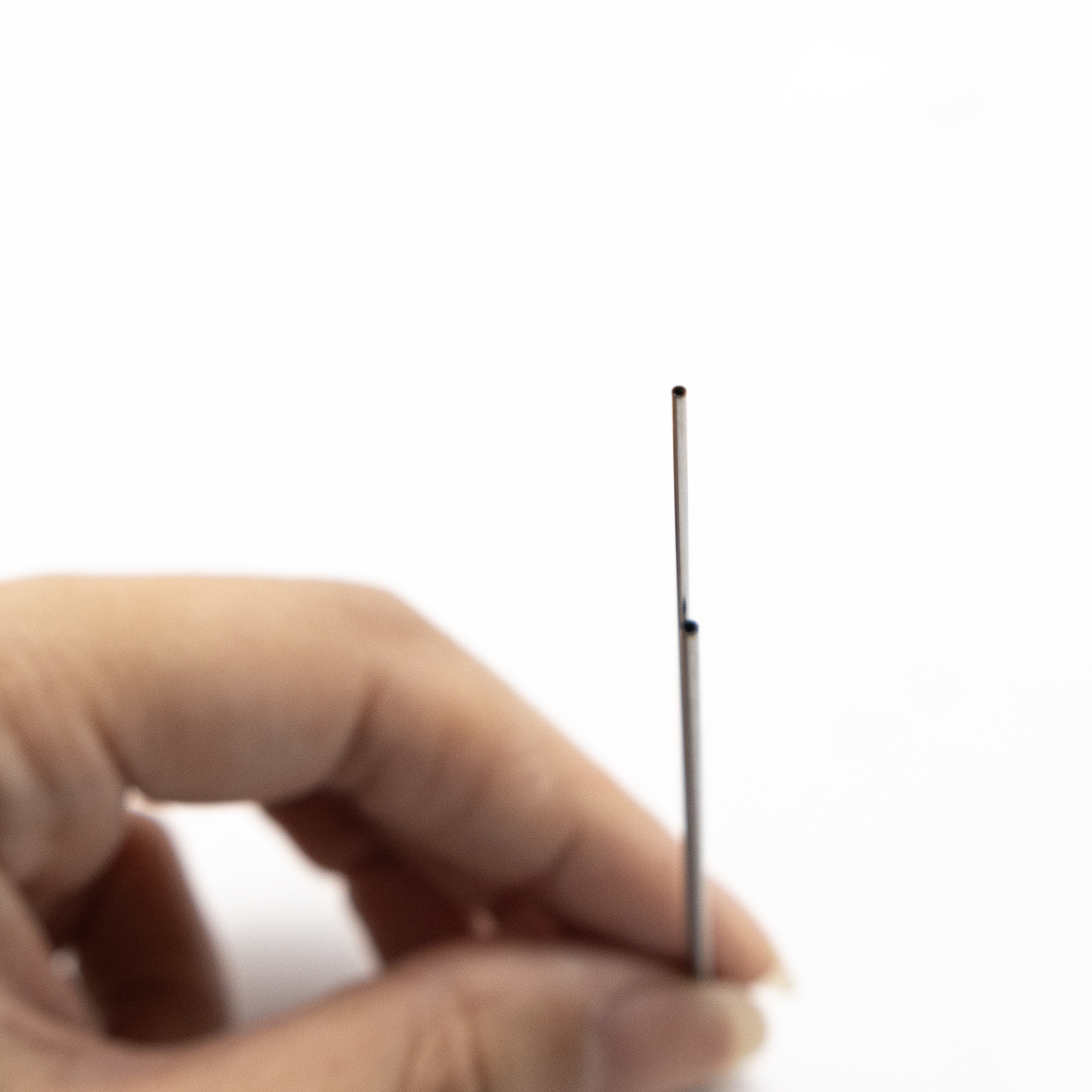
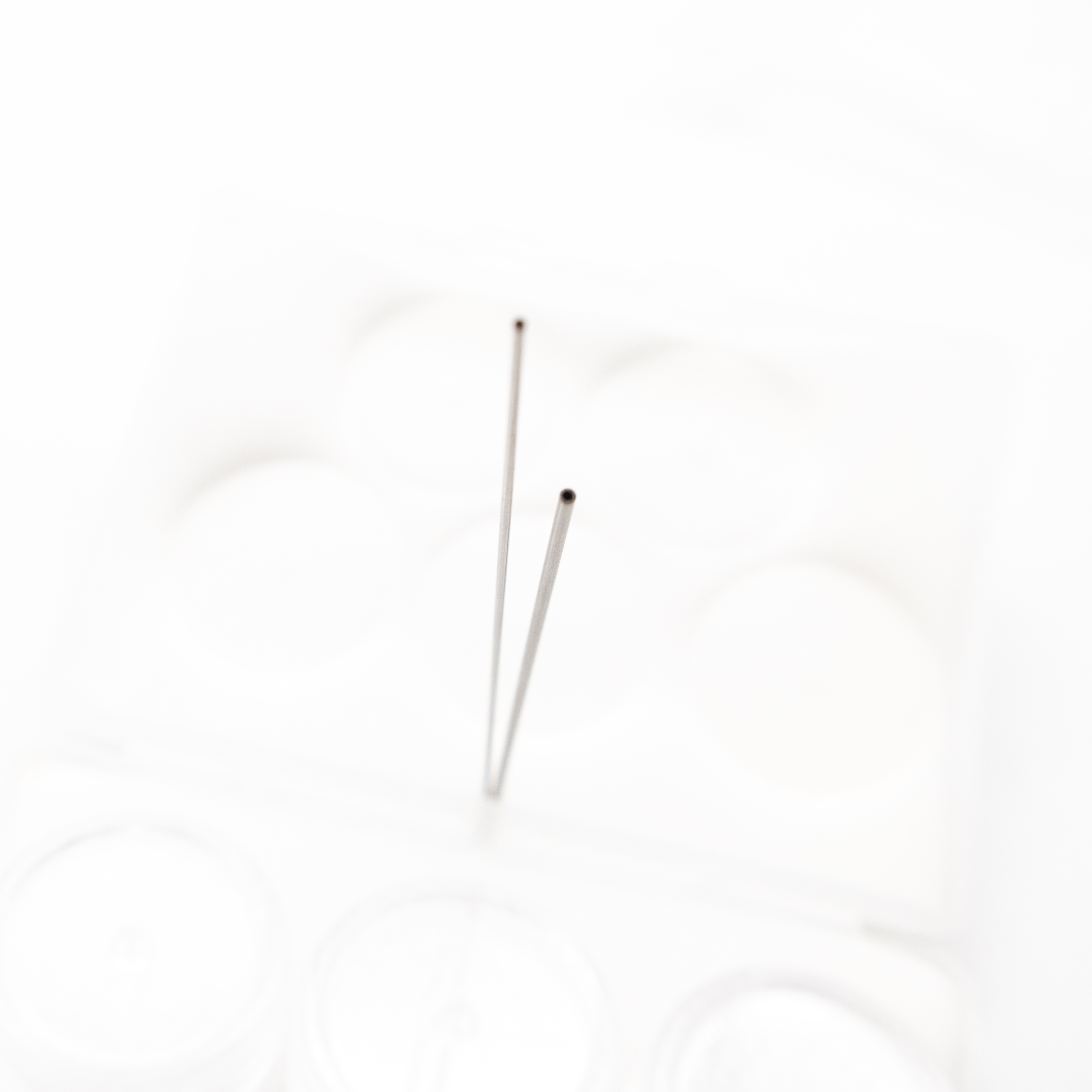
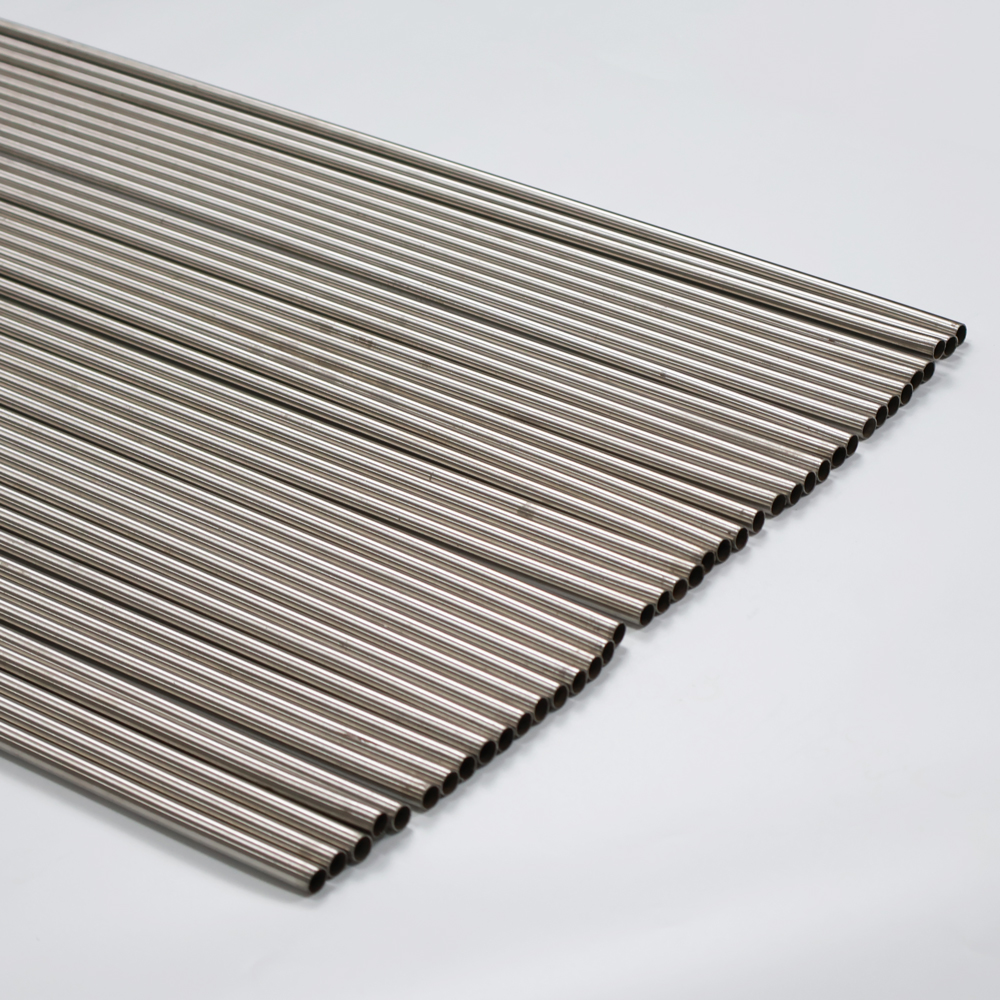
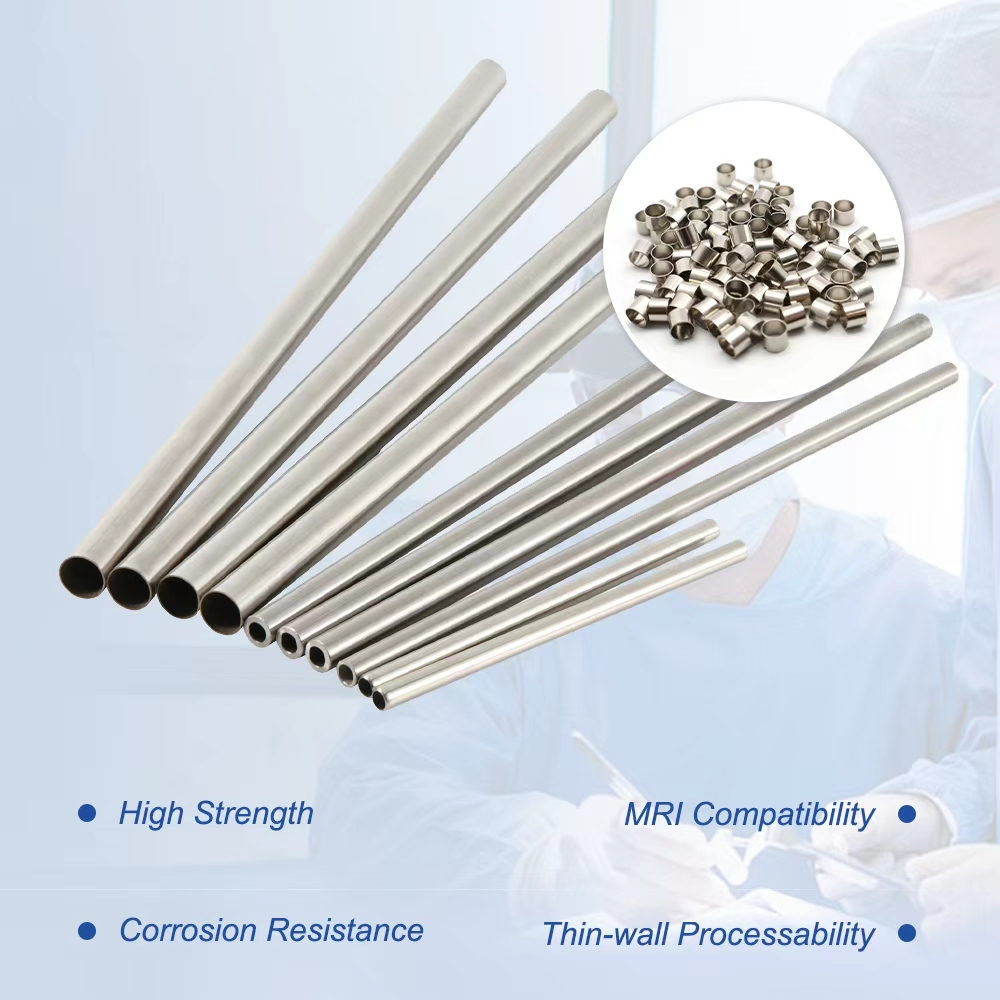
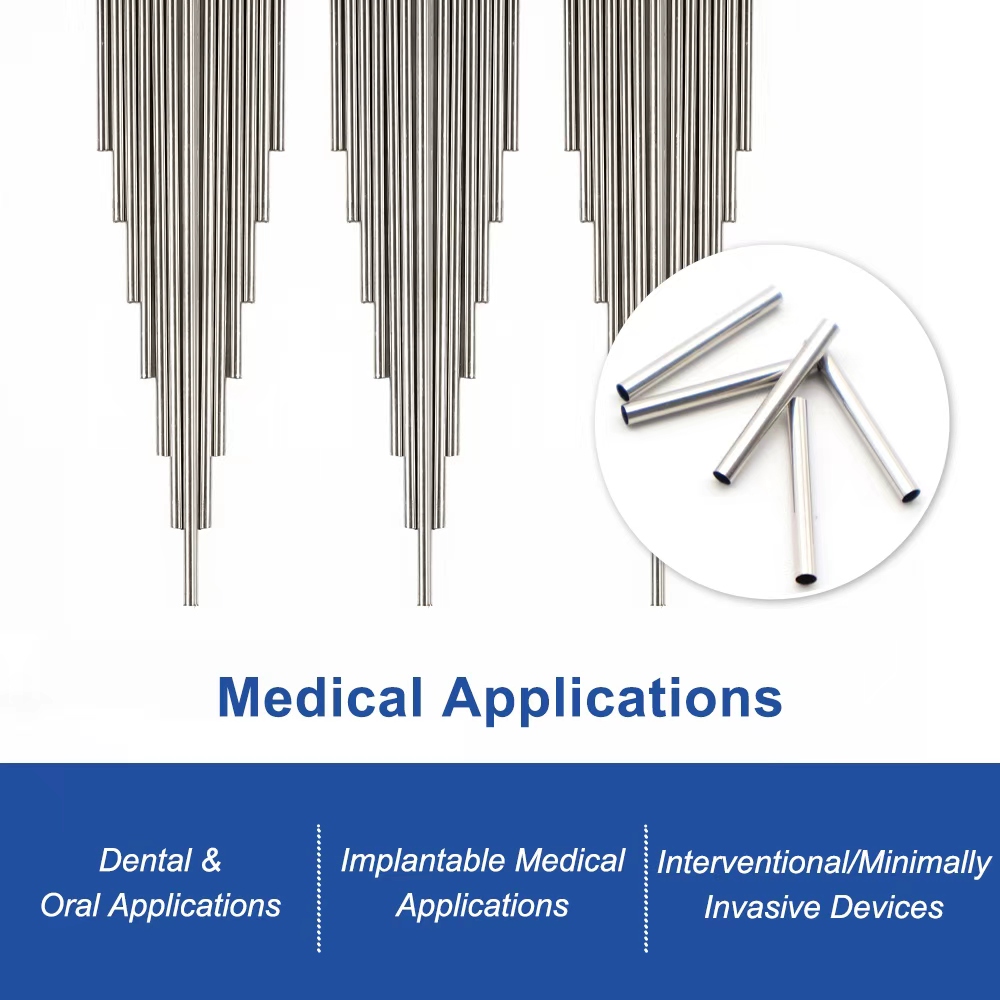
Overview of High-Performance Cobalt Chromium Tubes
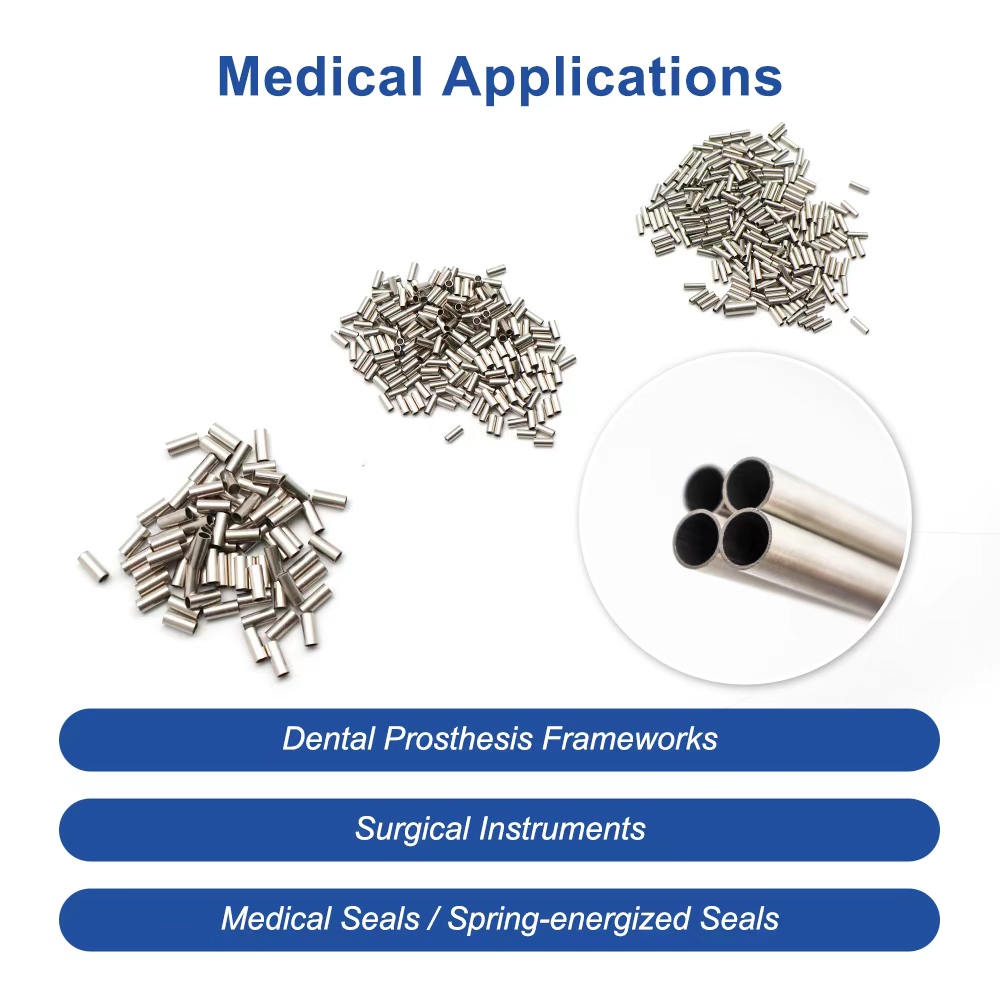
Engineered from premium medical-grade cobalt chromium alloys, these seamless precision tubes are the preferred choice for next-generation interventional device components. Designed specifically for demanding minimally invasive applications, our CoCr tubing combines ultra-high tensile strength, fatigue resistance, and excellent fluoroscopic visibility to enable thinner struts, superior deliverability, and long-term performance in vascular scaffolding, catheter systems, and endovascular delivery devices.
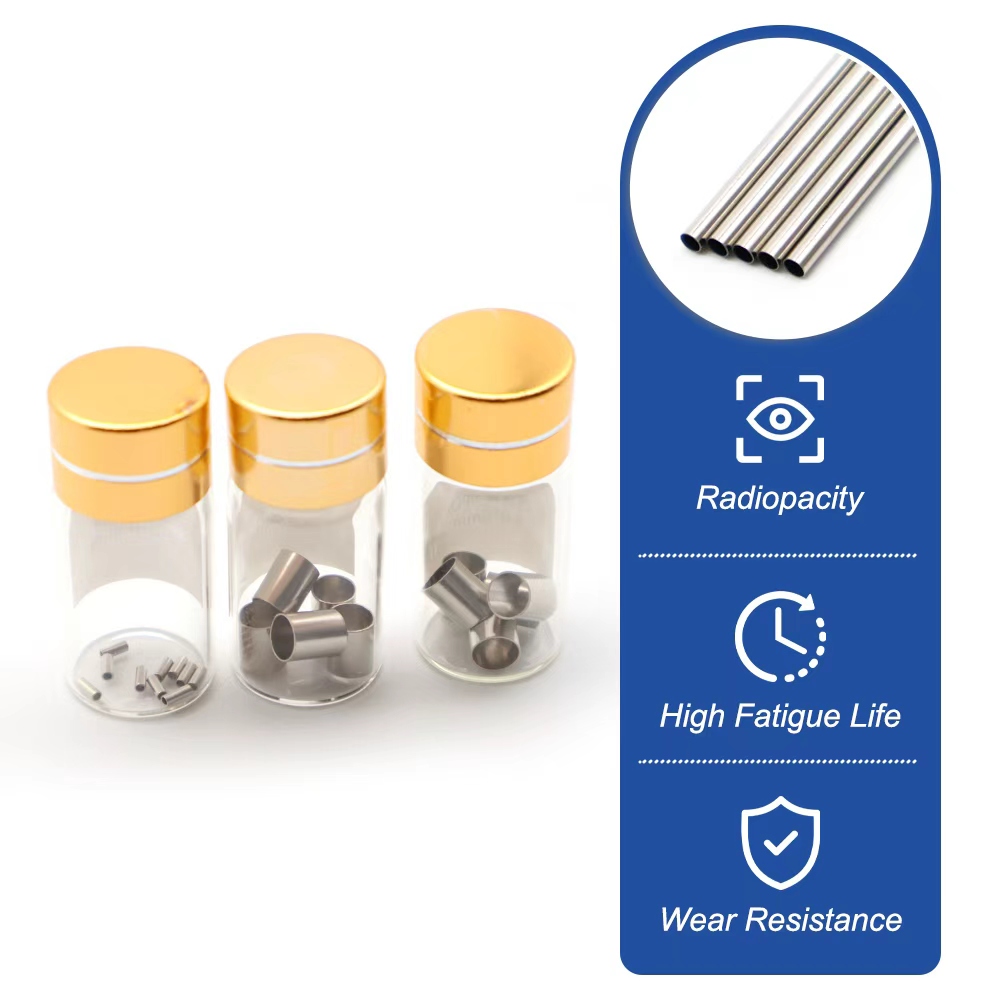
Features of Cobalt Chromium Interventional Device Tubing Components
Exceptional Mechanical Strength & Fatigue Resistance – High tensile strength (900–1400 MPa) allows ultra-thin walls while maintaining radial force and durability under cyclic loading in stents and hypotubes.
Superior Corrosion Resistance & Biocompatibility – Chromium oxide passive layer ensures long-term stability in physiological environments; fully biocompatible for permanent implants.
High Radiopacity – Superior X-ray visibility during fluoroscopy-guided minimally invasive procedures, reducing procedure time and improving precision.
Precision Tolerances & Surface Finish – Tight dimensional control (±0.001" possible), smooth electropolished surfaces, and kink-resistant performance for catheter components and guidewires.
MRI Compatibility & Thin-Wall Capability – Minimal imaging artifacts; supports ultra-thin struts for better crossing profiles in complex interventional cardiology and neurovascular interventions.
Custom Manufacturing Ready – Laser-cuttable, balloon-expandable, and compatible with drug-eluting coatings for advanced endovascular devices.
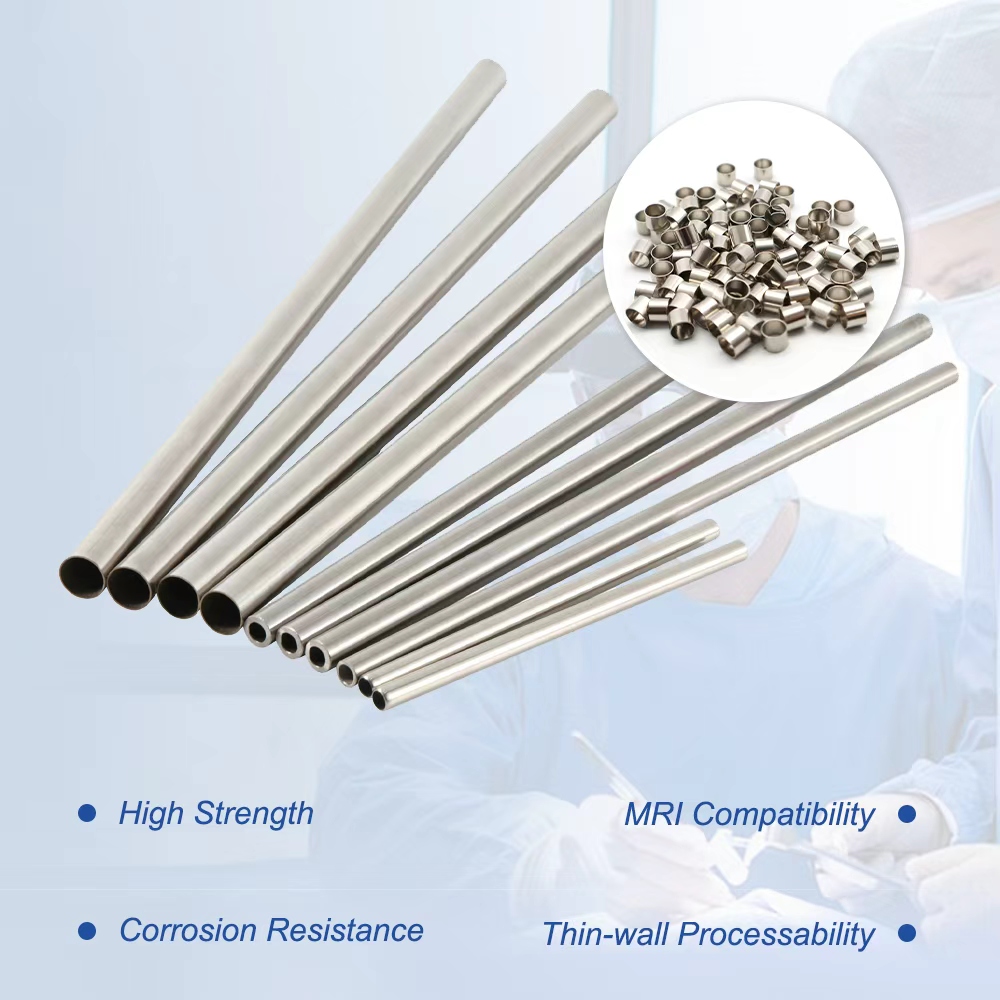
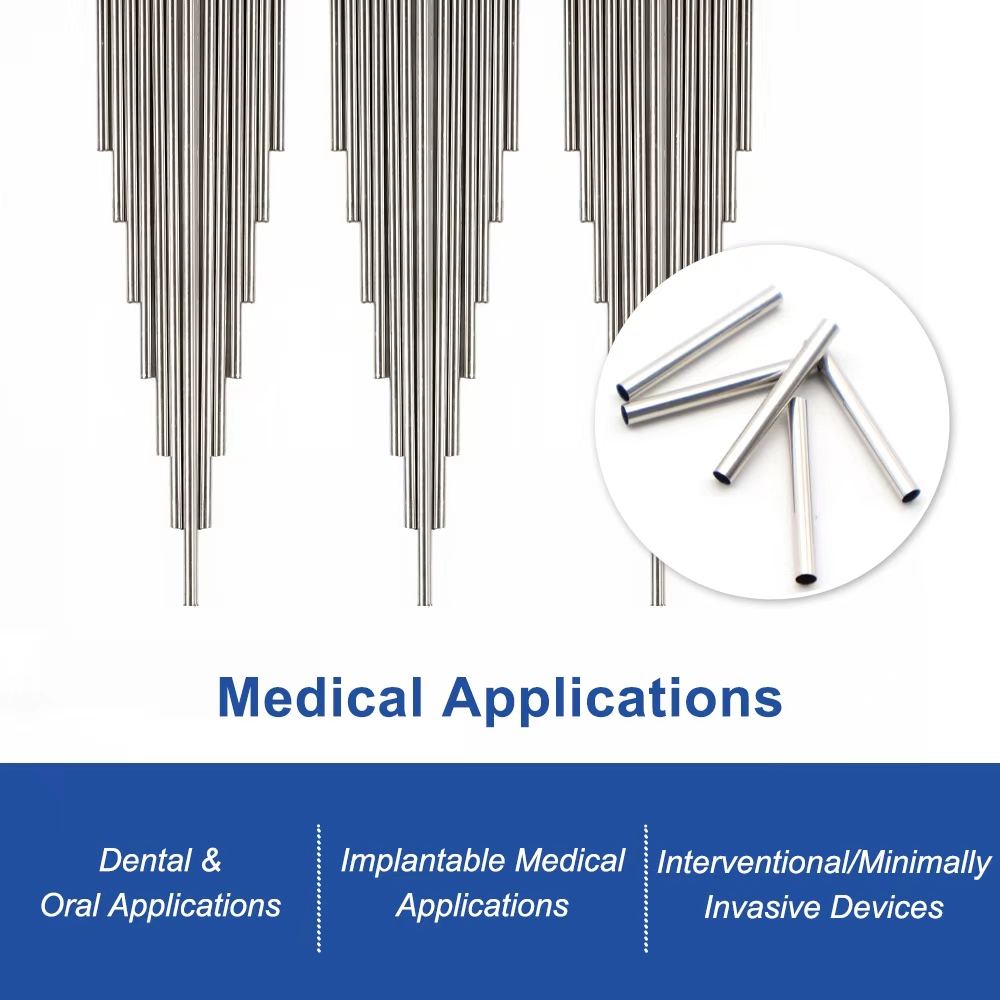
Applications of CoCr Tubes in Minimally Invasive Interventional
Cardiovascular Interventions – Coronary and peripheral balloon-expandable stents, stent delivery systems, and structural heart components.
Neurovascular & Peripheral Interventions – Guidewires, microcatheters, hypotubes, and embolic protection devices requiring high pushability and torque control.
Endovascular Delivery Systems – Thin-wall tubing for balloon catheters, introducer sheaths, and transcatheter valve delivery systems.
Interventional Radiology & Minimally Invasive Surgery – Precision components for vascular access, atherectomy devices, and chronic total occlusion (CTO) crossing tools.
ABOUT US
Victory Alloy Co., Ltd. is a professional manufacturer specializing in medical alloy materials, with a dedicated focus on the research, development and production of high-performance biomedical alloys.
Our primary product range includes medical-grade titanium alloys, Nitinol (nickel-titanium alloy), cobalt-chromium (CoCr) alloys, platinum-iridium (Pt-Ir) alloys, and medical stainless steel. These high-quality alloys are widely applied in a broad spectrum of medical fields, such as cardiovascular stents, orthopedic implants, interventional guidewires, dental implants, surgical instruments, and disposable medical auxiliary devices. Boasting outstanding biocompatibility, strong corrosion resistance and excellent mechanical properties, our products have won consistent praise from customers across the board.

Client Visits
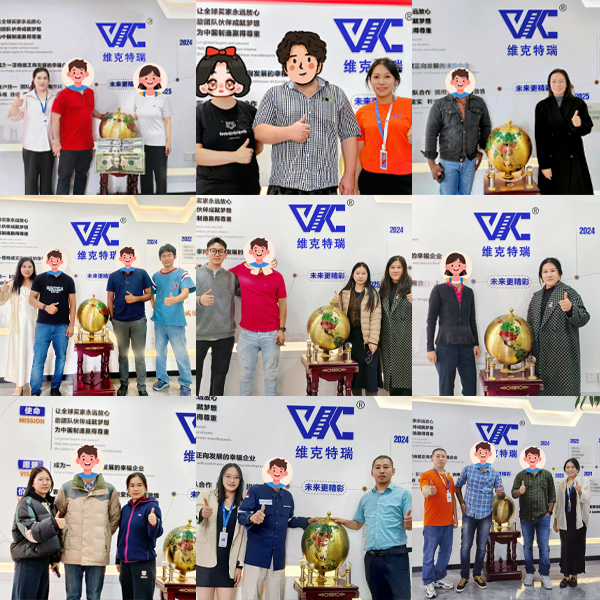
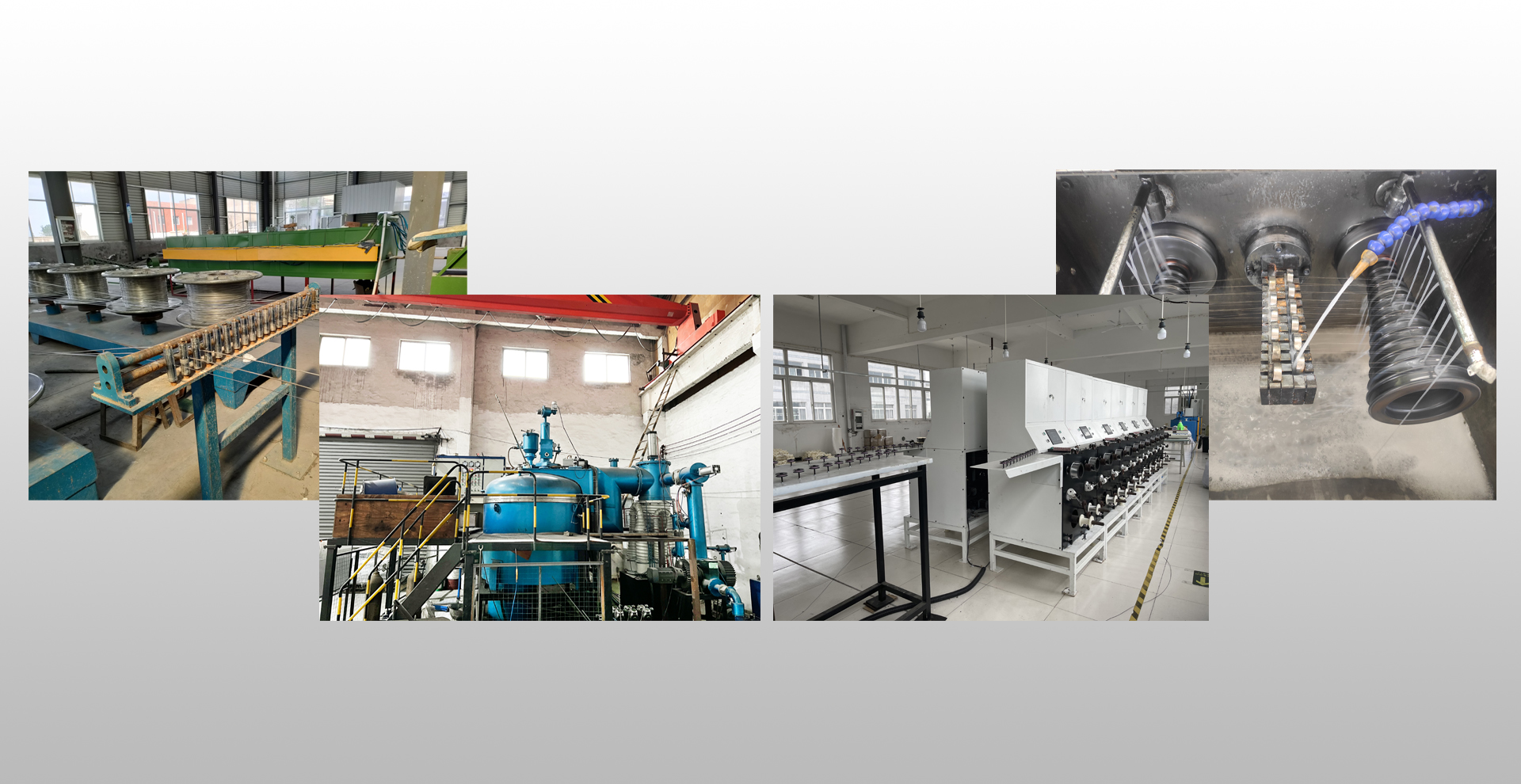
We welcome client visits to showcase our manufacturing and testing processes. Clients can explore our facility, discuss specific needs, and learn about our quality control methods. Our team ensures a personalized experience to meet your exact requirements for medical applications.
 Our Factory
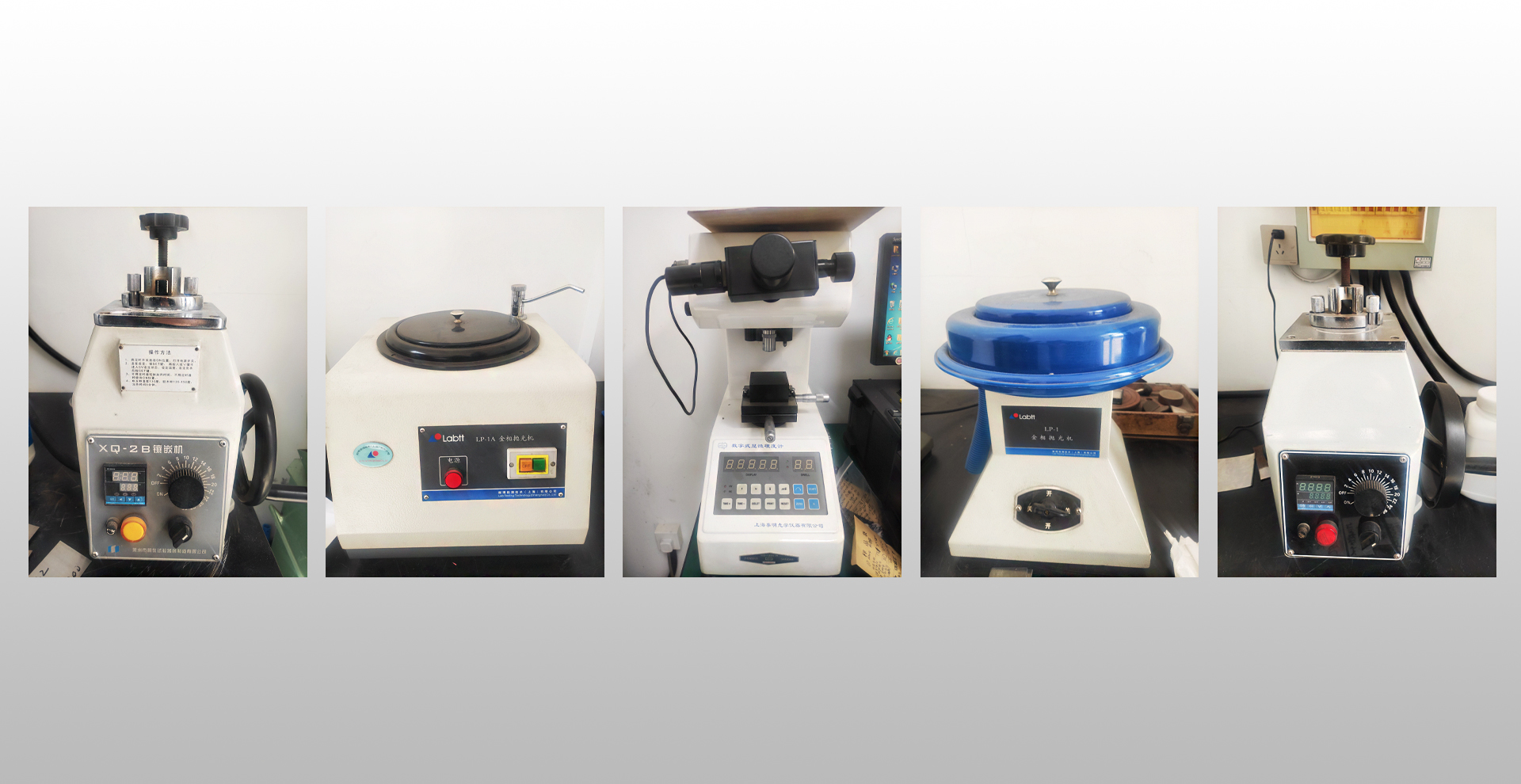
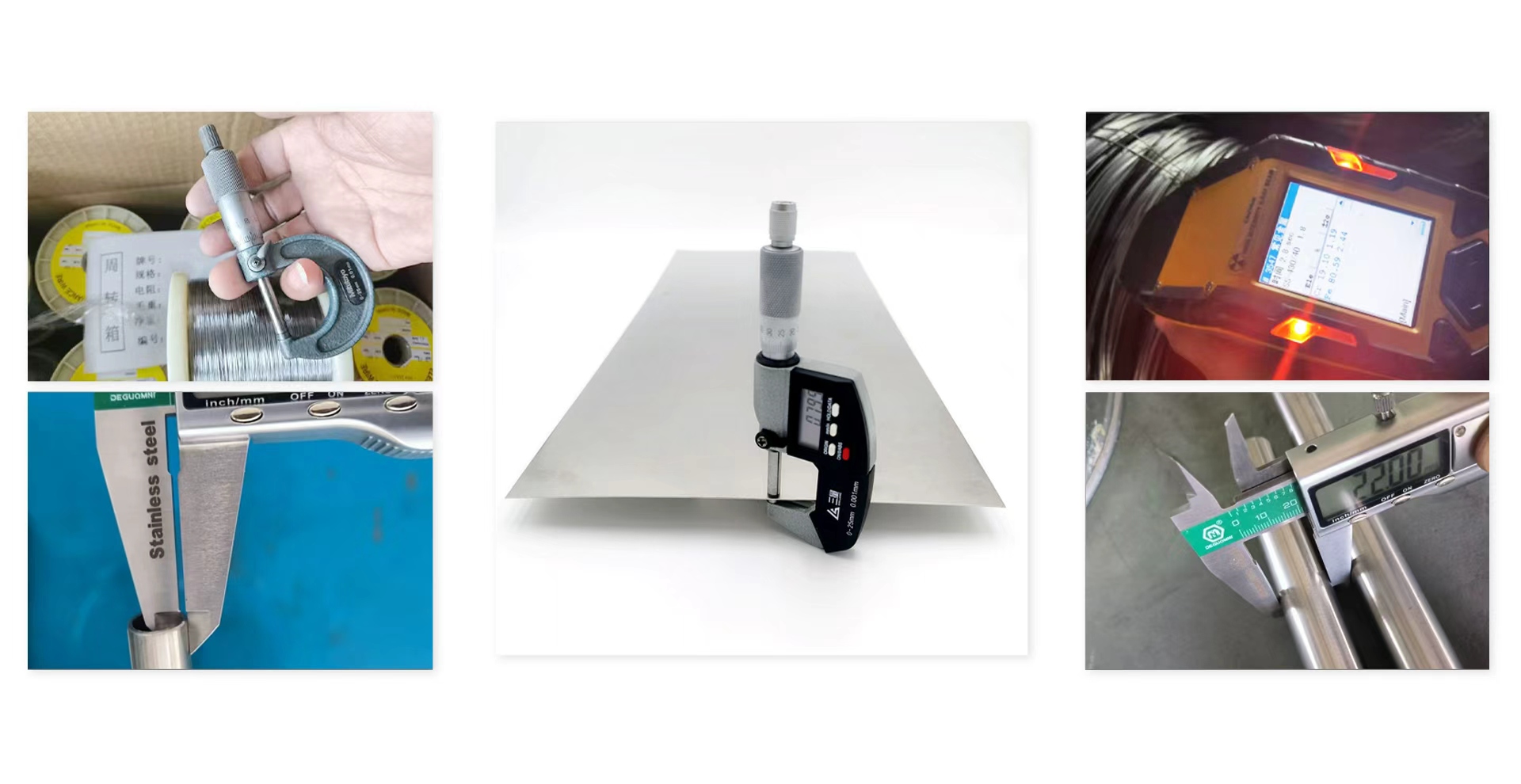
Quality Testing of the Product
Our product undergoes strict testing for tensile strength, corrosion resistance, and biocompatibility to ensure reliable performance in joint implants. We use advanced methods to verify its safety and durability, and all products meet international medical standards for consistent, long-term use in the body.
FAQs on CoCr Tubing for Interventional Devices
Q1: Why choose CoCr over stainless steel or nitinol for interventional components?
A: CoCr offers higher radial strength, better radiopacity, and superior fatigue life in thin-wall designs, enabling lower profile devices with reduced recoil—critical for minimally invasive stent delivery and catheter performance.
Q2: Are these tubes suitable for laser cutting into stents?
A: Yes – seamless drawn tubing is optimized for laser cutting into bare-metal stents (BMS) and drug-eluting stents (DES) with excellent edge quality and surface finish.
Q3: What wall thickness and diameter ranges are available?
A: Micro to standard sizes: OD 0.3–25 mm, wall thickness 0.05–2 mm (custom ultra-thin options down to 0.0005" available for high-performance interventional applications).
Q4: Do the tubes support MRI and fluoroscopy procedures?
A: Excellent radiopacity under fluoroscopy and proven MRI compatibility with minimal artifacts, ideal for real-time image-guided minimally invasive interventions.