
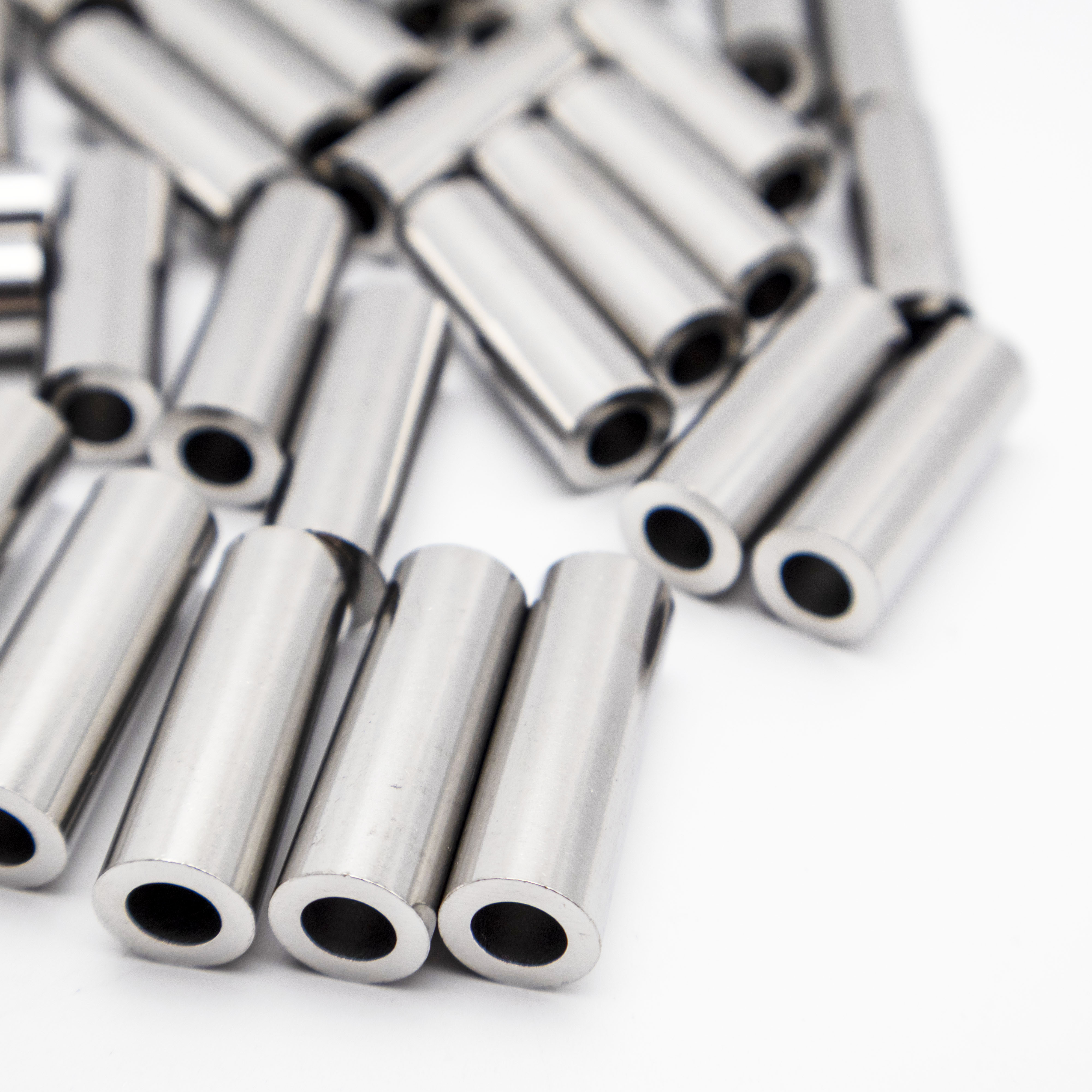
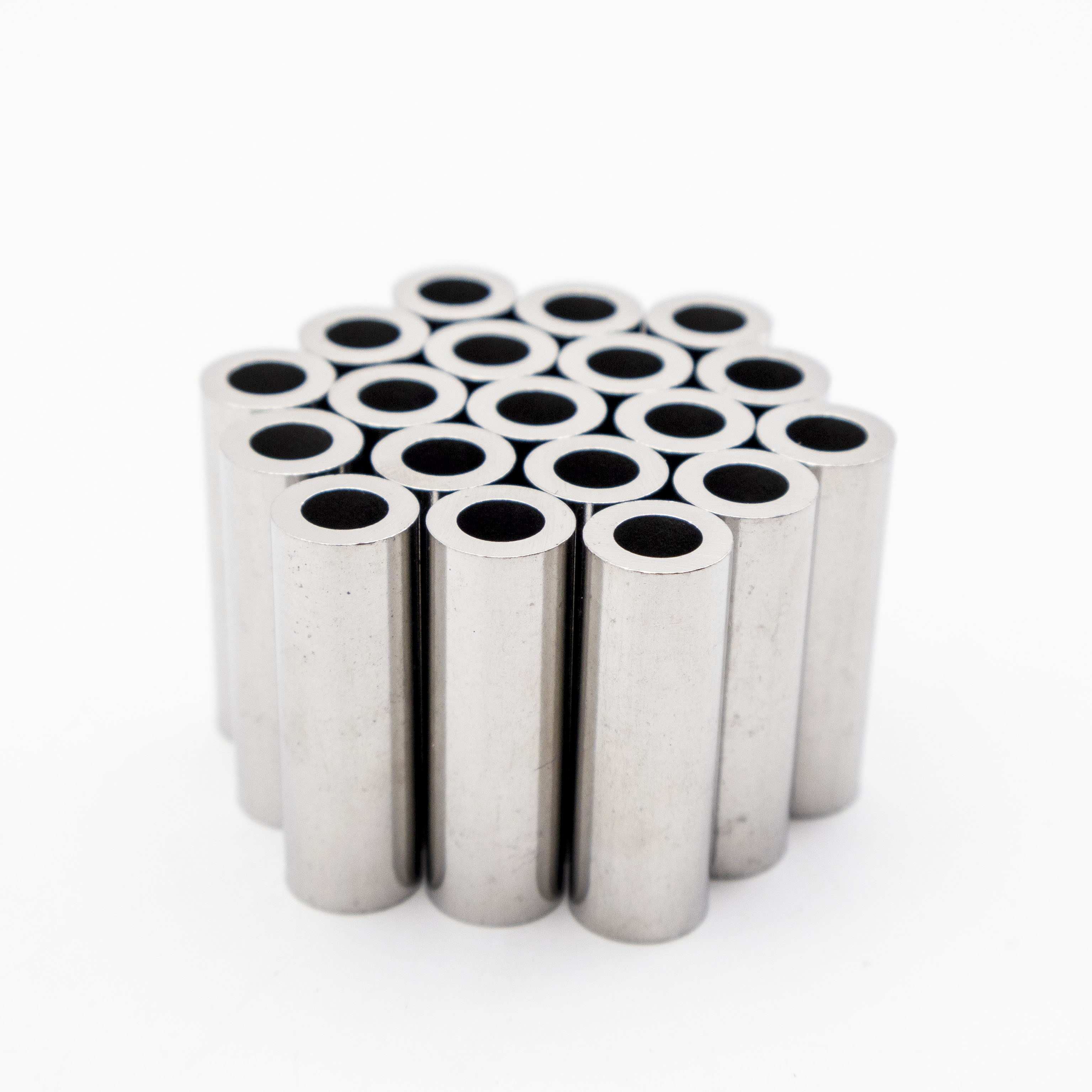
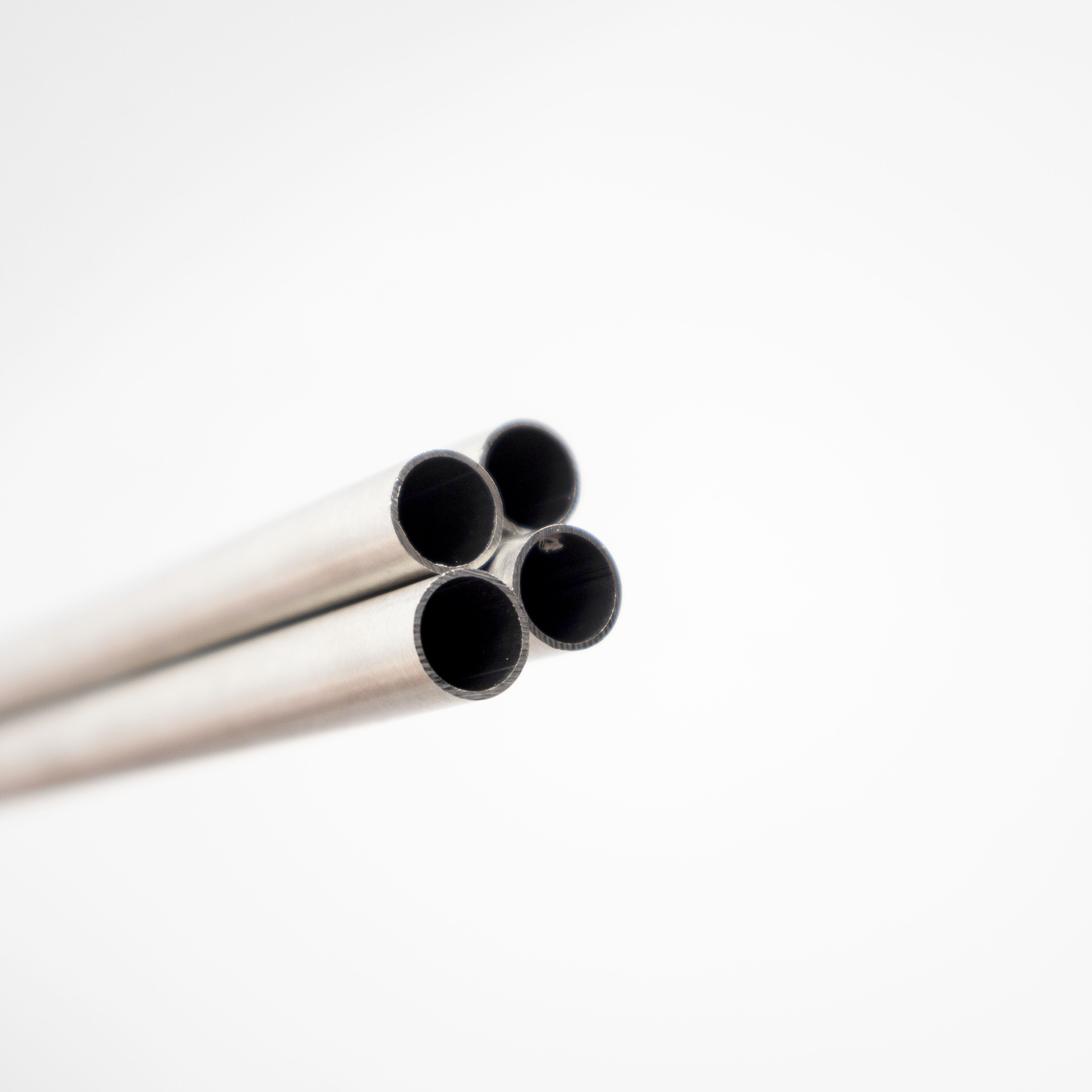
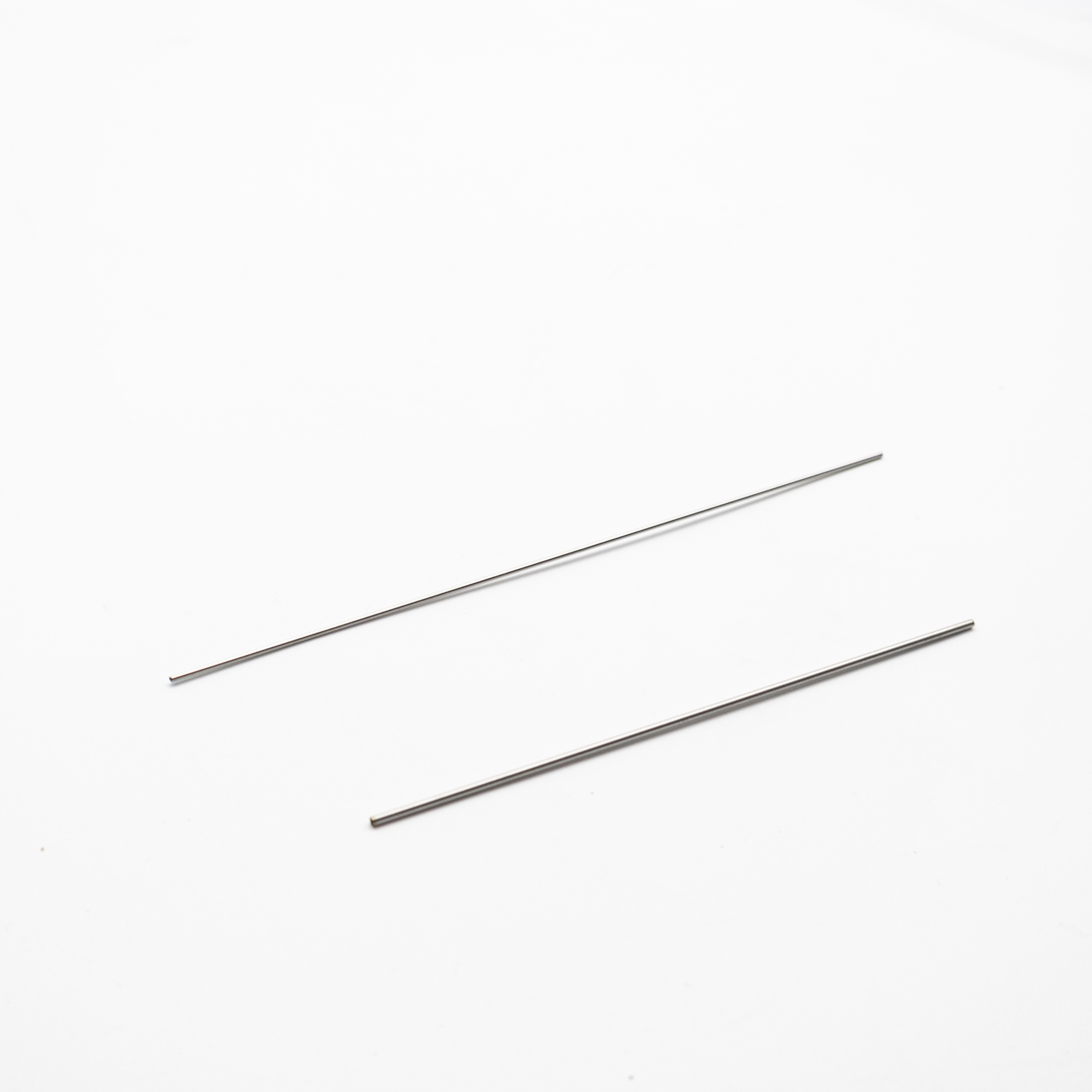
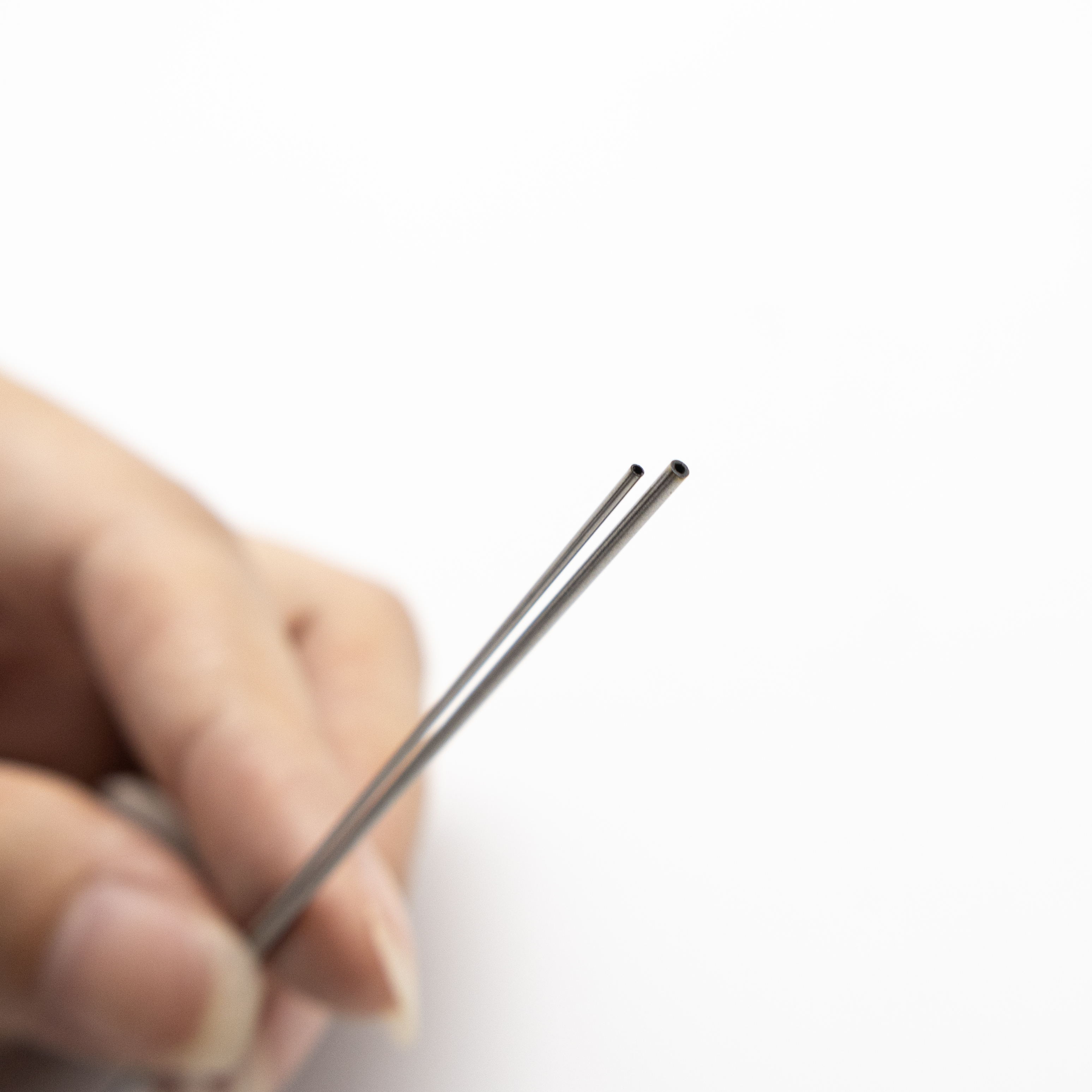
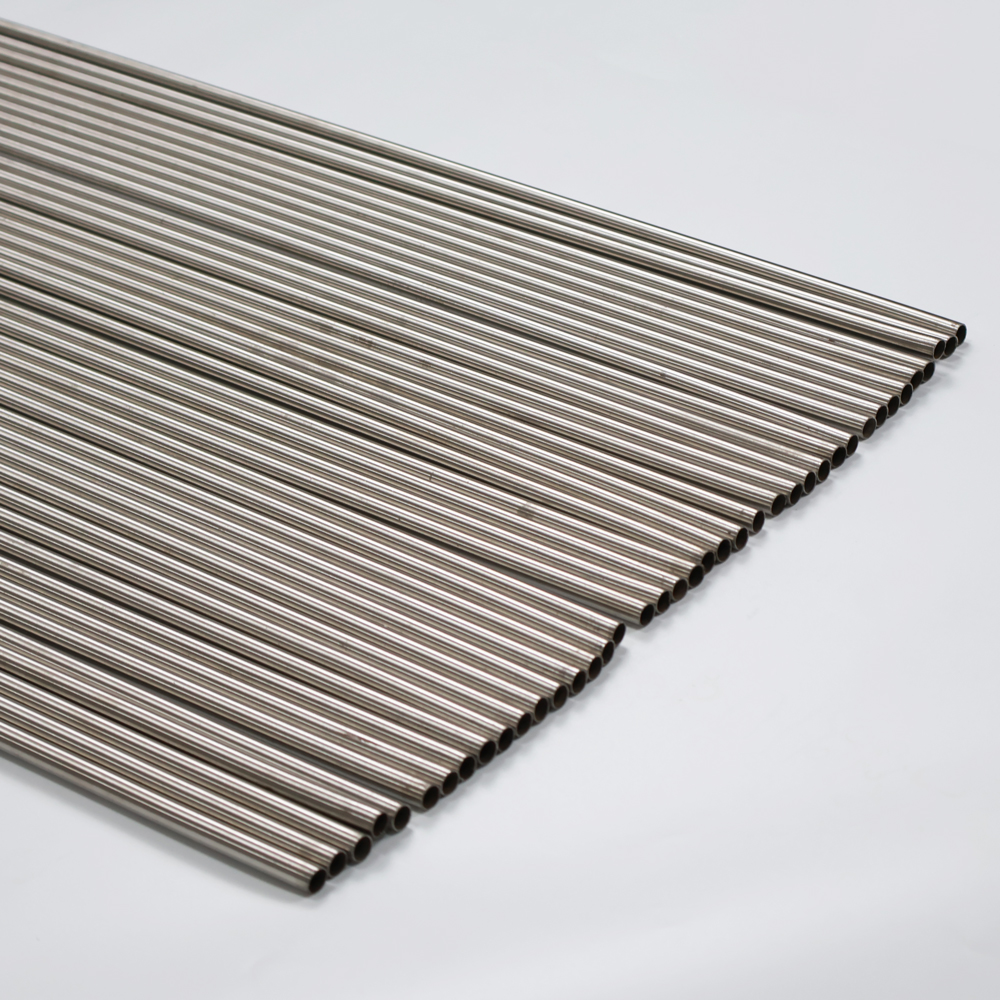
Overview of Seamless Cobalt Chromium (CoCr) Medical Tubing
Seamless CoCr medical tubing delivers unmatched durability and performance in demanding cardiovascular environments. Manufactured from high-grade cobalt-chromium alloys, this precision-drawn tubing eliminates weld seams to maximize fatigue life under cyclic loading. Designed specifically for interventional and minimally invasive instruments, it combines high radial strength, excellent corrosion resistance, and proven biocompatibility—making it the preferred material for next-generation cardiovascular devices.
Features of Seamless CoCr Medical Tubing
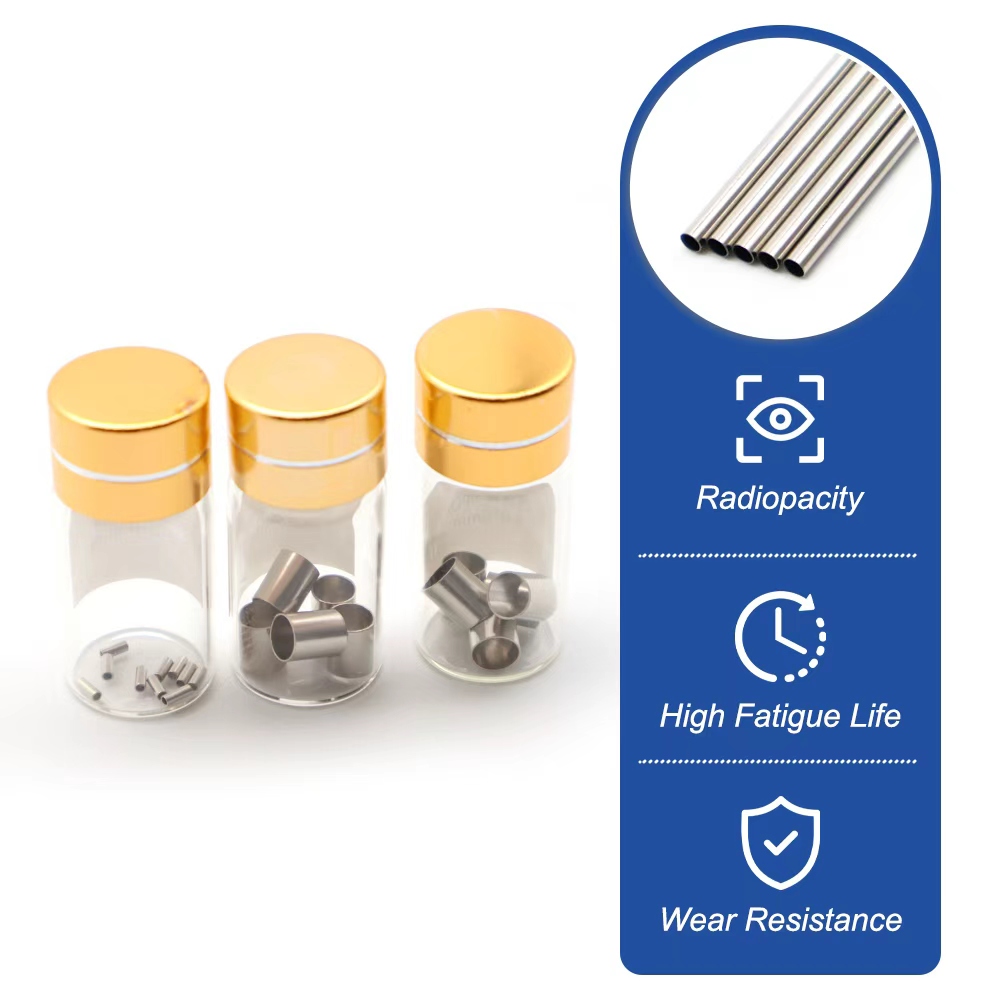
Exceptional Fatigue Resistance — Seamless construction and optimized microstructure provide outstanding high-cycle fatigue performance, ideal for dynamic cardiovascular environments with repeated flexing and pulsatile motion.
High Strength & Radiopacity — Cobalt chromium alloy delivers superior tensile strength and excellent visibility under fluoroscopy, critical for precise interventional cardiology navigation.
Superior Corrosion Resistance — Chromium oxide passive layer ensures long-term durability and biocompatibility in blood-contact applications.
Precision Tolerances — Tight OD/ID control and ultra-smooth surface finishes (Ra < 0.4 μm possible) support laser cutting, forming, and assembly of minimally invasive instruments.
Medical-Grade Biocompatibility — Fully compliant with implant standards; suitable for long-term endovascular and structural heart use.
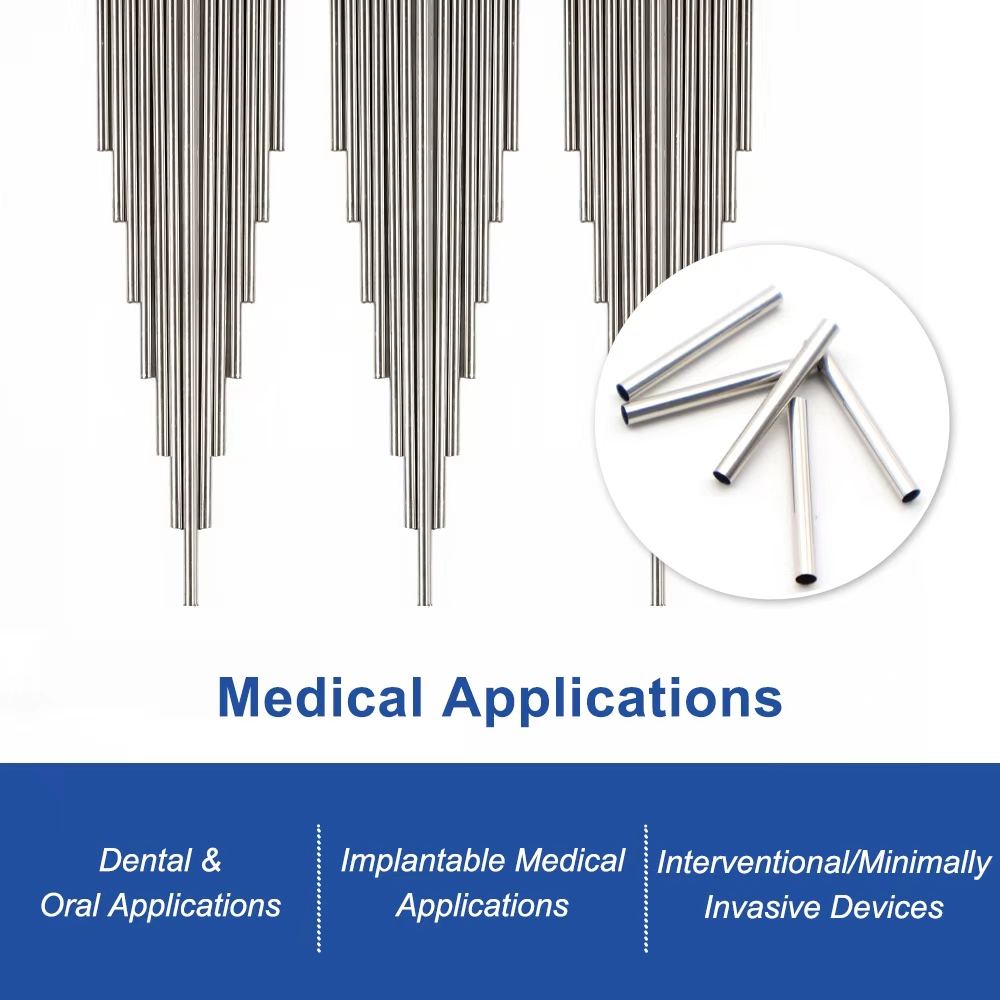
Applications of Seamless CoCr Tubes
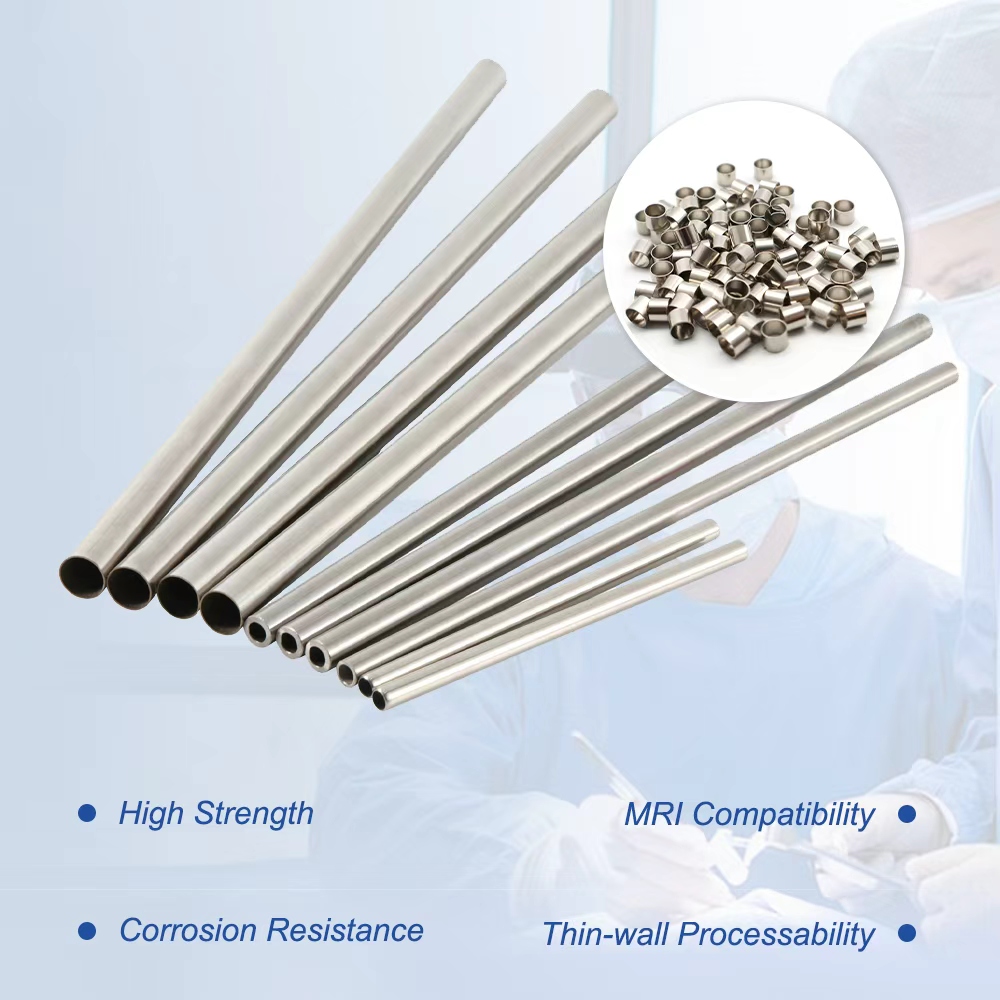
Our CoCr alloy tubing is specifically designed for advanced interventional cardiology and minimally invasive surgical instruments, including:
Cardiovascular stent manufacturing — Hypotubing base material for drug-eluting stents and bare-metal stents requiring high radial strength.
Guidewire and catheter shafts — Core tubing for coronary guidewires, peripheral guidewires, and diagnostic/therapeutic catheters.
Endovascular delivery systems — Low-profile components for balloon catheters, sheaths, and valve delivery devices.
Neurovascular and peripheral interventions — Precision tubing for micro-catheters and embolization devices.
Other minimally invasive tools — Structural elements in orthopedic navigation instruments or hybrid interventional devices.
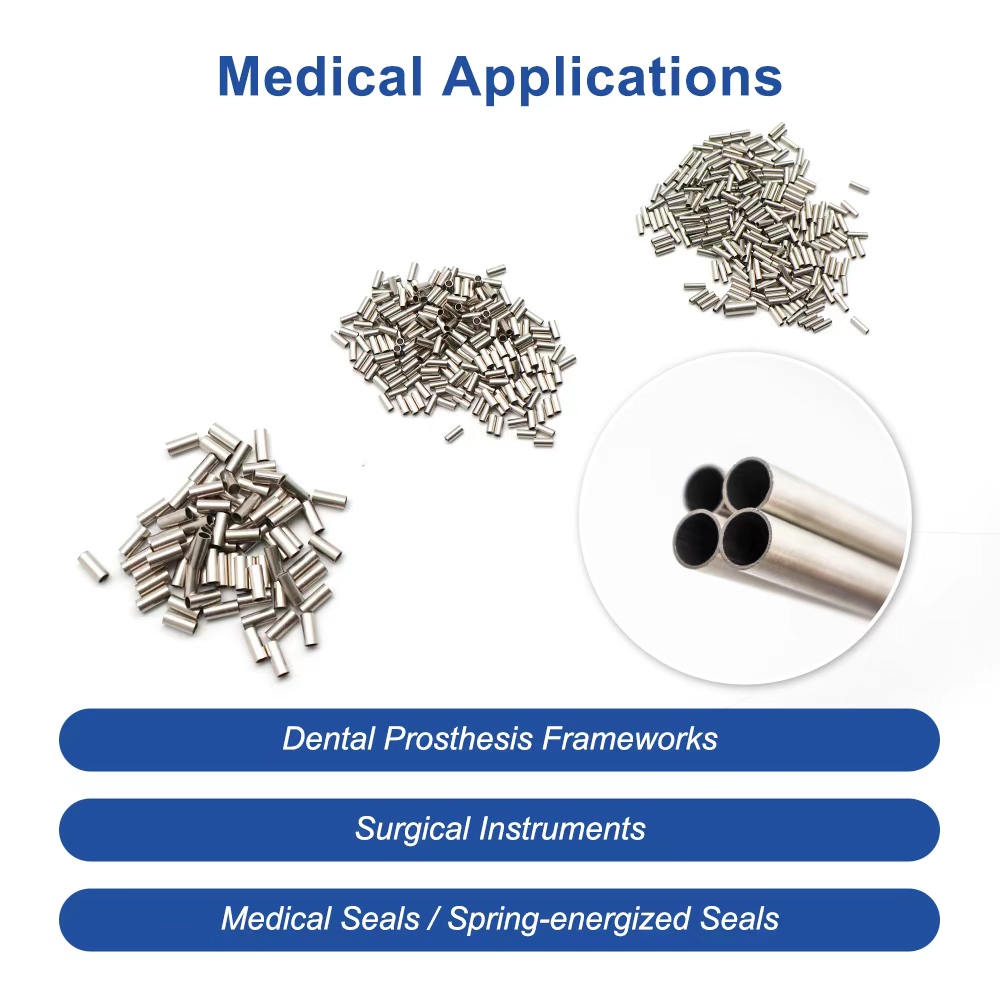
ABOUT US
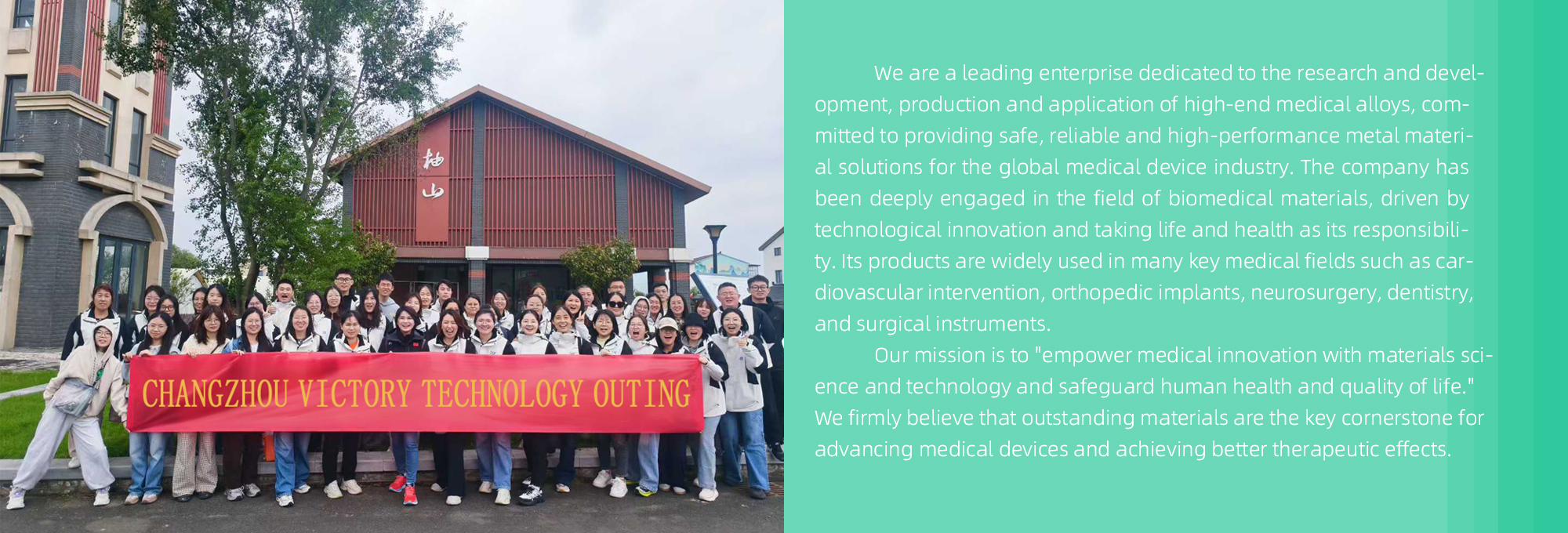
Victory Alloy Co., Ltd. is a professional manufacturer specializing in medical alloy materials, with a dedicated focus on the research, development and production of high-performance biomedical alloys.
Our primary product range includes medical-grade titanium alloys, Nitinol (nickel-titanium alloy), cobalt-chromium (CoCr) alloys, platinum-iridium (Pt-Ir) alloys, and medical stainless steel. These high-quality alloys are widely applied in a broad spectrum of medical fields, such as cardiovascular stents, orthopedic implants, interventional guidewires, dental implants, surgical instruments, and disposable medical auxiliary devices. Boasting outstanding biocompatibility, strong corrosion resistance and excellent mechanical properties, our products have won consistent praise from customers across the board.
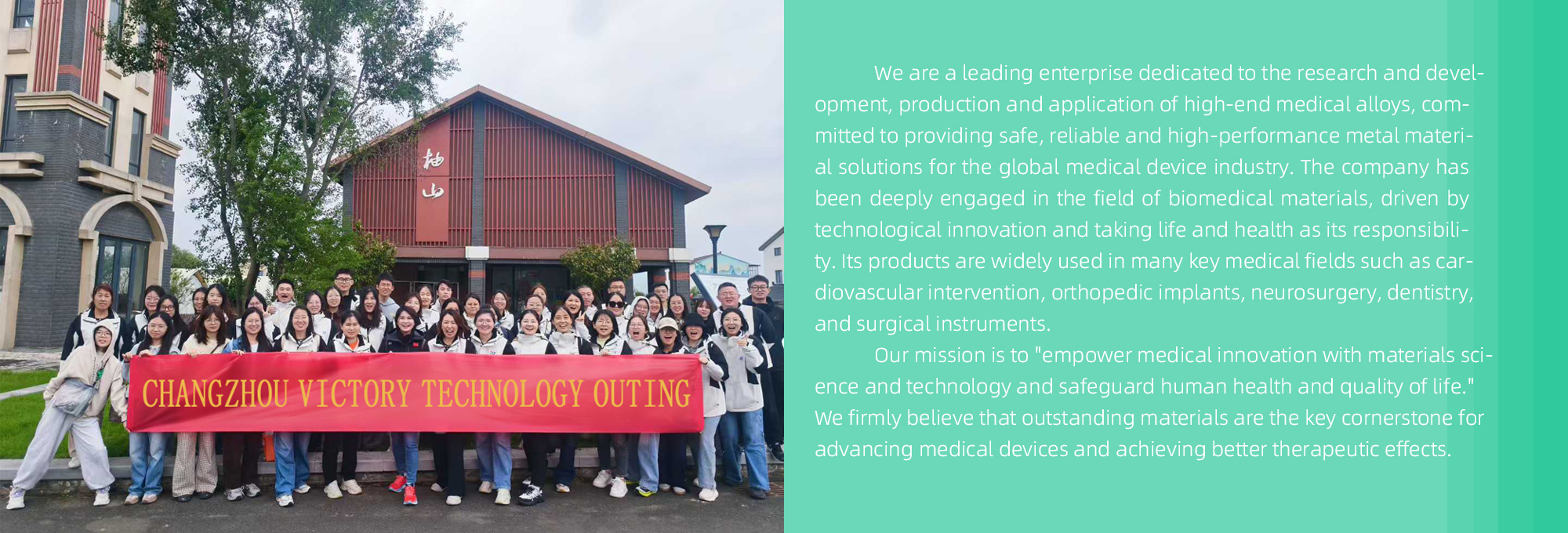
Client Visits
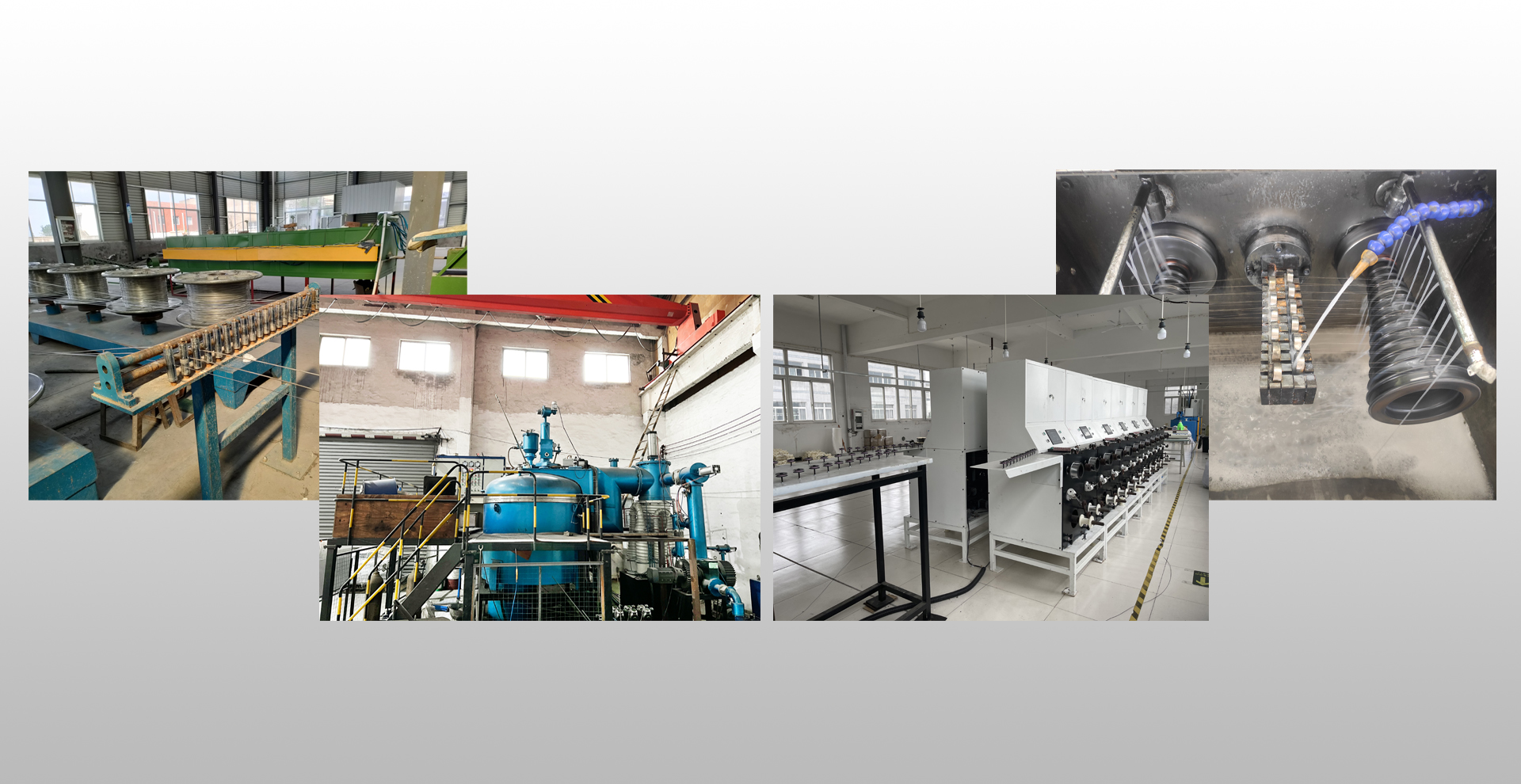
We welcome client visits to showcase our manufacturing and testing processes. Clients can explore our facility, discuss specific needs, and learn about our quality control methods. Our team ensures a personalized experience to meet your exact requirements for medical applications.
 Our Factory
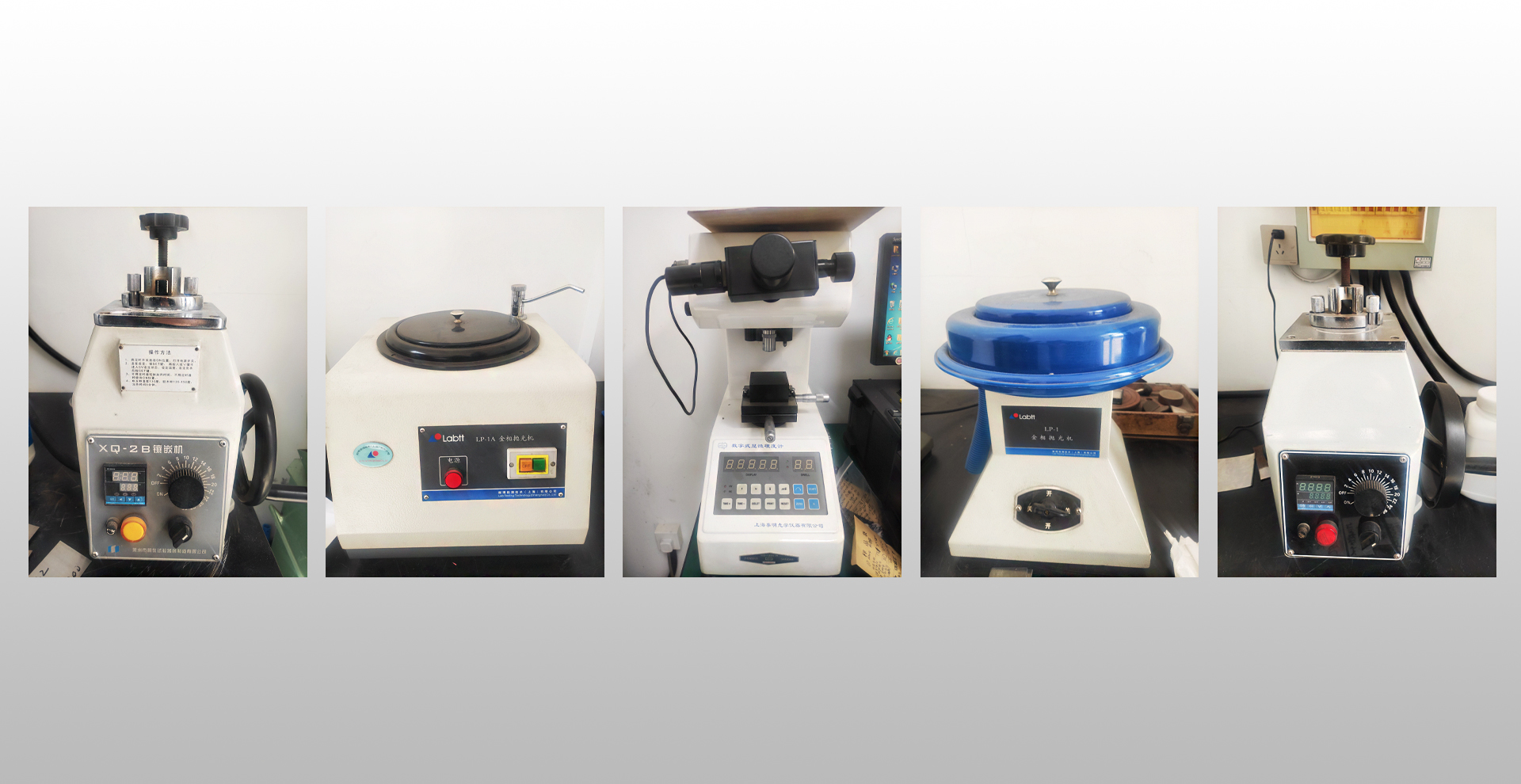
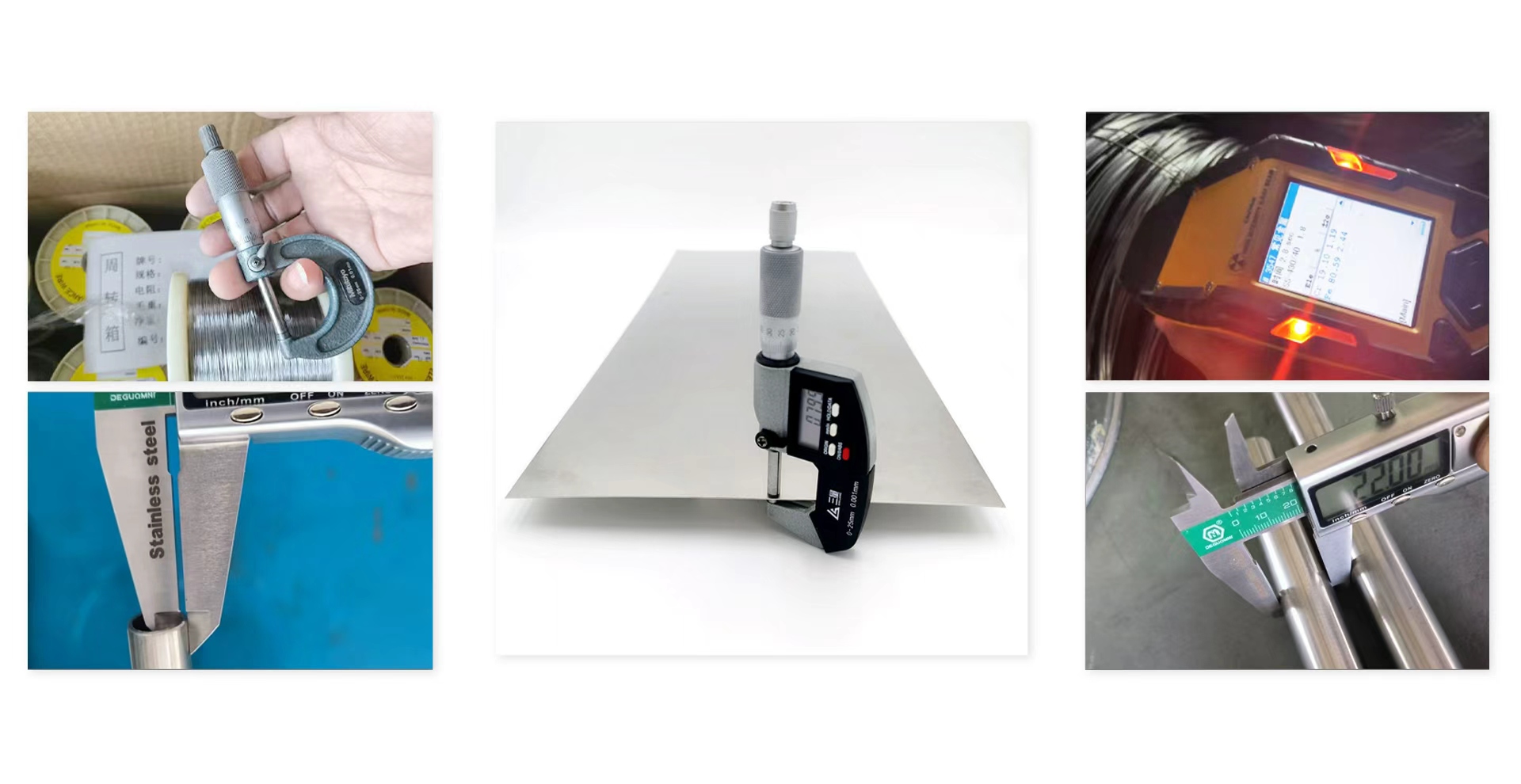
Quality Testing of the Product
Our product undergoes strict testing for tensile strength, corrosion resistance, and biocompatibility to ensure reliable performance in joint implants. We use advanced methods to verify its safety and durability, and all products meet international medical standards for consistent, long-term use in the body.
FAQs on Seamless CoCr Medical Pipe
Q1: What makes seamless CoCr medical tubing better than welded tubing for cardiovascular applications?
Seamless construction eliminates potential weak points at weld seams, dramatically improving fatigue resistance under millions of cardiac cycles—essential for long-term implant durability in interventional instruments.
Q2: Is CoCr tubing suitable for minimally invasive procedures?
Yes. Its high strength-to-weight ratio, precision dimensions, and radiopacity make it ideal for thin-wall hypotubes and delivery systems used in catheter-based cardiovascular interventions with smaller access sites.
Q3: How does cobalt chromium compare to Nitinol or stainless steel for stent tubing?
CoCr offers higher radial strength and better radiopacity than stainless steel, while providing excellent fatigue performance for balloon-expandable designs. Unlike superelastic Nitinol, CoCr is preferred when maximum hoop strength and precise deployment are required in coronary or peripheral interventions.
Q4: What certifications and standards does this tubing typically meet?
Medical-grade seamless CoCr tubing is produced to ASTM F90 / F562 equivalents, ISO 5832, and undergoes full biocompatibility testing per ISO 10993 for blood-contact cardiovascular devices.
Q5: Can the tubing be customized for specific interventional device designs?
Absolutely. We support custom OD/ID, wall thickness, length, surface finish, and mechanical properties to match your exact laser-cutting, electropolishing, or assembly requirements for minimally invasive cardiovascular instruments.