
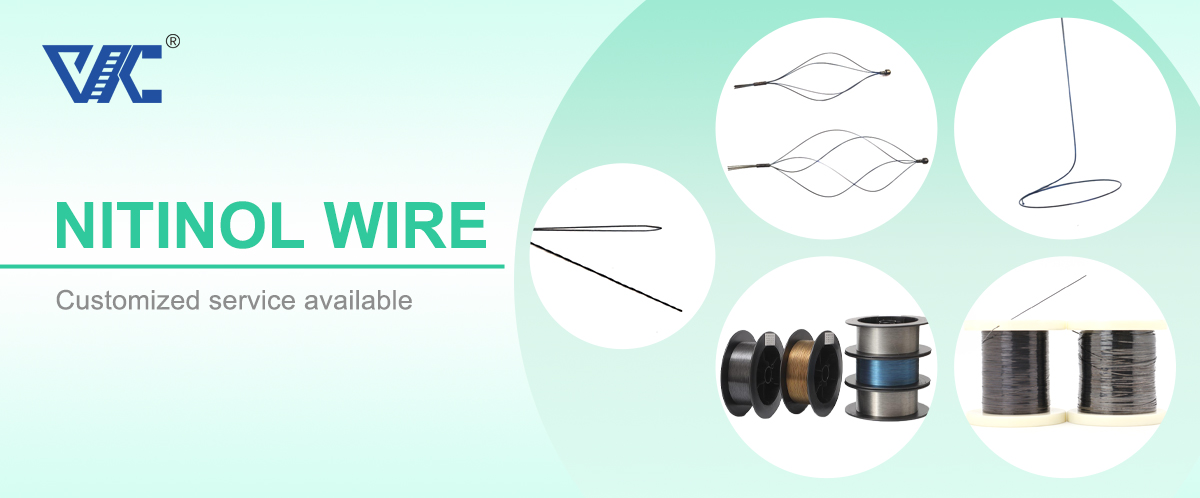
What is Nitinol Wire?
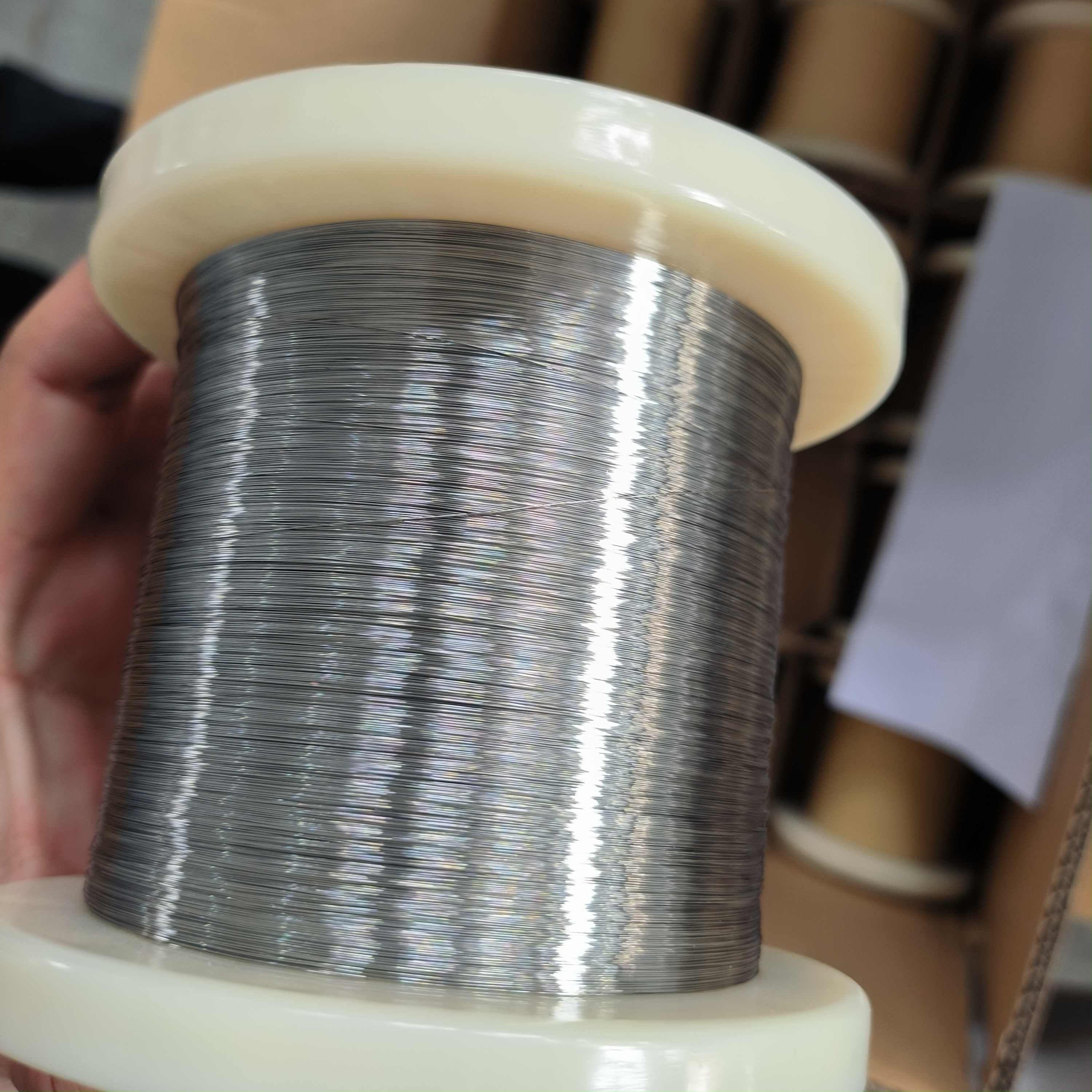
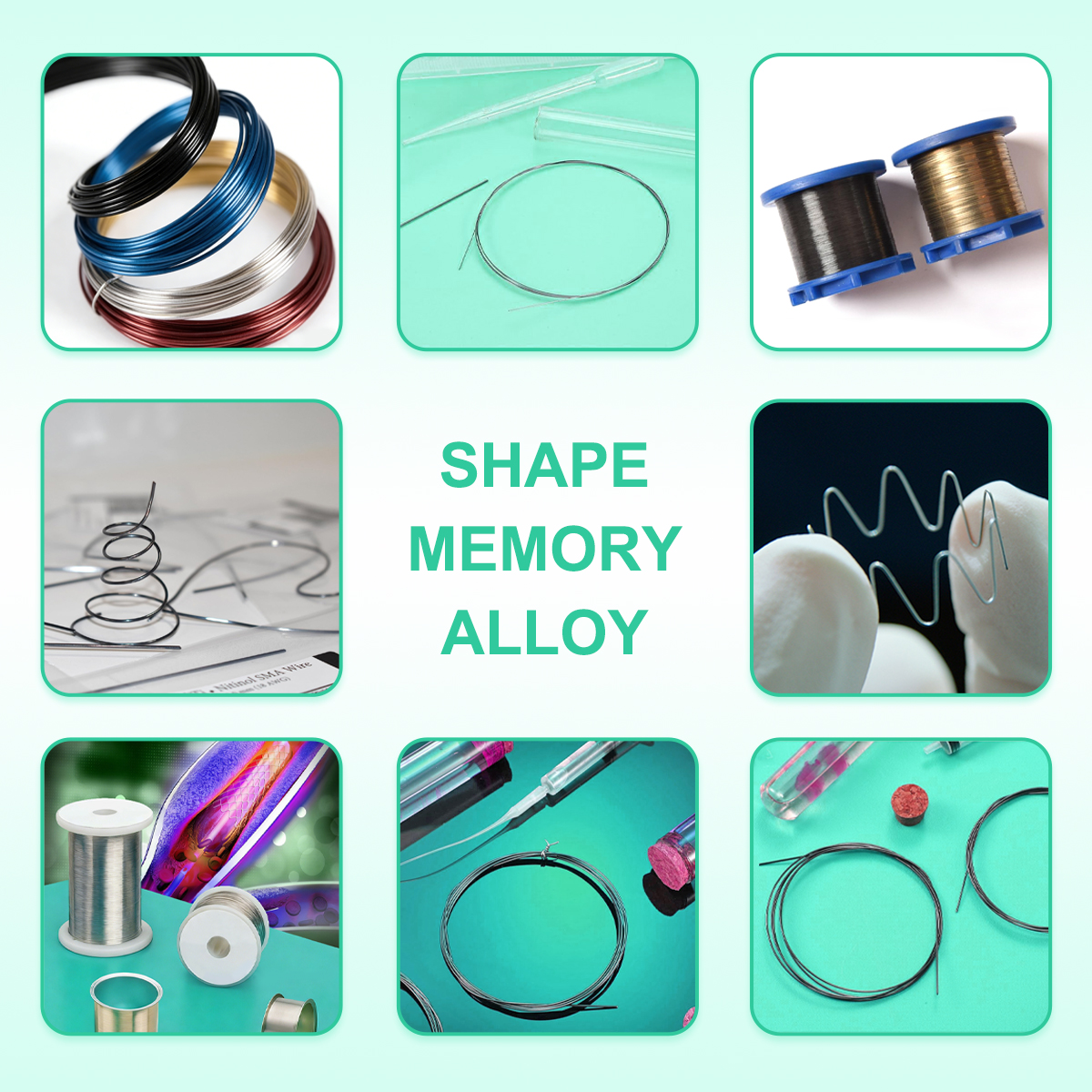
Nitinol memory wire, a specialized alloy composed of nickel and titanium, is renowned for its unique properties: shape memory and superelasticity. This wire can return to its original shape when heated, offering a remarkable combination of flexibility, strength, and precision. These characteristics make Nitinol memory wire an ideal material for high-performance applications, particularly in healthcare and electronics.
At Victory Supplier, we provide high-quality Nitinol wire solutions, offering custom specifications to meet the demands of various industries. In this article, we’ll explore the diverse applications of Nitinol memory wire in both healthcare and electronics.
Wire Shape | Titanium alloy round wire, flat wire, square wire, D-shaped wire, triangular wire, bidirectional drive wire |
Wire Surface Condition | Black oxide state, light oxide state (from golden yellow to brown), clean state, bright state, polished state |
Wire Packaging | I-beam reels: To ensure that the nickel-titanium wire is evenly distributed on the packaging reel, without breakage or tangled threads Fixed length: Can be cut to fixed length according to customer requirements |
Features of Nitinol Alloy Wire
Shape Memory and Superelasticity:
Nitinol’s ability to return to a set shape when heated, along with its superelastic properties, allows for precise control and functionality in critical applications. In healthcare, this enables devices like stents to expand in the body, while in electronics, it allows for the precise actuation of mechanical components.Biocompatibility:
Nitinol is highly biocompatible, making it a safe material for medical implants and devices. Its non-reactivity in the human body ensures a reduced risk of rejection or adverse reactions, offering long-term reliability in healthcare applications.Durability and Corrosion Resistance:
Nitinol’s resistance to corrosion, even in harsh environments, ensures that both healthcare and electronics applications remain reliable over time. This makes Nitinol an ideal choice for devices that require long-term performance and minimal maintenance.Compact and Lightweight:
Nitinol memory wire offers a high strength-to-weight ratio, allowing for more compact designs without compromising on durability or performance. This is particularly important in medical devices like guidewires and stents, as well as in electronics where space is limited.
Wire Diameter and Tolerance
Wire Diameter (mm) | Tolerance (mm) | Wire Diameter (mm) | Tolerance (mm) | Wire Diameter (mm) | Tolerance (mm) |
4.000-2.000mm | ±0.025mm | 0.350-0.260mm | ±0.010mm | 0.080-0.050mm | ±0.005mm |
2.000-1.000mm | ±0.020mm | 0.260-0.150mm | ±0.007mm | 0.050-0.025mm | ±0.005mm |
1.000-0.350mm | ±0.010mm | 0.150-0.080mm | ±0.005mm | 0.025-0.018mm | ±0.003mm |
*Can be adjusted according to customer requirements
Advantages of Nitinol Alloy Wire
Shape Memory and Superelasticity:
One of the standout features of Nitinol memory wire is its shape memory ability, allowing the wire to return to its original form when heated. Coupled with its superelasticity, which allows it to stretch and compress without permanent deformation, Nitinol is highly versatile for applications that require dynamic movement. This combination makes it ideal for medical devices such as stents and guidewires, as well as electronic components like actuators and sensors.Biocompatibility:
Nitinol is highly biocompatible, which means it is well-tolerated by the human body. This is crucial for medical applications like implants, stents, and orthodontic devices, where the material must remain in contact with body tissues without causing an immune response or other complications.Precision and Reliability:
Nitinol memory wire offers exceptional precision, making it suitable for applications that require high accuracy, such as sensors, switches, and surgical tools. The wire can be engineered to meet specific dimensional and mechanical requirements, ensuring reliable performance over long periods.Flexibility and Durability:
Nitinol’s flexibility and long-lasting durability make it an ideal material for devices that experience mechanical stress or movement. The wire can endure significant deformation without losing its strength, which is particularly beneficial in medical applications like stents or in consumer electronics like flexible displays.Lightweight and Compact:
Nitinol has a high strength-to-weight ratio, which makes it both lightweight and strong. This is particularly important in the design of medical devices like catheters, where minimizing weight is essential for patient comfort and ease of use. It also benefits electronic components where space and weight are critical factors.
Mechanical Properties of Nitinol Alloy Wire
| Straightening Hyperelastic State | |||||
| Maximum Force (N) | Tensive Strength (MPa) | Elongation (%) | Upper Plateau Stress (MPa) | Residual Strain (WT%) | Actual Operating Temperature (af) |
| Diameter Depends | ≥1000(1350) | ≥10(15) | ≥400(460) | <0.555.96 | (10±10) |
| Diameter Depends | ≥1000(1350) | ≥10(15) | ≥400(460) | <0.556.1 | (-30±10) |
| Diameter Depends | ≥1000(1350) | ≥10(15) | ≥400(460) | <0.550.0 | (60±10) |
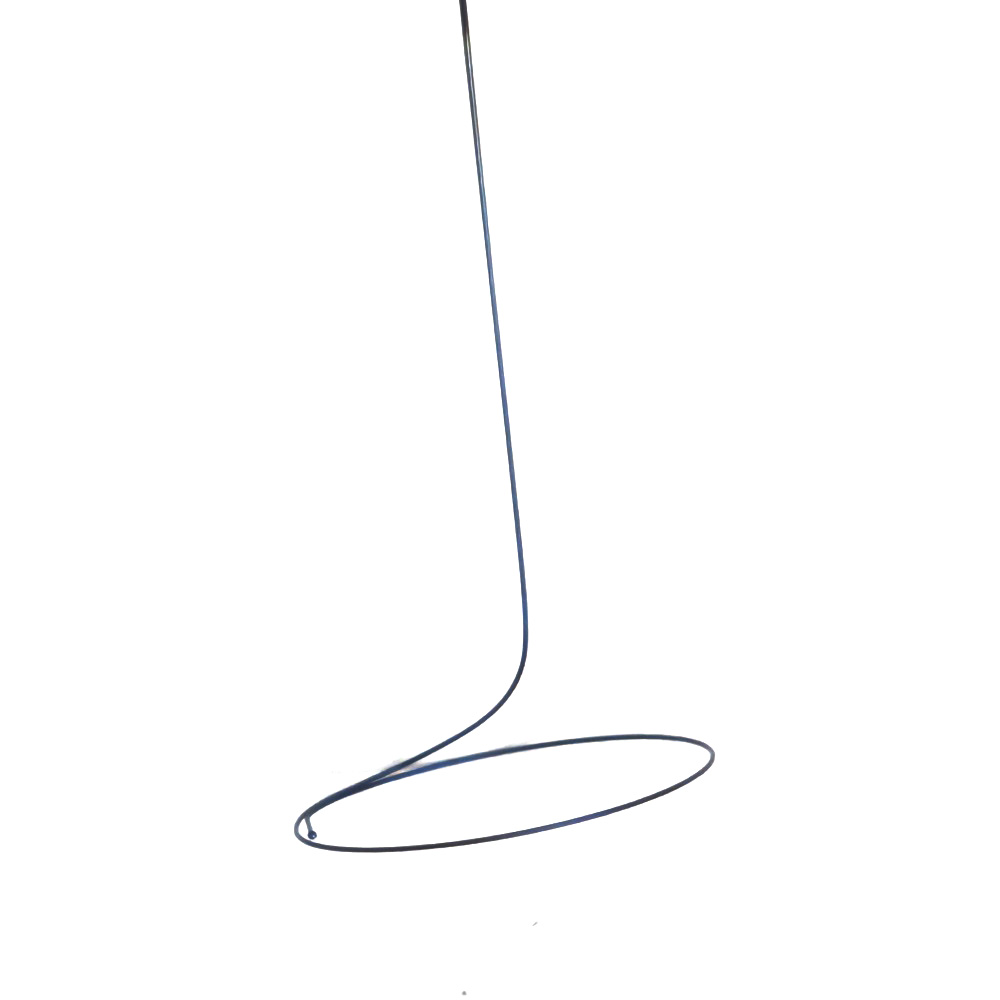
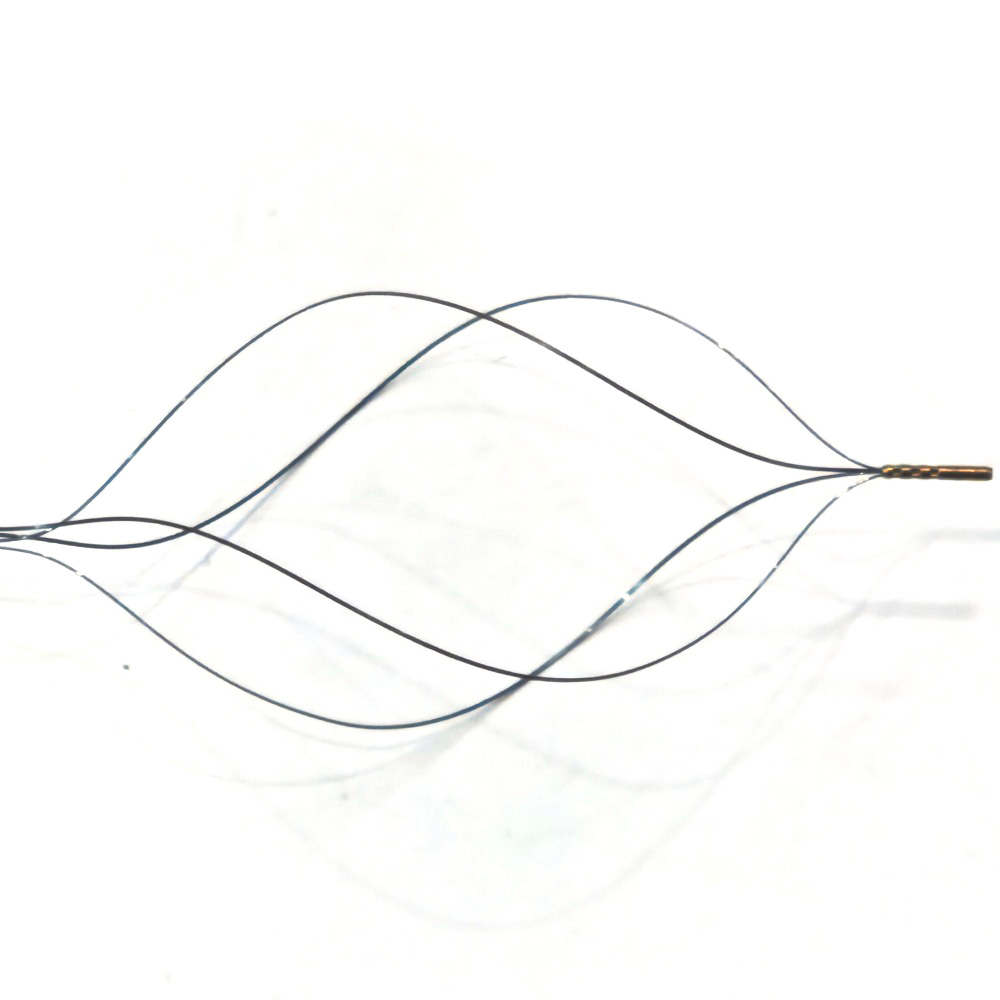
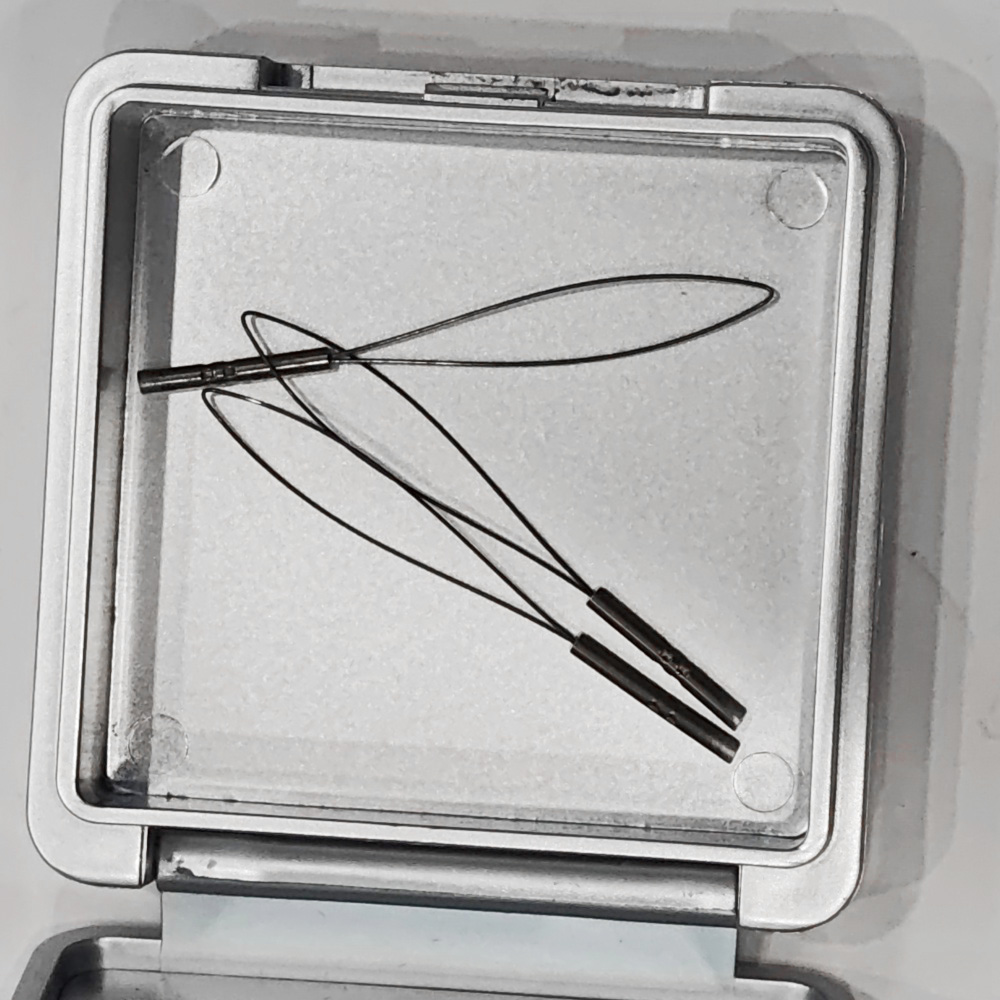
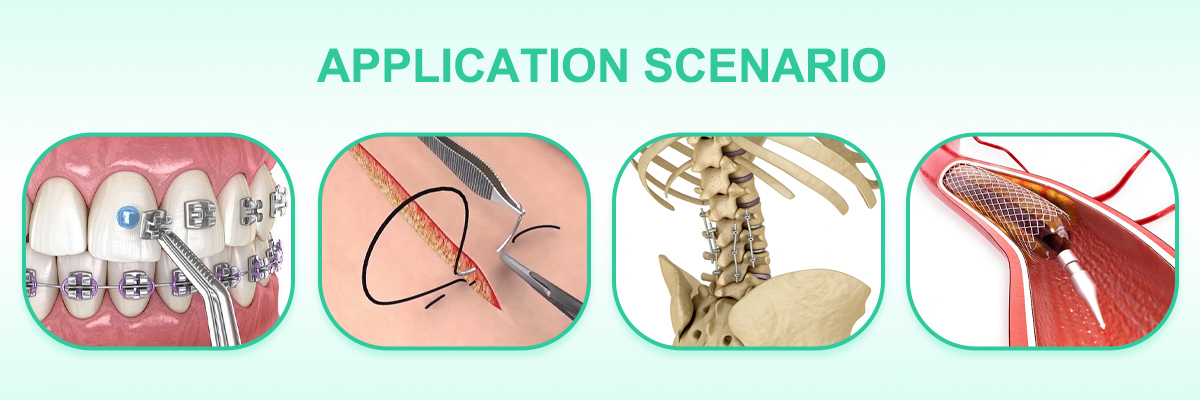
Typical medical applications include: guidewires, braided frameworks, stone retrieval baskets, snares, root canal files, intrauterine devices, sutures, and mandrels.
Nitinol Memory Wire Applications in Healthcare
Medical Implants and Stents:
Nitinol memory wire plays a critical role in the creation of medical implants, particularly stents used in cardiovascular procedures. The wire’s shape memory allows it to expand and return to a predefined shape when introduced into the body, ensuring the stent fits precisely and effectively holds arteries open. Its biocompatibility and resistance to corrosion also enhance the longevity and performance of these implants.Orthodontic Devices:
Nitinol wire is widely used in orthodontics for braces and other dental devices. The material's ability to "remember" its shape means that orthodontic wires can apply consistent pressure over extended periods, gradually moving teeth without the need for frequent adjustments. The superelasticity of Nitinol ensures patient comfort while delivering effective results.Guidewires and Catheters:
Guidewires and catheters often need to navigate tight or sensitive areas within the human body. Nitinol’s flexibility, strength, and shape memory make it an excellent choice for these medical devices. The wire can bend without losing its shape or strength, allowing it to maneuver through intricate paths while maintaining its structural integrity.Surgical Instruments:
Nitinol is also utilized in surgical instruments such as clips, forceps, and other tools that require high levels of precision and flexibility. The material’s durability ensures these instruments can withstand repeated use while maintaining optimal performance. Furthermore, the biocompatibility of Nitinol ensures minimal risk of adverse reactions when in contact with tissues.Implantable Devices:
Nitinol memory wire is used in implantable medical devices such as pacemakers and neurostimulators. Its ability to remain stable under various conditions allows these devices to function optimally over extended periods, offering patients long-term solutions for chronic conditions.
Nitinol Memory Wire Applications in Electronics
Thermal Actuators:
Nitinol’s shape memory property is harnessed in electronic thermal actuators. These actuators can change shape when heated, allowing them to perform functions like opening and closing switches in response to temperature changes. This makes Nitinol memory wire ideal for applications where thermal management is critical, such as in thermostats and temperature-sensitive devices.Micro-Actuators:
The precision and reliability of Nitinol make it an excellent material for micro-actuators in electronics. These tiny actuators can move or adjust mechanical components at a microscopic level, providing motion or force in applications like tiny pumps, adjustable lenses, or tactile feedback systems in wearables and other consumer electronics.Flexible Displays:
Nitinol’s superelasticity makes it suitable for use in flexible electronics, such as flexible displays and wearable technology. In flexible displays, Nitinol wires can be used to adjust the curvature or shape of the screen, ensuring that the device maintains its functionality and performance despite bending or flexing.Sensors and Switches:
Nitinol is increasingly used in sensors and switches, where its responsiveness to heat or pressure is crucial. The wire’s ability to change shape when a specific threshold is met allows it to be integrated into various devices, from pressure sensors in medical devices to motion detectors in security systems.Consumer Electronics:
Nitinol is also found in a range of consumer electronics, such as hearing aids, cell phones, and headphones. Its ability to provide precise motion and adapt to different environments makes it a valuable component in products that require compact yet flexible elements. Nitinol can improve device performance while maintaining smaller form factors and enhanced durability.
ABOUT US
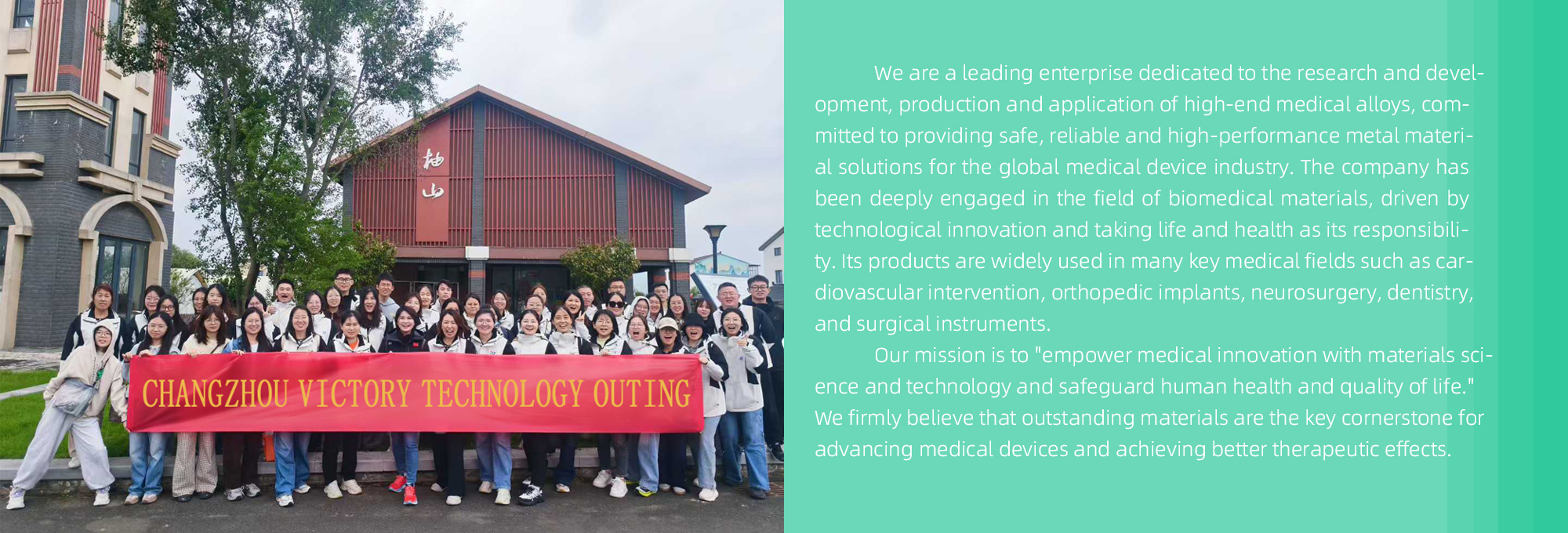
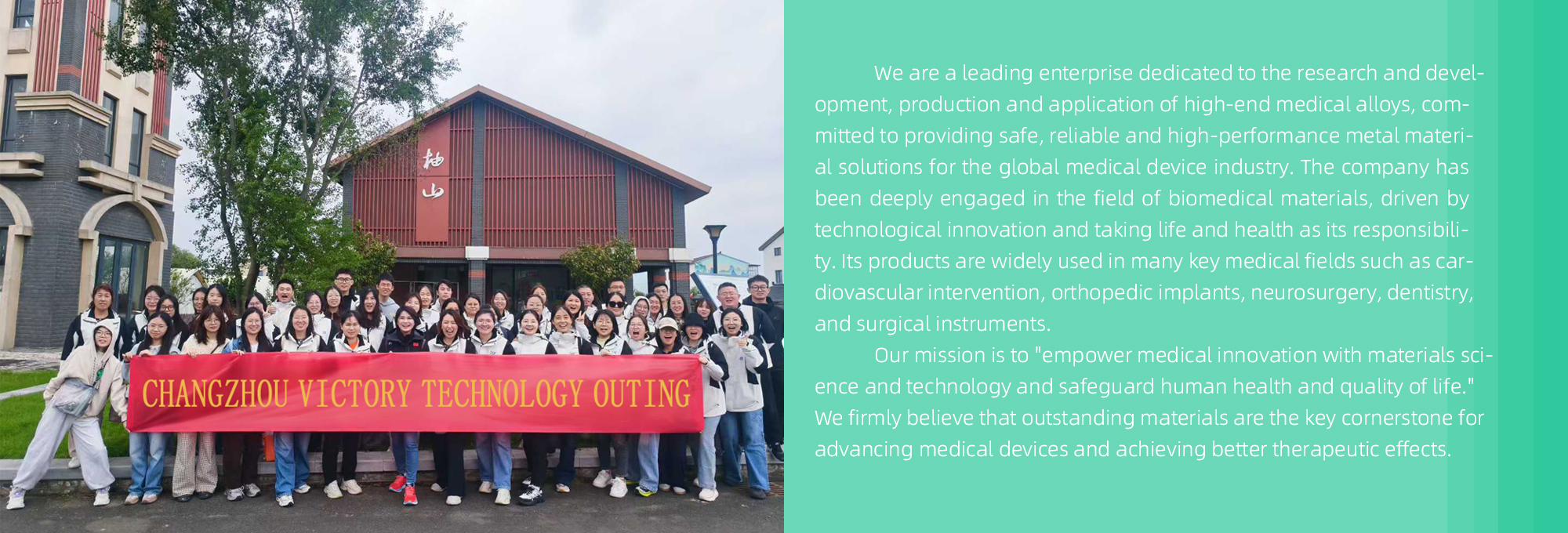
Victory Alloy Co., Ltd. is a professional manufacturer specializing in medical alloy materials, with a dedicated focus on the research, development and production of high-performance biomedical alloys.
Our primary product range includes medical-grade titanium alloys, Nitinol (nickel-titanium alloy), cobalt-chromium (CoCr) alloys, platinum-iridium (Pt-Ir) alloys, and medical stainless steel. These high-quality alloys are widely applied in a broad spectrum of medical fields, such as cardiovascular stents, orthopedic implants, interventional guidewires, dental implants, surgical instruments, and disposable medical auxiliary devices. Boasting outstanding biocompatibility, strong corrosion resistance and excellent mechanical properties, our products have won consistent praise from customers across the board.
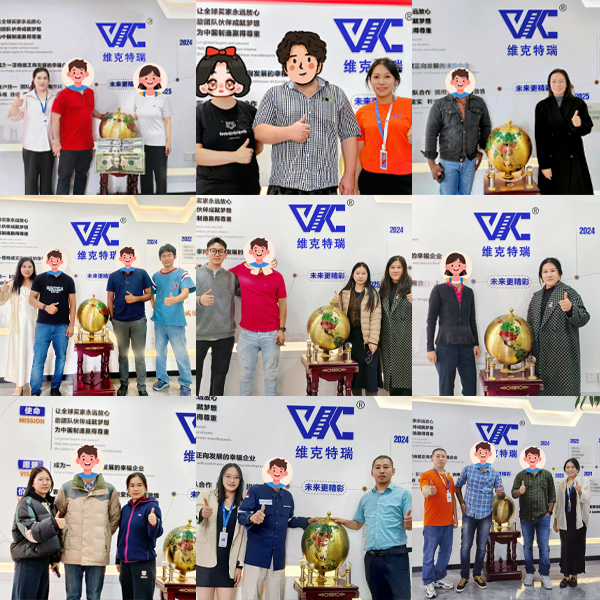
Client Visits
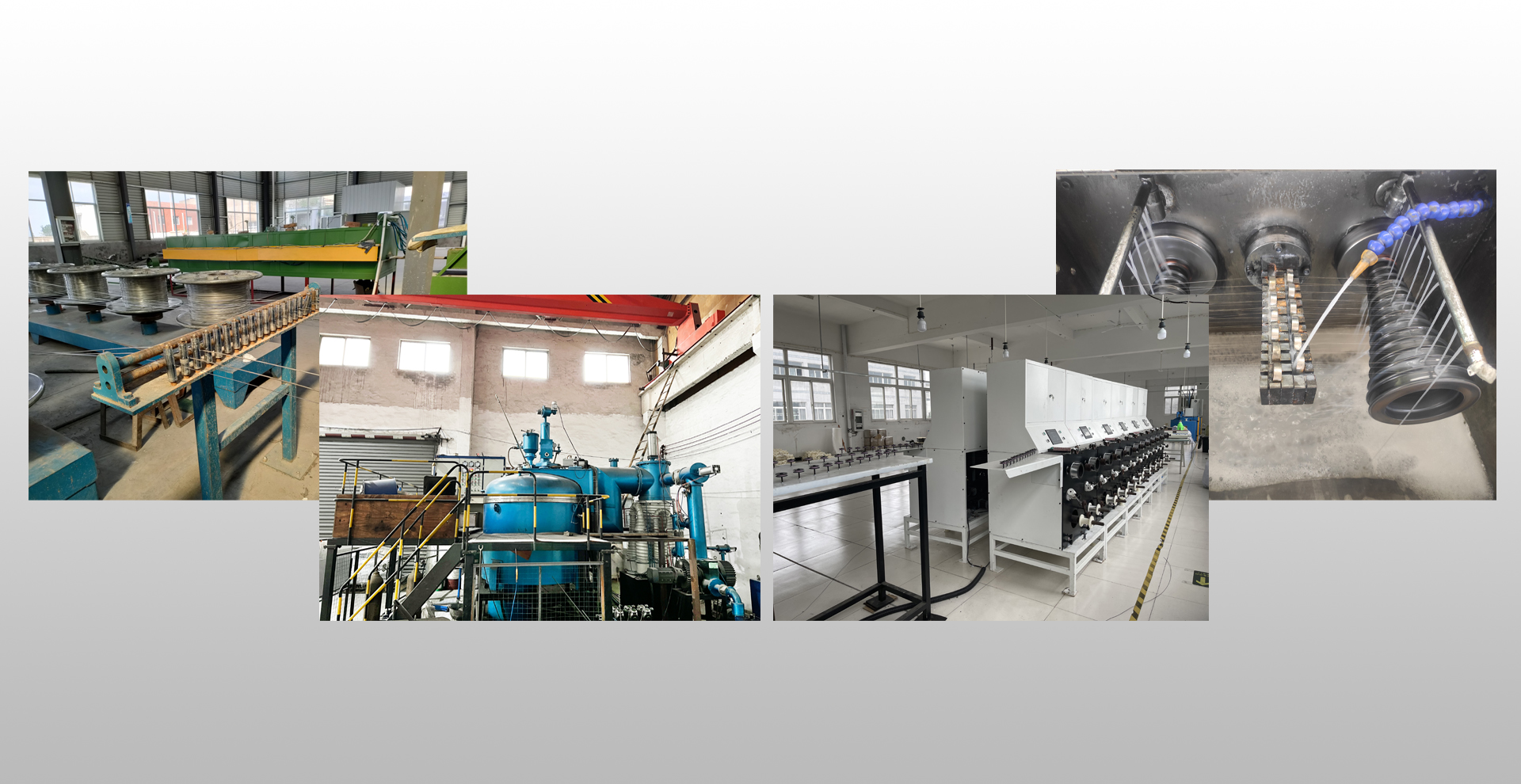
We welcome client visits to showcase our manufacturing and testing processes. Clients can explore our facility, discuss specific needs, and learn about our quality control methods. Our team ensures a personalized experience to meet your exact requirements for medical applications.
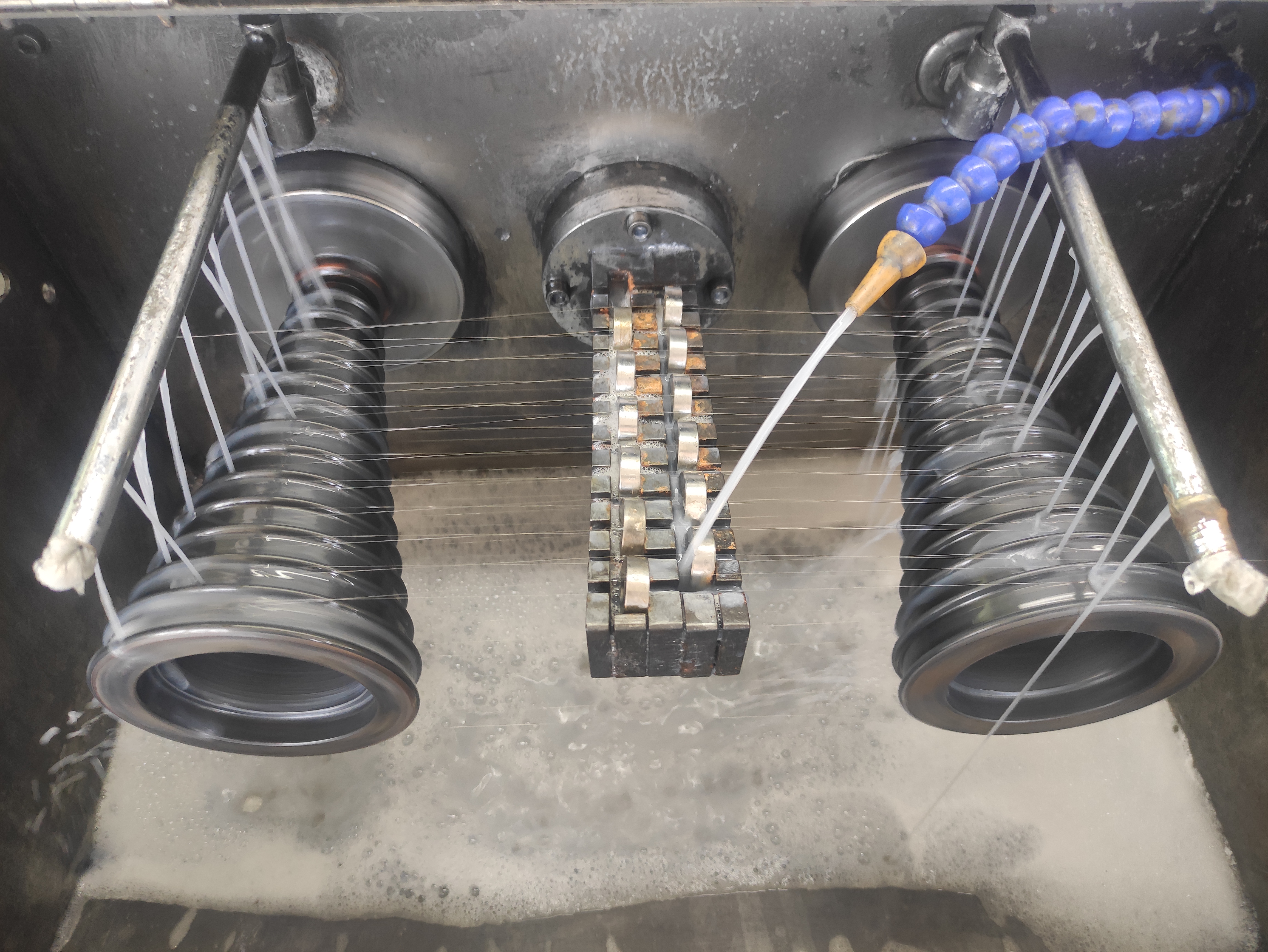
 Our Factory
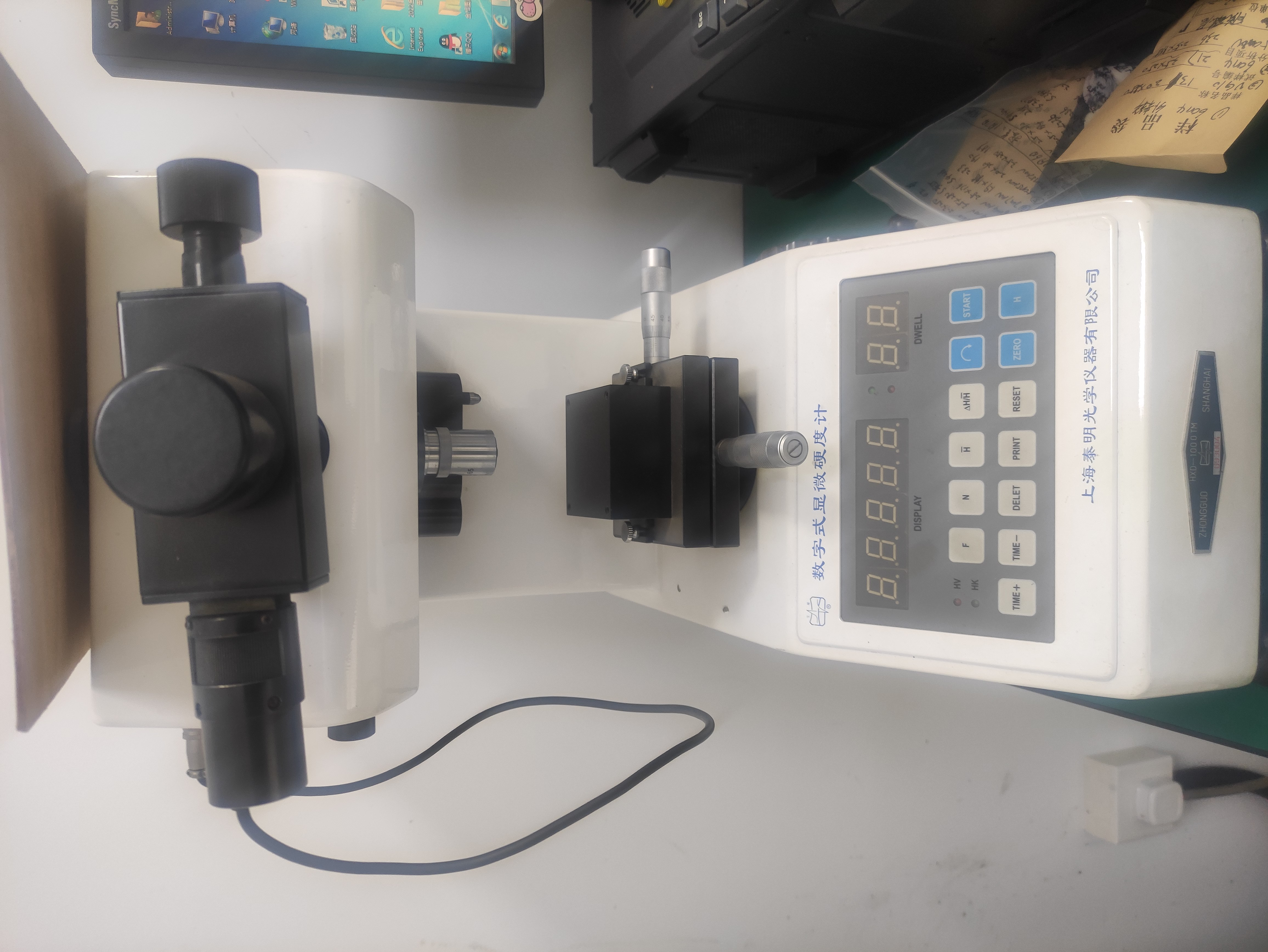
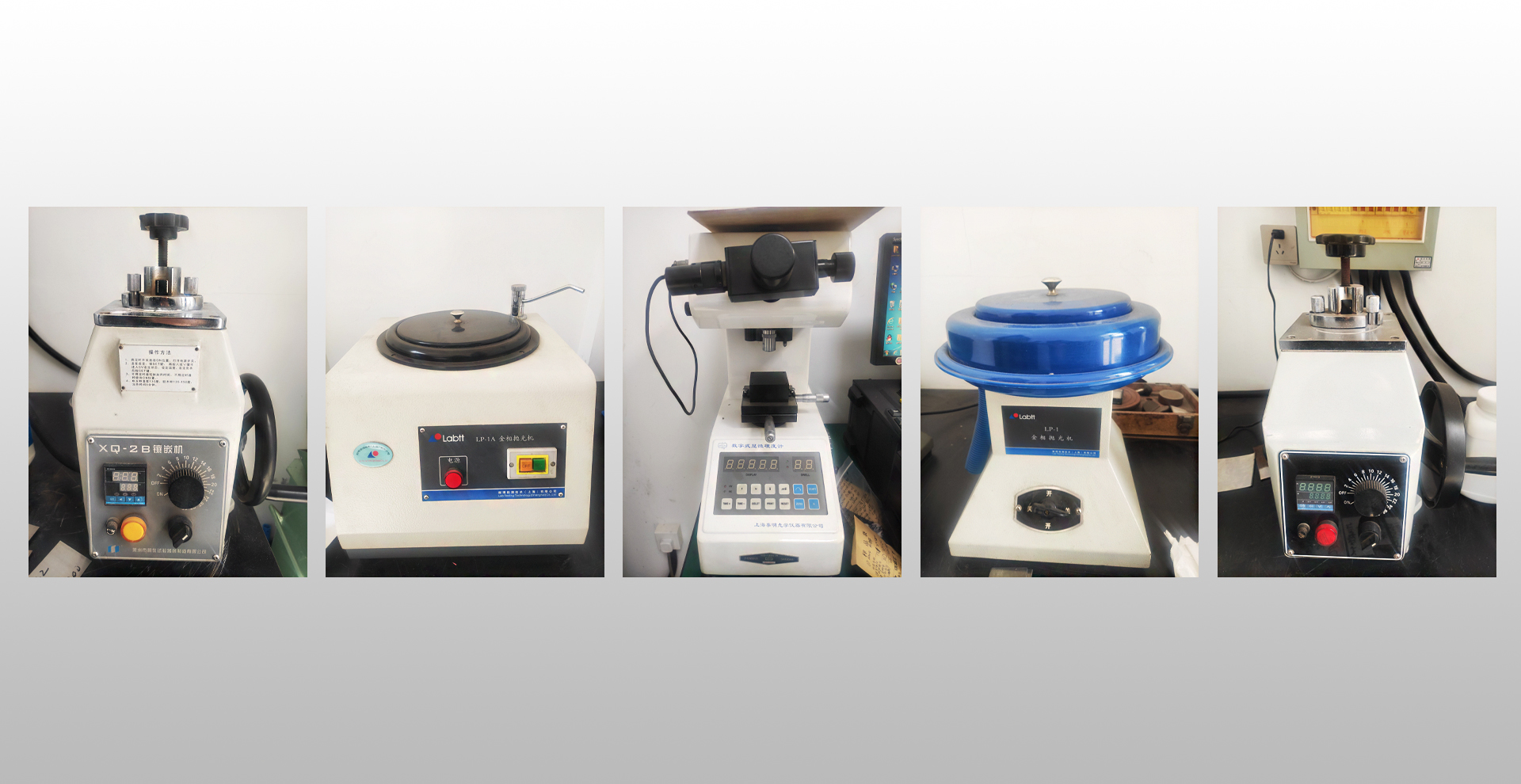
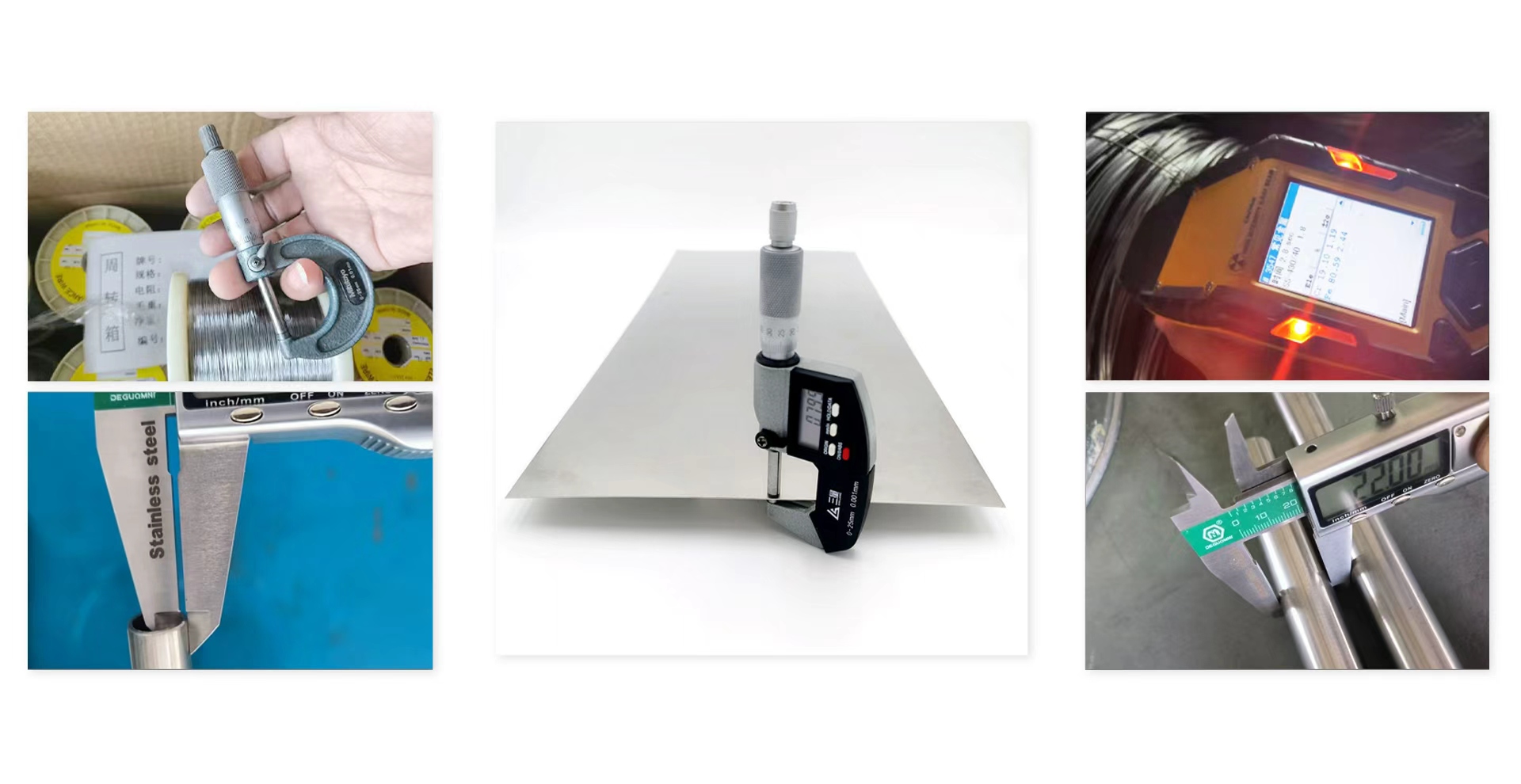
Quality Testing of the Product
Our product undergoes strict testing for tensile strength, corrosion resistance, and biocompatibility to ensure reliable performance in joint implants. We use advanced methods to verify its safety and durability, and all products meet international medical standards for consistent, long-term use in the body.
FAQ
Who is your company?
We are a leading supplier of high-quality Nitinol alloy wire, specializing in providing durable, biocompatible materials for orthopedic joint replacements and other medical applications.How can I contact your company?
Phone: +86 132 1868 0935
Whatsapp: +86 13218680935
Email: victory@dlx-alloy.com
What is Nitinol Memory Wire?
Nitinol memory wire is an alloy of nickel and titanium known for its shape memory and superelastic properties. It can return to its original shape when heated and is used in medical, electronic, and industrial applications.
How is Nitinol used in healthcare applications?
Nitinol is used in medical devices such as stents, guidewires, catheters, and orthodontic braces. Its shape memory allows devices to expand or contract when needed, providing critical functionality in the human body.
What makes Nitinol suitable for electronics?
Nitinol’s shape memory and superelasticity make it ideal for use in electronic devices such as actuators, sensors, and thermal switches, where precise movement or response to heat is required.
Can Nitinol wire be customized for specific applications?
Yes, Nitinol wire can be customized to meet specific needs, whether for medical devices, consumer electronics, or industrial uses. We provide tailored solutions to ensure optimal performance.