
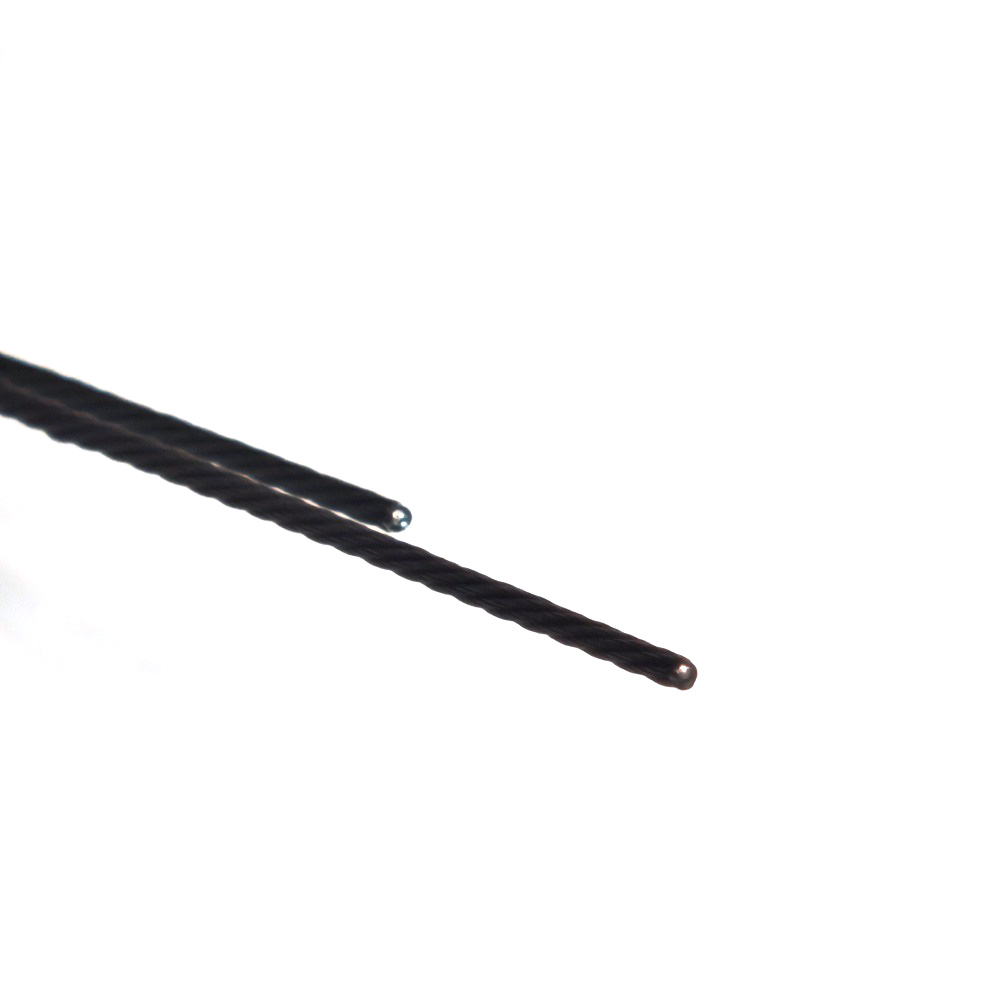
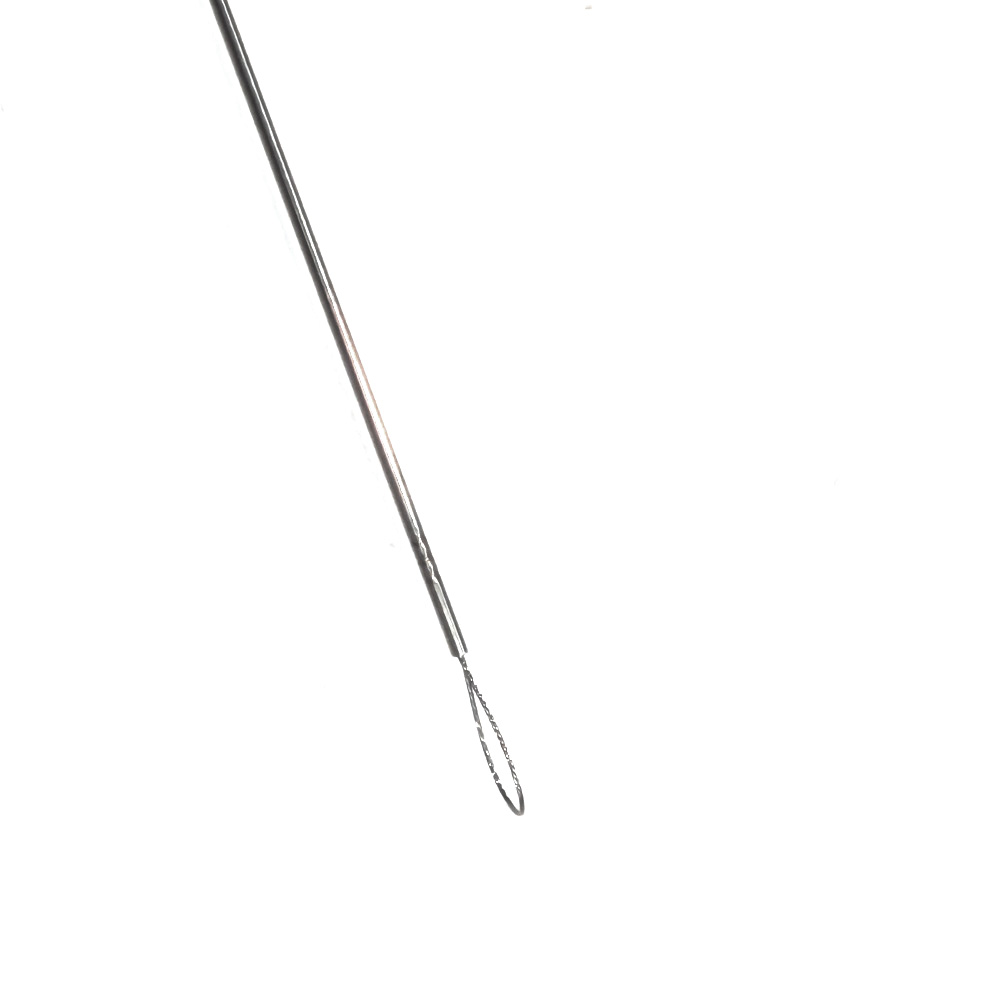
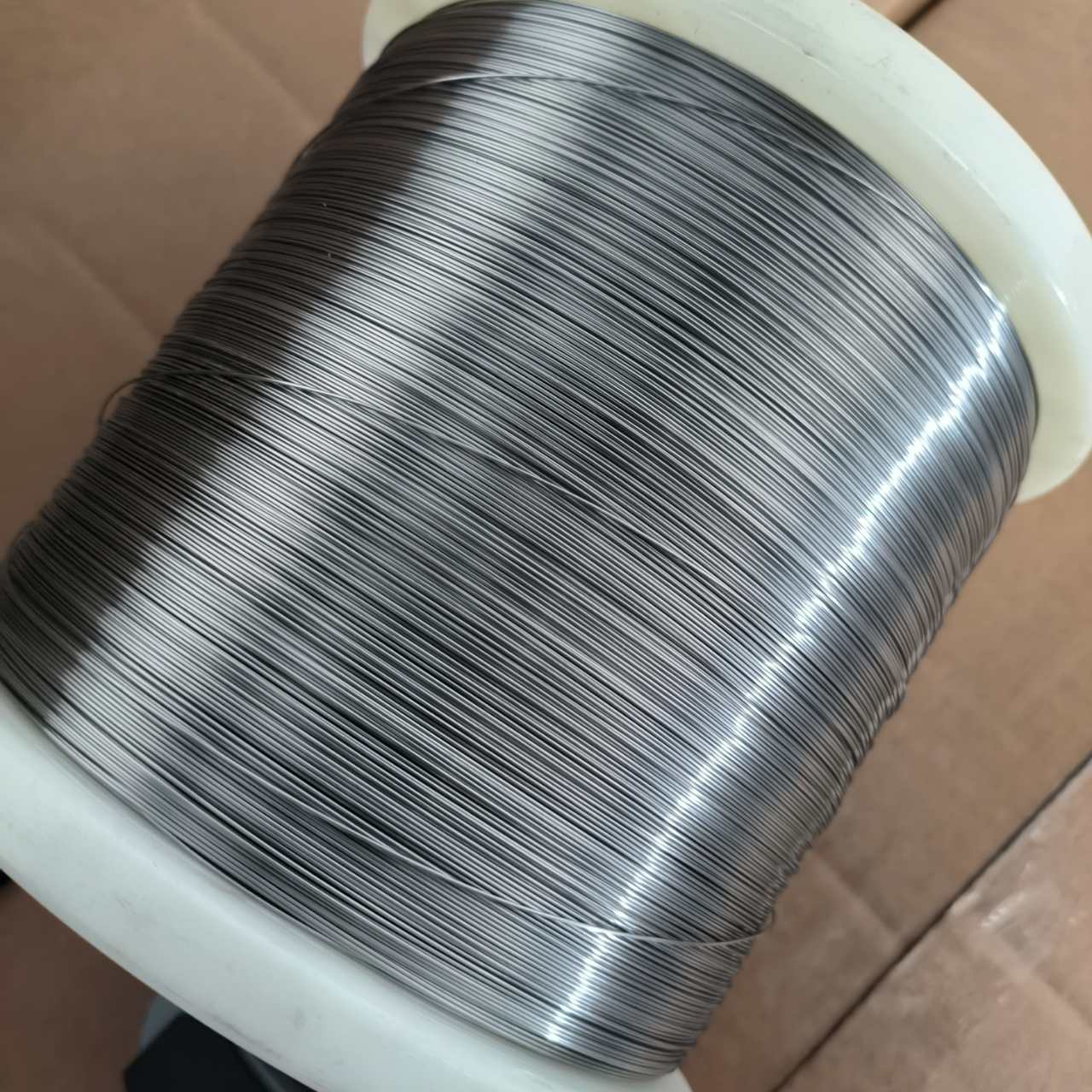
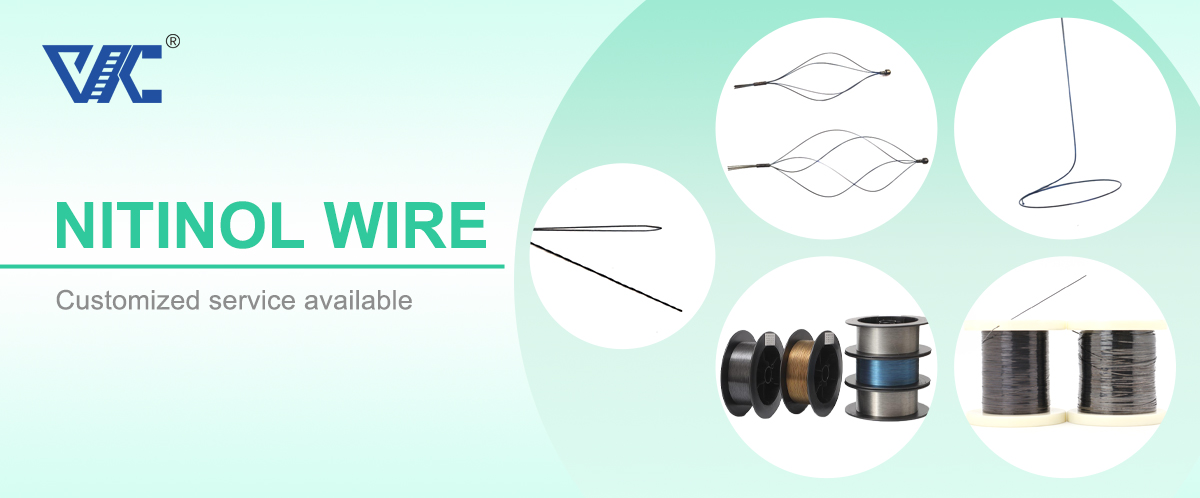
What is Nitinol Wire?
Nitinol wire, often referred to as nickel-titanium alloy wire, is a shape-memory alloy that can return to its original shape after deformation when exposed to a certain temperature. This remarkable property is essential for a variety of medical devices, especially those used in delicate procedures such as pacemakers. The wire's flexibility and adaptability also make it ideal for use in precision medical instruments.
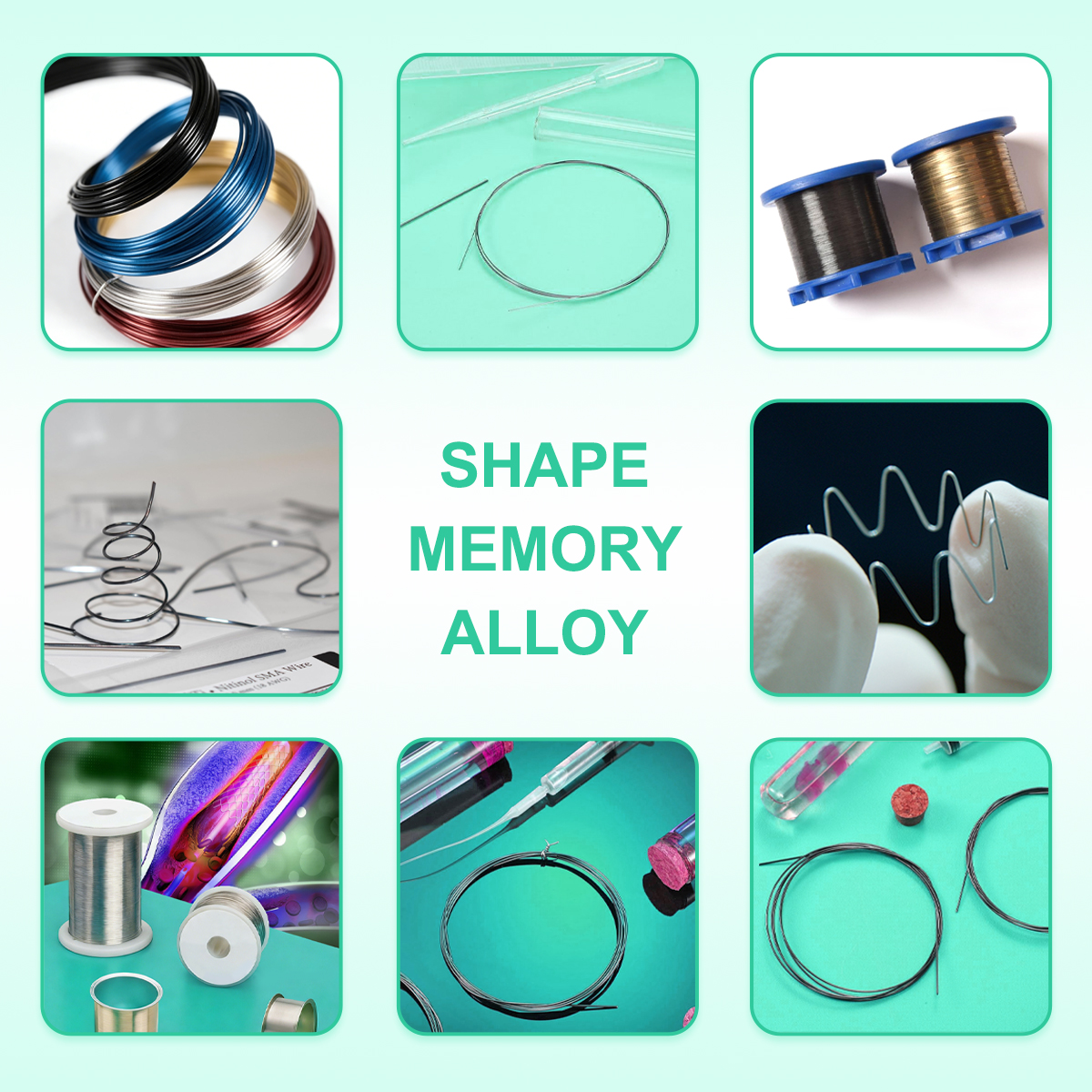
Wire Shape | Titanium alloy round wire, flat wire, square wire, D-shaped wire, triangular wire, bidirectional drive wire |
Wire Surface Condition | Black oxide state, light oxide state (from golden yellow to brown), clean state, bright state, polished state |
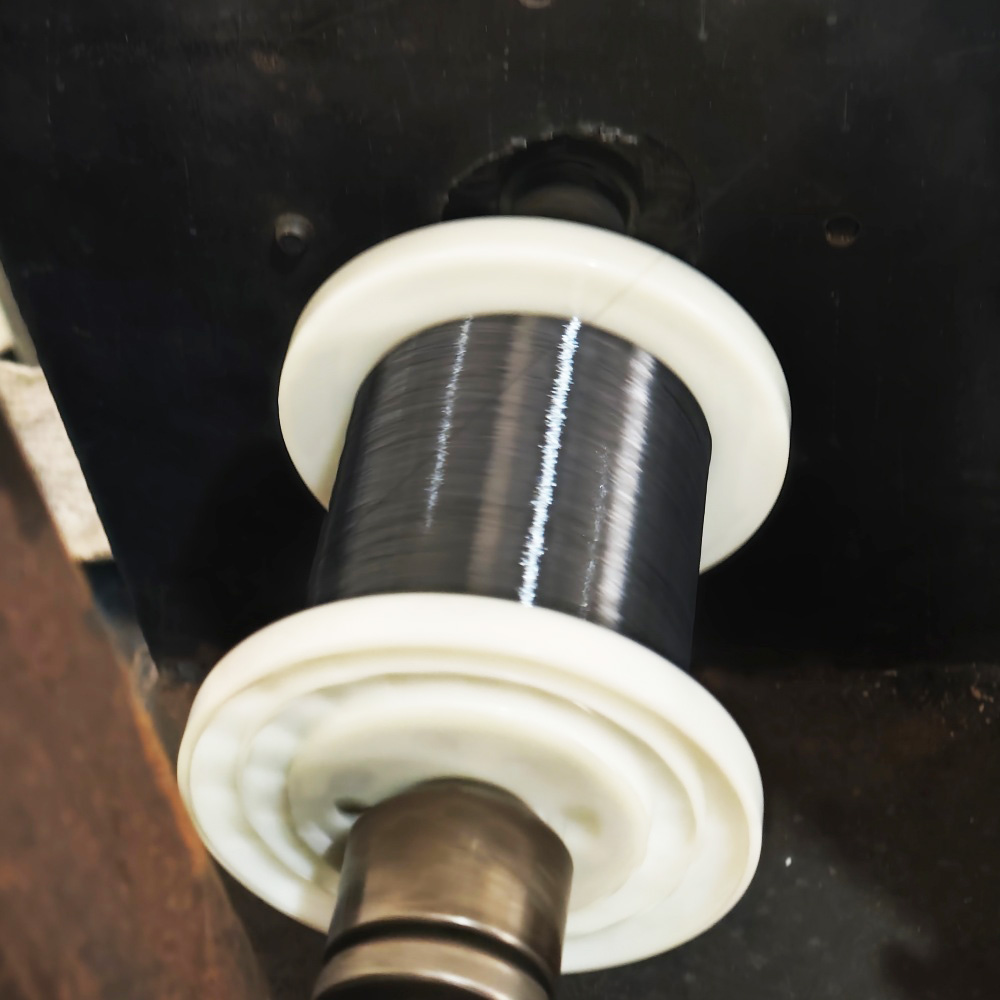
Wire Packaging | I-beam reels: To ensure that the nickel-titanium wire is evenly distributed on the packaging reel, without breakage or tangled threads Fixed length: Can be cut to fixed length according to customer requirements |
Features of Nitinol Alloy Wire
Shape Memory Effect:
One of the key features of Nitinol wire is its shape memory. This means that the wire can be deformed at a lower temperature and then return to its original shape when heated to a specific temperature. This feature is highly advantageous in medical devices, particularly in pacemakers where precise and predictable motion is critical.Superelasticity:
Nitinol wire exhibits superelasticity, allowing it to undergo significant deformation without permanent damage. This makes it an ideal material for use in applications that require a high degree of flexibility and resilience under stress, such as in heart surgery and other delicate procedures.Corrosion Resistance:
Nitinol’s corrosion resistance makes it an excellent choice for medical devices that will be in contact with the human body for extended periods. Its biocompatibility ensures that it does not cause any adverse reactions in the body, making it a safe material for implants and surgical tools.Biocompatibility:
As a highly biocompatible material, Nitinol is extensively used in medical devices like cardiac pacemaker electrodes, stents, and orthodontic wires, ensuring long-term safety for patients without causing allergic reactions or other issues.Durability and Strength:
Despite its flexibility, Nitinol wire is incredibly strong, providing long-lasting performance under extreme conditions. This makes it a reliable option for the most demanding medical devices and applications.
Wire Diameter and Tolerance
Wire Diameter (mm) | Tolerance (mm) | Wire Diameter (mm) | Tolerance (mm) | Wire Diameter (mm) | Tolerance (mm) |
4.000-2.000mm | ±0.025mm | 0.350-0.260mm | ±0.010mm | 0.080-0.050mm | ±0.005mm |
2.000-1.000mm | ±0.020mm | 0.260-0.150mm | ±0.007mm | 0.050-0.025mm | ±0.005mm |
1.000-0.350mm | ±0.010mm | 0.150-0.080mm | ±0.005mm | 0.025-0.018mm | ±0.003mm |
*Can be adjusted according to customer requirements
Applications of Nitinol Alloy Wire
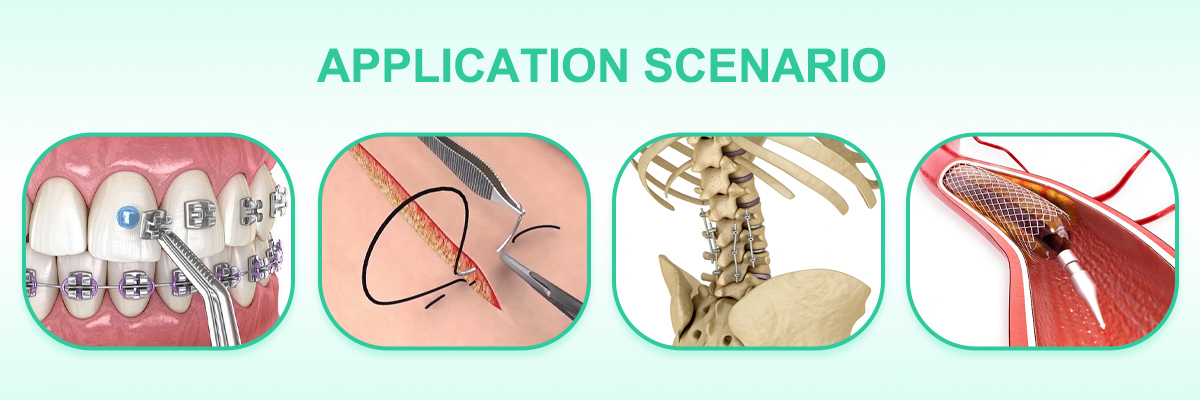
Cardiac Pacemaker Electrodes: Nitinol wire is commonly used in pacemaker electrodes, where its flexibility and shape-memory properties ensure precise function, helping regulate the heartbeat.
Stents and Catheters: Due to its superelasticity, Nitinol wire is also used in stents and catheters, ensuring minimal discomfort for patients during insertion and long-term use.
Orthopedic and Surgical Tools: The wire’s biocompatibility makes it an ideal material for surgical instruments, ensuring patient safety during procedures.
Ophthalmic and Dental Applications: Nitinol is used in specialized dental and ophthalmic devices due to its shape memory and biocompatibility.
ABOUT US
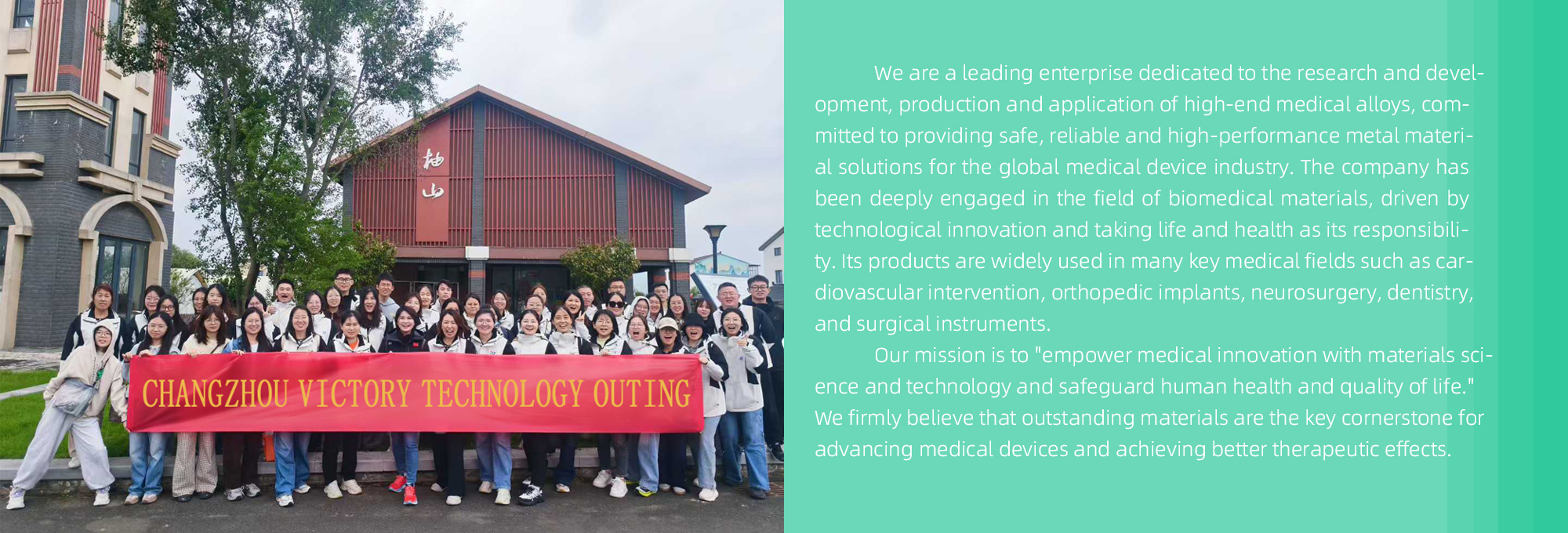
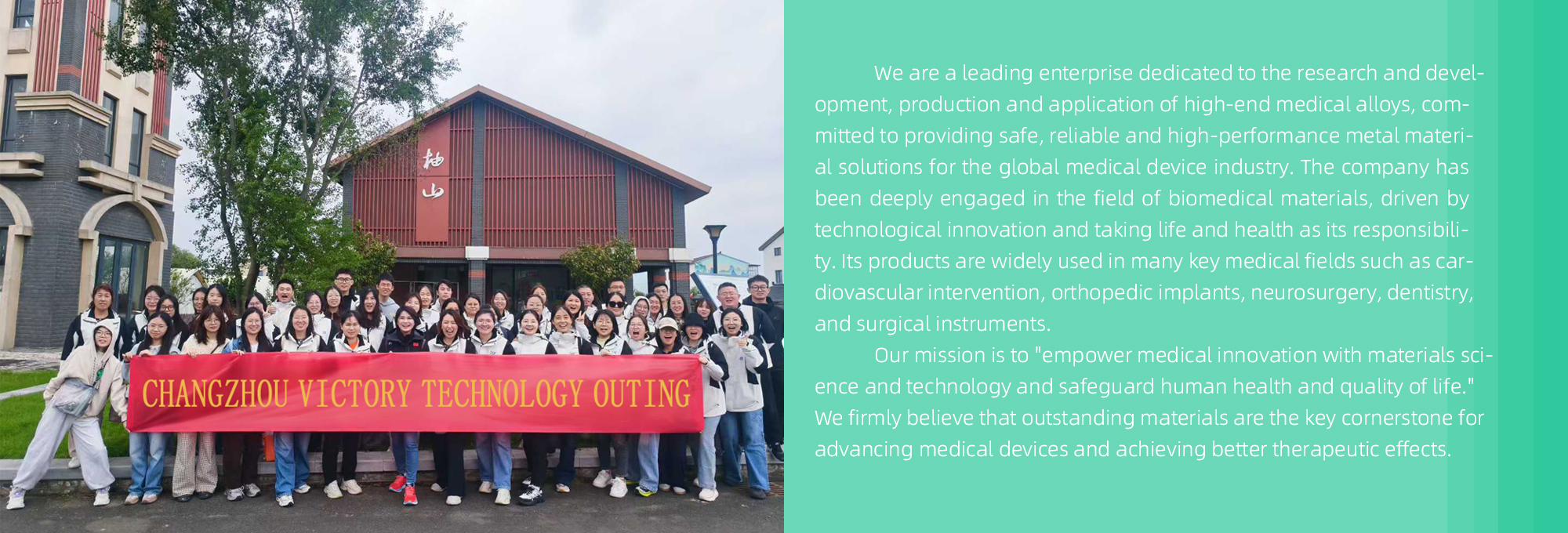
Victory Alloy Co., Ltd. is a professional manufacturer specializing in medical alloy materials, with a dedicated focus on the research, development and production of high-performance biomedical alloys.
Our primary product range includes medical-grade titanium alloys, Nitinol (nickel-titanium alloy), cobalt-chromium (CoCr) alloys, platinum-iridium (Pt-Ir) alloys, and medical stainless steel. These high-quality alloys are widely applied in a broad spectrum of medical fields, such as cardiovascular stents, orthopedic implants, interventional guidewires, dental implants, surgical instruments, and disposable medical auxiliary devices. Boasting outstanding biocompatibility, strong corrosion resistance and excellent mechanical properties, our products have won consistent praise from customers across the board.
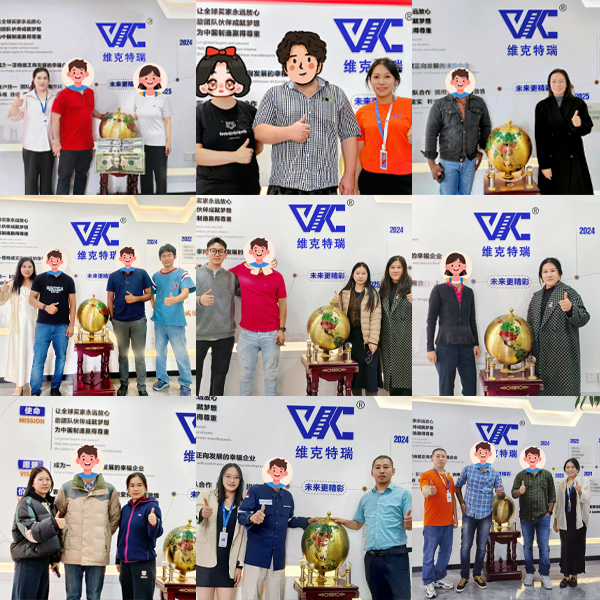
Client Visits
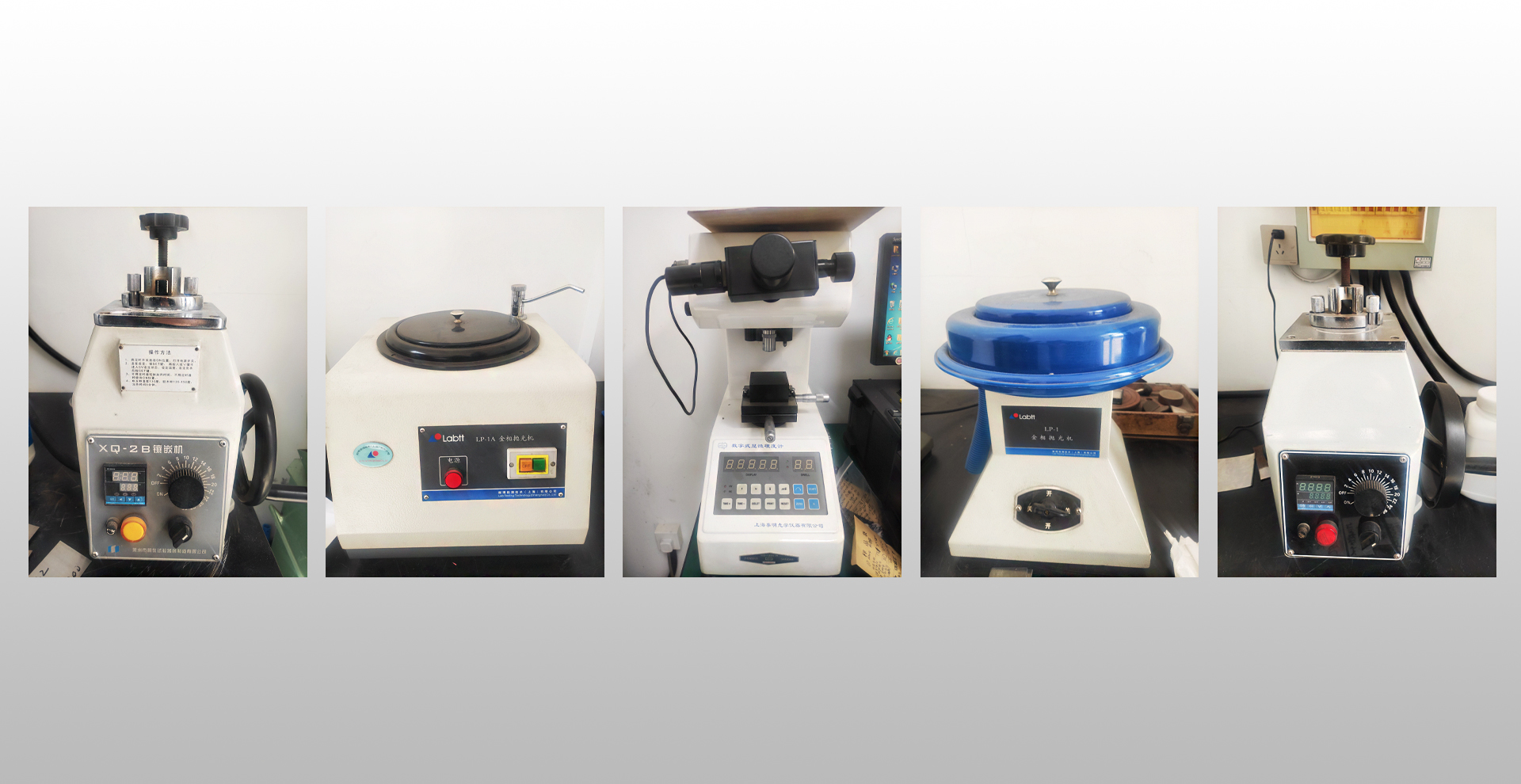
We welcome client visits to showcase our manufacturing and testing processes. Clients can explore our facility, discuss specific needs, and learn about our quality control methods. Our team ensures a personalized experience to meet your exact requirements for medical applications.
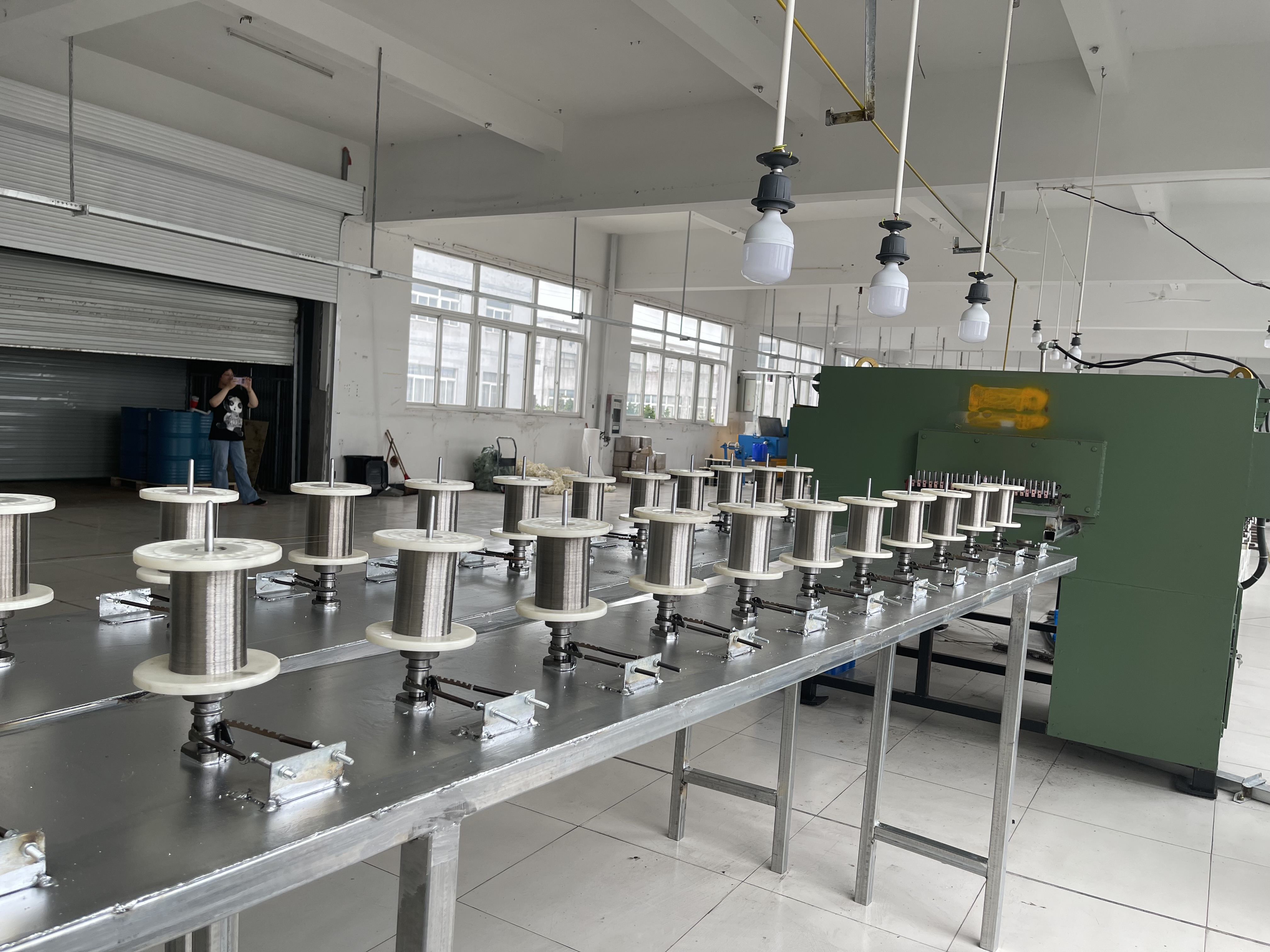
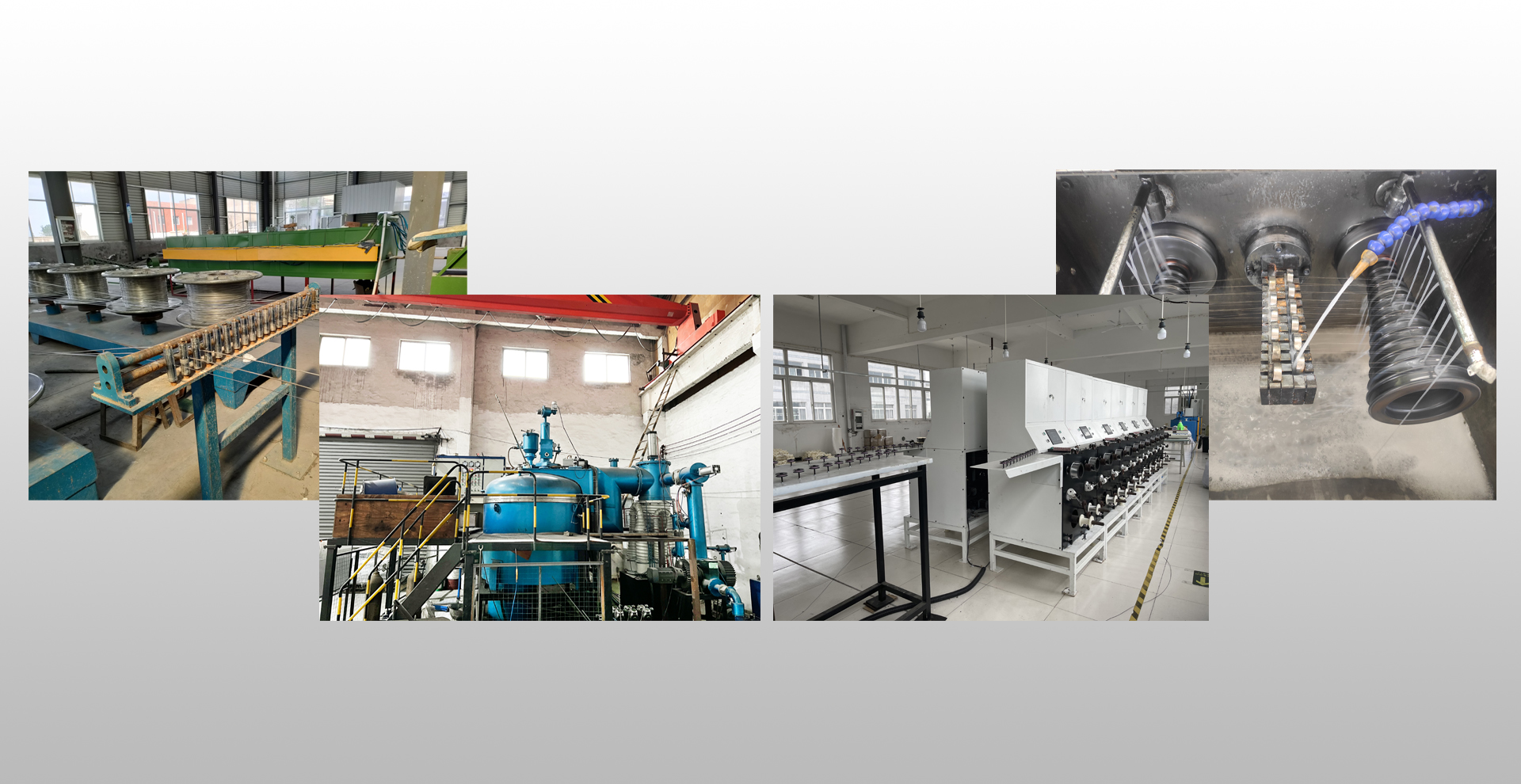
 Our Factory
Quality Testing of the Product
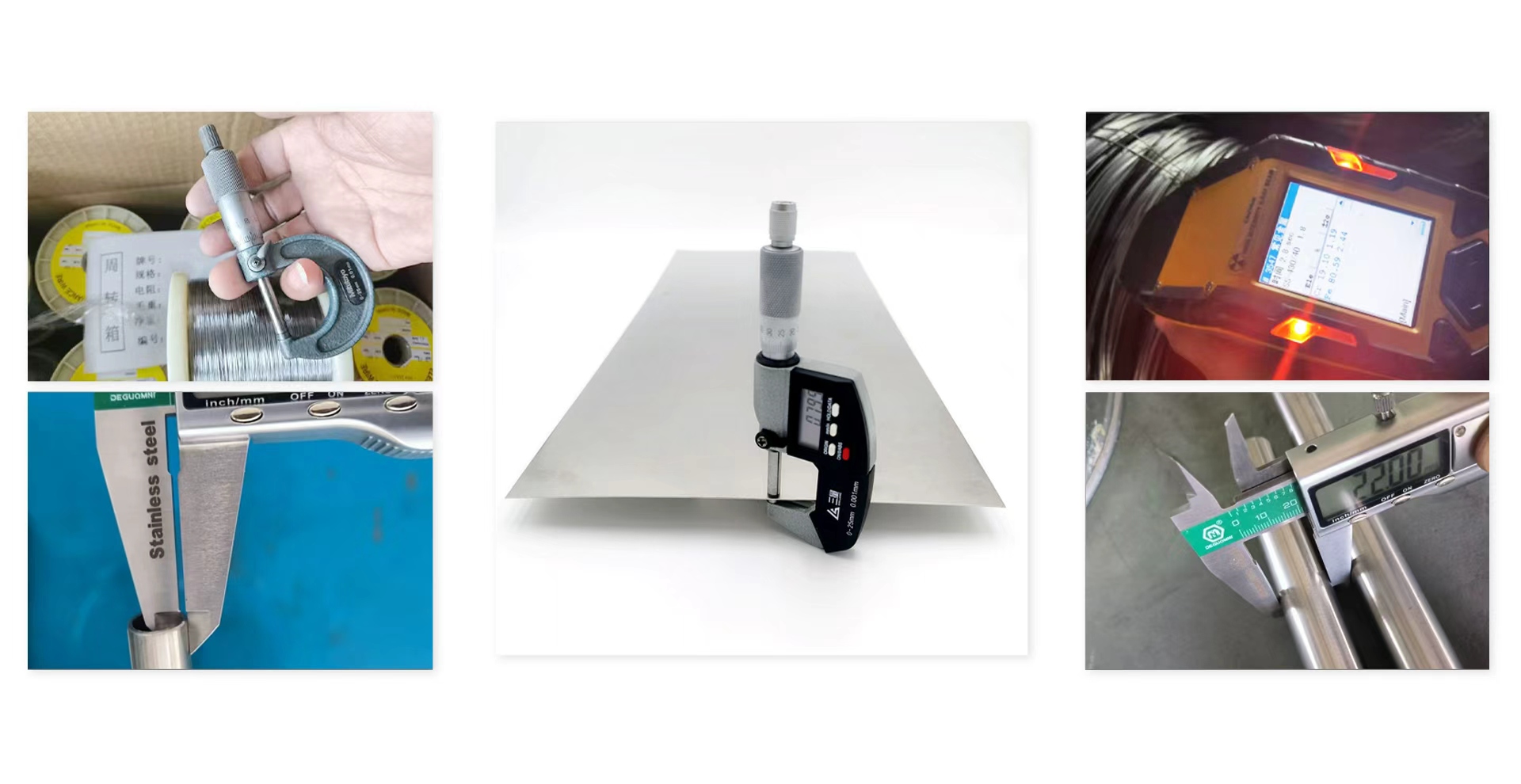
Our product undergoes strict testing for tensile strength, corrosion resistance, and biocompatibility to ensure reliable performance in joint implants. We use advanced methods to verify its safety and durability, and all products meet international medical standards for consistent, long-term use in the body.
FAQ
Who is your company?
We are a leading supplier of high-quality Nitinol alloy wire, specializing in providing durable, biocompatible materials for orthopedic joint replacements and other medical applications.What is Nitinol wire used for in medical devices?
Nitinol wire is primarily used in cardiac pacemaker electrodes, stents, catheters, and other medical devices that require flexibility, durability, and shape-memory properties.How does Nitinol wire improve patient safety?
Nitinol's biocompatibility ensures that it does not cause adverse reactions in the body, while its superelasticity and flexibility minimize invasiveness and reduce trauma during medical procedures.What makes Nitinol wire different from other materials?
Nitinol wire stands out due to its shape-memory effect and superelasticity, which allow it to return to its original shape when exposed to heat and undergo significant deformation without damage.How can I purchase Nitinol wire from your company?
You can contact our sales team via the contact page on our website. We offer a range of Nitinol wire products for various medical and precision applications.